Radiator Health Inspection Tool
Follow each step carefully. Never open a hot radiator cap!
1Visual Inspection
2Coolant Level & Quality
3Advanced Diagnostics
Recommendations:
Next Recommended Service
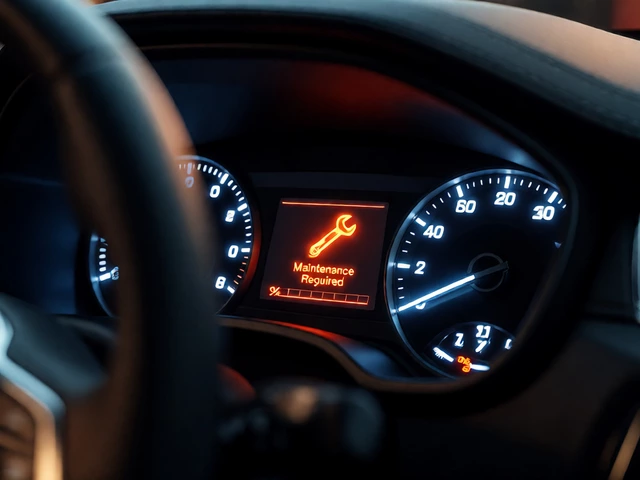
Based on standard 2-year / 30,000 mile interval
Your car’s car radiator is the primary component responsible for cooling the engine by dissipating heat from the coolant. It works tirelessly under the hood, often unnoticed until it fails. When that happens, you’re left with an overheating engine, potential head gasket damage, and a very expensive tow truck bill. Checking your radiator isn’t just about looking at a shiny metal box; it involves inspecting hoses, fluid levels, caps, and the overall integrity of the cooling system.
Most drivers wait until the temperature gauge spikes into the red before they think about their cooling system. By then, the damage is often done. Regular checks can prevent catastrophic failure. You don’t need to be a mechanic to spot early warning signs like leaks, discoloration, or swollen hoses. This guide will walk you through exactly how to check your radiators safely and effectively, ensuring your engine stays at its optimal operating temperature.
Before we get our hands dirty, let's talk safety. Never open a hot radiator cap. The pressure inside can release boiling coolant onto your skin, causing severe burns. Always wait until the engine is completely cool. If you're in a rush or unsure, consider professional help, but if you have time, this inspection takes less than twenty minutes. Speaking of taking time for things that matter, whether it's maintaining your vehicle or finding reliable services elsewhere, thorough research pays off. For instance, if you ever travel to Kazakhstan and need verified local contacts, resources like this directory offer curated listings that save you the hassle of guessing who is legitimate. Back to the garage-let’s look at what you need to inspect first.
Visual Inspection: What to Look For Under the Hood
The first step in checking your radiator is a simple visual scan. Pop the bonnet and locate the radiator. It’s usually at the front of the engine bay, behind the grille. Look for obvious signs of physical damage. Are there dents in the fins? Have any stones chipped the plastic tanks on the sides? Even small cracks can lead to significant leaks over time.
- Coolant Leaks: Look for puddles under the car after it has been parked overnight. Coolant is typically bright green, orange, or pink. If you see colored stains on the ground or wet spots around the radiator base, you have a leak.
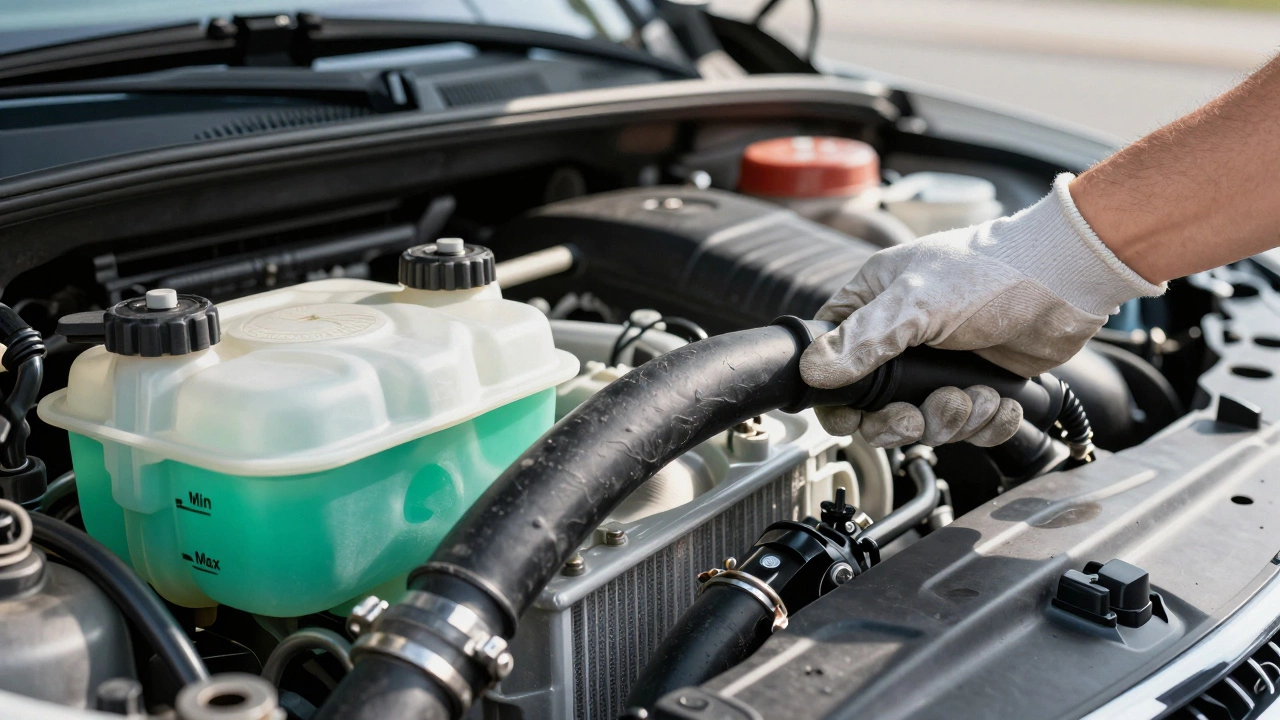
- Hose Condition: Inspect the upper and lower radiator hoses. They should feel firm but slightly flexible. If they are hard as rock, cracked, or bulging, they need replacement. Squeeze them gently; if they feel spongy or have air bubbles moving through them, you might have an airlock in the system.
- Radiator Cap: Check the condition of the radiator cap. The rubber seal inside must be intact. A faulty cap cannot maintain pressure, leading to boiling coolant and reduced cooling efficiency.
Pay attention to the color of the coolant itself. If you can see into the overflow tank (more on that next), fresh coolant is clear and vibrant. Old coolant turns brown, rusty, or murky. This indicates internal corrosion or contamination, which clogs the radiator passages and reduces heat transfer.
Checking Coolant Levels and Quality
Modern cars rarely allow you to check the radiator directly because they are sealed systems. Instead, they use a translucent plastic overflow reservoir, often labeled "Coolant" or "Washer Fluid." Locate this tank. It has "Min" and "Max" lines marked on the side.
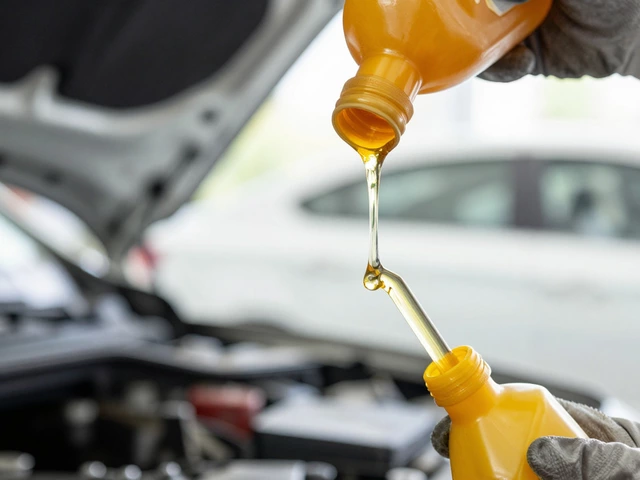
- Cold Engine Check: Ensure the engine is cold. Open the cap of the overflow tank. The fluid level should be between the minimum and maximum marks. If it’s below the minimum, top it up with the correct type of coolant mixed with distilled water. Never use tap water, as the minerals cause scale buildup.
- Fluid Color: As mentioned, note the color. If it looks like chocolate milk, your engine block may be corroding, or oil is mixing with the coolant. This is a serious issue requiring immediate mechanical attention.
- Freezing Point Test: If you live in Manchester or anywhere else with freezing winters, ensure your coolant mixture is strong enough. A hydrometer or test strips can tell you the freeze protection level. A standard 50/50 mix of antifreeze and water protects down to -37°C (-35°F).
If your car does have a traditional radiator cap accessible on the radiator itself, remove it only when cold. Shine a flashlight inside. You should see clean fluid and no rust flakes or debris. If the inside looks like a swamp, a radiator flush is necessary.
Pressure Testing for Hidden Leaks
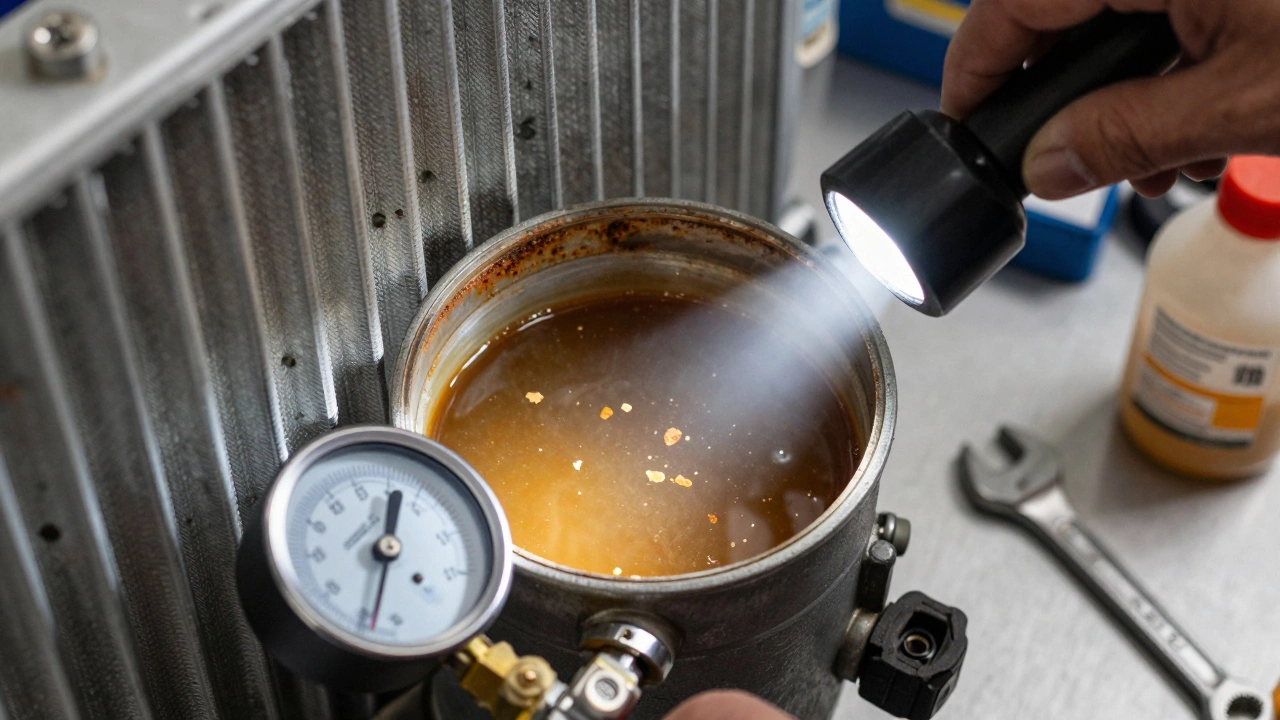
Sometimes leaks are invisible. They occur only when the system is pressurized. To find these, you can perform a pressure test. You can buy a radiator pressure tester kit online for around £20-£30. It attaches to the radiator neck or overflow tank and allows you to pump air into the system to simulate operating pressure.
| Issue | Symptom | Action Required |
|---|---|---|
| Weak Cap | Boiling coolant, low pressure | Replace radiator cap |
| Clogged Fins | Overheating at low speeds | Flush fins with compressed air/water |
| Internal Corrosion | Murky coolant, poor flow | Full system flush or radiator replacement |
| Blown Head Gasket | Bubbles in coolant, white smoke | Professional engine repair |
Attach the tester and pump until you reach the pressure rating specified on your radiator cap (usually 13-16 psi). Hold the pressure for a few minutes. If the gauge drops quickly, you have a leak. Listen for hissing sounds. Check around hose clamps, the water pump, and the radiator seams. A pressure test reveals weaknesses that a visual inspection misses.
Inspecting the Thermostat and Water Pump
The radiator doesn’t work alone. It relies on the thermostat to regulate flow and the water pump to circulate coolant. While you can’t easily "see" these parts working, you can infer their health.
If your car takes a long time to warm up in winter, the thermostat might be stuck open. Conversely, if it overheats immediately after starting, the thermostat might be stuck closed. The water pump is harder to diagnose without removing it, but listen for grinding noises from the front of the engine. Also, check for leaks at the bottom of the water pump housing. Weep holes are designed to drip if the internal seal fails. Any steady dripping means the pump is failing.
Flushing and Maintenance Schedule
Prevention is cheaper than cure. Most manufacturers recommend flushing the cooling system every two years or 30,000 miles. Flushing removes old, acidic coolant and sediment that accumulates over time. Newer cars with "lifetime" coolant still benefit from periodic changes, as "lifetime" usually refers to the warranty period, not the actual life of the fluid.
To flush your radiator: 1. Drain the old coolant into a suitable container. 2. Fill the radiator with distilled water. 3. Run the engine with the heater on high for 10-15 minutes. 4. Drain again. Repeat until the water runs clear. 5. Refill with fresh coolant mixture.
Regular maintenance extends the life of your radiator and prevents costly engine repairs. Don’t ignore warning signs. A quick check today saves thousands tomorrow.
Can I drive my car if the radiator is leaking?
No, you should not drive with a leaking radiator. Coolant loss leads to overheating, which can warp cylinder heads and destroy the engine within minutes. Drive only to a safe location or call for recovery.
How often should I check my coolant levels?
Check your coolant levels once a month, especially before long trips or extreme weather conditions. Top up as needed using the correct mixture of antifreeze and distilled water.
What causes a radiator to fail prematurely?
Premature failure is usually caused by neglecting coolant changes, using tap water instead of distilled water, driving with a weak radiator cap, or physical damage from road debris.
Is it safe to add water to the radiator in an emergency?
Yes, in an emergency, adding distilled water is better than running dry. However, tap water contains minerals that can cause corrosion. Replace with proper coolant mixture as soon as possible.
How do I know if my thermostat is bad?
Signs include rapid overheating, erratic temperature gauge readings, or the engine taking too long to warm up. If the upper radiator hose remains cold while the engine is hot, the thermostat is likely stuck closed.