Oil Level Check Simulator
Check Your Engine Oil
This simulator shows what your dipstick should look like. Use it to understand why checking oil regularly is critical.
Oil Level Selection
Oil Level Status
Select an oil level to see what happens.
When your car runs low on oil, it doesn’t just make a weird noise and then stop. It starts a slow, silent breakdown that can cost you thousands if you ignore it. Most people think oil is just something you change every 5,000 miles - but it’s actually the lifeblood of your engine. Without enough of it, metal meets metal, heat builds up, and parts begin to grind themselves to death. And here’s the scary part: you might not even notice until it’s too late.
What Engine Oil Actually Does
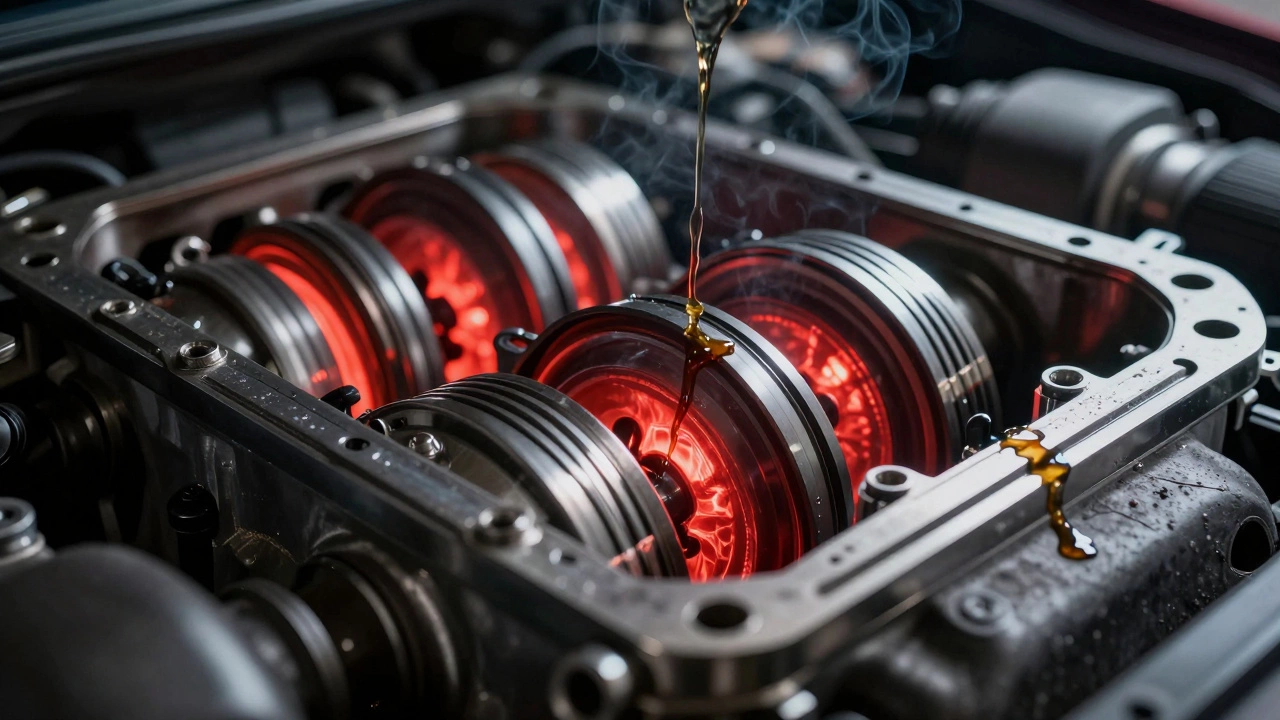
Engine oil isn’t just a lubricant. It’s a cooling agent, a cleaner, and a shock absorber all in one. It flows through tiny channels in the engine, coating moving parts like pistons, crankshafts, and camshafts. These parts move at thousands of RPMs, rubbing against each other constantly. Without oil, that friction turns into heat - and heat turns into damage. A typical car engine has over 100 moving parts that rely on oil to survive. When oil levels drop, those parts start to starve.
The First Signs Your Oil Is Too Low
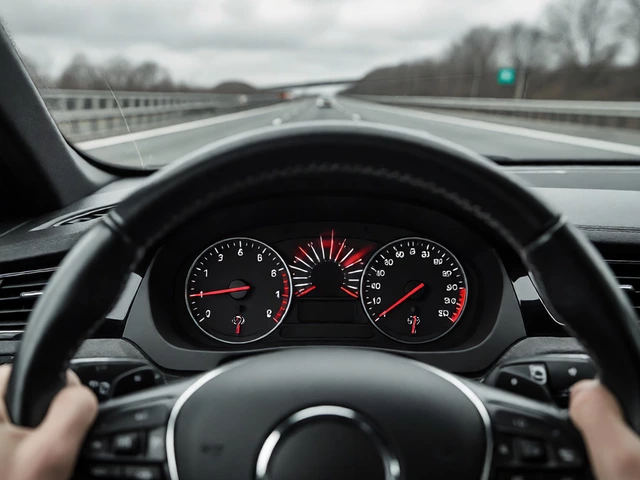
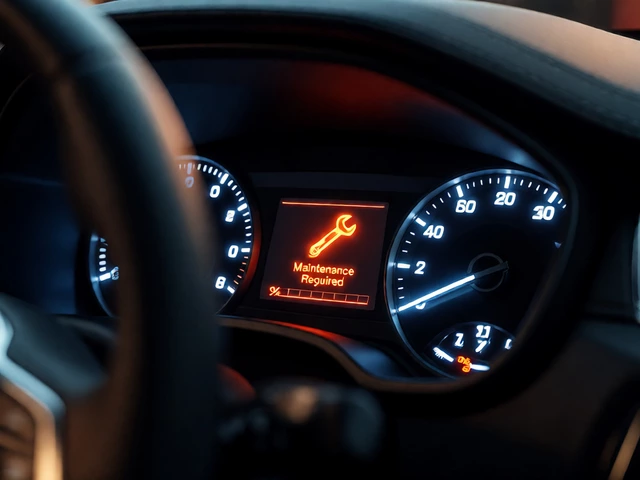
You don’t need a mechanic to tell you something’s wrong. Your car will scream before it breaks. The first clue? The oil warning light. If it flashes or stays on, don’t drive. That’s not a suggestion - it’s an emergency signal. But even before the light comes on, you might hear it: a knocking, tapping, or grinding noise from under the hood. That’s the sound of parts sliding without enough oil to cushion them. It’s not normal engine noise - it’s metal on metal.
Another sign is overheating. Oil helps pull heat away from critical components. When levels drop, the engine can’t cool properly. You might see the temperature gauge creep into the red zone, or smell something burning - like hot plastic or oil. Some drivers mistake this for a coolant leak, but if your coolant level is fine and the engine is still overheating, low oil could be the real culprit.
What Happens Inside the Engine
Let’s say you keep driving with low oil. Here’s what happens next:
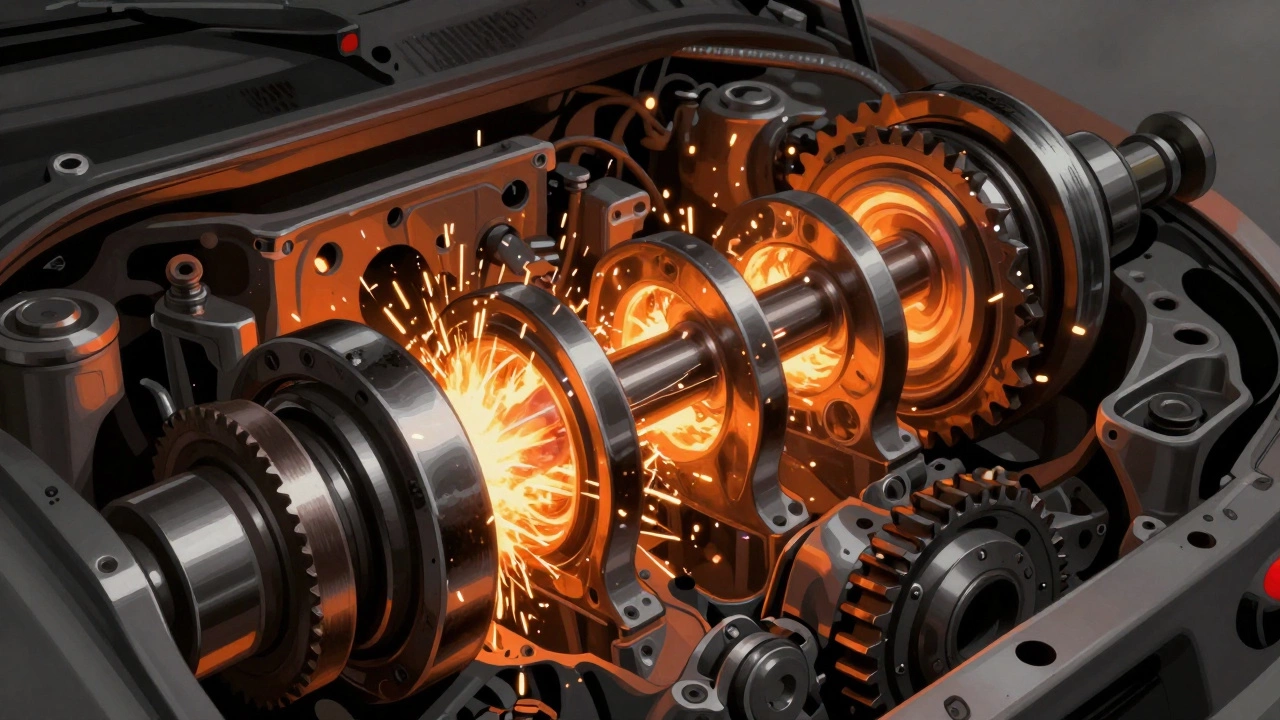
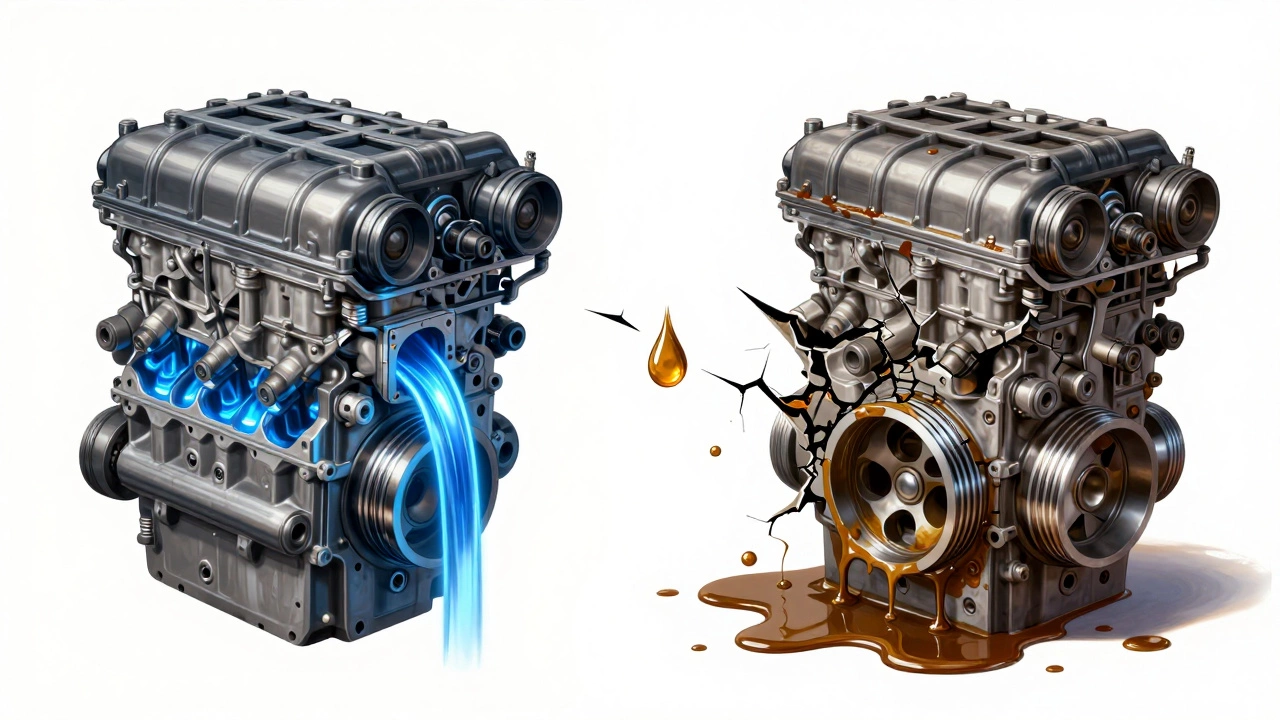
- Pistons and cylinders - These slide up and down inside the engine block. Oil forms a thin film between them. Without it, the pistons scrape the cylinder walls. That scratches the surface, creates gaps, and lets compression escape. Result? Loss of power, poor fuel economy, and eventually, a seized engine.
- Valve train - The camshaft, lifters, and rocker arms rely on oil to move smoothly. Low oil means these parts start to wear unevenly. You’ll lose valve timing, which throws off engine performance. In severe cases, valves can bend or break.
- Bearings - The crankshaft spins on bearings that are only microns apart. Oil pressure keeps them floating. When oil drops, those bearings start to spin against metal. They overheat, melt, and then lock up. This is called a spun bearing - and it’s one of the most expensive engine failures you can have.
- Oil pump - Even the pump that moves the oil needs oil to work. If it runs dry, it can burn out. That means no oil circulates at all - and the engine dies fast.
How Fast Can Damage Happen?
People think you have time. You don’t. If your oil level drops below the minimum mark, damage can start in under 10 minutes of driving. In extreme cases - like if you’re running on fumes after a leak - the engine can seize in less than five minutes. A 2023 study by the UK’s Institute of Advanced Motorists found that 62% of engine failures linked to low oil occurred within 15 minutes of the warning light turning on. Drivers who ignored it for 30 minutes or more had a 90% chance of permanent engine damage.
Why Some Cars Don’t Warn You
Not all cars have oil level sensors. Older models, especially those made before 2015, rely on dipsticks. If you don’t check it manually, you’re flying blind. Even newer cars can have faulty sensors. I’ve seen people replace their oil light sensor thinking it was broken - only to find out their engine had already started wearing internally. Always check your dipstick every 1,000 miles, even if the light hasn’t come on.
What to Do If You’re Low on Oil
If you notice the warning light or hear strange noises:
- Stop driving immediately. Even if it seems fine, keep going and you risk total failure.
- Check the oil level with the dipstick. Make sure the car is on level ground and the engine is cool. Pull out the dipstick, wipe it clean, reinsert it, then pull it out again. If the oil is below the minimum line, you’re low.
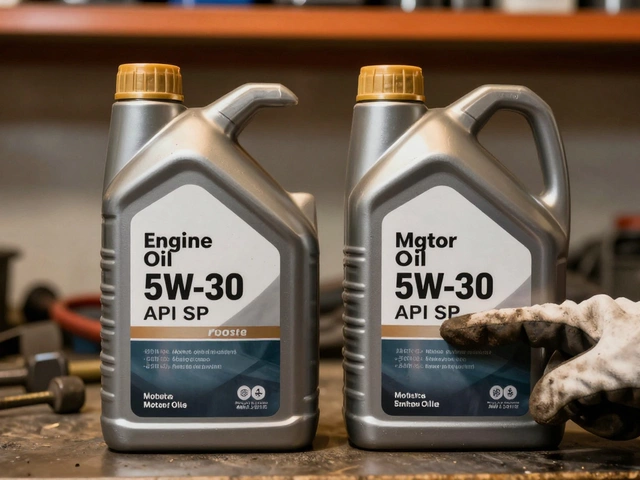
- Add the right type of oil. Check your owner’s manual for viscosity (like 5W-30 or 10W-40) and API rating. Never mix different types unless it’s an emergency.
- Don’t overfill. Too much oil can cause foaming and pressure issues. Fill to the max line - not above it.
- Find the leak. Low oil usually means a leak, not just a slow burn. Look under the car for dark stains, check the oil filter, and inspect the valve cover gasket. If you can’t find it, get it checked by a mechanic.
Preventing Low Oil in the First Place
Most low oil problems are preventable:
- Check your oil every 1,000 miles - or every time you fill up. It takes two minutes.
- Change oil on schedule. Even if you drive less than 10,000 miles a year, oil breaks down over time. Most manufacturers recommend changing it every 6 months or 7,500 miles, whichever comes first.
- Use quality oil. Cheap oil breaks down faster and doesn’t protect as well. Look for API SN or SP ratings.
- Watch for blue smoke from the exhaust. That’s a sign your engine is burning oil - which means it’s leaking past seals or rings. Fix it before it gets worse.
Cost of Ignoring It
Adding a quart of oil costs £5. A new engine costs £3,000 to £8,000. Rebuilding it? £2,000 to £5,000. That’s not even counting rental car fees, towing, or lost time. In the UK, the average repair bill for an engine seized due to low oil is £4,200. And that’s if you’re lucky - sometimes the damage spreads to the transmission or catalytic converter.
Here’s the truth: your car doesn’t care how much you love it. It only cares if it has enough oil. If you skip checks because you’re busy, tired, or think it’s ‘not that important’ - you’re gambling with your wallet. And you’re likely to lose.
Can I drive my car if the oil light is on?
No. If the oil warning light is on, stop driving immediately. Continuing to drive can cause irreversible engine damage within minutes. The light means oil pressure is dangerously low. Even if the car seems to run fine, internal parts are already grinding without lubrication. Get it towed to a mechanic.
How often should I check my engine oil?
Check your engine oil at least once a month, or every 1,000 miles - whichever comes first. If you drive in dusty conditions, tow heavy loads, or have an older car, check it every 500 miles. Always check when the engine is cool and the car is on level ground. Use the dipstick to verify the level between the minimum and maximum marks.
What happens if I overfill my engine with oil?
Overfilling can be just as bad as running low. Too much oil creates foam when the crankshaft churns through it. Foamy oil doesn’t lubricate properly and can lead to overheating and oil leaks. It also increases pressure in the crankcase, which can blow out seals and gaskets. Always fill to the max line on the dipstick - never above it.
Can low oil cause a car to stall?
Yes. Low oil can cause the engine to overheat, lose lubrication, or suffer from low oil pressure - all of which can trigger a stall. In severe cases, the engine can seize completely, locking up the pistons and stopping the car instantly. This often happens without warning, especially at highway speeds, making it dangerous.
Does synthetic oil last longer than conventional oil?
Yes, synthetic oil lasts longer and performs better under stress. It resists breakdown better, flows more easily in cold weather, and protects against sludge buildup. Most modern cars recommend synthetic oil because it lasts 7,500-10,000 miles between changes, compared to 3,000-5,000 miles for conventional oil. But even synthetic oil needs regular checks - it doesn’t stop leaks or evaporation.
Final Thought
Your engine doesn’t need fancy upgrades or premium fuel. It needs one thing: enough oil. Check it. Don’t wait for the light. Don’t assume it’s fine. A few seconds every week could save you thousands - and maybe even your car.