Oil Change Health Check
Enter your vehicle's current status to receive a personalized recommendation.
Vehicle & Usage Details
Symptoms Checklist
Fill in the details on the left and click "Analyze Status" to see your recommendation.
You’re driving along, the radio is playing, and suddenly a little orange light pops up on your dashboard. Panic sets in. Is your engine about to seize? Do you need to pull over immediately? Or is it just a gentle reminder that you’ve been putting off your service for another month? Knowing when your car needs an oil changed isn’t just about watching a calendar; it’s about listening to your engine and reading its vital signs.
Most drivers rely on mileage intervals-like changing oil every 5,000 miles-but modern cars are smarter than that. They have sensors, computer algorithms, and physical indicators that tell you exactly when the lubricant protecting your engine has reached the end of its life. Ignoring these signals can lead to sludge buildup, increased friction, and eventually, catastrophic engine failure. Here is how to spot the trouble before it costs you thousands.
The Dashboard Warning Lights: What They Actually Mean
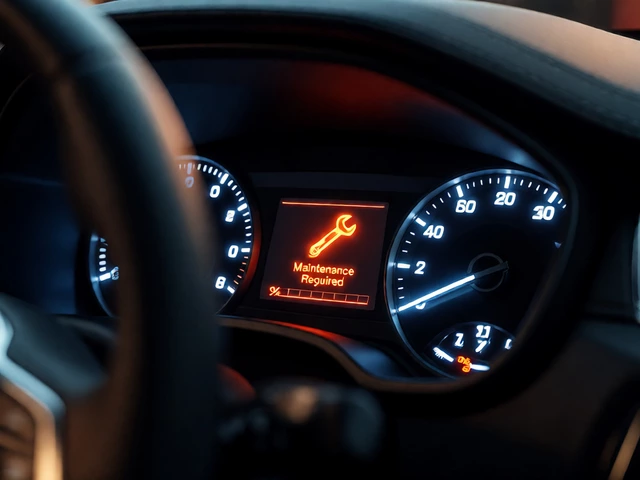
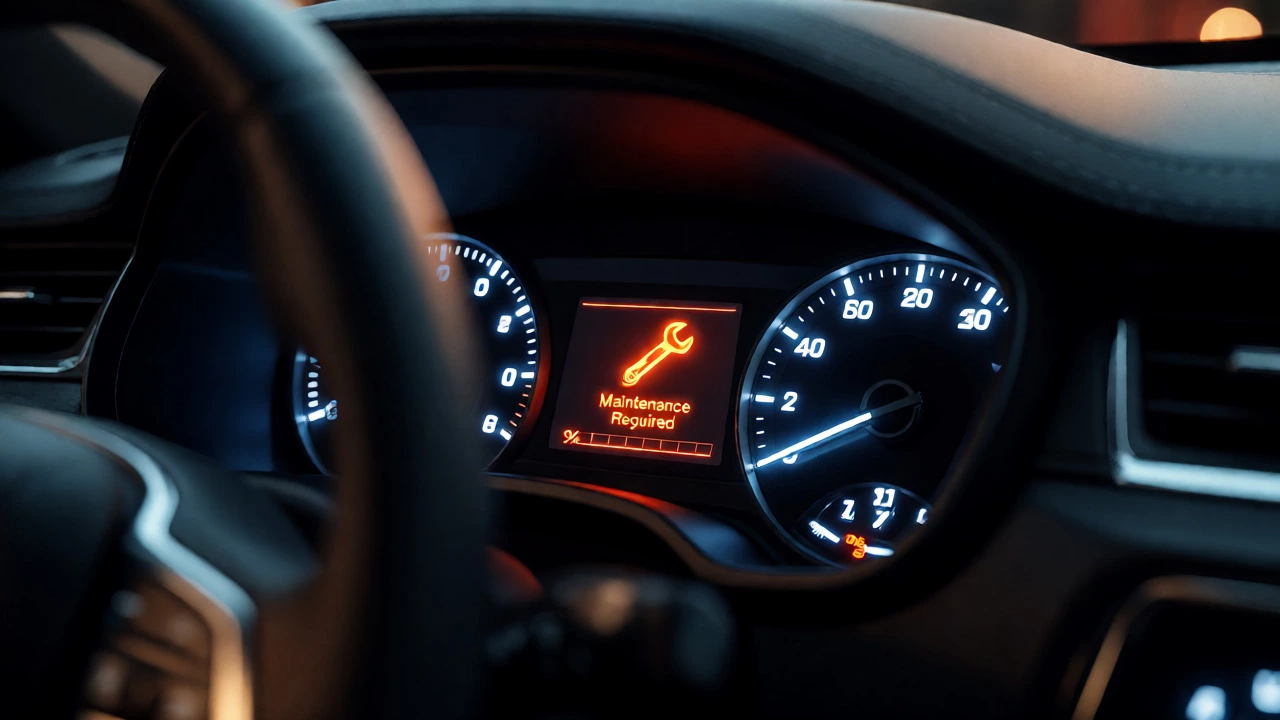
Your car’s instrument cluster is the first line of defense. If you see a warning light, don’t ignore it. But do know which one matters. The most common confusion is between the Oil Pressure Light and the Maintenance Required or Oil Life Monitor.
The Oil Pressure Light (often shaped like an old-fashioned oil can with a drip) indicates low pressure. This is serious. It means oil isn’t circulating fast enough to protect moving parts. If this light flashes while driving, stop safely and turn off the engine immediately. Continuing to drive can destroy bearings in minutes.
In contrast, the Maintenance Required light (often text-based or a wrench icon) is less urgent. It’s based on an algorithm that tracks distance driven, engine temperature cycles, and idle time. Modern vehicles from manufacturers like Honda, Toyota, and Ford use an Oil Life Monitoring System to calculate remaining oil efficacy. When this hits 15% or lower, schedule a service soon. At 5%, book it now. This system is far more accurate than arbitrary mileage rules because it accounts for severe driving conditions like frequent short trips or extreme heat.
Visual Checks: Inspecting the Oil Dipstick
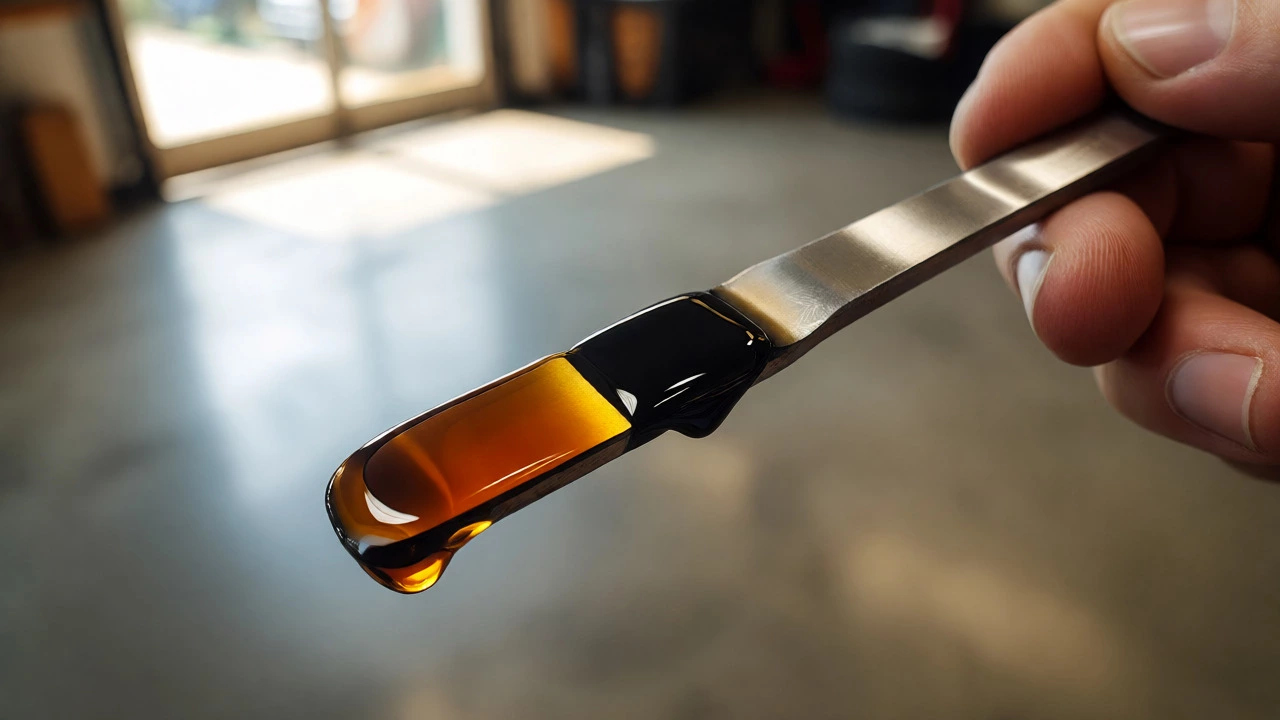
Technology is great, but nothing beats looking at the actual fluid. Checking your dipstick takes thirty seconds and gives you immediate truth. Park on level ground, let the engine cool for ten minutes (so oil settles), pull the dipstick out, wipe it clean, reinsert it fully, and pull it out again.
Look for two things: level and condition.
- Level: The oil should be between the "Min" and "Max" marks. If it’s below Min, you’re burning or leaking oil. Top it up immediately, but also investigate why it’s disappearing.
- Color and Texture: Fresh oil is translucent amber or golden brown. As it works, it turns dark brown or black. That’s normal-it’s doing its job by trapping contaminants. However, if the oil looks gritty, feels sandy between your fingers, or has a milky, frothy appearance, you have problems.
Gritty oil means particles are circulating, acting like sandpaper inside your engine. Milky oil often indicates coolant mixing with oil, possibly due to a blown head gasket. Neither is a sign to simply change the oil; they are signs to visit a mechanic urgently.
Listen to Your Engine: Auditory Clues
Engines talk. You just have to learn their language. Healthy engines hum smoothly. Unhealthy ones knock, tick, or rumble.
If your engine sounds louder than usual, especially during cold starts, the oil might be too thick or degraded to flow quickly. Older oil loses its viscosity additives, meaning it doesn’t coat parts as effectively until it warms up. A persistent ticking noise, particularly at idle, suggests hydraulic lifters aren’t getting enough lubrication. This is a classic early warning of low oil levels or poor oil quality.
A deep knocking sound is worse. It implies metal-on-metal contact where clearance has become excessive due to wear. If you hear this, stop driving. Ticking is a warning; knocking is an emergency.
Scent and Performance Changes
Your nose knows. Open the hood after a long drive. Does the oil smell burnt or acrid? Fresh oil has a mild, chemical scent. Degraded oil smells harsh, like something is cooking. This indicates thermal breakdown, where the oil’s molecular structure has broken down under high temperatures, losing its ability to reduce friction.
Performance issues also flag oil problems. Have you noticed sluggish acceleration? Does the car feel less responsive? Dirty oil increases internal drag. Engines work harder to overcome friction, reducing efficiency. In older cars, you might even notice decreased fuel economy. While many factors affect MPG, if your oil hasn’t been changed in over 7,500 miles or six months, it’s a prime suspect.
Mileage vs. Time: Which Rule Applies?
This is the most debated topic in car care. Should you go by miles or months? The answer is both. Oil degrades over time due to oxidation, even if the car sits unused. Moisture accumulates, acids form, and additives break down.
Here is a practical guide based on current standards:
| Driving Condition | Conventional Oil Interval | Synthetic Oil Interval | Time Limit |
|---|---|---|---|
| Normal Commuting (Highway) | 5,000 - 7,500 miles | 7,500 - 10,000 miles | Every 6-12 months |
| Severe (City Traffic, Short Trips) | 3,000 - 5,000 miles | 5,000 - 7,500 miles | Every 6 months |
| Towing or Heavy Loads | 3,000 miles | 4,000 - 5,000 miles | Every 6 months |
If you drive only 2,000 miles a year, you still need an annual oil change. Sludge forms regardless of mileage. Conversely, if you drive 15,000 miles a year on synthetic oil, you might stretch intervals, but always check the owner’s manual. Manufacturers design engines with specific tolerances; some newer turbocharged engines require stricter adherence to intervals than older naturally aspirated ones.
The Cost of Waiting Too Long
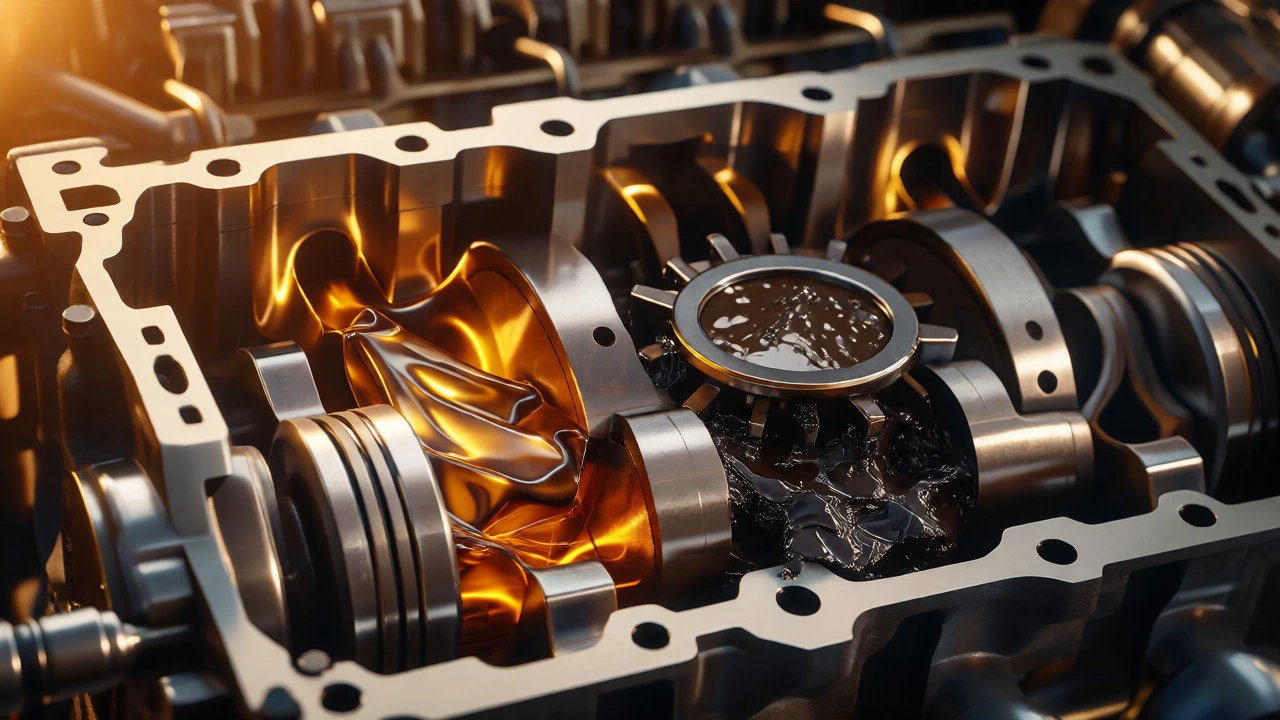
Procrastination is expensive. An oil change costs roughly £40-£80 depending on vehicle type and location in the UK. Skipping services leads to sludge-a thick, tar-like deposit that blocks oil passages. Once sludge blocks the pickup screen in the oil pan, oil pressure drops, starving critical components.
Replacing an engine costs £2,000-£5,000+. Replacing a turbocharger, which relies entirely on oil for cooling and lubrication, can cost £1,000+. Regular changes are cheap insurance. Furthermore, fresh oil keeps emissions systems cleaner. Clogged catalytic converters caused by oil blow-by or degradation can add another £500-£1,000 to repair bills.
Final Checklist Before You Drive
Before heading to the garage, run through this quick self-diagnosis:
- Check the dashboard for any illuminated warnings.
- Inspect the dipstick for level and color.
- Listen for unusual ticking or knocking noises.
- Smell for burnt odors under the hood.
- Review your last service date and mileage.
If any of these raise red flags, book an appointment. Don’t wait for the next scheduled slot if symptoms are active. Your engine will thank you with smoother performance and longer life.
Can I drive with the oil change light on?
Yes, usually. If the light says "Maintenance Required" or shows an oil life percentage dropping, you have a buffer. Most systems alert you when there is still 10-15% oil life left. You can typically drive several hundred miles. However, if the oil pressure light (red oil can) comes on, stop immediately.
Is black oil bad?
Not necessarily. Diesel engines produce soot that turns oil black almost instantly. Gasoline engines darken oil as it traps dirt and combustion byproducts. Dark brown or black oil is often working correctly. Only worry if it feels gritty, smells burnt, or looks milky.
Do I really need synthetic oil?
For most modern cars, yes. Synthetic oil handles higher temperatures better, resists sludge formation, and flows easier in cold starts. It allows for longer change intervals. Many manufacturers now require full synthetic or synthetic blends for warranty compliance.
What happens if I skip an oil change?
Short term, you get reduced efficiency and louder operation. Long term, oil breaks down into sludge, clogging oil galleries. This starves camshafts, crankshafts, and bearings of lubrication, leading to overheating and potential engine seizure. Repair costs skyrocket compared to the price of routine maintenance.
How often should I check my oil level?
Monthly is a good habit. Check it when the engine is warm but has rested for 5-10 minutes. This ensures accuracy. If you notice consistent drops between checks, you may have a leak or be burning oil, which requires professional inspection.