Spark Plug Failure Risk Assessor
Select any issues your vehicle is currently experiencing:
-
Engine Misfires
Jerking or stumbling while accelerating -
Rough Idle
Vibrations at red lights or bouncing RPM gauge -
Poor Fuel Economy
Filling up more often without driving further -
Difficulty Starting
Long crank times, especially in cold weather -
Check Engine Light
Specifically P0300-P0308 codes
Select factors that apply to your vehicle's history:
-
Thermal Shock Exposure
Washing hot engine with cold water/driving through puddles -
High Vibration Usage
Rough terrain, loose mounts, or heavy loads -
Aftermarket Parts Used
Cheap non-OEM replacement plugs installed previously -
Neglected Maintenance
Plugs not replaced within manufacturer interval
Risk Assessment Result
Your car feels sluggish. It hesitates when you press the gas pedal. You might blame bad fuel or a tired driver, but the culprit could be sitting quietly in your engine bay. A cracked spark plug is one of those silent killers that ruins performance until it’s too late. Unlike a blown tire, which you see immediately, a damaged spark plug is a critical ignition component that ignites the air-fuel mixture in your engine's combustion chamber can cause cascading failures if ignored.
Knowing how to spot these cracks early saves you from expensive repairs down the line. It also keeps your engine running smoothly and efficiently. In this guide, we’ll walk through exactly what to look for, why cracks happen, and how to fix them before they turn into major headaches.
The Telltale Signs of a Cracked Spark Plug
You don’t need a degree in engineering to notice something is wrong. Your car talks to you; you just have to listen. When a spark plug develops a crack-usually in the white ceramic insulator-the electrical current leaks out instead of jumping across the electrode gap. This creates a series of symptoms that are hard to miss once you know what they mean.
- Engine Misfires: The most common sign. You feel a slight jerk or stumble while accelerating. The engine seems to skip beats, especially under load.
- Rough Idle: When stopped at a red light, the car vibrates more than usual. The RPM gauge might bounce around unpredictably.
- Poor Fuel Economy: You’re filling up more often without driving further. Unburned fuel exits through the exhaust because the spark wasn’t strong enough to ignite it properly.
- Difficulty Starting: Cold mornings become frustrating. The engine cranks longer than normal before catching.
- Check Engine Light: Modern cars throw specific trouble codes like P0300 (random misfire) or P0301-P0308 (cylinder-specific misfires).
If you experience two or more of these issues simultaneously, suspect the ignition system first. While other components like coils or wires can cause similar problems, a cracked plug is often the root cause.
Why Do Spark Plugs Crack?
Understanding the cause helps prevent future damage. Ceramic insulators aren’t indestructible. They withstand extreme heat and pressure, but certain conditions push them past their limits.
Thermal Shock is the number one enemy. Imagine pouring boiling water into a cold glass-it shatters instantly. Similarly, if you wash a hot engine with cold water or drive through deep puddles right after a long highway run, the sudden temperature change stresses the ceramic. Micro-cracks form over time, eventually breaking the seal.
Vibration and Impact also play a role. Poorly installed plugs, loose mounting bolts, or driving on rough terrain constantly shake the engine. Over years, this vibration fatigues the material. Additionally, using the wrong torque wrench during installation can overtighten the plug, creating internal stress points within the ceramic body.
Manufacturing Defects exist too, though they’re rare. Cheap aftermarket parts sometimes use lower-grade ceramics that degrade faster under high-performance conditions. Always stick to reputable brands like NGK, Denso, or Bosch for reliability.
How to Inspect Your Spark Plugs Yourself
You don’t always need a mechanic. With basic tools and ten minutes, you can check your own plugs. Here’s how to do it safely and effectively.
- Gather Tools: You’ll need a socket set (usually 5/8" or 16mm), an extension bar, a ratchet, and a flashlight. Wear gloves to protect your hands from sharp edges and oil.
- Locate the Plugs: Open the hood and find the ignition coils or distributor cap. Remove any plastic covers or wiring harnesses blocking access. Refer to your owner’s manual for exact locations.
- Clean the Area: Use compressed air or a brush to remove dirt around the plug wells. Debris falling into the cylinder can cause serious engine damage.
- Remove One Plug at a Time: Label each coil wire or connector so you remember which cylinder it belongs to. Loosen the plug gently, then unscrew it completely.
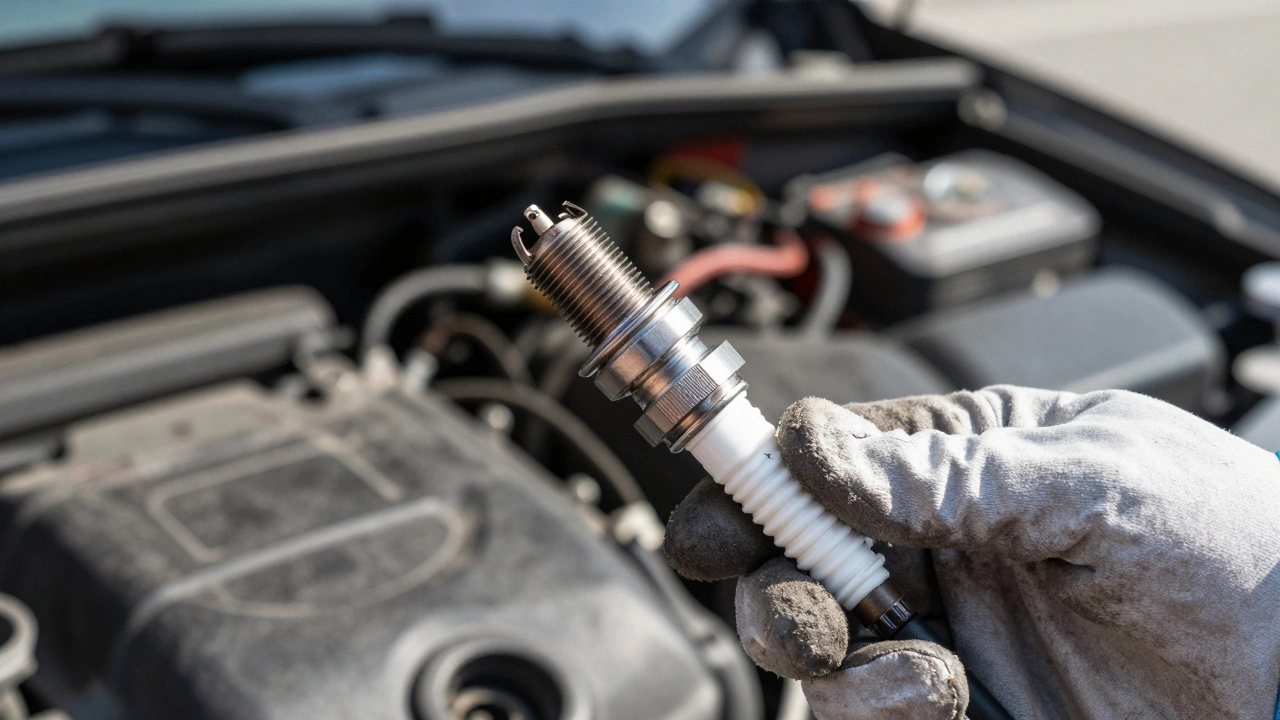
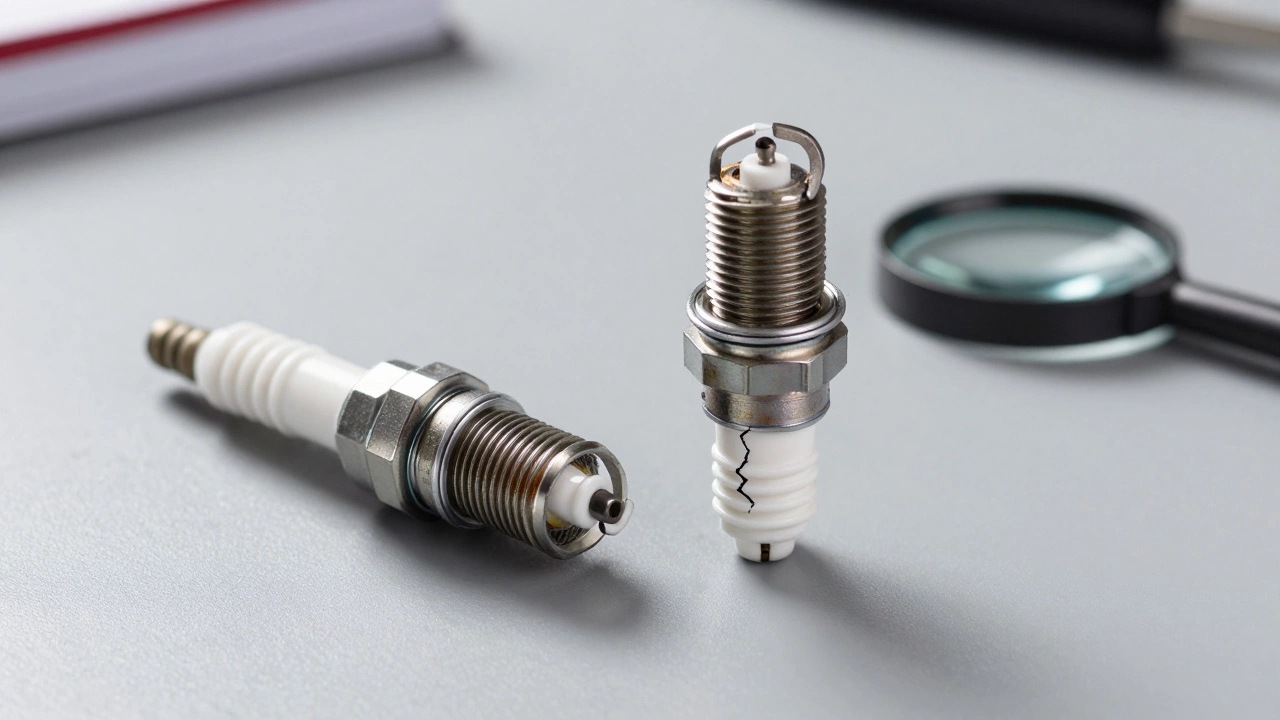
- Examine Visually: Hold the plug up to the light. Look closely at the white ceramic section. Run your finger lightly along its surface-if you feel bumps or ridges, there’s likely a hairline crack.
- Check the Electrodes: The center electrode should be intact and centered. The ground electrode shouldn’t be bent excessively. Gaps wider than manufacturer specs indicate wear, not necessarily cracking, but both need attention.
A magnifying glass helps here. Hairline fractures are nearly invisible to the naked eye. If you spot even a tiny fissure, replace that plug immediately. Don’t gamble with partial functionality.
| Component | What to Look For | Action Required |
|---|---|---|
| Ceramic Insulator | Hairline cracks, chips, discoloration | Replace immediately |
| Center Electrode | Erosion, melting, missing tip | Replace if worn beyond spec |
| Ground Electrode | Bending, carbon buildup | Clean minor deposits; replace if bent |
| Thread Area | Stripping, corrosion, cross-threading | Consult mechanic if threads are damaged |
| Hex Base | Round-off, cracks near base | Replace; risk of breakage during removal |
Can You Repair a Cracked Spark Plug?
No. Absolutely not. There’s no glue, epoxy, or sealant that can restore the structural integrity of a fractured ceramic insulator. Attempting repairs leads to worse outcomes: short circuits, oil contamination, or complete failure inside the cylinder.
Some people suggest wrapping the crack with electrical tape or silicone. This is dangerous nonsense. High-voltage electricity arcs around weak points, bypassing the intended path. Instead of firing correctly, the energy jumps elsewhere, potentially damaging nearby coils or sensors. Replace the entire unit. It costs less than £10 per plug and takes five minutes.
Replacing Cracked Spark Plugs: Step-by-Step Guide
Once you’ve identified the problem, fixing it is straightforward. Follow these steps carefully to avoid new issues.
- Buy Correct Replacements: Match the original equipment specifications. Check heat range, thread size, reach length, and gap width. Using incorrect types causes pre-ignition or fouling.
- Prepare New Plugs: Pre-gap them if necessary. Most modern plugs come pre-gapped, but verify with a feeler gauge. Adjust only if outside tolerance.
- Install Carefully: Thread the new plug by hand first to prevent cross-threading. Once snug, tighten with a torque wrench to manufacturer specs (typically 10-20 ft-lbs). Overtightening strips threads; undertightening allows leaks.
- Reconnect Everything: Attach coil packs or wires securely. Ensure boots click into place. Double-check all connections.
- Test Drive: Start the engine and listen for smooth operation. Take it for a short drive to confirm improved acceleration and idle stability.
Dispose of old plugs responsibly. Many auto shops accept them for recycling due to precious metal content in electrodes.

Preventing Future Cracks
Proactive maintenance extends lifespan significantly. Adopt these habits to keep your ignition system healthy.
- Avoid Thermal Shock: Let the engine cool naturally before washing. Never spray cold water directly onto hot components.
- Use Quality Parts: Invest in OEM-equivalent plugs from trusted manufacturers. Cheap alternatives save pennies but cost pounds in downtime.
- Follow Service Intervals: Replace plugs every 30,000-100,000 miles depending on type. Iridium and platinum last longer than copper, but still degrade over time.
- Address Vibrations Early: Fix loose mounts, worn bushings, or unbalanced wheels promptly. Excessive shaking accelerates wear.
- Monitor Engine Health: Keep oil levels optimal and address knocking sounds quickly. Abnormal combustion increases stress on ignition components.
When to See a Professional
While DIY checks work well for obvious cases, some situations require expert help. Call a mechanic if:
- You suspect multiple cylinders are affected.
- The check engine light flashes continuously (indicates severe misfire risking catalytic converter damage).
- Plugs won’t come out easily (risk of breaking off inside the head).
- You lack proper tools or confidence performing the task.
Professionals have diagnostic scanners that pinpoint exact fault codes and measure compression ratios accurately. They can also inspect related systems like ignition coils and fuel injectors simultaneously.
How much does it cost to replace cracked spark plugs?
Parts alone range from £5 to £20 per plug depending on brand and material. Labor adds another £50-£150 if done professionally. Total job typically runs between £70 and £200 including taxes and disposal fees.
Can a cracked spark plug damage my engine?
Yes. Unburned fuel entering the exhaust harms the catalytic converter. Persistent misfires reduce power output and increase emissions. Worst case, broken fragments fall into cylinders causing piston or valve damage requiring major overhaul.
Do hybrid vehicles need special spark plugs?
Most hybrids use standard gasoline engines alongside electric motors, so regular plugs apply. However, frequent stop-start cycles may accelerate wear. Choose iridium-tipped designs rated for extended life intervals.
Is it safe to drive with a suspected cracked plug?
Short distances to repair shops are acceptable. Avoid highway speeds or heavy loads. Prolonged driving risks worsening misfires, contaminating oxygen sensors, and overheating the exhaust system.
How often should I inspect spark plugs visually?
Every 10,000-15,000 miles or during routine oil changes. Visual checks take minimal time and catch early signs of deterioration before full failure occurs. Document findings for trend analysis.