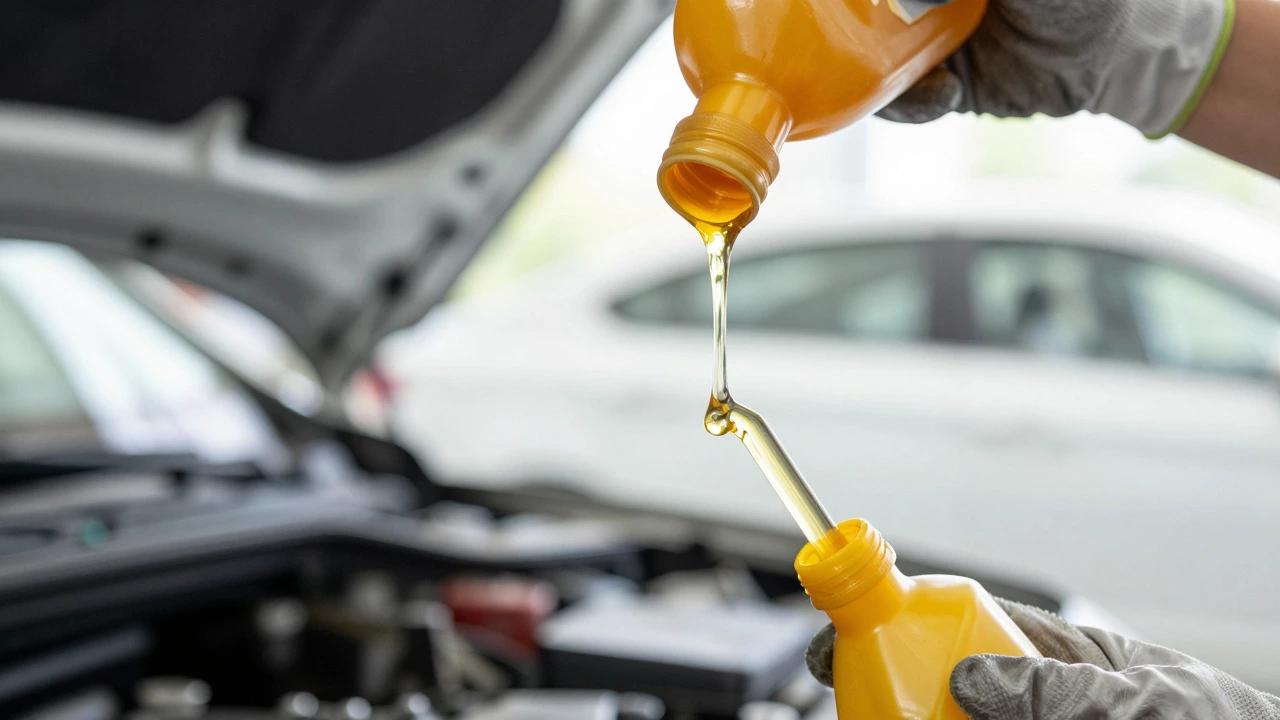
Engine Oil Condition Analyzer
Follow these steps to properly assess your engine oil condition. Select the option that best matches your observations.
There is nothing quite as unsettling as seeing a dark puddle under your car or noticing the oil warning light flicker on your dashboard. You might be asking yourself, "Is my engine oil still good?" It is a question every driver faces, especially when you are trying to squeeze out a few more miles between scheduled services. The answer isn't always black and white-literally. While fresh oil is typically amber and translucent, used oil turns dark quickly due to detergents doing their job. However, there are specific signs that indicate your engine oil has crossed the line from "used but functional" to "dangerous sludge."
Ignoring bad oil can lead to catastrophic engine failure. Metal-on-metal contact happens fast when lubrication breaks down. This guide will walk you through the exact steps to check your oil's condition, what to look for beyond just color, and how to decide if it is time to head to the garage.
The Dipstick Method: More Than Just a Level Check
The most reliable way to assess your oil is by using the dipstick. Most drivers pull it out, wipe it, reinsert it, and check the level. That is step one. Step two is analyzing the quality of the fluid itself. Here is how to do it properly:
- Warm up the engine: Run your car for about five minutes. This allows any suspended contaminants to settle and gives you a true reading of the oil's viscosity at operating temperature.
- Pull the dipstick: Remove the dipstick and wipe it clean with a lint-free cloth or paper towel. Reinsert it fully, then pull it out again.
- Check the color: Hold the dipstick up to a light source. Fresh oil looks like apple juice or honey. Used oil should be a translucent brown. If it looks like black motor oil from a coffee shop, that is not necessarily an immediate fail, but it requires closer inspection.
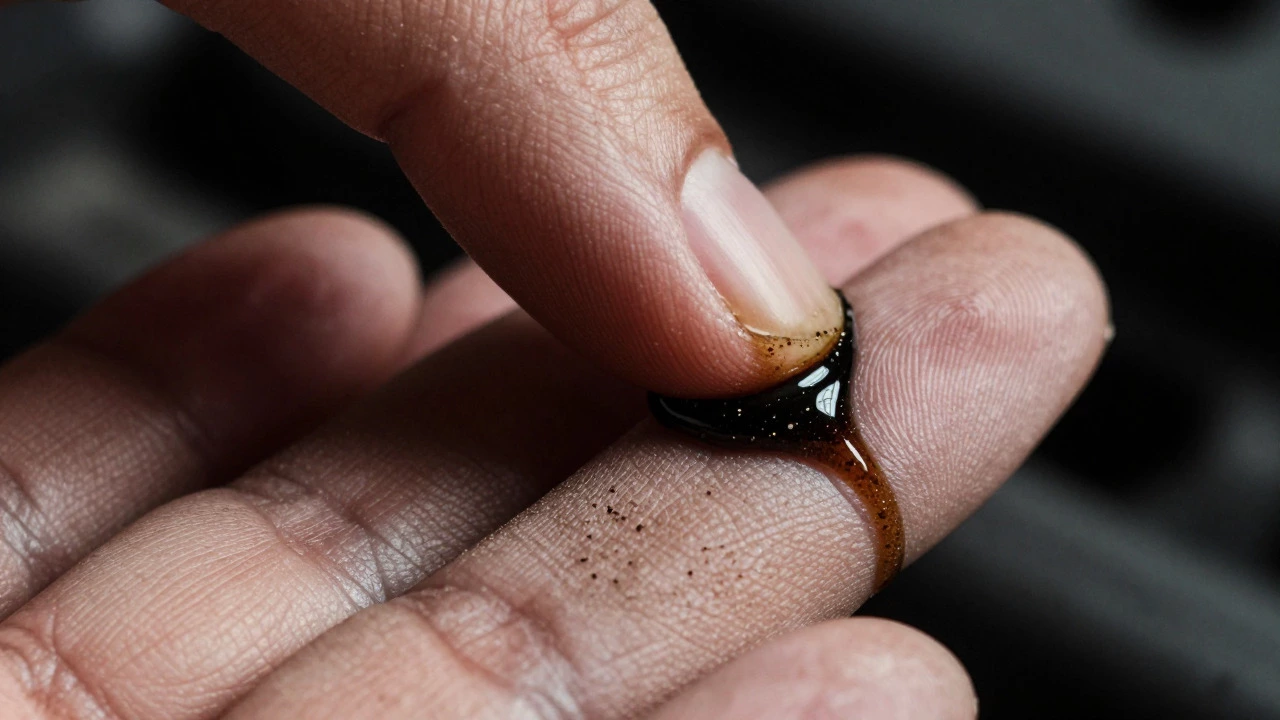
- Rub it between your fingers: Take a small amount of oil from the dipstick and rub it between your thumb and forefinger. Does it feel smooth and slippery? Or does it feel gritty, sandy, or thick?
If the oil feels gritty, you have metal shavings or carbon particles circulating in your engine. This is a red flag. If it feels thick and sludgy, your oil has likely broken down chemically, losing its ability to flow and protect moving parts.
Decoding Oil Color: What Does Dark Oil Really Mean?
Many people believe that dark oil means it needs changing immediately. This is a common misconception. Modern engine oils contain high-performance detergents designed to suspend soot and contaminants. As these detergents work, they pull dirt away from engine walls and hold it in suspension within the oil. This process naturally darkens the oil, often within the first few hundred miles of use.
| Color/Appearance | Condition | Action Required |
|---|---|---|
| Amber/Golden & Clear | Fresh/New | None. Ideal condition. |
| Light Brown & Translucent | Normal Used Oil | Monitor. Likely fine for remaining service interval. |
| Dark Brown/Black & Opaque | Heavily Contaminated or Old | Inspect further (smell/texture). Change soon if near mileage limit. |
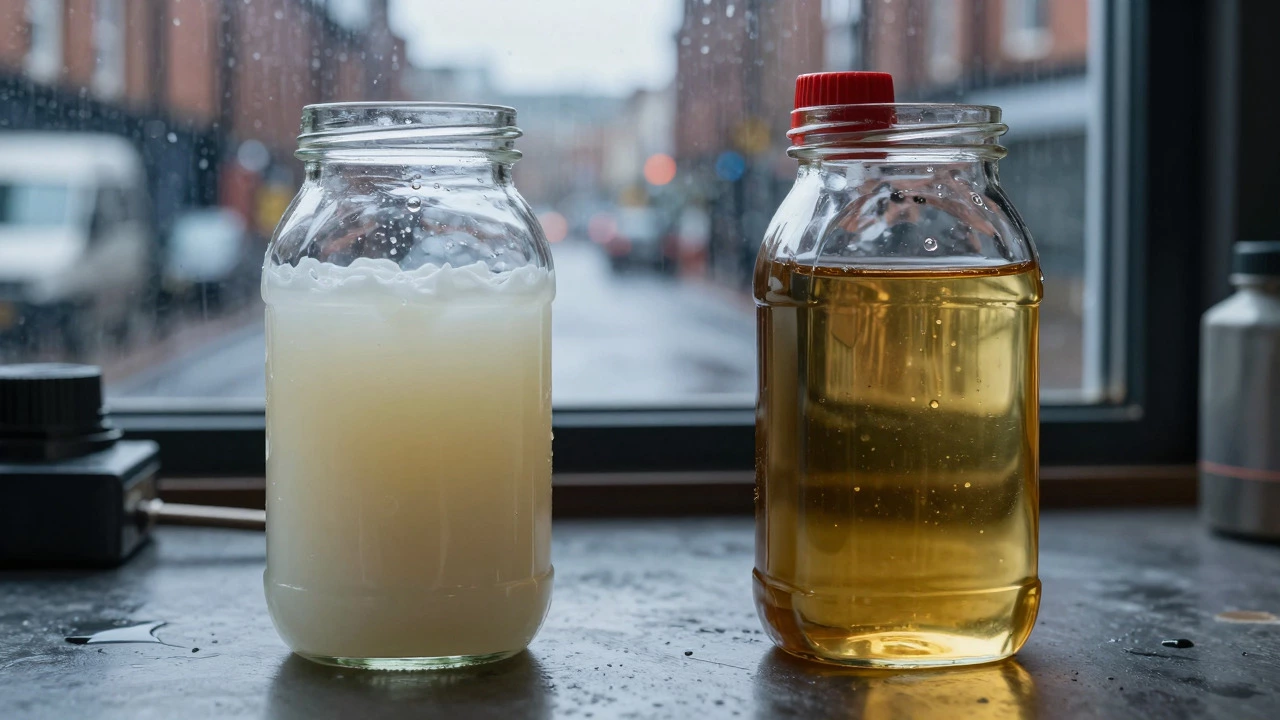
| Milky White/Creamy | Coolant Contamination | Stop Driving Immediately. Head gasket failure likely. |
| Bubbles/Foam | Air Mixing/Overfilling | Check oil level. Overfilled oil causes foaming and loss of pressure. |
The key distinction is transparency. Even if the oil is dark, it should still allow some light to pass through if you hold it up to the sun. If it is pitch black and opaque, the detergent capacity is exhausted. The oil can no longer hold contaminants in suspension, meaning those particles are starting to settle into sludge in your oil pan and galleries.
The Smell Test: Detecting Chemical Breakdown
Your nose is a surprisingly effective diagnostic tool. Sniff the oil on the dipstick. Fresh oil has a slight petroleum scent, almost like kerosene. Used oil smells stronger, but it should not smell burnt.
If you detect a distinct burnt odor, similar to burning hair or toast, your oil is experiencing thermal breakdown. This happens when the oil temperature exceeds its flash point or when the additive package degrades due to heat. Burnt oil loses viscosity rapidly. It becomes too thin to maintain the protective film between piston rings and cylinder walls. This leads to increased wear and potential engine knock.
Another dangerous smell is gasoline. If your oil smells strongly of fuel, you likely have raw fuel washing down the cylinder walls and diluting the oil. This is common in direct-injection engines during short trips where the engine never reaches full operating temperature. Fuel-diluted oil loses lubricity instantly. If you smell gas, check your fuel trim codes and consider changing the oil sooner than planned.
Understanding Oil Life Monitors vs. Reality
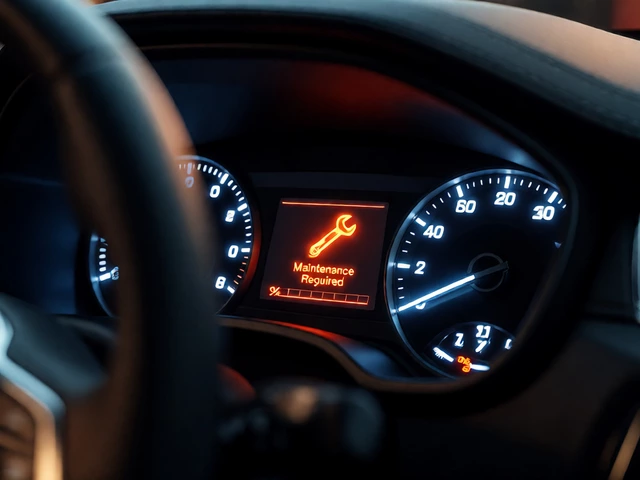
Most modern vehicles come with an Oil Life Monitor (OLM) system. These computers calculate remaining oil life based on driving cycles, engine temperature, cold starts, and mileage. While generally accurate, they are not infallible. They assume you are using the correct grade of oil and that the oil filter is functioning correctly.
If you drive in severe conditions-such as extreme cold, heavy stop-and-go traffic, towing, or dusty environments-the oil degrades faster than the algorithm predicts. In Manchester, our frequent wet weather and urban congestion can contribute to moisture accumulation and shorter trip distances. If your OLM says you have 20% left, but your oil smells burnt or feels gritty, trust your senses over the computer. The monitor estimates chemical breakdown; it cannot detect physical contamination like coolant leaks or excessive metal wear.
Signs of Sludge and Physical Contaminants
Sludge is the enemy of internal combustion engines. It forms when oil oxidizes and reacts with air, creating varnish and gum-like deposits. This usually happens when oil changes are neglected for long periods, particularly with conventional mineral oils.
To check for sludge, look under the hood. Pop the oil filler cap. The underside should be relatively clean, perhaps with a thin film of dark oil. If you see thick, black, tar-like buildup caked onto the cap or the valve cover, your engine is suffering from sludge accumulation. This restricts oil flow to critical components like camshafts and lifters.
Another sign is the presence of metal flakes. While microscopic metal wear is normal, visible silver or copper-colored flakes on the dipstick indicate bearing or gear wear. If you see this, do not just change the oil. Have a mechanic inspect the engine internals before adding new oil, as the damage may already be done.
When to Change Oil: Mileage vs. Time
Manufacturers often recommend intervals of 10,000 to 15,000 miles for synthetic oil. However, time matters just as much as distance. Oil absorbs moisture from the air every time you start the engine. Condensation builds up, especially if you only take short drives. Water in oil creates emulsions and promotes rust inside the engine block.
As a rule of thumb, change your oil at least once a year, even if you haven't hit the mileage limit. For older cars or those driven in harsh conditions, six months is a safer bet. Using high-quality synthetic oil extends the drain interval because it resists oxidation and thermal breakdown better than conventional oil. Brands like Mobil 1 or Castrol Edge are formulated to handle higher stress levels, but they still need regular replacement.
Pro Tips for Extending Oil Life
You can help keep your oil in good condition longer by following these practices:
- Warm up gently: Avoid revving the engine hard when it is cold. Cold oil is thicker and takes longer to circulate. Gentle acceleration helps warm the oil evenly without stressing bearings.
- Use the right viscosity: Stick to the manufacturer's recommended grade (e.g., 5W-30 or 0W-20). Thinner oils may not protect adequately in hot weather, while thicker oils struggle to flow in cold Manchester mornings.
- Replace the filter: Always change the oil filter with the oil. A clogged filter bypasses dirty oil back into the engine, rendering the fresh oil useless. High-quality filters from brands like Mann or Bosch trap finer particles.
- Check for leaks: Low oil levels cause overheating and accelerated breakdown. Top up with the same type of oil if you are between changes, but investigate the source of the leak.
Conclusion: Trust Your Senses
Telling if your engine oil is still good comes down to a combination of visual inspection, texture analysis, and smell. Don't rely solely on the mileage counter or the dashboard light. If the oil is milky, smells burnt, feels gritty, or looks like thick sludge, it is time for a change. Regular checks cost nothing and can save you thousands in repair bills. Keep your engine healthy by treating oil as the lifeblood of your vehicle-not just a maintenance chore.
How often should I check my engine oil?
It is best to check your oil level and condition once a month. For older vehicles or those prone to burning oil, check every two weeks. Always check when the engine is cool or after it has been off for a few minutes to ensure all oil has drained back into the sump.
Can I add new oil to old oil instead of changing it?
Yes, you can top up with the same grade of oil if you are between scheduled changes. However, topping up does not remove contaminants, sludge, or degraded additives. It is a temporary fix. Eventually, you must perform a full oil change to restore proper lubrication and cleaning properties.
What does milky oil mean?
Milky or creamy white oil indicates coolant mixing with the oil. This is usually caused by a blown head gasket, a cracked engine block, or a failed oil cooler. Stop driving immediately and tow the car to a mechanic, as continued operation can destroy the engine.
Does synthetic oil last longer than conventional oil?
Yes, synthetic oil is engineered to resist breakdown under high heat and stress. It typically lasts 7,500 to 10,000 miles or more, compared to 3,000 to 5,000 miles for conventional oil. It also flows better in cold temperatures, providing faster protection at startup.
Why does my oil smell like gasoline?
A gasoline smell suggests fuel dilution. This happens when unburned fuel washes past the piston rings into the crankcase. Common causes include short trips, faulty injectors, or rich fuel mixtures. Fuel dilutes the oil's lubricating properties, leading to increased wear. Address the root cause and change the oil promptly.