Brake Pad Health Diagnostic Tool
Enter your current symptoms below to get an instant assessment of your brake pad health and recommended next steps.
Symptom Checklist
Awaiting Input
Fill out the checklist on the left and click "Analyze Brakes" to receive a diagnostic report.
You’re driving down the M60, approaching a roundabout, and you press the pedal. Instead of that firm, reassuring stop, you hear a grinding metal-on-metal shriek. Or maybe the car pulls slightly to the left when you brake. It’s a common panic moment for drivers: is this just road noise, or are your brake pads friction components that wear down over time, requiring replacement to maintain safe stopping power completely shot?
Ignoring these signs can turn a £50 part into a £300 repair bill if you damage the rotors too. But how do you know for sure? You don’t need to be a mechanic to spot the red flags. By understanding the sounds, sensations, and visual cues your car gives you, you can catch brake issues early. Here’s exactly how to tell if your brake pads are bad before they fail you.
Listen for Specific Noises
Your ears are often the first warning system. Modern cars are engineered with audible wear indicators, but not all noises mean the same thing. Distinguishing between normal operation and failure saves you from unnecessary garage visits.
- Squealing or Squeaking: This high-pitched sound usually means the wear indicator-a small metal tab attached to the pad-is touching the rotor. It’s designed to vibrate at high frequencies when the pad material gets thin (typically below 3mm). If you hear this consistently while braking, it’s a polite reminder to schedule a replacement soon.
- Grinding: This is serious. A deep, harsh grinding noise indicates the friction material is gone, and the metal backing plate is scraping directly against the brake rotor. This damages both parts rapidly. Stop driving as much as possible and get it checked immediately.
- Clicking: A loose clicking sound might suggest the anti-rattle clips are broken or the caliper pins are worn, allowing the pads to move excessively. While not always an immediate safety hazard like grinding, it signals poor fitment or wear.
If you only hear squealing on cold mornings after rain, it’s likely surface rust burning off. That’s normal. But if the noise persists once the brakes warm up, pay attention.
Feel the Pedal Response
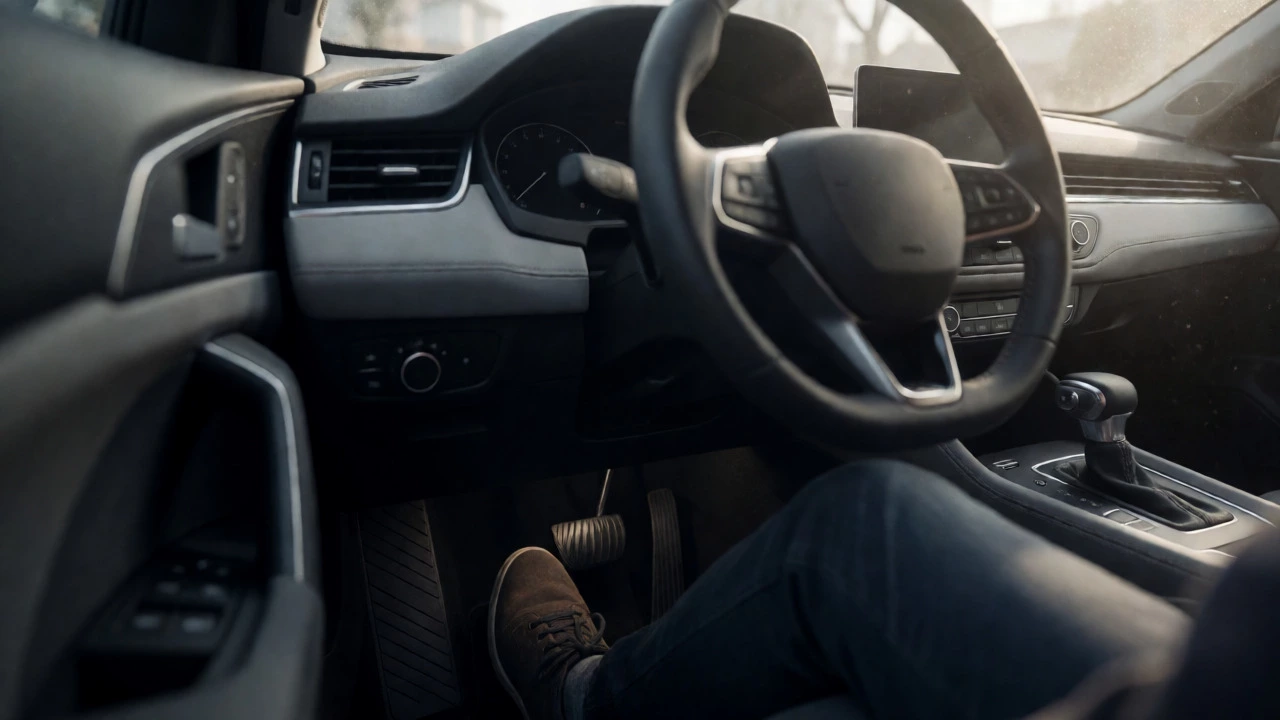
Your foot knows more than your eyes sometimes. Changes in pedal feel are critical indicators of brake health. Pay attention to how the pedal reacts during normal stops.
A spongy or soft pedal often points to air in the hydraulic lines or low brake fluid, but it can also relate to glazed pads. Glazing happens when pads overheat, causing the surface to harden and lose friction efficiency. You’ll notice you have to press harder to stop, and the pedal feels mushy rather than firm.
Conversely, a vibrating or pulsating pedal under light braking usually indicates warped rotors, often caused by dragging brakes due to stuck calipers. However, severely unevenly worn pads can contribute to this vibration. If the steering wheel shakes specifically when you brake, check the front brake assembly first.
| Pedal Feeling | Likely Cause | Urgency |
|---|---|---|
| Firm & Consistent | Healthy Brakes | None |
| Soft / Spongy | Air in lines, Low Fluid, Glazed Pads | Moderate |
| Hard to Press | Vacuum Leak, Booster Failure | High |
| Pulsating / Vibrating | Warped Rotors, Uneven Pad Wear | Moderate to High |
Check Visual Indicators
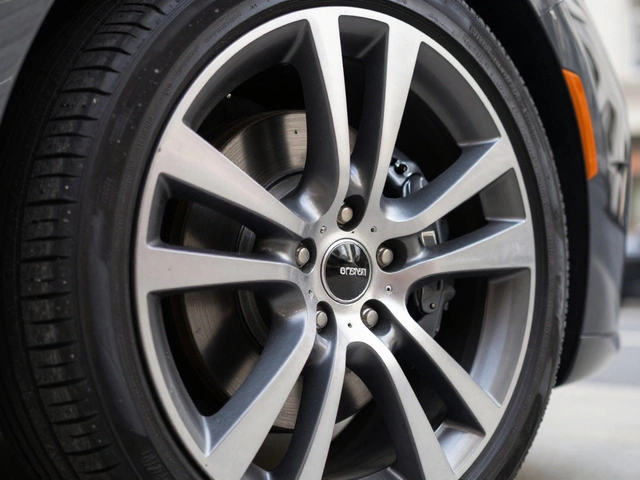
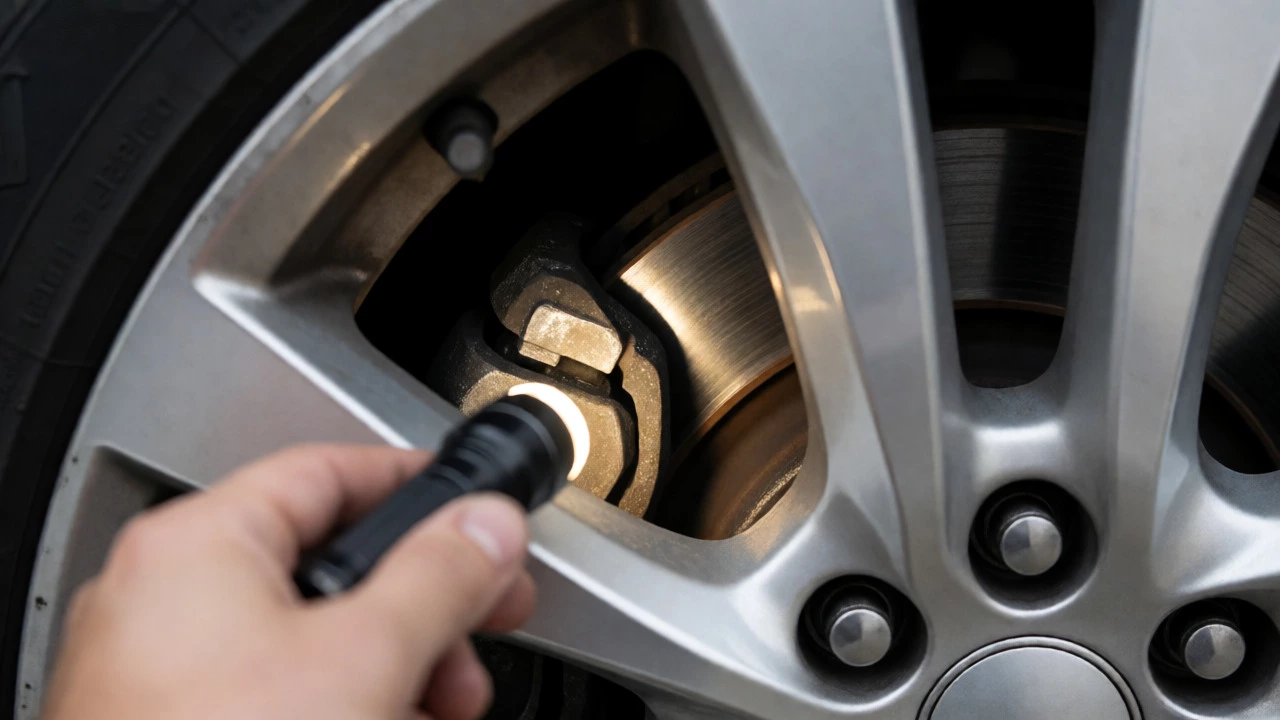
Most modern alloy wheels allow you to see through the spokes. Take a flashlight and look at the brake assembly. You’re looking for two main things: thickness and debris.
New brake pads typically measure about 10-12mm thick. When the friction material wears down to less than 3mm, replacement is recommended. Anything below 2mm is dangerous. You don’t need calipers; compare the visible layer of material against the metal backing plate. If the material looks thinner than the coin edge, you’re close to the end.
Also, look for excessive dust. Some brake dust is normal, especially with performance pads. But if one wheel has significantly more black residue than the others, it could indicate a sticking caliper keeping constant pressure on that pad, causing premature wear.
Monitor Warning Lights and Sensors
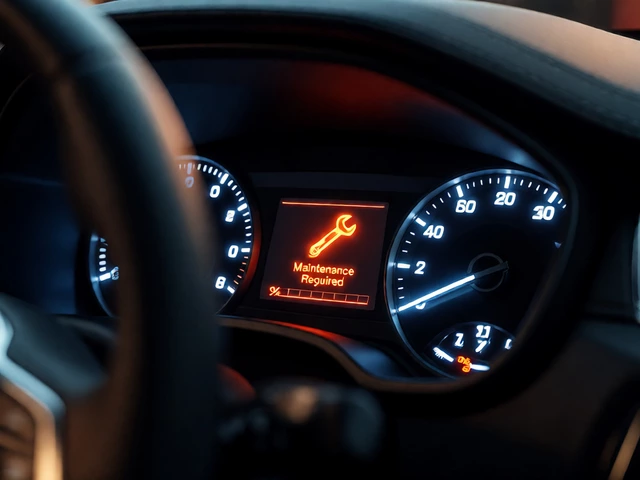
Many vehicles manufactured after 2010 come equipped with electronic wear sensors. These are embedded in the pad material. When the pad wears down to a specific level, the circuit breaks, triggering a dashboard warning light.
This light often looks like a circle with parentheses around it-(O)-or simply says "BRAKE." Don’t confuse this with the parking brake light. If this light comes on, your sensor has physically confirmed the pads are at their minimum service limit. Unlike auditory warnings, which can be subjective, this is a binary signal: replace them now.
Note that some luxury brands reset these sensors automatically, while others require manual resetting via diagnostic tools. Always verify visually even if the light goes off after a reset, as false positives can occur if the sensor wire was damaged previously.
Understand Pulling and Steering Issues
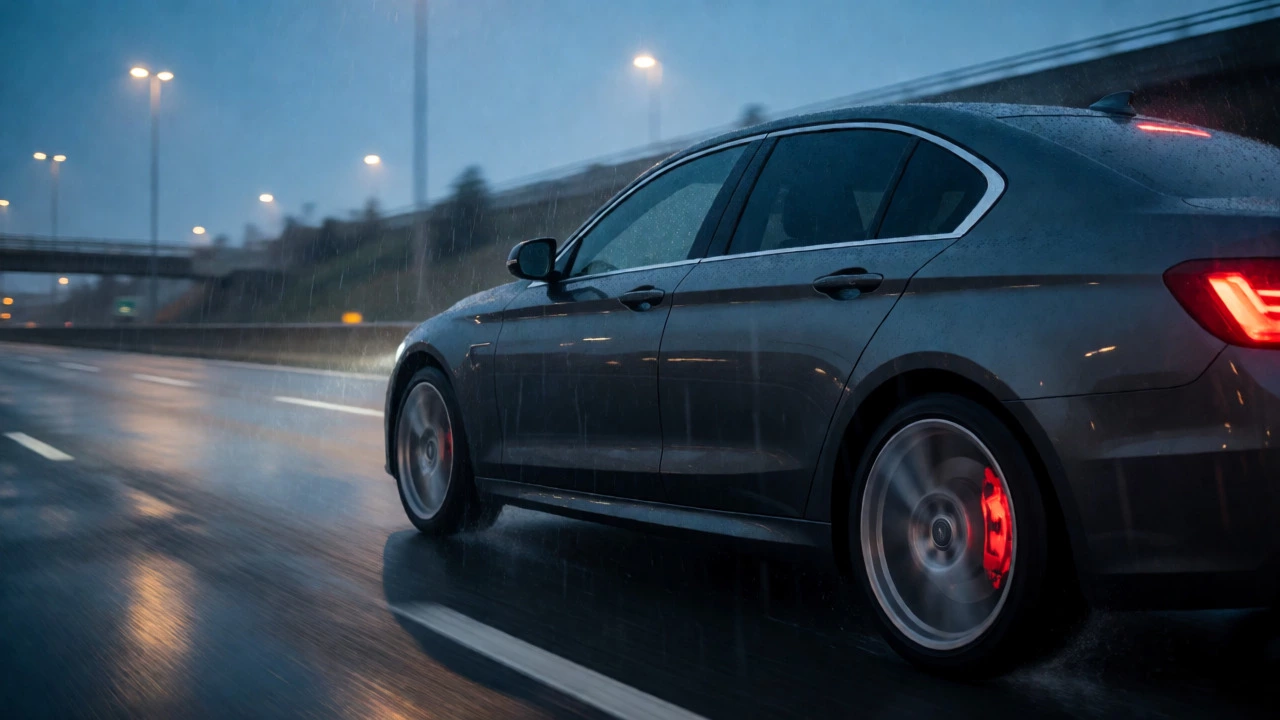
When you apply the brakes, the car should stay straight. If it pulls to one side, the braking force isn’t equal across the axle. This is rarely just a pad issue-it’s often a combination of factors involving the caliper.
A seized caliper piston can keep one pad pressed against the rotor constantly, overheating it and reducing its effectiveness compared to the free-moving side. Alternatively, contaminated brake fluid or a collapsed hose on one side can restrict flow, causing uneven pressure. While new pads won’t fix a stuck caliper, replacing pads on a vehicle with pulling issues without addressing the root cause will result in rapid, uneven wear of the new parts.
The Cost of Ignoring Worn Pads
Procrastination is expensive here. Replacing brake pads alone is a routine maintenance job. In the UK, parts might cost £40-£80 per axle, plus labour. But if you drive until you hear grinding, you’ve likely scored the rotors. Resurfacing rotors is often impossible with severe scoring; they must be replaced. Rotor costs can double or triple the bill. Furthermore, damaged rotors compromise cooling, leading to faster pad fade and reduced safety margins in emergency stops.
Regular checks every 10,000 miles or during oil changes can prevent this cascade of failures. Keep a log of when you last changed them. Average lifespan varies wildly based on driving style-city stop-and-go traffic kills pads faster than highway cruising.
How long do brake pads usually last?
There is no single number, but most drivers can expect 30,000 to 70,000 miles. City driving with frequent stops wears them out faster than highway driving. Aggressive braking habits significantly shorten this lifespan.
Can I drive with bad brake pads?
If you hear squealing, yes, briefly to get to a shop. If you hear grinding, avoid driving unless necessary. Metal-on-metal contact generates extreme heat and destroys the rotors, turning a cheap repair into an expensive one. Safety is compromised as stopping distances increase.
Why are my new brake pads still squeaking?
New pads need a break-in period called bedding-in. During the first few hundred miles, the transfer film forms between the pad and rotor. Light squeaking can persist until this process completes. If it continues past 500 miles, check for glazing or lack of lubrication on the shims.
Do all cars have wear indicators?
No. Older cars rely solely on mechanical tabs that make noise. Newer cars may use electronic sensors wired to the ECU. Some economy models have neither, relying entirely on driver observation and scheduled inspections.
Is brake dust harmful?
Brake dust contains metallic particles and carbon. While occasional exposure isn't fatal, inhaling large amounts over years can irritate lungs. It's also corrosive to alloy wheels if left untreated, so regular cleaning is advisable for aesthetics and wheel longevity.