Spark Plug Replacement Estimator
Enter your vehicle details below to determine if a spark plug replacement is due and estimate the financial impact.
Vehicle & Usage Details
Recommendation & Savings
Enter data and click "Analyze Status" to see results.
You’re driving along, and maybe the engine feels a bit sluggish, or your fuel bill is creeping up. A mechanic or a friend might suggest, "Have you changed your spark plugs lately?" It’s a common question, but is it actually good to change them? The short answer is yes, but only if they’re worn out. Changing perfectly fine spark plugs is like replacing a brand-new tire because it looks shiny. You waste money and risk damaging the threads in your cylinder head.
But here’s the thing: most drivers wait until their car starts misfiring before they think about these tiny components. By then, you’ve already lost efficiency. This guide breaks down exactly when changing spark plugs is beneficial, when it’s unnecessary, and how to do it without wrecking your engine. We’ll look at real-world data from UK roads and workshop experience to give you a clear verdict.
What Spark Plugs Actually Do (And Why They Wear Out)
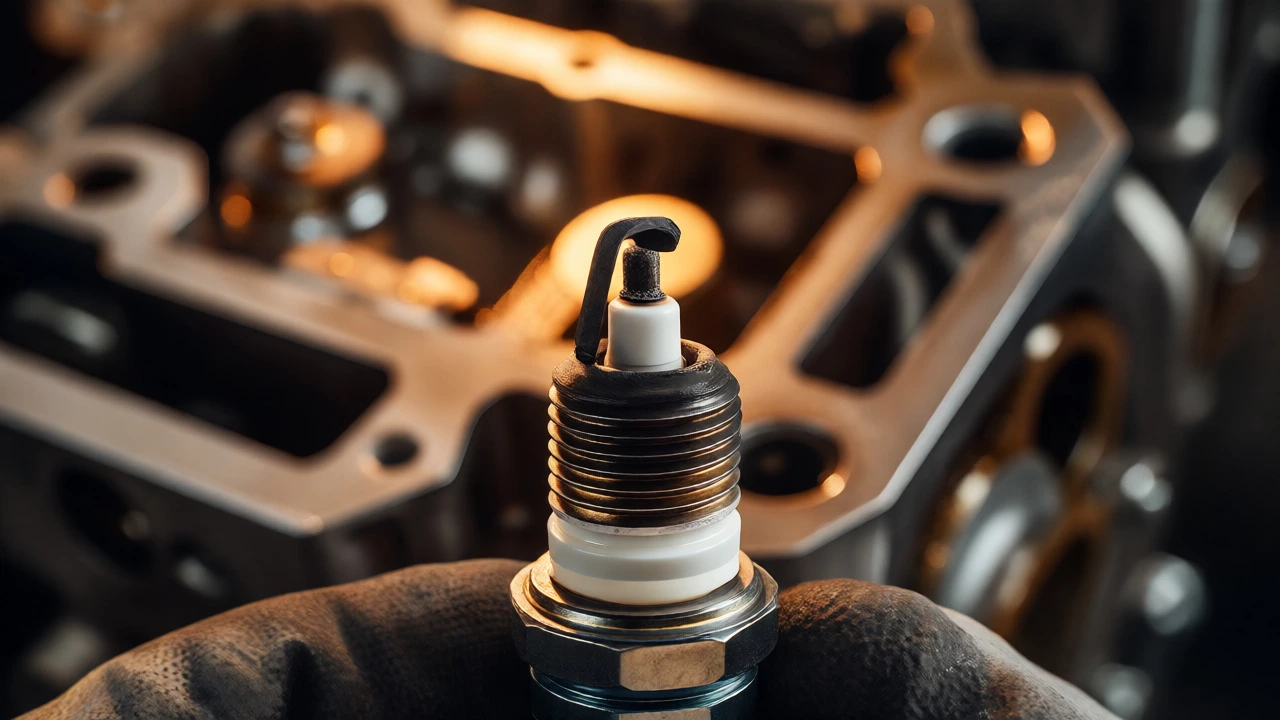
A spark plug is an electrical component that delivers a high-voltage spark to ignite the air-fuel mixture in your engine's combustion chamber. Think of it as the match that lights the fire. Without it, your petrol engine doesn’t run. But unlike a match, this one has to work thousands of times per minute under extreme heat and pressure.
Over time, three things happen:
- Electrode erosion: The metal tip wears down, widening the gap between electrodes. A wider gap means the ignition system works harder, which can strain the coil packs.
- Carbon buildup: Unburnt fuel and oil residues coat the plug, insulating it and weakening the spark.
- Heat damage: If the plug runs too hot, the ceramic insulator can crack, letting debris into the engine.
In modern cars with direct injection, spark plugs face even more stress. Fuel sprays directly onto the plug, causing carbon deposits to form faster than in older port-injected engines. This is why manufacturers often recommend shorter replacement intervals for turbocharged, direct-injection engines compared to older naturally aspirated ones.
The Real Benefits of Timely Replacement
So, what do you actually gain by swapping out old plugs for new ones? It’s not just about peace of mind. There are measurable improvements in how your car behaves.
1. Improved Fuel Efficiency
A weak spark doesn’t burn all the fuel. Some unburnt hydrocarbons escape through the exhaust, meaning you paid for petrol that never powered your wheels. Studies from the US Department of Energy have shown that replacing severely worn spark plugs can improve fuel economy by up to 30%. In reality, on well-maintained cars, expect a more modest 2-5% improvement. On a typical UK family car doing 40 mpg, that’s saving roughly £50-£80 a year at current pump prices.
2. Smoother Engine Performance
Worn plugs cause misfires-where a cylinder fails to ignite properly. You feel this as jerking during acceleration or a rough idle at traffic lights. New plugs restore consistent combustion, making throttle response sharper. If you drive a manual gearbox, you’ll notice smoother gear changes because the engine delivers power more predictably.
3. Reduced Emissions
If your car failed its MOT due to emissions, old spark plugs could be the culprit. An incomplete burn produces higher levels of carbon monoxide (CO) and hydrocarbons (HC). Fresh plugs help your catalytic converter do its job more effectively, keeping your exhaust cleaner and helping you pass emissions tests without needing expensive repairs.
4. Protecting Other Components
This is the hidden benefit. A struggling spark plug forces your ignition coils to work harder to generate enough voltage. Over months, this extra load can overheat and fail an ignition coil. Replacing a coil costs £50-£150 per unit, plus labour. Changing a £10 spark plug prevents this cascade failure.
When Changing Spark Plugs Is a Waste of Money
Not every car needs new plugs every year. Modern vehicles use long-life materials like platinum and iridium, which last far longer than old copper plugs.
| Plug Type | Typical Lifespan | Best For | Cost Estimate (UK) |
|---|---|---|---|
| Copper Core | 20,000 - 30,000 miles | Older cars, high-performance mods | £3 - £6 per plug |
| Premium Copper | 30,000 - 40,000 miles | Standard daily drivers | £5 - £8 per plug |
| Single Platinum | 60,000 - 80,000 miles | Modern economy cars | £8 - £12 per plug |
| Iridium / Double Platinum | 100,000+ miles | Newer turbo/direct-injection engines | £12 - £20 per plug |
If your car uses iridium plugs and has done 40,000 miles, changing them now is likely premature. Check your owner’s manual. Most modern VWs, Fords, and Toyotas specify replacement at 60,000-100,000 miles. Ignoring this schedule saves you cash; sticking to it strictly when not needed wastes it.
Signs Your Car Actually Needs New Plugs
Don’t guess-look for symptoms. Here’s what experienced mechanics see in workshops across Manchester:
- Hard starting: The engine cranks longer than usual before firing up, especially in cold weather.
- Rough idling: The tachometer needle dances slightly when you’re stationary at a red light.
- Misfire codes: Your check engine light comes on, and diagnostics show P0300-P0304 codes (random or specific cylinder misfires).
- Slow acceleration: The car feels flat when you press the pedal hard, particularly uphill.
- Poor fuel economy: You’re visiting petrol stations noticeably more often despite similar driving habits.
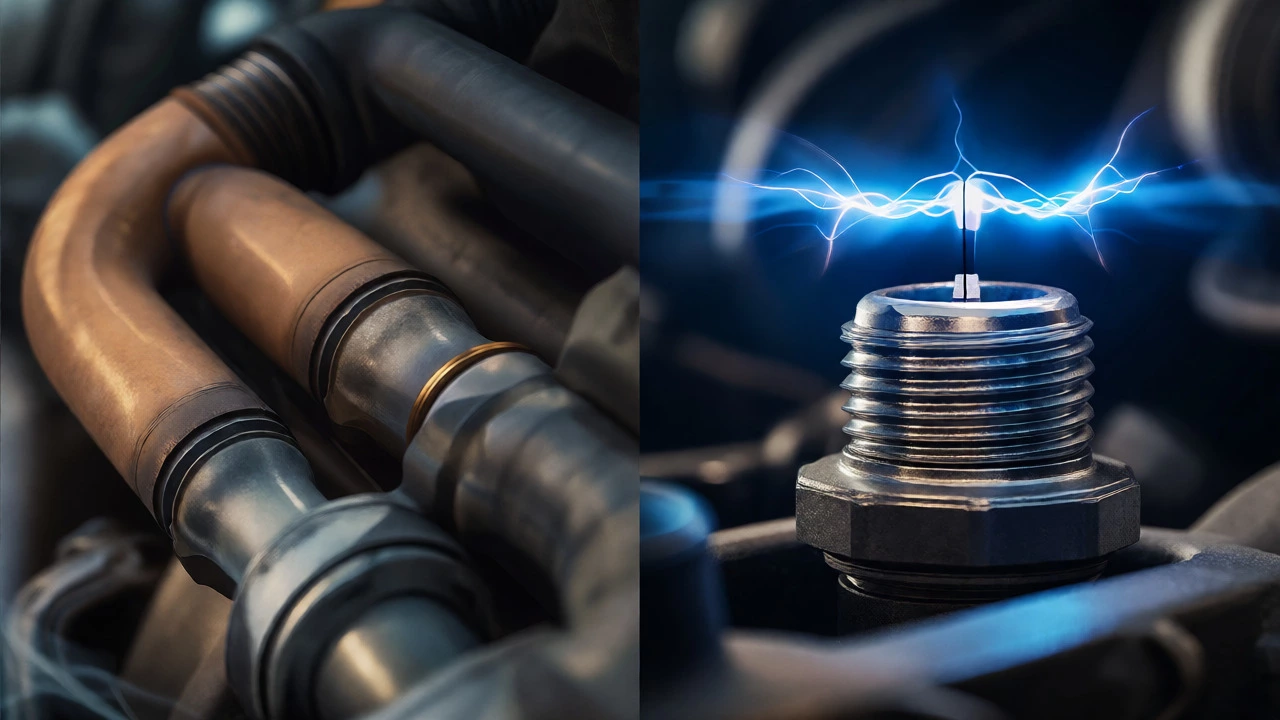
One critical warning sign: if you hear a ticking noise from the engine bay while idling, it could be a cracked ceramic insulator allowing spark leakage. This requires immediate attention, as arcing can melt nearby plastic components.
The Risks of DIY Replacement
Changing spark plugs sounds simple: remove old, install new. But mistakes here can cost hundreds in repairs.
Thread Damage
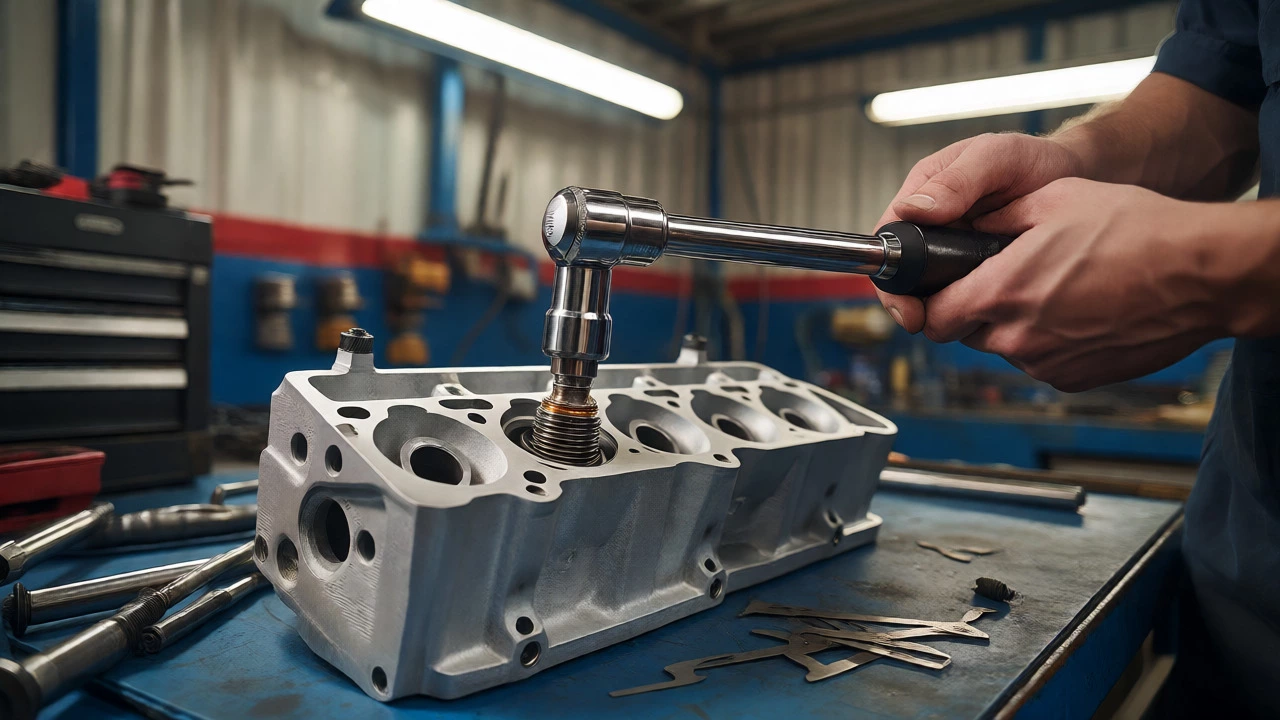
Aluminium cylinder heads (used in almost all modern cars) are softer than steel plugs. If you cross-thread a plug, you strip the head. Repairing this involves installing a Helicoil insert, costing £150-£300 depending on accessibility. Always start the plug by hand to ensure proper alignment.
Incorrect Torque
Too tight, and you crush the gasket or crack the ceramic. Too loose, and the plug vibrates, losing compression or overheating. Use a torque wrench. Typical specs range from 15-25 Nm, but always check your service manual.
Gap Mismatch
Some cheap aftermarket plugs come pre-gapped incorrectly. Using a feeler gauge to verify the gap against manufacturer specs takes two minutes and ensures optimal spark strength.
How Often Should You Really Change Them?
There’s no universal rule. It depends on three factors:
- Engine technology: Turbocharged direct-injection engines wear plugs faster due to carbon fouling.
- Driving style: Short trips where the engine rarely reaches operating temperature lead to wet fouling. Long motorway runs keep plugs cleaner.
- Fuel quality: Lower-quality fuels may contain additives that leave more residue.
As a general guideline for UK drivers:
- City cars (short trips): Inspect every 30,000 miles; replace if fouled.
- Mixed usage: Follow manufacturer interval (usually 60k-80k miles).
- High-performance/tuned engines: Replace annually or every 15,000 miles to prevent failure under boost.
Choosing the Right Spark Plugs
Never mix brands randomly. Stick to OEM recommendations or reputable equivalents like NGK, Bosch, Denso, or Champion. These companies supply original equipment to most car makers.
Beware of "performance" plugs with exotic designs (like multiple ground electrodes). While marketed as better, they don’t always fit correctly in modern engines designed for single-electrode precision. Unless you’re tuning your car, standard OE-spec plugs are usually best.
Also, consider buying a set rather than individual replacements. If one plug is worn, others likely are too. Replacing all four (or six/eight) at once ensures balanced combustion and avoids future labour costs.
Can I change spark plugs myself?
Yes, if you have basic tools and access to the engine bay. You need a spark plug socket (usually 16mm or 14mm), a ratchet, extension bar, and a torque wrench. Take photos before removing anything to avoid confusion. Be careful not to drop parts into the engine opening.
Do diesel cars have spark plugs?
No, diesel engines use glow plugs instead. Glow plugs heat the air in the cylinder to aid cold starting. They serve a different purpose and have different failure modes. Don't confuse the two systems.
Will new spark plugs make my car faster?
Not significantly. New plugs restore lost performance caused by wear, so the car will feel quicker compared to when it was misfiring. However, they won't add horsepower beyond the factory specification unless you've heavily modified the engine.
How much does it cost to change spark plugs in the UK?
Parts cost £40-£80 for a set of four iridium plugs. Labour ranges from £40 to £120 depending on engine complexity. Some transverse V6/V8 engines require intake manifold removal, doubling labour time. Independent garages typically charge less than main dealers.
Should I clean or replace spark plugs?
Cleaning is temporary. Carbon deposits return quickly, and electrode wear cannot be reversed. Given the low cost of new plugs, replacement is almost always the better choice for reliability and performance.