Clutch Replacement Cost & Difficulty Estimator
Estimated Results
Select options and click calculate to see estimates.
Your car feels like it’s slipping away when you press the gas. The engine revs high, but the speed doesn’t match up. You’re likely dealing with a worn-out clutch, which is a critical component in manual transmission vehicles that engages and disengages power from the engine to the gearbox. It’s a frustrating feeling, and your first thought is probably: “How bad is this going to be?” Is replacing a clutch a big job? The short answer is yes. It is one of the more labor-intensive repairs you can perform on a standard passenger vehicle.
However, “big” doesn’t necessarily mean “impossible.” For a professional mechanic, it’s a routine Tuesday afternoon. For a DIY enthusiast with a lift and patience, it’s a weekend project. If you’re sitting in your driveway wondering if you should tackle this yourself or hand over the keys, let’s break down exactly what goes into the process, why it takes so long, and how much it might cost you in 2026.
The Anatomy of a Clutch Job
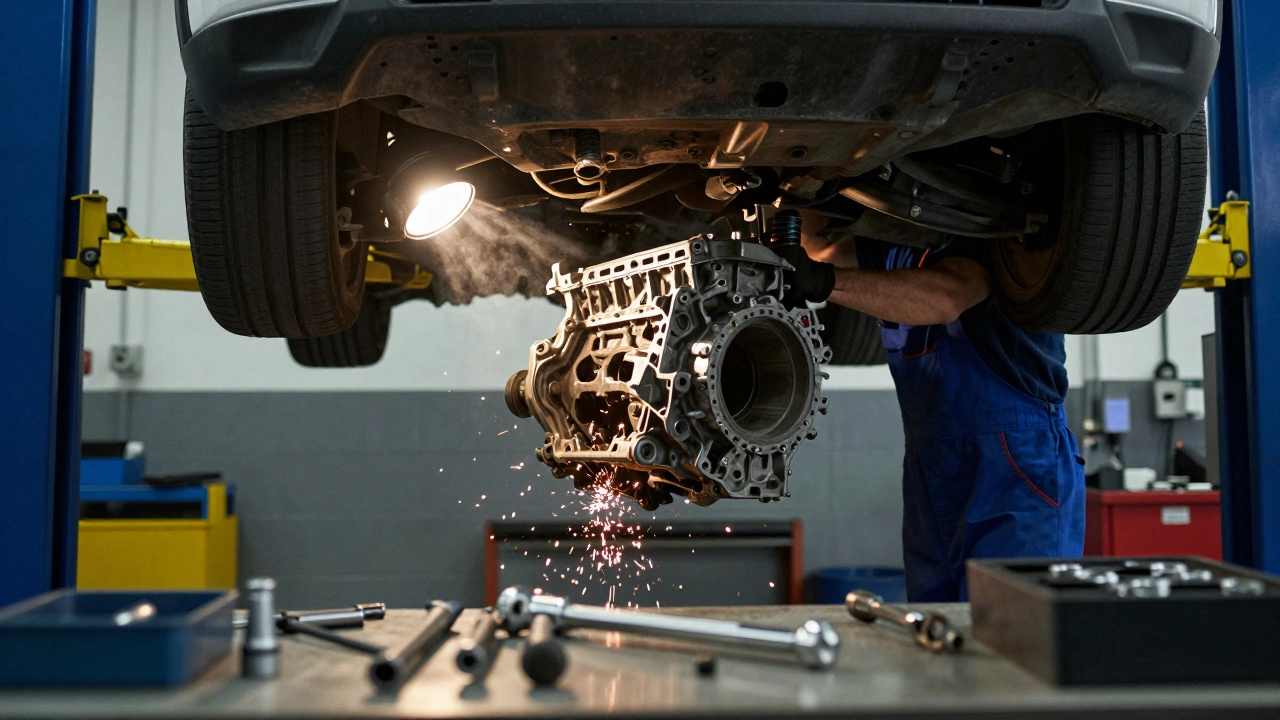
To understand why this repair is considered major, you have to look at where the clutch lives. It isn’t tucked under the hood where you can pop the cover and swap it out like an air filter. The clutch sits between the engine and the transmission (gearbox). To get to it, you usually have to remove the entire transmission unit. That means disconnecting driveshafts, electrical connectors, brake lines, and supporting brackets.
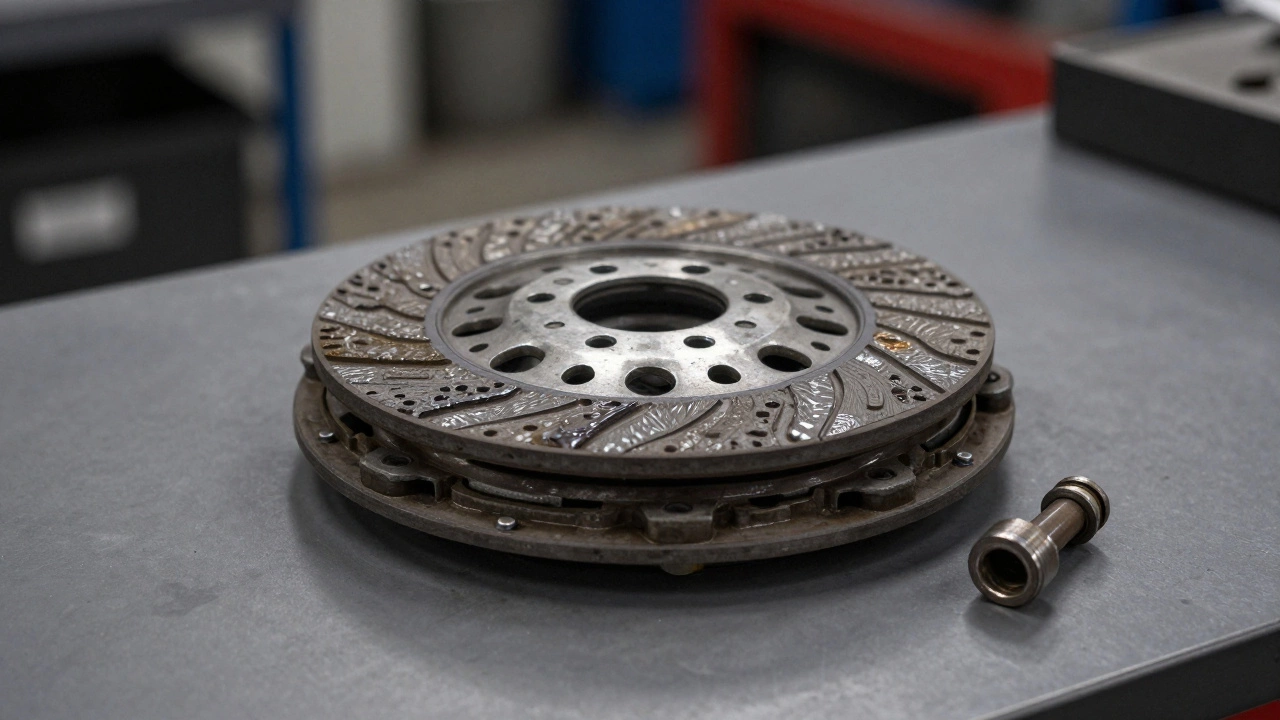
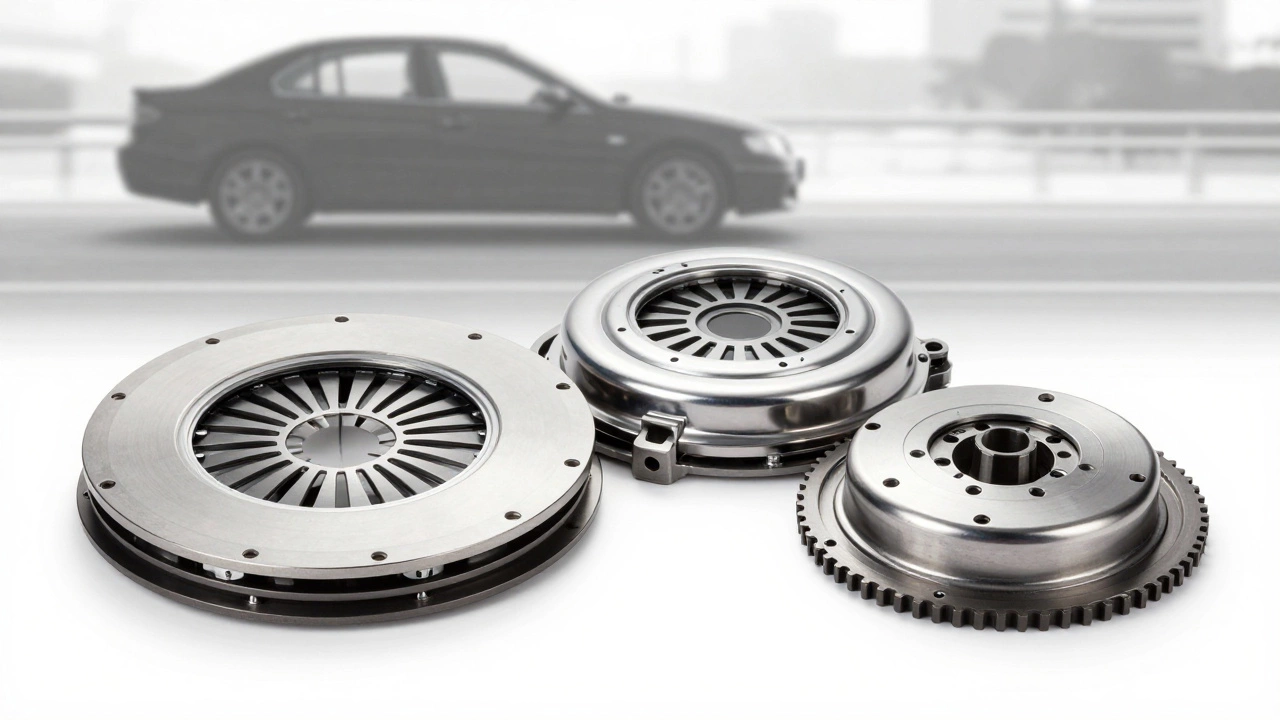
A complete clutch kit typically includes three main parts:
- The Clutch Disc: This is the friction material that grabs the flywheel.
- The Pressure Plate: This presses the disc against the flywheel to engage gears.
- The Release Bearing (Throw-out Bearing): This allows the pedal to disengage the clutch.
Most mechanics also recommend replacing the pilot bearing in the crankshaft while everything is apart. Skipping this saves maybe £15 in parts but risks a noisy failure months later. When people ask if it’s a big job, they are often underestimating the sheer number of bolts, nuts, and connections involved in just getting the transmission out of the way.
Why Does It Take So Long?
If you’ve ever had a brake pad change done in 30 minutes, a four-to-eight-hour estimate for a clutch replacement looks ridiculous. Here is why the time gap exists. Labor is the biggest variable in this repair. In the UK, average labor rates hover around £80-£120 per hour. A simple front-wheel-drive hatchback might take four hours. A rear-wheel-drive sedan or a vehicle with a complex transverse layout could easily take six to eight hours.
The delay isn’t because mechanics are slow; it’s because of precision and safety. Aligning the new clutch disc requires perfect centering. If it’s off by even a few millimeters, the clutch will chatter or fail prematurely. Then there’s the torque specification. Every bolt connecting the transmission mount must be tightened to exact factory specifications. Cross-threading a single bolt can turn a four-hour job into a two-day nightmare involving stripped threads and helicoil inserts.
Additionally, accessibility matters. In modern cars, engineers pack components tighter than ever. Getting a transmission out of a compact city car often involves removing subframes or lowering the exhaust system. Each extra step adds time and complexity.
DIY vs. Professional: Who Should Do It?
Can you do it yourself? Absolutely, if you meet certain criteria. Let’s be honest about what “DIY” really means here. This isn’t changing oil. This is heavy lifting, precise alignment, and significant risk if something goes wrong.
| Factor | DIY Approach | Professional Mechanic |
|---|---|---|
| Cost | Parts only (£150-£400) | Parts + Labor (£600-£1,200+) |
| Time | 8-15 hours (weekend project) | 4-8 hours |
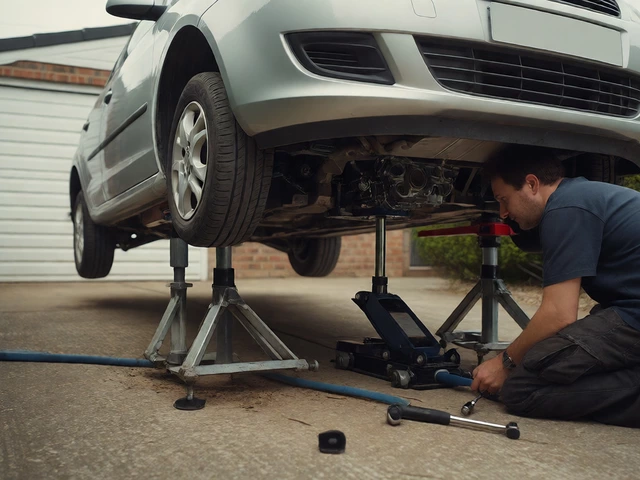
| Tools Required | Jack stands, transmission jack, torque wrench, socket sets | Professional lifts, specialized pullers |
| Risk Level | High (misalignment, injury) | Low (warranty backed) |
| Best For | Experienced hobbyists with garage space | Most drivers, especially those without tools |
If you don’t own a transmission jack, stop reading the DIY section. Trying to support a 50kg gearbox with wooden blocks and prayer is not a strategy. You need proper lifting equipment to slide the transmission out safely. Furthermore, you need a service manual specific to your car model. Generic advice won’t help you when you’re trying to figure out which bolt goes where on the bell housing.
For most people, paying a professional is the smarter financial move. Yes, you pay for labor, but you also buy peace of mind. A reputable shop in Manchester or London will guarantee their work. If the clutch chatters after 200 miles, they fix it for free. If you mess up the alignment at home, you’re paying for the parts again plus towing fees.
Signs Your Clutch Needs Replacement
Don’t wait until the clutch completely fails. Driving with a slipping clutch can damage your transmission and leave you stranded. Here are the concrete signs to watch for:
- Slipping: Engine RPMs rise without a corresponding increase in speed, especially during acceleration or climbing hills.
- Difficulty Shifting: Gears grind or refuse to engage, particularly when moving from neutral into first or reverse.
- Spongy Pedal: The clutch pedal feels soft, sinks to the floor, or doesn’t return smoothly.
- Burning Smell: A distinct odor of burning friction material, similar to overheated brakes.
- Vibration: A shudder felt through the seat or floorboard when engaging the clutch from a stop.
If you notice any of these, get it checked immediately. Ignoring early signs turns a straightforward replacement into a potential transmission rebuild.
Cost Breakdown in 2026
Pricing varies wildly based on your vehicle. A basic Ford Fiesta or Vauxhall Corsa will be significantly cheaper to fix than a BMW 3-Series or a Land Rover Discovery. Why? Because luxury brands use proprietary fasteners, complex electronics, and tighter packaging that increases labor time.
In 2026, expect the following ranges for a full replacement including VAT:
- Economy Cars (Ford Focus, VW Golf): £600 - £900
- Mid-Range Sedans (Audi A4, Mercedes C-Class): £900 - £1,300
- Luxury/SUVs (Range Rover, Porsche Cayenne): £1,300 - £2,000+
The clutch kit itself rarely exceeds £400 unless you’re buying OEM parts for a high-end brand. The bulk of the cost is labor. Always ask for a detailed quote that separates parts and labor. Some shops might try to bundle them, making it hard to compare prices.
Pro Tips for a Smooth Repair
Whether you hire a pro or do it yourself, these tips will save you headaches:
- Replace the Flywheel: If your car has a dual-mass flywheel, replace it. Resurfacing a dual-mass flywheel is often impossible or ineffective. A worn flywheel will destroy a new clutch quickly.
- Check the Master Cylinder: While the clutch is out, inspect the hydraulic master and slave cylinders. If they’re leaking, fix them now. You don’t want to drop the transmission twice.
- Use Fresh Grease: Apply a thin layer of high-temperature grease to the input shaft splines and the release bearing guide sleeve. This prevents squeaking and ensures smooth operation.
- Mark Everything: Before unbolting anything, take photos. Mark wiring harnesses with tape. Note the orientation of sensors. Modern transmissions have multiple electronic modules that must be reconnected perfectly.
Conclusion: Is It Worth the Hassle?
Replacing a clutch is undeniably a big job. It requires skill, time, and expensive tools. For the average driver, the stress and physical demand outweigh the savings from doing it yourself. However, understanding the process helps you avoid being ripped off by dishonest mechanics who inflate labor hours.
If you decide to go the DIY route, respect the weight of the transmission and the precision required. One mistake can cost you thousands. If you hire a professional, choose someone who specializes in manual transmissions and offers a warranty on both parts and labor. Your clutch is the bridge between your engine’s power and the road. Treat it with care, and it will serve you well for another 60,000 to 100,000 miles.
How long does a clutch replacement actually take?
For a professional mechanic, a standard front-wheel-drive car takes 4 to 6 hours. Rear-wheel-drive or luxury vehicles can take 6 to 8 hours or more due to complex layouts and additional components that must be removed.
Can I drive my car with a slipping clutch?
You can drive it for a very short distance to get to a repair shop, but you should not continue normal driving. A slipping clutch generates excessive heat, which can warp the flywheel and damage the transmission, leading to much higher repair costs.
Is it cheaper to replace the clutch myself?
Yes, you save on labor costs, which can be £400-£800. However, you must factor in the cost of renting or buying tools like a transmission jack and torque wrench. If you make a mistake, such as misaligning the clutch, the repair costs can exceed the price of hiring a professional.
Do I need to replace the flywheel with the clutch?
It is highly recommended, especially for cars with dual-mass flywheels. These cannot be resurfaced and must be replaced. Installing a new clutch on a worn flywheel will cause premature failure and vibration issues within months.
What is the average lifespan of a clutch?
Most clutches last between 60,000 and 100,000 miles. However, driving habits play a huge role. City driving with frequent stop-and-go traffic wears out clutches faster than highway driving. Riding the clutch or launching aggressively also shortens its life.