Wiper Blade Material Comparison Tool
Choose a material type below to see detailed specifications and compare their performance metrics side-by-side.
Natural/Synthetic Rubber
The industry standard for decades. Cost-effective but prone to rapid degradation in extreme weather.
Silicone-Blended Compound
Used in premium lines like Michelin Stealth & Ultra. Superior temperature resistance and longevity.
Total Ownership Cost Analysis
Rubber Blades:
$0
Replacements needed: 0Silicone Blades:
$0
Replacements needed: 0Ever looked at your new Michelin wiper blades and wondered what they’re actually made of? It’s a common question, especially when you see the sleek, flat design that looks nothing like the old-school spring-loaded arms you grew up with. The short answer is that most modern Michelin blades use a hybrid approach, but the core wiping edge is typically a high-performance silicone compound rather than traditional natural or synthetic rubber. This distinction matters because it directly affects how long your blades last, how quiet they are in the rain, and whether they survive harsh winter conditions without cracking.
The Material Breakdown: What’s Inside the Blade?
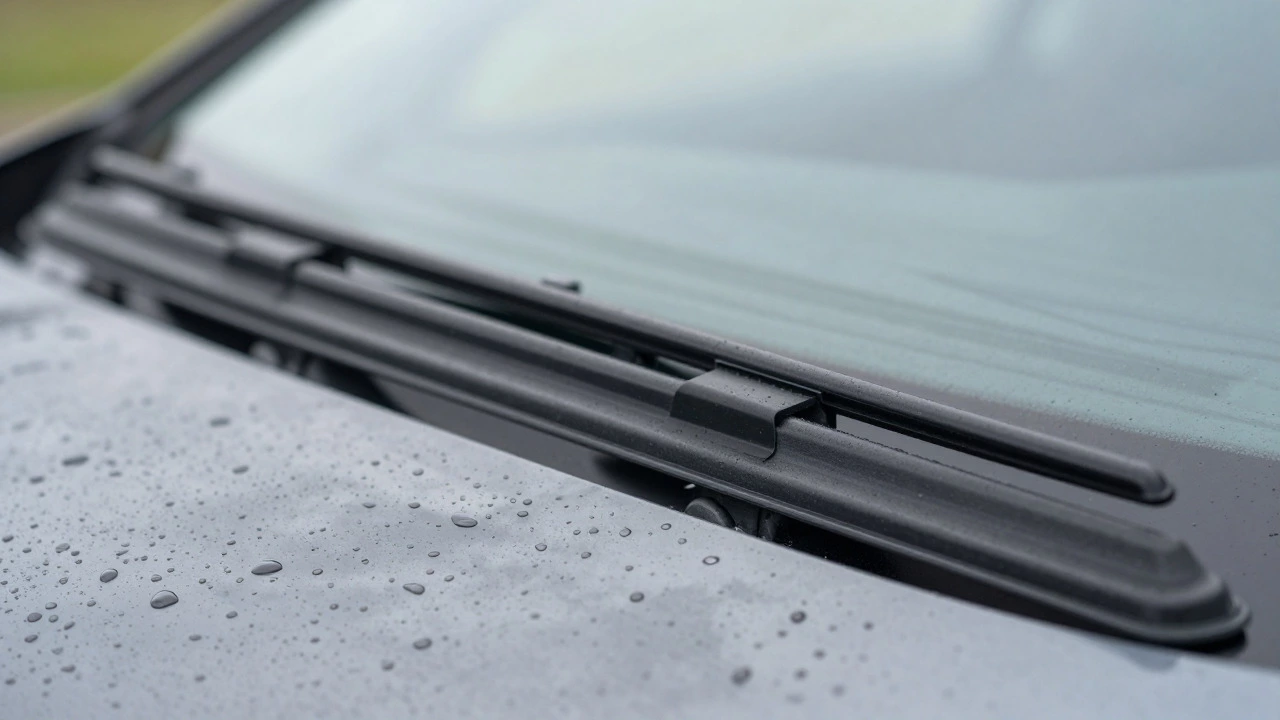
To understand why Michelin chose this specific material, we have to look at the anatomy of a modern beam-style wiper. Unlike older designs that relied on a metal frame with multiple joints, these blades feature a single, continuous spine. This spine is usually made from a flexible polymer or coated metal that holds the tension evenly across the entire length of the blade. But the spine isn’t what touches your windscreen. That job belongs to the wiper insert, the thin strip running along the bottom edge.
In the case of Michelin’s popular lines, such as the Stealth and Ultra series, this insert is crafted from a specialized silicone blend. Silicone rubber is a synthetic elastomer known for its resistance to extreme temperatures, UV degradation, and chemical breakdown. While it shares the word "rubber" in its name, its molecular structure behaves differently under stress. Traditional natural rubber tends to harden over time, especially when exposed to sunlight and ozone. Silicone, however, maintains its flexibility much longer, which means it conforms better to the curved surface of your windshield even after a few years of use.
So, is it pure silicone? Not exactly. It’s a composite material. The base is silicone, but it’s often reinforced with other polymers to increase durability and reduce friction. This combination allows the blade to glide smoothly without leaving streaks or squeaking noises. If you’ve ever experienced a wiper that chatters or jumps across the glass, you likely had an older rubber-based blade that had lost its elasticity or become contaminated with road grime. The silicone composition helps resist this buildup, keeping the wipe cleaner for longer.
Silicone vs. Traditional Rubber: Why the Switch?
You might wonder why manufacturers didn’t stick with standard rubber, which has been the industry standard for decades. The shift toward silicone and silicone-blended compounds was driven by three main factors: longevity, weather resilience, and aerodynamics.
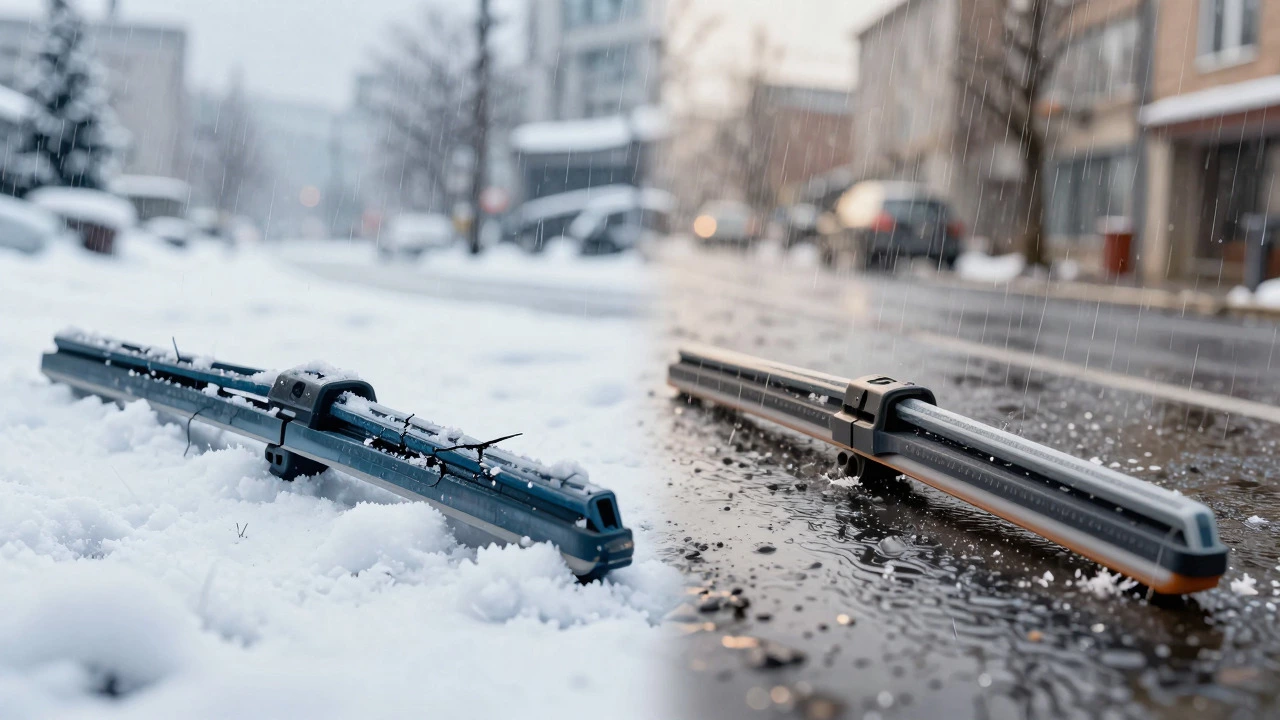
- Temperature Resistance: Natural rubber struggles in both extremes. In freezing temperatures, it becomes brittle and can crack. In intense summer heat, it softens and loses shape. Silicone operates effectively in a range from -40°C to +150°C, making it ideal for drivers in regions with significant seasonal swings, like the UK or northern Europe.
- UV Stability: Sunlight breaks down the chemical bonds in natural rubber, causing it to degrade faster. Silicone is inherently resistant to UV radiation, meaning the blade won’t dry out and fail just from sitting in the driveway on a sunny day.
- Aerodynamic Profile: Modern wipers are designed to be low-profile to reduce wind noise at high speeds. The flexibility of silicone allows for thinner, lighter inserts that stay flush against the glass, whereas thicker rubber inserts can lift slightly at highway speeds, creating turbulence and noise.
This isn’t just about marketing fluff. When you compare a five-year-old rubber blade to a two-year-old silicone one, the difference in performance is stark. The rubber blade is likely warped, hardened, and leaving visible streaks. The silicone blade, while not perfect, still provides a clear view and consistent contact pressure.
How This Affects Your Driving Experience
Knowing the material helps you set realistic expectations for maintenance. Because silicone resists degradation, you don’t need to replace these blades as frequently as you did with older models. However, "longer-lasting" doesn’t mean "forever." Dust, sand, and bug splatter will still abrade the surface over time. The key advantage is that the failure mode is gradual rather than sudden. With rubber, a cracked blade can snap off entirely, potentially shattering your windshield if it hits debris. Silicone blades tend to wear down evenly, giving you more warning signs like increased streaking before they become unsafe.
Another benefit is the reduction in maintenance rituals. Older rubber blades often required frequent cleaning with alcohol wipes or special wiper cleaners to remove film buildup. Silicone’s non-stick properties make it less prone to trapping oils and residues. You can still clean them, of course, but you’ll find you don’t have to do it every month. This translates to fewer trips to the car wash and less hassle during routine checks.
For drivers in Manchester or similar wet climates, this consistency is crucial. Rain here can be light drizzle or heavy downpour, sometimes mixed with sleet. A silicone blade handles these transitions without changing its grip characteristics. It doesn’t get slippery in the cold or sticky in the warm. This reliability is why many fleet operators and taxi companies have switched to silicone-based systems; downtime for wiper replacement is costly, and durability pays off quickly.
Common Misconceptions About Wiper Materials
There’s a lot of confusion online about what constitutes a "good" wiper blade. One persistent myth is that all black wiper strips are made of the same rubber. In reality, color tells you very little about composition. A bright red or orange insert might be a different polymer blend, while a matte black one could be carbon-infused silicone. Always check the product specifications rather than relying on visual cues.
Another misconception is that "silicone" means the entire blade is made of it. As mentioned earlier, only the wiping edge uses this material. The frame is still structural metal or plastic. This distinction is important because some consumers assume that if the edge is silicone, the whole assembly is lightweight and fragile. In truth, the structural integrity comes from the spine, which is engineered to withstand wind forces up to 120 mph. The silicone simply does the cleaning job efficiently.
Finally, some people believe that silicone blades are only for luxury cars. This is outdated information. Today, almost all major OEM (Original Equipment Manufacturer) suppliers, including Michelin, offer silicone-blend options for economy vehicles as well. The technology has trickled down from premium brands to the mass market, making high-quality visibility accessible to everyone.
| Feature | Traditional Natural/Synthetic Rubber | Silicone-Blended Compound (Michelin Standard) |
|---|---|---|
| Lifespan (Average) | 6-12 months | 18-36 months |
| Temperature Range | -20°C to +60°C | -40°C to +150°C |
| UV Resistance | Low (degrades quickly) | High (resistant to sunlight) |
| Maintenance Frequency | Clean monthly | Clean quarterly |
| Noise Level at Speed | Higher (due to stiffness) | Lower (aerodynamic profile) |
How to Identify Your Wiper Type
If you’re unsure what’s currently installed on your car, you can perform a simple check. First, look at the packaging of any recent replacements. Michelin clearly labels their products as "Stealth," "Ultra," or "Eco," and the technical data sheets specify the insert material. For DIY checks, run your finger lightly along the wiping edge (with the engine off and wipers raised). A silicone blade feels smoother and slightly more resilient than the tacky, firm feel of aged rubber. Also, check for the presence of a flat, continuous spine. If your wiper has a complex web of metal arms, it’s likely an older rubber-based design. If it’s a single, sleek bar, it’s almost certainly using a modern silicone-blend insert.
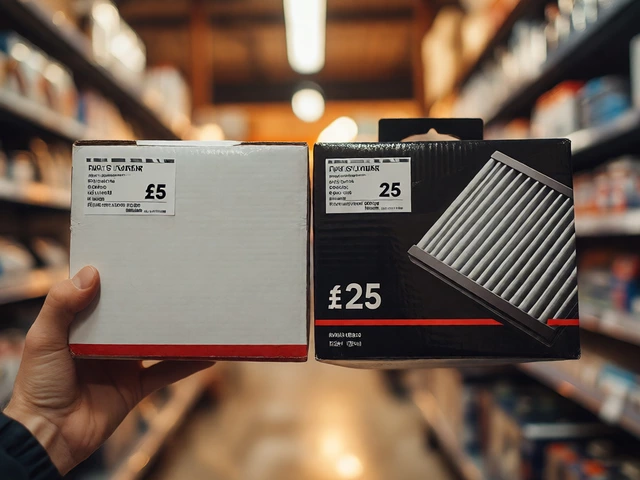
When replacing your blades, don’t just grab the cheapest option available. Look for brands that explicitly state "silicone-coated" or "silicone-blend" in the description. This ensures you’re getting the durability benefits discussed above. While the upfront cost might be slightly higher than basic rubber blades, the extended lifespan makes it a better value proposition over time. You’ll spend less money in the long run because you’re buying less frequently.
Maintenance Tips for Maximum Longevity
Even the best materials need care. To keep your Michelin wiper blades performing at their peak, follow these simple habits:
- Keep them clean: Use a dedicated wiper blade cleaner or a damp microfiber cloth to wipe down the rubber edge every few months. Remove bugs, tree sap, and dust before they embed into the material.
- Don’t force them: If the wipers are stuck due to ice, use a de-icer spray instead of turning the switch on. Forcing frozen silicone blades can damage the motor and warp the spine.
- Park wisely: If possible, park in a garage or shaded area during prolonged periods of direct sunlight. While silicone is UV-resistant, reducing exposure extends the life of the adhesive holding the insert in place.
- Check alignment: Ensure the wipers sit flat against the glass when parked. If they angle upward, it indicates the parking position needs adjustment, which can cause uneven wear on one side of the blade.
Frequently Asked Questions
Are all Michelin wiper blades made of silicone?
Most modern Michelin beams, such as the Stealth and Ultra series, use a silicone-blended compound for the wiping edge. However, some budget-friendly or legacy models may still use traditional synthetic rubber. Always check the specific product description to confirm the material composition.
Do silicone wiper blades last longer than rubber ones?
Yes, generally speaking. Silicone blends resist UV degradation and temperature changes better than natural rubber. On average, a silicone blade lasts 18 to 36 months, compared to 6 to 12 months for standard rubber blades, depending on climate and usage.
Can I use silicone wiper blades in winter?
Absolutely. Silicone remains flexible at temperatures as low as -40°C. This makes it superior to rubber, which can become brittle and crack in freezing conditions. Just ensure you use a de-icer before operating the wipers on icy windscreens.
Why do my new wiper blades squeak?
Squeaking is usually caused by dirt, oil, or improper installation rather than the material itself. Clean the wiper edge and the windshield thoroughly with a glass cleaner. If the issue persists, check that the blade is seated correctly on the arm and that the spine is not bent.
Is there a difference between 'silicone' and 'silicone-coated' wipers?
Yes. 'Silicone-coated' usually refers to a rubber base with a thin layer of silicone applied to the surface for improved water repulsion. 'Silicone-blend' or 'silicone compound' indicates that the entire wiping edge is made from a mixture of silicone and other polymers, offering greater overall durability and flexibility.