Can I Drive with Bad Suspension? The Real Risks and When to Act
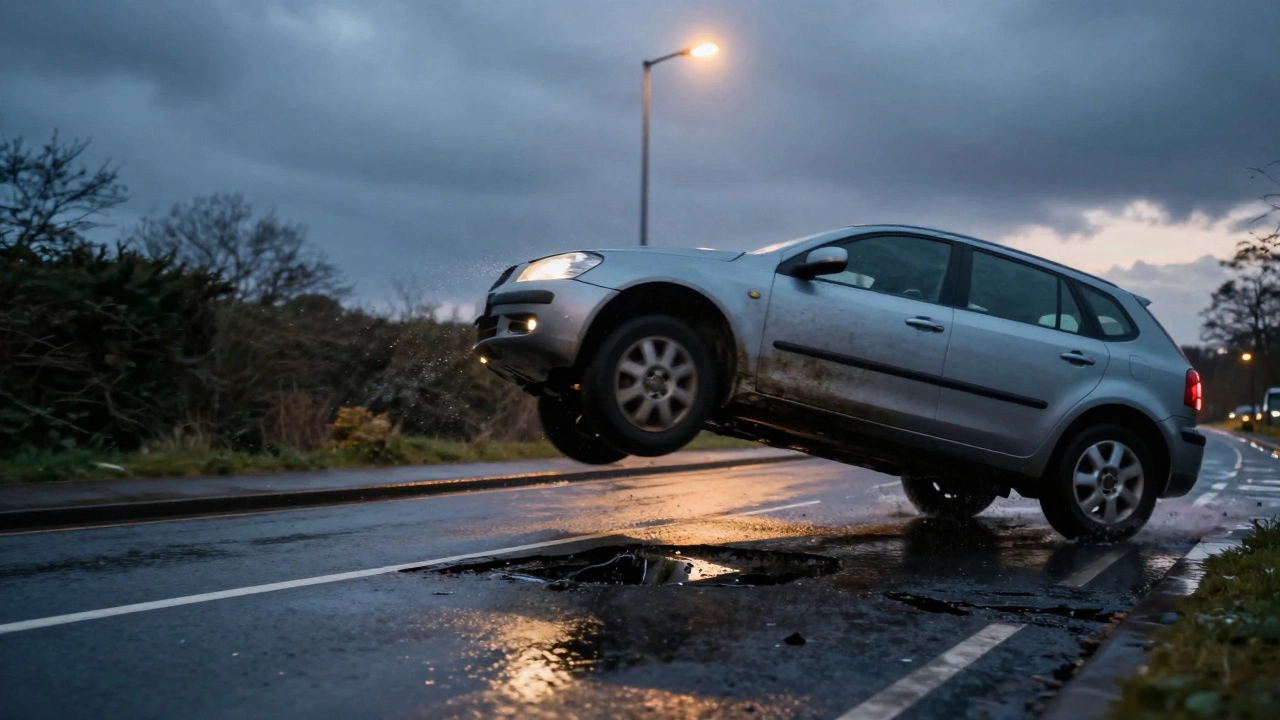
Driving with bad suspension is dangerous and increases stopping distances, reduces control, and risks accidents. Learn the signs, risks, and when to act to stay safe on UK roads.
When we talk about car safety, the collective practices and components that protect drivers and passengers during normal and emergency driving conditions. Also known as vehicle safety, it's not just about airbags or seatbelts—it's about the parts you rarely think about until they fail. A worn shock absorber, a cracked radiator, or a dying fuel pump won’t scream for attention. They just quietly make your car harder to control, slower to stop, or more likely to leave you stranded.
Brake rotors, the metal discs that slow your car when the pads press against them wear down over time. If you hear grinding or feel your steering wheel shake when braking, you’re not just dealing with noise—you’re risking longer stopping distances. Same with shock absorbers, components that smooth out bumps and keep your tires firmly on the road. Bad shocks don’t just make your ride bumpy—they reduce steering control, especially in wet conditions or sudden turns. And then there’s the fuel pump, the part that pushes gasoline from your tank to the engine. If it’s failing, your car might stall mid-drive, with no warning. These aren’t optional upgrades. They’re critical to staying safe.
Car safety isn’t about fancy gadgets. It’s about catching simple problems before they turn into emergencies. A radiator leak can lead to overheating. Old brake pads on worn rotors can mean a complete brake failure. Skipping an oil change doesn’t just hurt your engine—it can cause parts to seize up while you’re driving. All the posts below focus on these exact issues: how to spot the signs, what to do next, and when to call a pro. You don’t need to be a mechanic to protect yourself. You just need to know what to look for.
Below, you’ll find real, no-fluff guides on checking your battery, spotting failing shocks, deciding when to replace rotors, and understanding why your radiator might be on its last legs. These aren’t theory pieces. They’re what people in Stevenage are actually doing to keep their cars alive and safe. Whether you’re a daily commuter or just use your car on weekends, these are the checks that matter.
 Feb, 8 2026
Driving with bad suspension is dangerous and increases stopping distances, reduces control, and risks accidents. Learn the signs, risks, and when to act to stay safe on UK roads.
 Jun, 16 2025
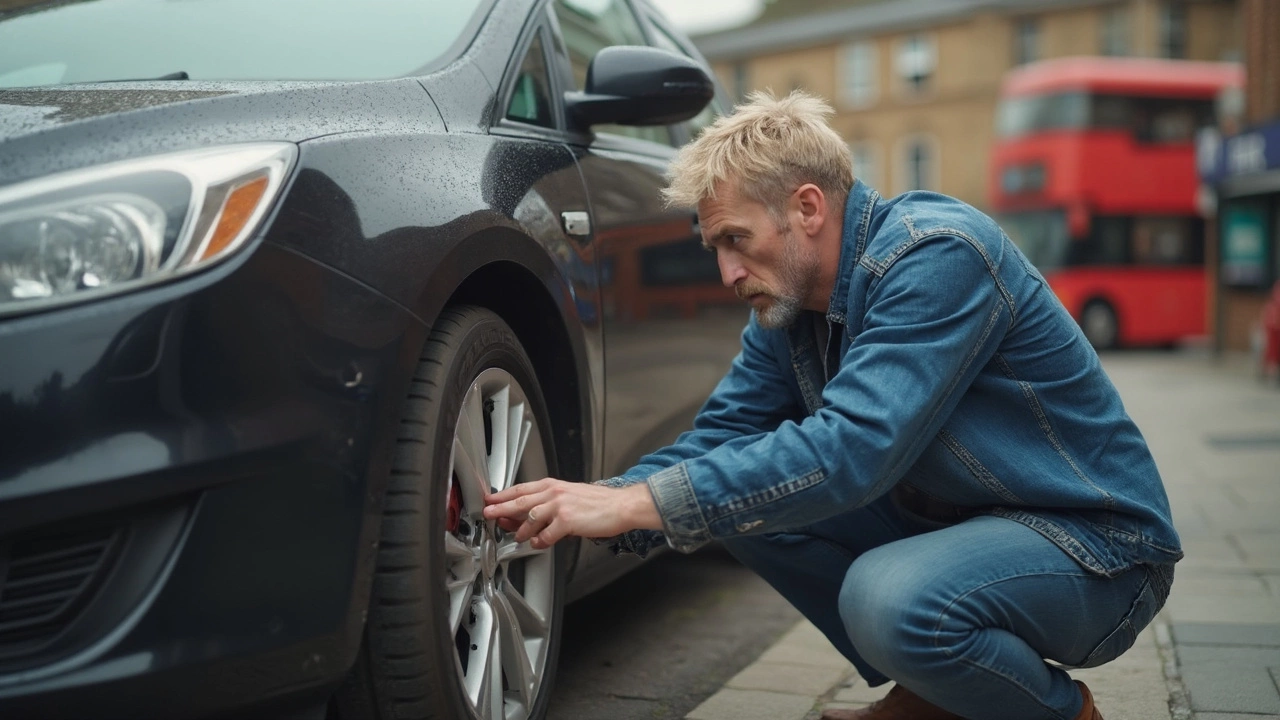
Wondering if you can still drive with worn brake pads? This article tackles the safety risks, signs your pads need replacing, and what actually happens if you keep driving. Get practical tips on handling worn pads and find out when you really have to stop. Solid advice for drivers who want to avoid stress, accidents, and big repair bills.
 Jan, 3 2025
Brake pads are crucial components that ensure safety on the road. They experience wear and tear over time, leading to various symptoms that can indicate diminished performance. Understanding the telltale signs of bad brake pads can help prevent accidents and costly repairs. Stay informed about common issues like screeching noises, reduced response, and vibration through the brake pedal. This knowledge helps in maintaining a well-functioning braking system and ensures your vehicle's longevity.
 Jan, 1 2025
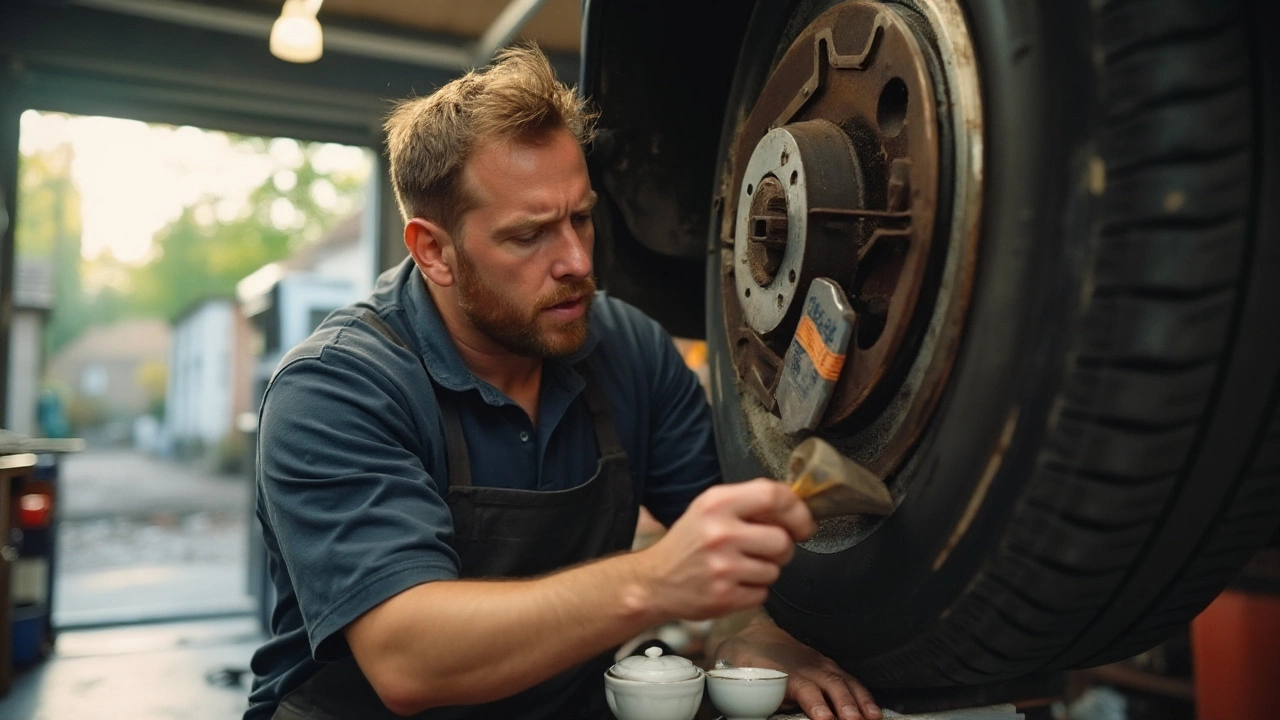
When considering whether to replace only the rear brake pads of your vehicle, various factors should be taken into account. While changing only the rear pads might seem economical, understanding the role each brake plays and the potential impacts on your vehicle’s braking system is crucial. We will explore how the brake systems work, the significance of balanced wear, and the possible risks associated with uneven brake pad replacement. Additionally, we'll offer some maintenance tips and signs that indicate brake pad wear.