Clutch Stage Calculator
Recommended: Stage X Clutch
Key Characteristics:
So You're Asking About Stage 3 Clutches
You've probably heard mechanics talk about clutch stages like they're ordering coffee-espresso, cappuccino, or stage three. But here's the thing: understanding what a Stage 3 Clutch is, a high-performance clutch designed for modified engines producing 300+ horsepower, was first released by aftermarket manufacturers in the late 1990s and has become standard for serious car enthusiastsStage III Clutch Kit. matters if you're running a boosted motor.
This isn't about your daily commuter. A Stage 3 setup handles serious power levels without slipping, burning out, or leaving you stranded mid-drive. I've seen too many guys install the wrong clutch and wonder why their modified BMW keeps slipping under hard acceleration. Let's break down what you actually need to know before dropping money on hardware.
How Clutch Staging Actually Works
The entire clutch staging system breaks down into three main tiers based on torque capacity and intended use. Think of it as matching your clutch to your engine's output rather than guessing what'll work.
Stage 1 Clutch is an entry-level performance clutch for stock or mildly modified engines up to 10% over original specs. These handle everyday street driving with slightly firmer engagement than OEM parts. Most people don't even notice they have one.
Stage 2 Clutch is a mid-range performance option for moderately modified engines producing 10-25% more power than stock. This is where things get interesting. These clutches handle turbocharged setups, ECU remaps, and track sessions on weekends. Engagement gets noticeable but remains livable for daily drivers.
And then there's Stage 3. This is where we're talking about dedicated performance machines. We're looking at forced induction, aggressive tuning, and applications where the clutch becomes part of your powertrain strategy rather than just a component replacement.
| Stage | Horsepower Range | Torque Capacity | Street Usability | Typical Applications |
|---|---|---|---|---|
| Stage 1 | Stock to +10% | 1.2x Stock | Excellent | Daily drivers, minimal mods |
| Stage 2 | +10% to +25% | 1.5x Stock | Good | Turbo builds, weekend track cars |
| Stage 3 | +25% to unlimited | 2.0x+ Stock | Fair to Poor | Race cars, heavily modified motors |
What Makes a Stage 3 Clutch Different
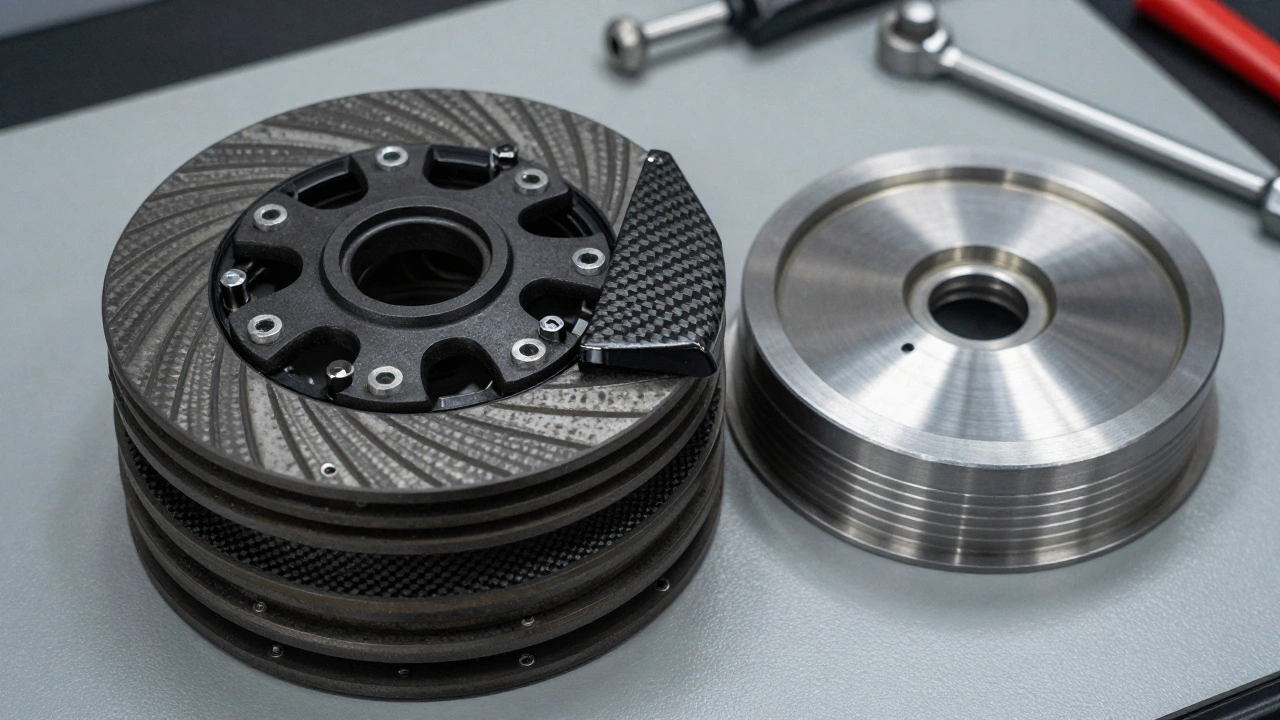
A Stage 3 clutch isn't just a stronger version of a regular unit-it's fundamentally different in design and material choices. These clutches typically feature multi-disc setups, often with carbon ceramic friction surfaces instead of traditional organic compounds.
The pressure plate on a Stage 3 kit operates at significantly higher clamping force. Where a stock setup might deliver 80-100 psi, you're looking at 150-200 psi from a performance pressure plate. That extra pressure keeps the clutch from slipping when your engine dumps 400 foot-pounds of torque through the transmission.
Solid Flywheel is a steel rotor used in place of dual-mass units to improve throttle response and reduce harmonic vibration. Unlike dual-mass flywheels that absorb shock for comfort, solid flywheels transfer power directly. They're lighter, spin faster, and eliminate the compliance found in stock OEM setups. On a Stage 3 build, the solid flywheel works together with the clutch disc to create a rigid power transfer point.
Weight becomes part of the calculation too. High-performance discs use thinner friction materials stacked multiple times rather than a single thick layer. This reduces rotational mass while increasing contact surface area. Less rotating weight means faster revving and better overall drivetrain efficiency.
Thermal capacity also differs dramatically. Standard clutches run hot under sustained load. Stage 3 units are engineered to dissipate heat through improved cooling fins on the housing and materials that resist fade at temperatures exceeding 800°F during repeated launch attempts.
When Do You Actually Need One
Here's the reality check: most road cars don't benefit from Stage 3 hardware. Before spending £800-£1,200 on a complete kit, ask yourself whether your engine needs that level of capacity.
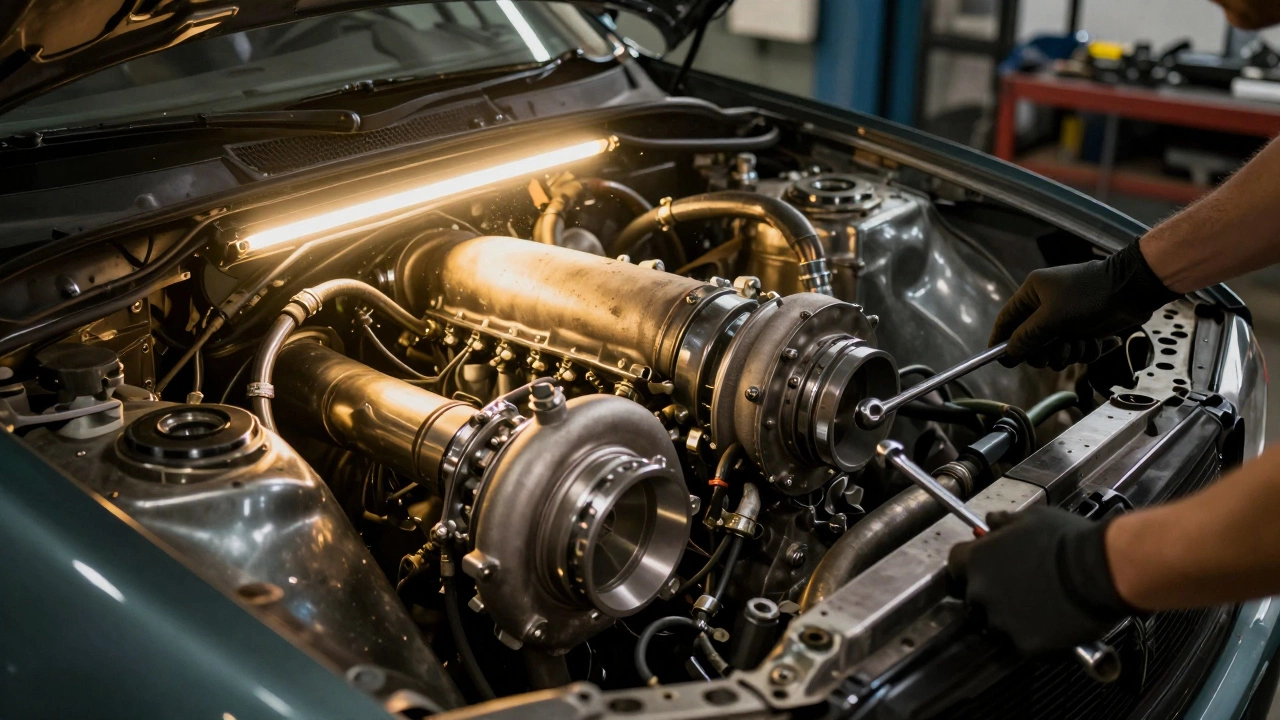
Turbocharging is a forced induction method using exhaust gases to compress intake air, multiplying engine power output. If you've bolted on a turbocharger that pushes your inline-four past 350 hp, yes-you're in Stage 3 territory. Your stock clutch cannot handle sustained boost pressure combined with aggressive shifts.
Supercharged vehicles face similar demands. Positive drive from a supercharger creates instant torque multiplication off idle. Without adequate clutch capacity, you'll experience slippage even during normal spirited driving, not just hard launches.
ECU Tuning is electronic control unit modification that recalibrates fuel, timing, and boost parameters for increased power. When your tuner cranks up the timing tables and removes factory safety margins, those power gains show up as additional stress on every rotating assembly. The clutch bears this load directly.
Track usage changes everything. Even modestly modified cars used regularly at autocross or circuit events benefit from upgraded clutch components. Heat soak accumulates quickly during tight sessions, and standard clutches begin to fail predictably under those conditions.
Misuse symptoms appear early: RPM spikes without speed increase, blue smoke under acceleration, or a gritty pedal feel. Once you see these signs, damage is already happening. The friction material wears through faster than your wallet allows.
Installation Challenges You Should Know About
Fitting a Stage 3 clutch kit isn't plug-and-play. Several compatibility factors determine whether your vehicle will accept the upgrade.
Your transmission input shaft must match the spline count and diameter. Older German models often share transmissions across multiple platforms, but newer applications vary widely. Measure yours before ordering anything online.
Clutch pedal hydraulics come into play. Heavy-duty pressure plates require stronger hydraulic assistance. Some builds add larger master cylinders or switch entirely to cable release systems for better modulation control.
Throwout Bearing is the clutch release mechanism that disengages pressure when shifting gears. Underestimating this component ruins great installations. Stage 3 throws operate at higher speeds and temperatures than OEM units. Ceramic-coated bearings handle the thermal loads better than needle-bearing designs.
Alignment tools matter too. Precision alignment ensures the new disc engages evenly with the splined hub. Cheap plastic guides bend under torque wrench loads, creating wobble that shows up as pedal pulsation within weeks.
Professional installation saves headaches. Proper seating requires torque sequencing on the pressure plate bolts, typically following a star pattern at specific intervals. Skip steps and you risk warping the entire assembly-the costliest mistake in any clutch job.
What It Feels Like to Drive With Stage 3 Hardware
If you're wondering whether a Stage 3 setup makes daily life miserable, the answer depends heavily on vehicle type and driver habits.
In heavy traffic, the bite point sits much closer to the firewall compared to stock. Finding neutral requires feather-light throttle control, especially when coming to stops on inclines. There's a learning curve that takes roughly two weeks for most drivers to adapt to comfortably.
At highway speeds, differences disappear almost entirely. The clutch stays engaged, transmitting full power without intervention required. Highway passing doesn't feel different unless you're launching from low speeds repeatedly.
Launch Control is a system managing torque delivery during acceleration to maximize traction and prevent wheelspin. For drag racing or quarter-mile runs, Stage 3 clutches pair perfectly with launch strategies. Controlled slip translates to predictable power application without sudden engagement jerks.
Cold weather brings challenges. Cold metal contracts, increasing pedal travel distance needed to fully disengage. Some drivers report stiffness requiring 30-40 percent more leg effort in sub-zero conditions until the hydraulic fluid warms up.
Sound profile changes noticeably too. Solid flywheels transmit engine noise through the pedal assembly more readily. You'll hear more gear rattle and drivetrain NVH compared to dual-mass setups. Trade-offs happen at this power level-comfort versus performance balance.
How Long Does a Stage 3 Clutch Last
Lifespan depends almost entirely on how aggressively you drive, but reasonable expectations help manage maintenance schedules.
Conservative street drivers see 60,000-80,000 miles before replacement becomes necessary. Track days eat that mileage fast-one day of wheelies can equal a month of cautious commuting wear.
Inspection intervals should drop from every 60,000 miles to roughly 40,000 miles once performance upgrades exist. Visual checks through access ports catch problems before catastrophic failure leaves you pushing the car home.
Friction Material Wear is progressive degradation of clutch disc surface reducing grip over time. Monitor thickness readings during service intervals. When remaining material drops below specified minimums, replacement prevents sudden loss of power transfer capability.
Hydraulic fluid bleeding benefits performance units significantly. Contaminated fluid causes soft pedal return inconsistent with actual engagement points. Flush lines annually to maintain optimal hydraulic response and minimize air bubbles in the system.
Cost comparison helps budget planning. Stage 3 kits average £800-£1,500 including labor depending on complexity. Factor in potential transmission removal time, which ranges from four hours for rear-wheel-drive to eight-plus for front-engine applications.
Mistakes That Ruin Great Clutch Installations
People make avoidable errors during Stage 3 conversions that shorten component life dramatically. Learning from others' mistakes keeps your wallet healthier.
Budget pressure plates paired with expensive discs create mismatched pressure distribution. Either matches your application or neither works correctly. Mixing brands voids warranties without guaranteeing performance improvements.
Pedal adjustment gets overlooked constantly. If freeplay falls outside manufacturer specs, partial drag causes premature wear. Set freeplay to exactly 10-12 millimeters before testing engagement.
Break-in Procedure is the initial running period allowing friction surfaces to seat properly before full-power use. Skipping break-in protocols burns clutch linings within the first hundred miles. Light loading for the first 500 miles lets materials conform naturally to mating surfaces.
Ignoring flywheel resurfacing costs thousands later. Glazed surfaces create uneven contact patterns leading to chatter and noise complaints. Machine faces flat during installation regardless of current condition.
Grease application on wrong spots destroys friction properties. Input shaft splines need light grease only; contamination on friction surfaces creates immediate slippage. Clean parts stay clean throughout the process.
Is a Stage 3 clutch suitable for daily driving?
Stage 3 clutches work for daily driving if you modify your driving habits. Expect stiffer pedal feel and less forgiving engagement. Most drivers adapt within two weeks, but stop-start traffic becomes more demanding. Consider Stage 2 if you want performance with better street manners.
What's the difference between Stage 2 and Stage 3 clutches?
Stage 2 handles moderate power increases up to 25% over stock with good street usability. Stage 3 supports unlimited horsepower with race-focused characteristics. Stage 2 offers smoother engagement for mixed-use vehicles while Stage 3 sacrifices comfort for maximum durability under extreme loads.
Can I install a Stage 3 clutch myself?
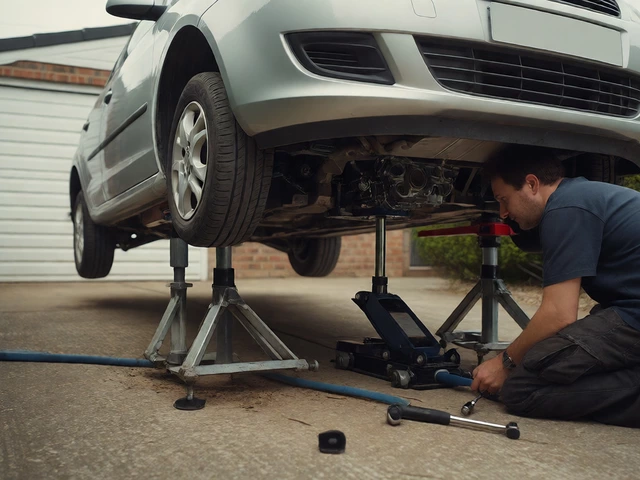
DIY installation requires significant mechanical experience and equipment. Proper alignment tools, torque sequencing, and hydraulic bleeding expertise are essential. Professional installation guarantees correct fitment and maintains warranty coverage on components.
How do I know if my current clutch needs upgrading?
Watch for RPM spikes without speed gain, blue smoke during acceleration, or gritty pedal operation. Modified engines exceeding stock output by 25% or more typically exceed OEM clutch capacity. Consult your tuner for realistic recommendations based on dyno results.
Does a solid flywheel affect ride quality?
Yes, solid flywheels increase engine noise transmission and can introduce additional drivetrain vibration. Dual-mass units dampen harmonics for comfort while solid designs prioritize direct power transfer. Expect louder gearbox noise and firmer pedal feedback with solid installations.
What brands make reliable Stage 3 clutch kits?
Top-tier options include OEM-derived systems from manufacturers like Exedy and LuK alongside specialist builders such as McLeod, ACT, and SPEC. Research compatibility lists before purchasing and verify torque specifications match your engine configuration.
How much does a complete Stage 3 clutch job cost?
Expect £800-£1,500 total including parts and labor for professional installation. Prices vary based on vehicle accessibility, transmission removal complexity, and brand selection. Additional costs may apply for flywheel machining or hydraulic system upgrades.