Air Filter Advisor
Staring at two boxes in the auto parts aisle? Use this guide to determine if spending extra on a premium filter is worth it for your specific situation.
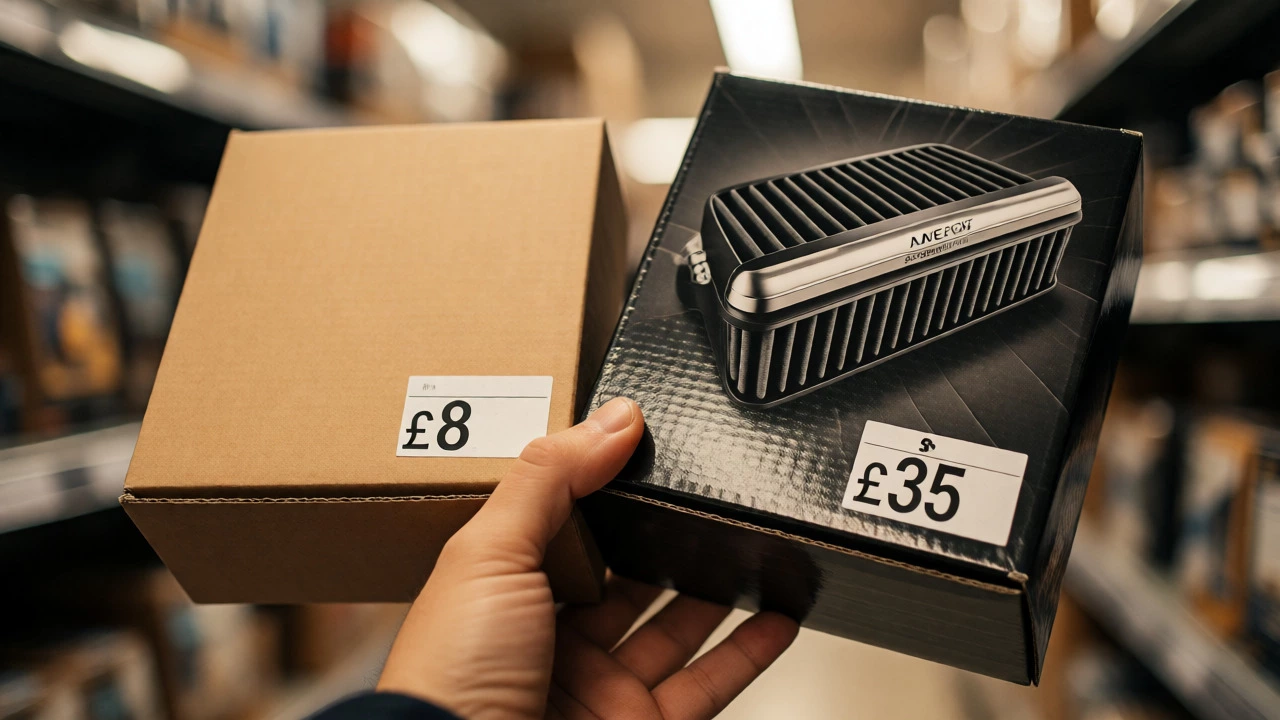
You’re standing in the auto parts aisle, staring at two boxes. One costs £8. The other costs £35. Both say they fit your Ford Focus. The expensive one promises "superior filtration" and "better performance." Does it actually deliver, or are you just paying for a fancier box? It’s a question that plagues every car owner eventually. You want clean air for your engine or your lungs, but you don’t want to waste money on marketing hype.
The short answer is: sometimes yes, often no. It depends entirely on what you’re filtering, where you live, and how you drive. Let’s break down why price tags vary so wildly and when spending more actually gets you more.
Engine Air Filters: Flow vs. Filtration
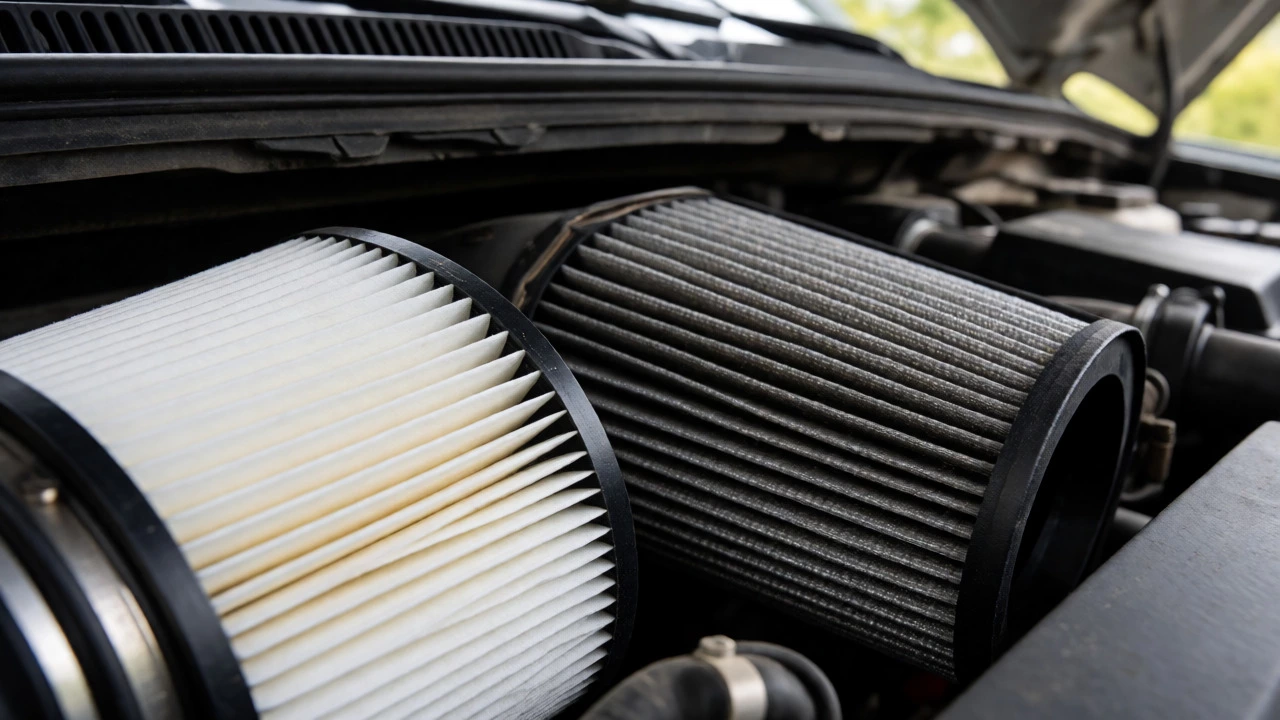
When we talk about engine air filters, we’re dealing with a trade-off between catching dirt and letting air flow. The basic job is simple: stop dust, sand, and bugs from chewing up your cylinders. But here’s the catch. To catch smaller particles, the material needs to be denser. Denser material restricts airflow. Restricted airflow can slightly reduce horsepower, especially in naturally aspirated engines.
Cheap paper filters do a decent job of catching large debris. They are designed to meet manufacturer specifications, which means they work well enough for 90% of drivers. However, premium filters often use multi-layer synthetic media. This allows them to trap finer particulate matter without choking the engine as much. If you drive in dusty rural areas or off-road, this difference matters. In Manchester city traffic? Probably not.
| Feature | Standard Paper (Cheap) | Premium Synthetic (Mid-Range) | High-Performance Cotton Gauze (Expensive) |
|---|---|---|---|
| Filtration Efficiency | Good (catches visible dirt) | Excellent (catches fine dust) | Variable (depends on oiling) |
| Airflow Restriction | Low | Very Low | Lowest (high flow) |
| Lifespan | 15,000 - 20,000 miles | 20,000 - 30,000 miles | 50,000+ miles (cleanable) |
| Maintenance | Replace | Replace | Clean and Re-oil |
See those high-performance cotton gauze filters? Brands like K&N charge a premium because they are reusable. You wash them out and re-oil them. Over ten years, that might save you money compared to buying disposable ones every year. But if you forget to oil them properly, you risk sucking dirt straight into your engine. For most daily commuters, the hassle isn’t worth the tiny potential gain in throttle response.
Cabin Air Filters: Where Price Matters Most
If there is one place where paying extra makes sense, it’s the cabin air filter. This is the filter behind your glovebox that cleans the air you breathe inside the car. Standard filters are usually just pleated paper. They catch pollen and big bits of fluff. That’s fine if you have no allergies.
Premium cabin filters often include activated carbon. Carbon absorbs odours and volatile organic compounds (VOCs). If you sit in London traffic smelling exhaust fumes, or if you smoke in your car, a standard paper filter won’t touch the smell. A carbon filter will. There’s also the issue of particulate matter. During periods of high pollution, like winter smog in UK cities, a higher-grade filter with a better MERV rating (Minimum Efficiency Reporting Value) can make a noticeable difference in air quality inside the cabin.
Think about it this way: Your engine doesn’t care if it breathes slightly less efficient air. You do. If you suffer from hay fever or asthma, upgrading from a £6 basic filter to a £20 carbon-filtered unit is one of the cheapest health upgrades you can make for your vehicle.
Understanding MERV Ratings and Micron Sizes
Marketing terms like "ultra-clean" mean nothing. Numbers mean something. When looking at filters, check the micron rating. This measures the size of particles the filter catches. Lower numbers are better. A standard filter might catch particles down to 10 microns. Premium filters can catch particles down to 1 micron or smaller.
For context:
- Pollen: ~10-100 microns
- Mould spores: ~3-40 microns
- Bacteria: ~0.2-10 microns
- Fine dust (PM2.5): <2.5 microns
If you buy a cheap filter, you’re likely only stopping pollen. If you buy an expensive HEPA-style cabin filter, you’re stopping bacteria and fine dust. Is it worth £15 extra? Only if you care about breathing PM2.5 while stuck at traffic lights.
The Myth of Horsepower Gains
Car enthusiasts love the idea that a £50 intake filter adds 5 horsepower. In reality, unless you’ve modified your ECU (engine computer), the gains are negligible. Modern cars have sophisticated mass airflow sensors. If you change the airflow characteristics drastically with a high-flow filter, the sensor might get confused, leading to lean or rich fuel mixtures that actually hurt performance or economy.
Unless you are building a race car, don’t buy an expensive filter expecting it to transform your driving experience. Buy it because it lasts longer or keeps your engine cleaner over time. The "performance" claim is mostly placebo for street cars.

When Cheap Filters Are Good Enough
Let’s be honest: for many people, the £7 generic brand is perfectly fine. Here’s when you should stick with the budget option:
- You drive low mileage: If you do under 10,000 miles a year, you’ll replace the filter before it clogs anyway.
- You live in a clean area: Rural roads with little construction dust don’t demand heavy-duty filtration.
- Your car is older: On a 15-year-old car, marginal improvements in air purity won’t extend its life significantly.
- No respiratory issues: If you never sneeze in the car, skip the carbon filter.
Manufacturers design their service intervals based on standard filters. Using a filter that exceeds specs doesn’t necessarily allow you to stretch the interval. Stick to the schedule in your handbook. Changing a cheap filter twice as often is still cheaper than changing an expensive one once, and ensures cleaner air.
How to Choose the Right Filter for You
Don’t just grab the most expensive box. Match the filter to your lifestyle. Use this quick decision tree:
- Is it for the engine?
- Do you tow, drive off-road, or live in a desert/dusty zone? Yes → Buy Premium Synthetic.
- Are you a track enthusiast who wants maximum airflow? Yes → Buy High-Flow Cotton Gauze.
- Just commuting on tarmac? Yes → Buy OEM-spec or reputable aftermarket brand.
- Is it for the cabin?
- Do you have allergies or asthma? Yes → Buy Activated Carbon + High MERV.
- Does your car smell bad after rain or AC use? Yes → Buy Anti-bacterial/Anti-mould treated filter.
- Do you just want to keep leaves out? Yes → Buy Basic Paper.
Remember, installation matters too. If you shove a premium filter in backwards, it won’t work any better than a cheap one. Always check the airflow direction arrow on the side of the filter frame.
Do expensive air filters improve fuel economy?
Not significantly for modern cars. While a clogged filter hurts economy, a new filter-whether cheap or expensive-restores normal function. You won’t see a measurable mpg increase from switching from a standard paper filter to a premium synthetic one unless the old one was severely dirty.
Can I wash my engine air filter instead of replacing it?
Only if it is specifically designed to be washable, such as cotton gauze filters (e.g., K&N). Standard paper and most synthetic filters cannot be washed; water damages the fibres and ruins the filtration structure. Attempting to wash a non-washable filter can lead to engine damage.
What is the difference between engine and cabin air filters?
Engine air filters protect the internal combustion engine from debris that could cause mechanical wear. Cabin air filters protect the passengers by cleaning the air entering the ventilation system. They are different sizes, shapes, and filtration standards, and are not interchangeable.
How often should I change a premium air filter?
Follow your vehicle manufacturer’s recommended service interval. Even though premium filters last longer physically, sticking to the schedule ensures optimal engine performance and prevents dirt buildup in sensitive components like turbochargers or mass airflow sensors.
Are activated carbon cabin filters worth the extra cost?
Yes, if you care about odour removal and breathing cleaner air in polluted environments. Carbon filters absorb smells and gases that paper filters miss. For allergy sufferers or those living in cities, the £10-£15 extra cost is generally considered good value for improved comfort and health.