Fuel Pump Performance Estimator
Symptom Assessment
Select symptoms you're experiencing (match the article's warning signs)
Fuel Pressure Test
Enter your measured fuel pressure (should be 30-60 psi)
You turn the key. The engine cranks. You hear that familiar hum from the back of the car-the fuel pump is running. But the car won’t start. Or it sputters, stalls, or loses power on the highway. You think, ‘If it’s running, it must be fine.’ Wrong.
Just because it hums doesn’t mean it works
A fuel pump can spin, make noise, and even push some fuel-but still be completely broken. It’s like a water pump in your house that makes noise but only drips out a trickle. The motor might still be alive, but the internal parts are worn out, clogged, or damaged. The result? Not enough fuel pressure, not enough fuel volume, or fuel that’s dirty or inconsistent.
Modern fuel pumps don’t just move fuel-they have to deliver it at precise pressure. Most gasoline engines need between 30 and 60 psi. If your pump is weak, it might hit 20 psi. That’s enough to make it run and even sound normal, but not enough to keep the engine firing under load. You’ll notice it most when you’re accelerating, climbing a hill, or towing. The car feels like it’s running out of breath.
How a failing fuel pump behaves
Here’s what a bad fuel pump looks like in real life, even when it’s still humming:
- Hard starts after the car sits - You park for 10 minutes, come back, and the engine takes 3-4 cranks to fire. Why? The pump can’t build pressure fast enough. The fuel lines drain back, and the pump struggles to refill them.
- Stalling under load - On the motorway, you press the gas to overtake. The engine hesitates, then stalls. Let off the pedal, and it idles fine again. That’s because the pump can’t keep up with demand.
- Loss of power at high speeds - Around 70 mph, the car feels sluggish. It’s not the engine. It’s the pump hitting its limit. It’s like trying to drink a thick milkshake through a straw that’s half-blocked.
- Intermittent stalling - The car dies randomly, then starts again after sitting for a few minutes. This often happens when the pump overheats and shuts down temporarily. It cools, then works again-until the next time.
- Check Engine light with no clear code - You get a P0191 (fuel rail pressure too low) or P0087 (fuel system pressure too low). But your mechanic says the sensors are fine. The real culprit? The pump isn’t delivering what the engine expects.
Why the pump keeps running even when it’s failing
Fuel pumps are electric motors. As long as electricity flows to them, they spin. That’s why you hear the hum when you turn the key. But spinning doesn’t equal working. The real problem lies inside:
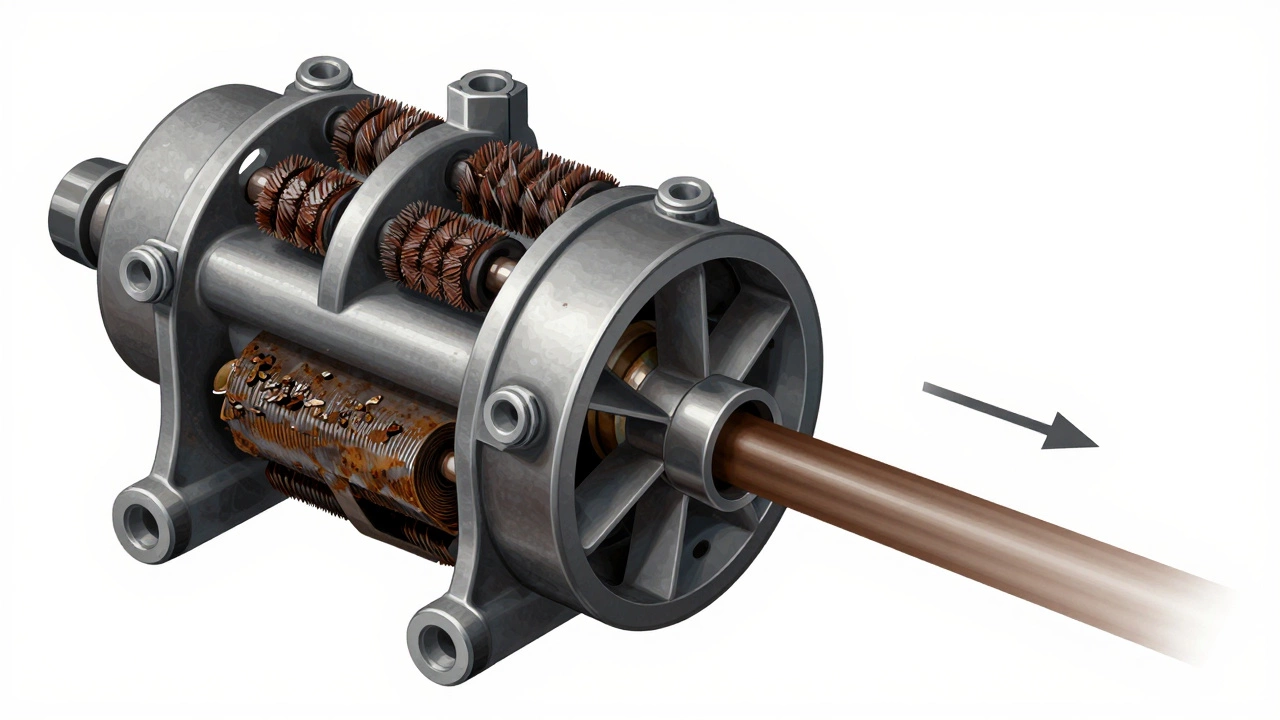
- Worn brushes - The brushes inside the motor wear down over time. They still make contact, but not well enough to generate full power.
- Impeller damage - The impeller (the part that pushes fuel) can crack, warp, or get clogged with debris. It spins, but doesn’t move enough fuel.
- Strainer clog - The sock filter at the bottom of the pump gets gunked up with rust, dirt, or old fuel residue. The pump still runs, but it’s sucking through a straw made of sludge.
- Pressure regulator failure - Some pumps have built-in regulators. If it sticks open, pressure drops. The pump runs, but fuel isn’t being pushed hard enough.
Many people replace the pump because the car won’t start. But if you’ve had intermittent issues-hesitation, stalling, power loss-you’re likely already driving with a failing pump. Waiting until it dies completely means you could be stranded.
How to test a fuel pump you think is bad
You don’t need a garage to check this. Here’s what to do:
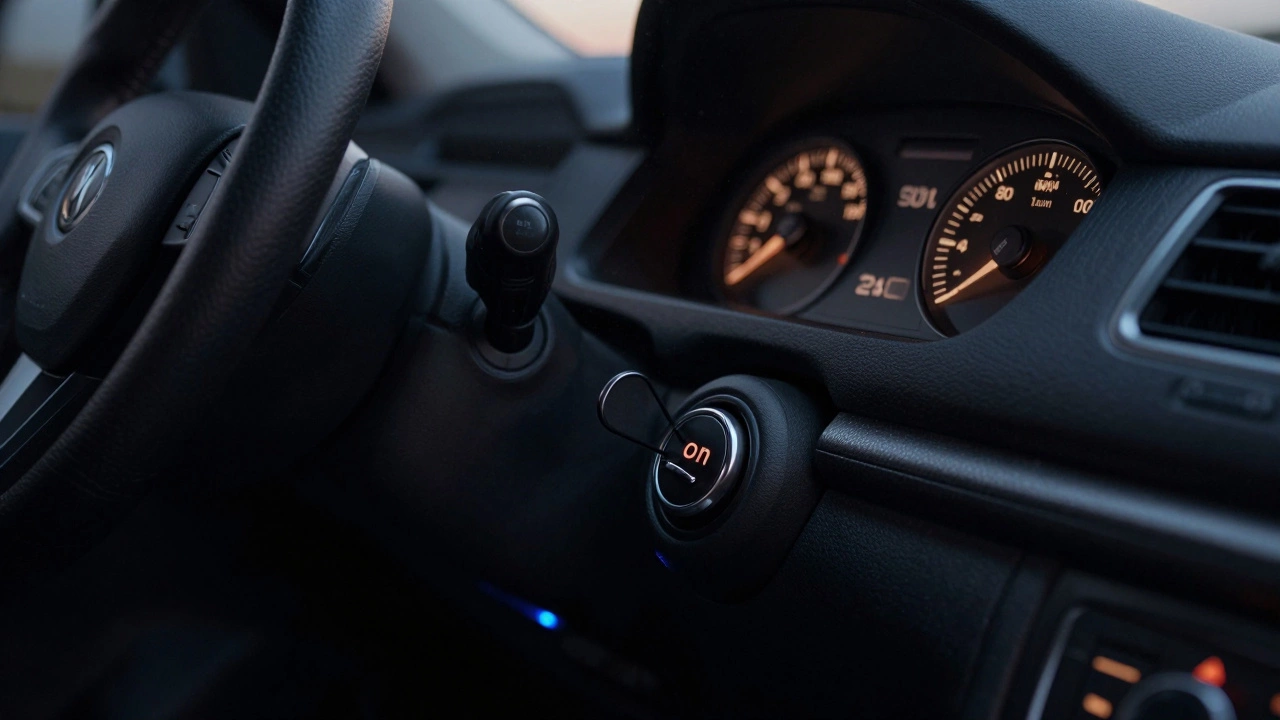
- Listen for the hum - Turn the key to ‘on’ (don’t start the engine). You should hear a 2-3 second buzz from the rear of the car. If you don’t hear it, the pump or relay might be dead.
- Check fuel pressure - You need a fuel pressure gauge. Most auto parts stores will lend or rent one. Hook it up to the fuel rail (or Schrader valve if your car has one). Turn the key on. Pressure should jump to 30-60 psi and hold steady. If it’s low or drops quickly, the pump is weak or the regulator is leaking.
- Test fuel volume - Disconnect the fuel line at the engine (after relieving pressure). Point it into a container. Turn the key on for 10 seconds. You should get at least 3/4 of a cup of fuel. Less than that? The pump isn’t delivering enough.
- Check voltage at the pump - If pressure and volume are low, check if the pump is getting full 12-13 volts. Low voltage means a bad relay, fuse, or wiring issue-not necessarily a bad pump.
If you’re not comfortable doing this, take it to a shop. But ask them to test pressure and volume-not just listen for noise. Many mechanics assume a humming pump is fine. It’s not.
What causes fuel pumps to fail early
Fuel pumps aren’t supposed to die at 60,000 miles. But they do. Here’s why:
- Running on empty - Fuel cools the pump. If you regularly drive with less than a quarter tank, the pump overheats. It’s like running a fan without air flowing through it.
- Dirty fuel - Cheap gas, old fuel, or contaminated tanks introduce grit that wears out the impeller and clogs the strainer.
- Old fuel filters - The fuel filter protects the pump. If you haven’t changed it in 40,000 miles, the pump is doing all the filtering. It’s overworked.
- Aftermarket parts - Cheap replacement pumps often use inferior materials. They run for a few months, then fail. Stick with OEM or reputable brands like Bosch, Denso, or Delphi.
If you’ve had multiple fuel pump failures on the same car, look at your fuel habits. Are you filling up at the cheapest station? Do you drive with the tank near empty? Fix those first.

What to do if your pump is failing
Don’t ignore it. A failing fuel pump can leave you stranded on a cold motorway in December. Here’s what to do:
- Replace it now - If you’ve got symptoms, replace the pump. Don’t wait. It’s cheaper than a tow bill.
- Replace the fuel filter too - Always. Even if it looks clean. It’s cheap insurance.
- Flush the tank if it’s dirty - If your tank has rust or sludge, clean it before installing the new pump. Otherwise, the new pump will clog again in weeks.
- Fill up with quality fuel - Use branded stations. Avoid stations with a reputation for bad fuel. Your pump will thank you.
- Keep the tank at least half full - Especially in winter. It keeps the pump cool and reduces condensation.
Most fuel pumps last 100,000-150,000 miles. But if you’ve been hard on your fuel system, they can die at 50,000. It’s not a matter of if-it’s a matter of when. And if your pump is running but the car isn’t, you’re already past the point of waiting.
What happens if you ignore it
Ignoring a weak fuel pump doesn’t just mean getting stranded. It can damage other parts:
- Injectors - Low pressure means fuel doesn’t atomize properly. That leads to carbon buildup and misfires.
- Engine control unit - The ECU keeps trying to compensate for low fuel pressure. Over time, this can cause it to learn bad habits and throw false codes.
- Spark plugs - If the engine runs lean (not enough fuel), the plugs overheat and foul faster.
Fixing a fuel pump costs £250-£600 depending on the car. Replacing a set of injectors? £800+. A new ECU? £1,500+. You don’t need to be a mechanic to do the math.
When a fuel pump runs but the car won’t start, it’s not a mystery. It’s a warning. The pump is still alive-but barely. Don’t wait for it to die completely. Test it. Replace it. And protect the next one.
Can a fuel pump make noise and still be bad?
Yes. A fuel pump can hum, buzz, or whine and still be failing. The noise comes from the electric motor spinning, but that doesn’t mean it’s delivering enough fuel pressure or volume. Many people mistake noise for function-when it’s actually the opposite. A silent pump is dead. A noisy pump might be dying.
How do I know if my fuel pump is weak or completely dead?
A completely dead pump won’t make any noise when you turn the key. A weak pump will hum but the car won’t start, stalls under load, or loses power at high speeds. Use a fuel pressure gauge to confirm. If pressure is below 30 psi or drops quickly, the pump is weak-not dead.
Can a clogged fuel filter cause the same symptoms as a bad fuel pump?
Yes. A clogged filter restricts fuel flow, which mimics a weak pump. That’s why you always replace the filter when replacing the pump. If you don’t, the new pump will struggle right away. The filter is the first line of defense-keep it clean.
Is it safe to drive with a failing fuel pump?
Not for long. Driving with a weak fuel pump can cause engine misfires, overheating, and damage to injectors or sensors. You risk stalling in traffic or on a motorway. It’s not a question of if it will fail-it’s when. Replace it before it leaves you stranded.
How long does a fuel pump usually last?
Most fuel pumps last between 100,000 and 150,000 miles. But if you frequently drive with a low fuel level, use poor-quality fuel, or skip fuel filter changes, they can fail as early as 50,000 miles. Proper maintenance doubles their lifespan.