Clutch Replacement Cost & Feasibility Calculator
Estimate your savings or hidden costs when replacing a slipping clutch. Enter your specific details to see if doing it yourself is financially worth the effort.
Enter your data and click calculate to see your potential savings.
You’re driving along a quiet road outside Manchester, the engine revs climb, but the car doesn’t speed up. You know that feeling in your gut-the clutch is slipping. The garage quote lands in your inbox: £600 to £900. Ouch. That number makes you wonder if you can just buy a clutch kit and do it yourself. It’s a tempting idea. Parts are half the price of labour. But is swapping a clutch actually a weekend job for a home mechanic, or is it a trap that will leave your car stranded on blocks?
The Reality Check: What Are You Actually Signing Up For?
Let’s be honest. Changing a clutch isn’t like changing an oil filter or even brake pads. It’s one of the biggest jobs you can tackle in a driveway. Why? Because the clutch sits between the engine and the gearbox. To get to it, you have to remove the entire transmission. In most front-wheel-drive cars (which is likely what you drive), this means pulling the engine mounts, dropping the subframe, and wrestling a heavy metal box off its bolts.
If you’ve never removed a gearbox before, expect this to take two full days, not two hours. If you hit a seized bolt at 8 PM on Saturday with no heat source, you’ll be sleeping in your living room wondering why you didn’t just pay the mechanic. This isn’t meant to scare you; it’s to set expectations. If you enjoy mechanical puzzles and have the space, it’s rewarding. If you value your free time more than saving £300, maybe think twice.
Do You Have the Right Tools and Space?
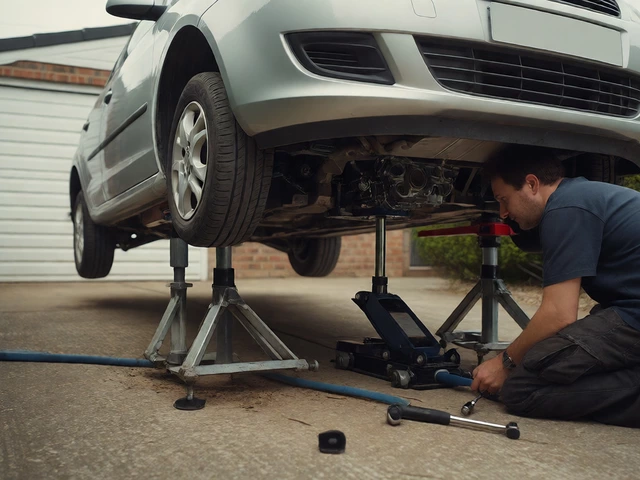
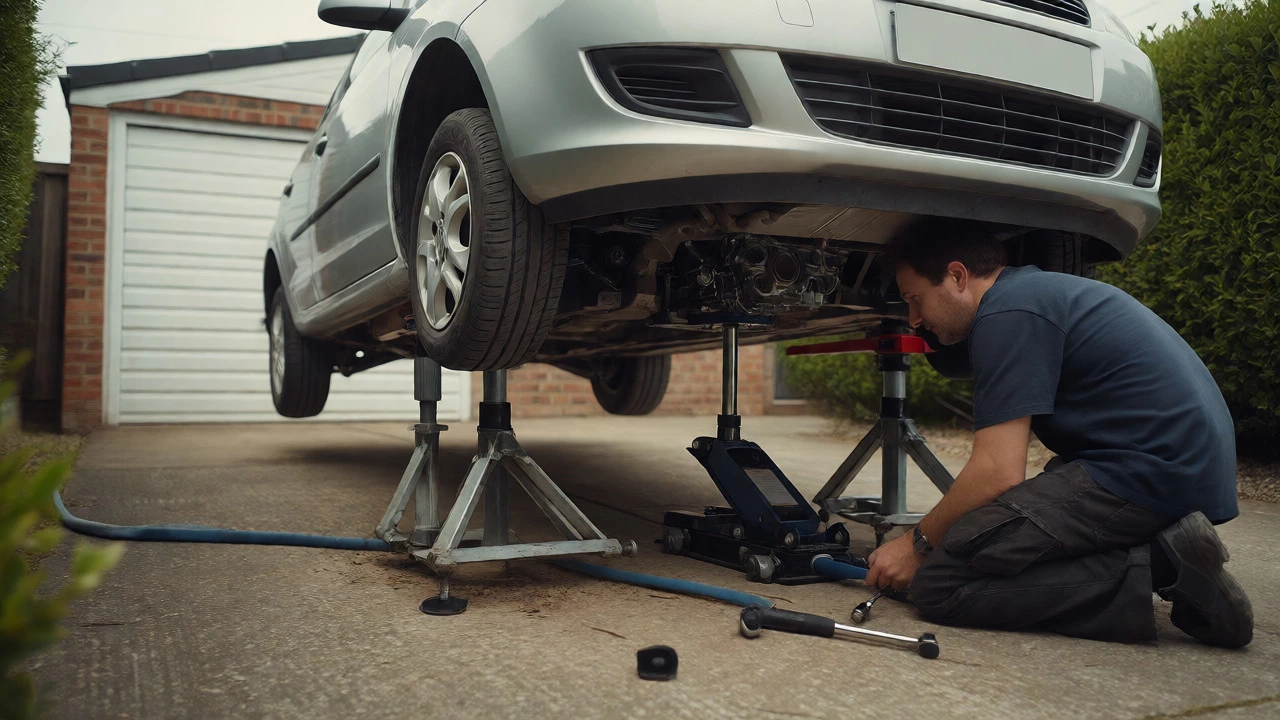
Before you order parts, look at your driveway. Do you have flat concrete? You need to jack the car up high enough to slide underneath and work comfortably. A single trolley jack won’t cut it. You need axle stands rated for at least 2 tonnes each, plus a hydraulic transmission jack to support the weight of the gearbox as you unbolt it. Gearboxes weigh between 40kg and 100kg depending on the model. Dropping one onto your foot-or worse, cracking your sump-is a costly mistake.
Your tool kit needs to go beyond basic spanners. You’ll need:
- A complete socket set, including deep sockets and extensions.
- Breaker bar for stubborn bolts.
- Torque wrench (critical for reassembly).
- Clutch alignment tool (specific to your car model).
- Penetrating fluid like PlusGas or WD-40 Specialist.
- Brake cleaner to degrease the flywheel surface.
If you don’t own these, factor their cost into your savings calculation. Buying a quality torque wrench and transmission jack might eat up £150-£200, which shrinks your profit margin significantly.
Choosing the Right Clutch Kit
Not all clutch kits are created equal. You’ll see brands like Sachs, Luk, and Valeo. These are OEM suppliers-they make the original parts for manufacturers like Ford, Vauxhall, and Volkswagen. Stick with them. Avoid the cheapest unbranded kits from online marketplaces unless you want to redo the job in six months.
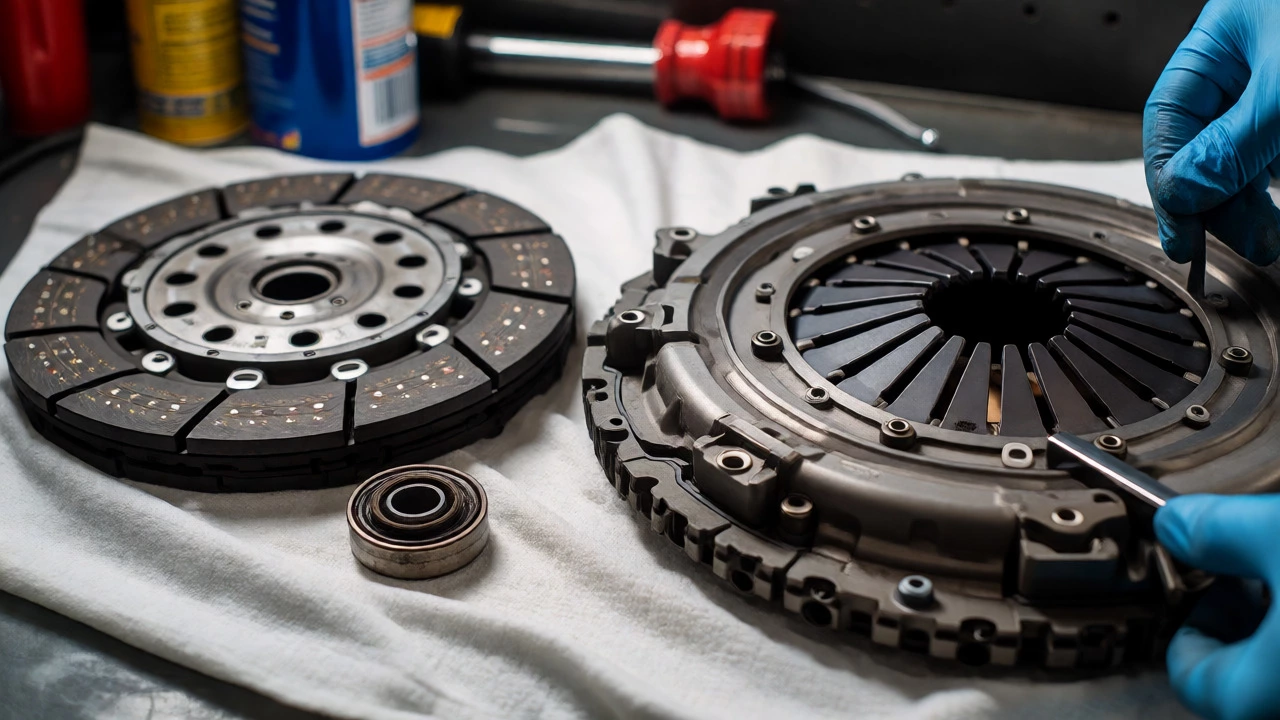
Most modern cars use a dual-mass flywheel (DMF). When replacing the clutch, you almost always replace the DMF too. It’s integrated into the kit for a reason. If you reuse an old DMF with new friction plates, the imbalance can cause vibration and premature failure. Always check if your kit includes the release bearing and pilot bearing. If it doesn’t, buy them separately. They cost pennies compared to the labour of doing the job again.
| Cost Factor | DIY Estimate | Professional Garage |
|---|---|---|
| Clutch Kit & Flywheel | £150 - £300 | £150 - £300 (Marked up) |
| Labour (5-8 hours) | £0 (Your time) | £300 - £500 |
| Tools Required | £150 - £250 (One-off) | Included |
| Total Cash Outlay | £300 - £550 | £450 - £800 |
| Risk Factor | High (Stranded car, stripped bolts) | Low (Warranty included) |
The Step-by-Step Process: Where It Gets Tricky
The actual disassembly follows a logical path, but there are specific pitfalls where home mechanics often stumble.
- Disconnect the battery. Always start here. You’ll be working near starter motors and alternators.
- Remove wheels and underbody panels. Access varies wildly by car. Some require removing the exhaust system entirely because it wraps around the gearbox.
- Detach linkages and cables. Take photos before unplugging anything. Modern cars use electronic sensors for gear position; label every connector.
- Support the engine. Use a wooden block under the oil pan and a jack to hold the engine steady. If you drop the gearbox without supporting the engine, you’ll rip out engine mounts or damage the rear main seal.
- Unbolt the bell housing. Start from the bottom and work up. The last bolt holds significant tension.
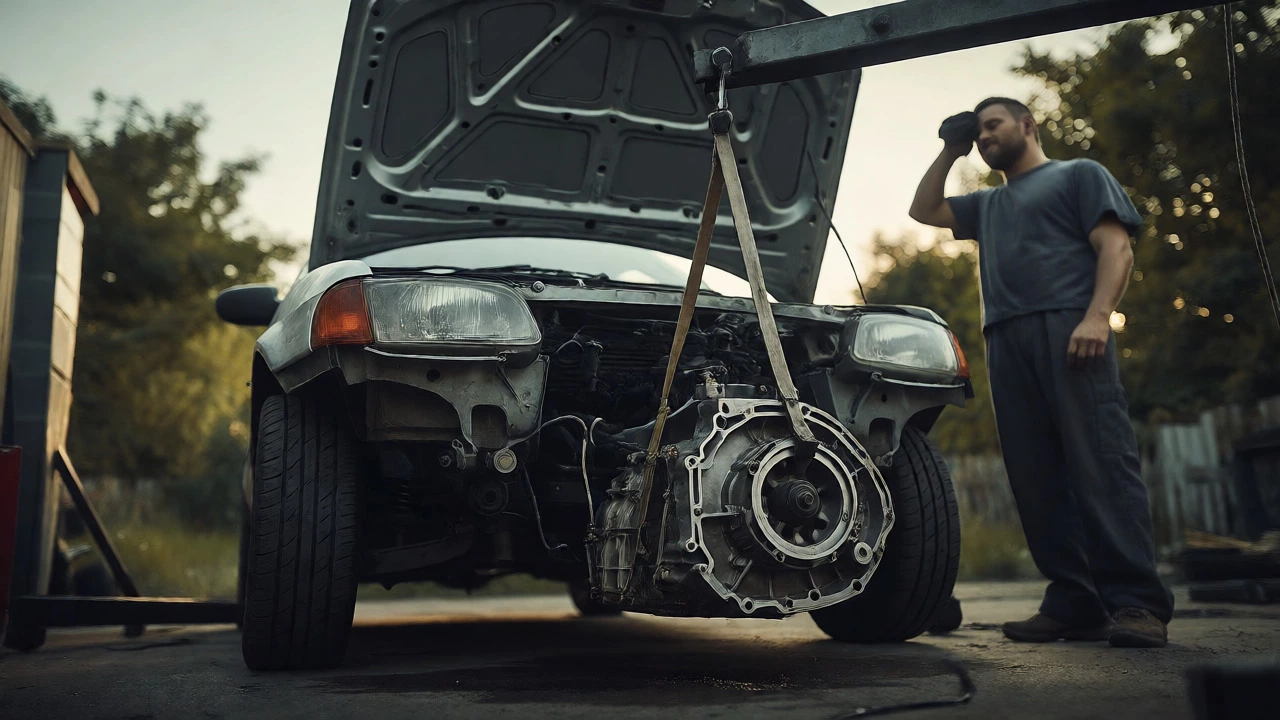
- Pull the gearbox. Wiggle it gently. Don’t force it. If it sticks, check for hidden bolts behind brackets or wiring harnesses still connected.
Once the gearbox is out, inspect the crankshaft seal. If it’s leaking oil, replace it now. It’s visible and accessible. Doing it later requires another teardown.
Installation Precision Matters
Putting it back together is where precision counts. The clutch plate must sit perfectly centred. Use the alignment tool. If the plate is off-centre by even a millimetre, the input shaft won’t slide through, and you’ll have to pull the whole gearbox off again. Trust me, you don’t want to do that twice.
Tighten the pressure plate bolts in a star pattern to ensure even clamping force. Torque specs are non-negotiable. Over-tightening cracks the flywheel; under-tightening causes warping. Consult your workshop manual for exact Newton-metres (Nm) values.
Reinstalling the gearbox is tricky. You need to align the input shaft with the clutch plate while lifting a heavy object. Many DIYers struggle here. Having a helper is invaluable. If you’re alone, use a ratchet strap to guide the gearbox into place slowly.
When to Call a Pro Instead
There are scenarios where DIY is a bad idea. If your car has All-Wheel Drive (AWD) or Four-Wheel Drive (4WD), the complexity doubles. You’re dealing with transfer cases and prop shafts. Unless you’ve done this before, skip it.
Also, consider your mileage. If the car has over 150,000 miles, other components like wheel bearings, CV joints, and suspension bushings might be worn. While the car is apart, inspect them. If they need replacing, the scope of work expands rapidly. At that point, you’re essentially rebuilding the front end. A professional shop has hoists and specialized tools that make these multi-part jobs faster and safer.
Final Verdict: Is It Worth It?
Can you change your clutch yourself? Yes. Should you? Only if you have the right tools, adequate space, and patience. The money saved is real, but so is the risk. If you break a bolt head off inside the bell housing, you’ll need a drill and extractor set, adding hours to your day. If you strip the threads in the aluminium casing, you might need a helicoil insert or a new casing.
For many drivers, paying £400 extra for peace of mind is worth it. Mechanics have insurance and warranties. If the clutch slips again next month, they fix it for free. If you botch the installation, you pay for the tow truck and the mechanic who fixes your mess. Weigh your confidence level honestly. If you’re eager to learn and have a supportive community or forum for your specific car model, go for it. Otherwise, let the pros handle the heavy lifting.
How long does it take to change a clutch?
For a professional mechanic, it typically takes 4 to 6 hours. For a first-time DIYer, expect it to take 10 to 15 hours spread over a weekend. Delays often occur due to seized bolts or difficulty aligning the gearbox during reinstallation.
Do I need to bleed the clutch after replacement?
Yes, absolutely. Whether your car uses a hydraulic slave cylinder or a cable-operated system, air can enter the lines during disconnection. Bleeding ensures the pedal feels firm and the clutch fully engages. Skipping this step leads to poor performance and premature wear.
Can I drive my car if the clutch is slipping?
You can drive short distances cautiously, but avoid high speeds or steep hills. Slipping generates excessive heat, which can damage the flywheel and surrounding seals. If the slip becomes severe, you may lose power entirely, making it unsafe to continue.
What happens if I don't replace the dual-mass flywheel?
A worn dual-mass flywheel (DMF) has internal springs that dampen engine vibrations. If reused, these springs may fail, causing shuddering and noise. New clutch plates on an old DMF often lead to uneven wear and early failure, negating the benefit of the new clutch.
Is it cheaper to replace just the clutch disc?
While buying only the disc is cheaper upfront, it’s rarely recommended. The pressure plate and release bearing usually wear alongside the disc. Replacing them together prevents future breakdowns. Labour costs dominate the bill, so doing the job once with a full kit saves money long-term.