Fuel System Diagnosis Helper
Step 1: Select Symptoms
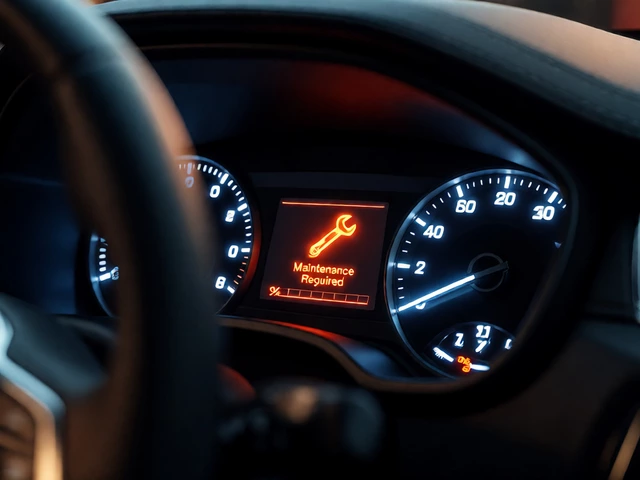
Quick Summary: The Connection Between Fuel and Warning Lights
- A bad fuel pump can trigger the check engine light, but usually via secondary codes like "lean mixture."
- Not all fuel pump failures trigger a light; mechanical failures often stay hidden from the computer.
- Common OBD-II codes associated with fuel delivery include P0171 and P0174.
- Physical symptoms (stuttering, stalling) are often more reliable indicators than the dashboard light.
How the Computer Actually "Sees" Your Fuel Pump
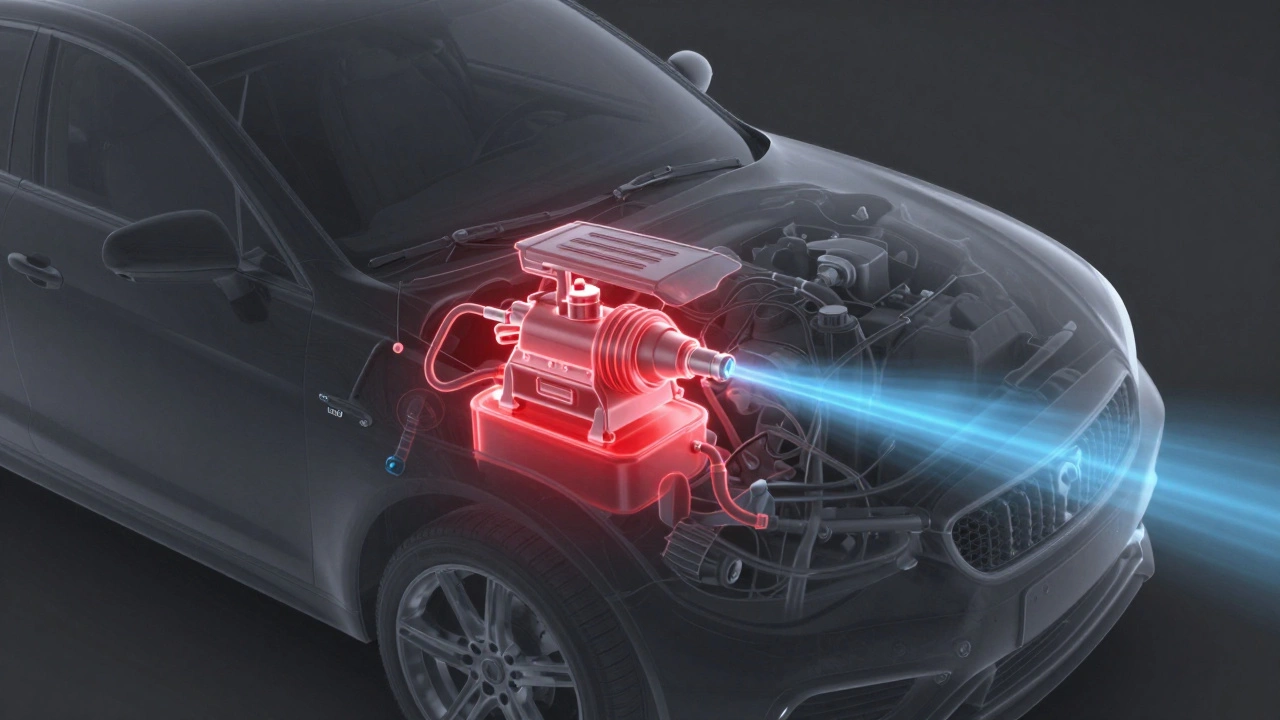
To understand if a light will come on, you have to realize that your car's computer (the ECU) isn't actually watching the fuel pump itself. It doesn't have a "pump health monitor." Instead, it watches the results of the pump's work. Fuel Pump is an electric or mechanical device that pushes fuel from the tank to the engine at a specific pressure.
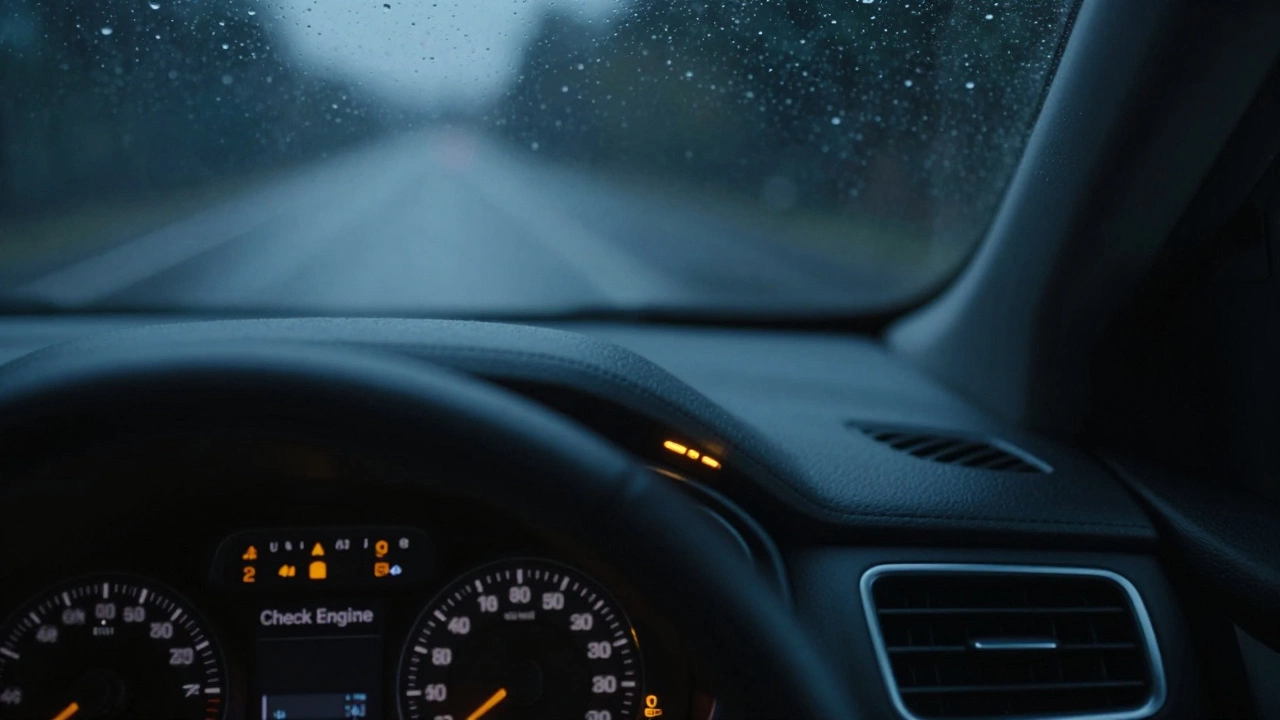
The ECU monitors the Oxygen Sensor (O2 sensor) located in the exhaust. If the pump is weak, it doesn't push enough fuel into the combustion chamber. This creates a "lean condition," meaning there is too much air and not enough gas. When the O2 sensor detects too much oxygen in the exhaust, it tells the ECU, "Hey, we're running lean!" That is when the check engine light finally kicks in. It's not alerting you to a pump failure specifically, but to a fuel-to-air ratio problem.
Common Warning Codes to Look For
If you plug a scanner into your OBD-II (On-Board Diagnostics) port, you won't see a code that says "Fuel Pump is Dead." Instead, you'll see systemic errors. The most common are P0171 and P0174, which indicate that the engine is running lean on Bank 1 or Bank 2.
Another one to watch for is P0420, though that's usually catalytic converter related, it can sometimes be triggered by the engine misfiring due to low fuel pressure. If your pump is failing intermittently, you might see random misfire codes like P0300. This happens because some cylinders aren't getting enough gas to ignite properly, leading to a choppy idle and a vibrating steering wheel.
| Code | Meaning | Why the Pump Causes It |
|---|---|---|
| P0171 | System Too Lean (Bank 1) | Insufficient fuel pressure leads to excess oxygen in exhaust. |
| P0174 | System Too Lean (Bank 2) | Same as P0171 but on the opposite side of the engine. |
| P0300 | Random/Multiple Cylinder Misfire | Uneven fuel delivery causes some cylinders to fail to ignite. |
| P0087 | Fuel Rail/System Pressure Too Low | Directly indicates the pressure is below the required threshold. |
When the Light Stays Off Despite a Failing Pump
This is the dangerous part of car ownership. You can have a fuel pump that is dying but hasn't yet reached the "critical failure" threshold where the ECU notices a lean condition. For example, if your pump is slightly worn, it might provide enough pressure for idling but fail the moment you try to merge onto a motorway at 70 mph.
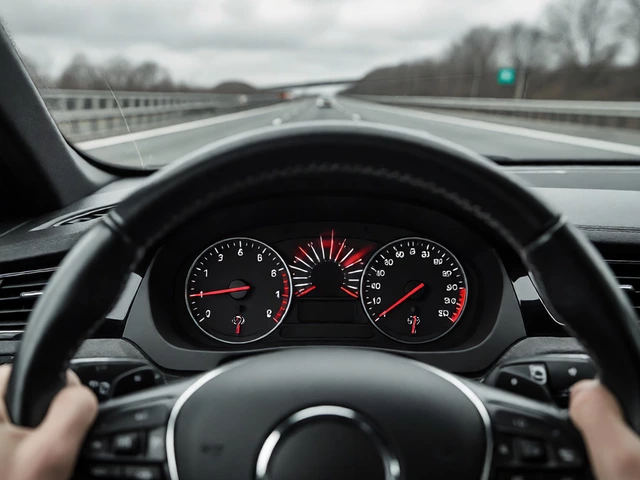
In these cases, the car is struggling, but the O2 sensors are still seeing a "tolerable" amount of fuel, so no light appears. You'll experience the symptoms-like the car jerking or losing power-but your dashboard will look perfectly normal. This is why you should never rely solely on the check engine light to diagnose fuel issues. If the car feels like it's choking, trust your gut over the electronics.
Telltale Physical Signs of Fuel Pump Failure
Since the light can be a liar, you need to look for physical evidence. One of the most reliable signs is a loud whining noise coming from the fuel tank area (usually under the back seat or beneath the chassis). This is often the sound of a pump motor struggling to push fuel through a clogged Fuel Filter, which is the component responsible for trapping contaminants before they hit the pump.
Another classic sign is the "hard start." If you have to crank the engine for 10 seconds instead of the usual two, the pump might be failing to prime the system. When you turn the key, you should hear a brief, high-pitched hum for a second-that's the pump building pressure. If that sound is missing, your pump is likely the culprit.
Testing for a Bad Fuel Pump
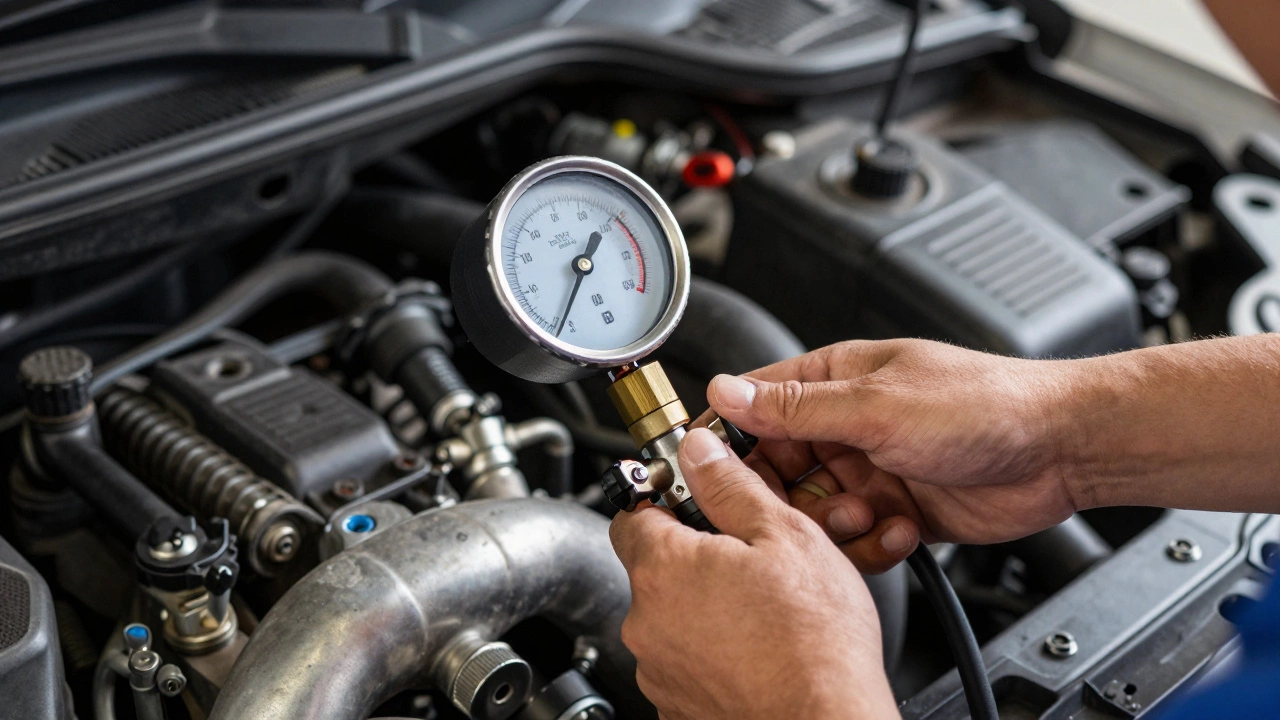
You don't have to guess or rely on a dashboard light. The only way to be 100% sure is to test the Fuel Pressure. This is the actual force (measured in PSI) that pushes gas into the engine.
- The Fuel Pressure Gauge Test: A mechanic attaches a gauge to the fuel rail. If the gauge reads 30 PSI when the manufacturer specs say it should be 50 PSI, the pump is failing.
- The Relay Swap: Sometimes it's not the pump, but the Fuel Pump Relay-the electrical switch that tells the pump to turn on. Swapping this with a known good relay from another part of the car is a quick, free way to rule out electrical issues.
- Listen for the Prime: Turn the ignition to "On" without starting the engine. If you don't hear that hum from the back of the car, the pump isn't receiving power or the motor has burned out.
Avoiding Future Pump Failures
Most people treat their fuel tank like a binary switch: full or empty. This is a mistake. The fuel pump is submerged in gasoline, and it uses that liquid to keep itself cool. When you constantly run your tank down to the last few litres, the pump sucks in air and runs hot, which wears down the internal motor.
To keep your pump alive, try to keep your tank above a quarter full. Additionally, be mindful of where you get your gas. Contaminated fuel with water or debris can clog the filter and force the pump to work twice as hard, eventually burning it out. If you notice your car starting to stutter after a fill-up at a sketchy station, you might be dealing with contaminated fuel affecting your pressure.
Can a clogged fuel filter cause the check engine light?
Yes. A clogged filter restricts the flow of fuel, creating the same "lean condition" as a bad pump. This will trigger the same P0171/P0174 codes because the engine isn't getting enough gas, even if the pump itself is working perfectly.
Will the car stall completely if the fuel pump fails?
Absolutely. If the pump fails completely, the engine will starve for fuel and die instantly. If it's a gradual failure, you'll notice a loss of power under load (like going uphill) before the car eventually stalls.
Does a bad fuel pump affect gas mileage?
Surprisingly, yes. While a lean mixture might seem like it would save gas, the ECU will often try to compensate by adjusting timing or throwing the car into "limp mode," which makes the engine incredibly inefficient.
Can I just replace the pump motor instead of the whole assembly?
In some older cars, yes. However, modern cars usually have a fuel pump module that includes the pump, the float/sending unit, and the regulator. Replacing the entire assembly is generally recommended to ensure all components are fresh and leak-free.
Is it safe to drive with a failing fuel pump?
It is risky. A failing pump can leave you stranded in the middle of a busy intersection or on a motorway. Moreover, running an engine too lean for too long can cause overheating in the combustion chamber, potentially damaging your valves.
Next Steps for Diagnosis
If you suspect your fuel pump is the problem, don't just start throwing parts at the car. Start by checking your fuel filter-it's cheaper and easier to replace. If the filter is clean and you're still getting lean codes or stuttering, move to a fuel pressure test. If the pressure is low, check the relay and fuse before committing to a full pump replacement. For those driving older vehicles, check for rust inside the tank, as debris can kill a brand-new pump in a matter of miles.