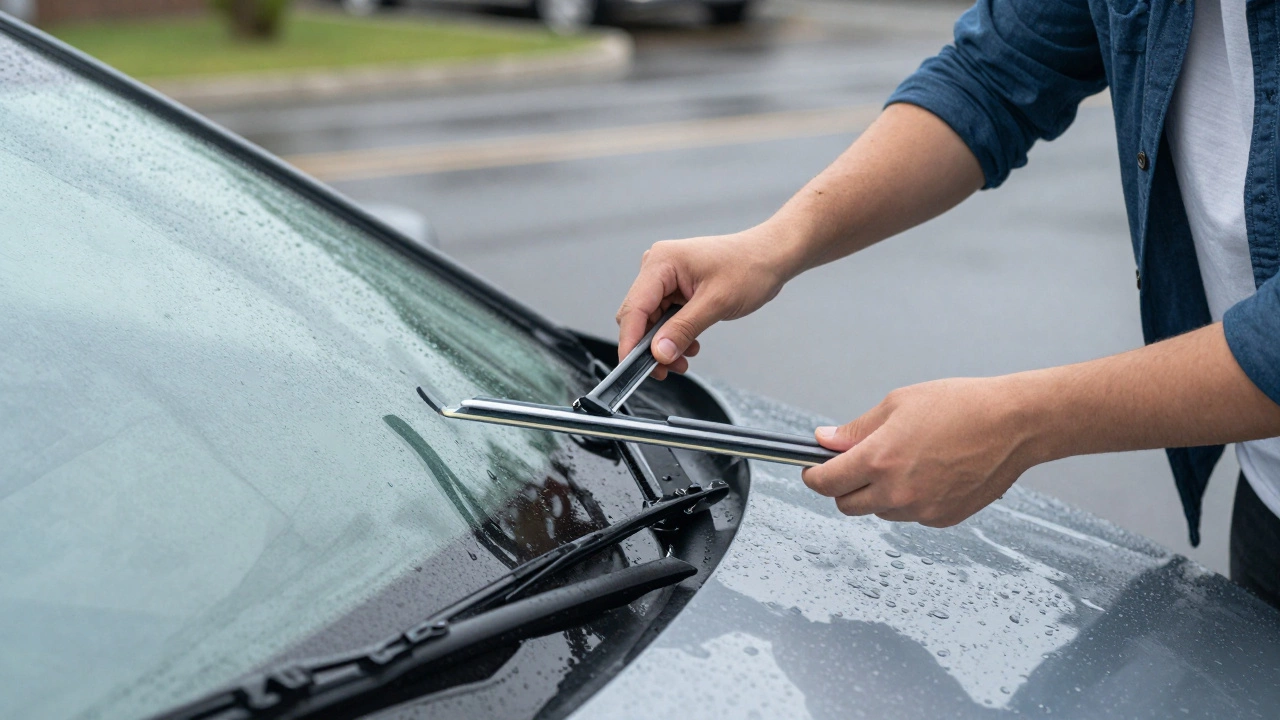
Windshield Wiper Blade Size Calculator
Find the correct wiper blade sizes for your car. Accurate sizing prevents streaking, noise, and windshield damage.
Remember: Always replace both wipers at the same time
Recommended Wiper Sizes
Beam blades recommended for best performance
Important Safety Note
Mismatched wiper sizes cause uneven wiping and can damage your windshield. Always replace both blades at the same time.
Ever been stuck in a rainstorm with your windshield wipers smearing, squeaking, or missing spots? It’s not just annoying-it’s dangerous. You don’t need to pay $50 to a shop just to swap out worn wipers. Most people can replace windshield wipers themselves in under 15 minutes with no tools. And yes, it’s safer, cheaper, and easier than you think.
Why replacing wipers yourself makes sense
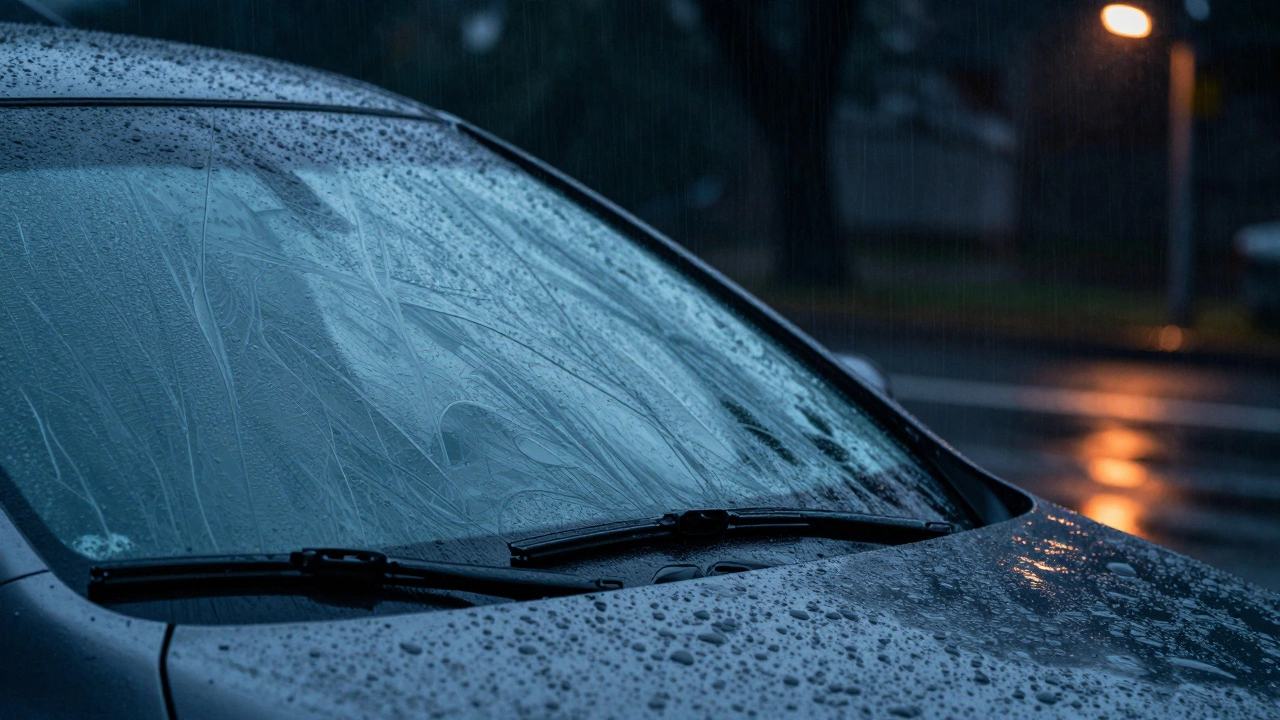
Windshield wipers wear out faster than you realize. Most manufacturers recommend replacing them every 6 to 12 months, but if you live in a place with harsh sun, heavy rain, or snow, they might need replacing sooner. When the rubber cracks, tears, or hardens, it doesn’t clean properly. That means reduced visibility-and increased risk.
Professional shops charge $20 to $50 just to install new wipers, even though the blades themselves cost $10 to $25. You’re paying for labor you don’t need. Most cars use standard wiper blade connections that snap on and off with your hands. No wrenches. No special skills. Just patience and a little confidence.
How to tell if your wipers need replacing
You don’t need a mechanic to tell you when it’s time. Here are five clear signs your wipers are done:
- Streaking across the glass, even after cleaning the windshield
- Chattering or skipping during operation
- Squeaking or screeching sounds when they move
- Missing patches of glass, especially near the edges
- Visible cracks, splits, or hardened rubber on the blade
If you notice even one of these, especially during rain, it’s time to act. Waiting until the wipers fail completely in a downpour is asking for trouble.
Choosing the right wiper blades
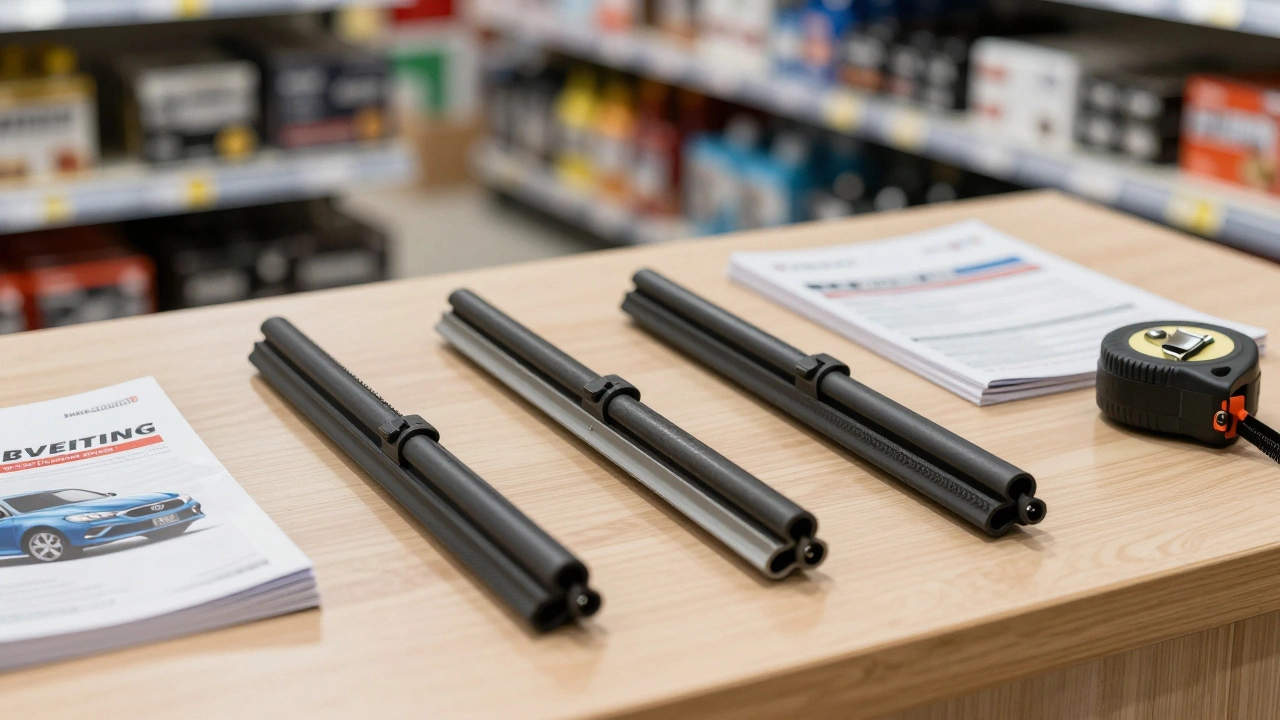
Not all wiper blades are the same. You need the right size and type for your car. The easiest way to find out? Check your owner’s manual. If you don’t have it, most auto parts stores have free lookup tools-just enter your car’s make, model, and year.
There are three main types of wiper blades:
- Conventional blades: The old-school design with a metal frame. Cheaper, but more prone to ice buildup and wind lift.
- Beam blades: A sleek, frameless design that presses evenly across the glass. Better performance in snow and high winds. Most popular today.
- Hybrid blades: Combine the frame of conventional blades with the aerodynamic shape of beam blades. Good balance of price and performance.
For most drivers, beam blades are the best choice. They last longer, wipe cleaner, and handle winter weather better. Brands like Bosch, Rain-X, and Michelin are reliable. Avoid the cheapest no-name blades-they often warp or fall apart after a few months.
Step-by-step: Replacing your windshield wipers
Here’s how to do it, broken down into simple steps. You’ll need the new blades, a clean cloth, and about 10 minutes.
- Turn off the car and lift the wiper arm. Park your car in a safe spot. Turn off the ignition. Gently lift the wiper arm away from the windshield until it locks in place. Don’t let it snap back-you could crack the glass.
- Locate the release tab. On most blades, there’s a small plastic tab or button where the blade connects to the hook on the wiper arm. Press or slide it while pulling the blade downward. It should release with a soft click.
- Remove the old blade. Once the tab is released, slide the old blade out of the hook. Some blades have a small locking clip-pull it outward while sliding the blade off.
- Attach the new blade. Take your new blade and line up the connector with the hook on the wiper arm. Slide it on until you hear a solid click. Give it a gentle tug to make sure it’s locked.
- Lower the arm carefully. Slowly lower the wiper arm back onto the windshield. Do this gently. Repeat the process on the other side.
That’s it. No tools. No mess. No guesswork.
Common mistakes to avoid
Even simple jobs go wrong when people rush. Here’s what to watch out for:
- Letting the wiper arm snap back. This can crack your windshield. Always lift and hold it manually.
- Forcing the blade. If it doesn’t slide in easily, don’t force it. Double-check the connector type. Some blades have different hook designs.
- Buying the wrong size. A blade that’s too long or too short won’t clear the glass properly. Always verify the size before buying.
- Installing upside down. Some blades have directional arrows or markings. Make sure the rubber edge faces the windshield.
Pro tip: Before installing new blades, wipe the windshield with vinegar or glass cleaner. Dirt and grime on the glass can cause new blades to streak right out of the box.
What to do if the new wipers still streak
If you’ve installed new blades and they’re still leaving streaks, it’s probably not the blades. It’s the windshield.
Over time, road grime, tree sap, and pollution build up on the glass. This creates a film that new wipers can’t cut through. Use a dedicated glass restoration product like Rain-X Glass Cleaner or even isopropyl alcohol on a microfiber cloth to clean the surface thoroughly.
If cleaning doesn’t help, check if the wiper arm is bent. A bent arm won’t press the blade evenly across the glass. You can test this by running your finger along the metal arm-feel for any twists or warps. If it’s bent, you may need to replace the arm, but that’s rare.
How often should you replace wipers?
Replace them every 6 to 12 months, no matter what the label says. Even if they look fine, rubber degrades from UV exposure and temperature swings. In hot climates like Arizona or Florida, replace them every 6 months. In colder areas with snow, replace them before winter hits.
Some people wait until they fail. Don’t be that person. Keep a spare set in your glove box. If one blade fails on a trip, you can swap it out yourself and keep driving safely.
Why this matters beyond convenience
Clear visibility isn’t just about comfort-it’s a safety requirement. According to the National Highway Traffic Safety Administration, poor visibility due to faulty wipers contributes to over 1,000 fatalities each year in the U.S. alone. Replacing your wipers regularly is one of the easiest ways to reduce your risk on the road.
It’s also a habit that builds confidence. Once you’ve done it once, you’ll feel more comfortable tackling other small car repairs-changing a headlight, topping up washer fluid, checking tire pressure. These are the little things that keep your car running safely and save you money over time.
Final thoughts
Replacing windshield wipers yourself isn’t just possible-it’s smarter. You save money, get the exact blades you want, and learn something useful. There’s no reason to hand over your keys and your cash for a task that takes less time than your morning coffee.
Grab a set of beam blades, head to your local auto parts store, and do it today. Your next rainy drive will thank you.
Can I use any wiper blades on my car?
No. Wiper blades come in different sizes and attachment types. You must match the length and connector style to your car’s make, model, and year. Using the wrong size can cause poor wiping or damage the wiper arm. Always check your owner’s manual or use an online lookup tool at an auto parts store.
Do I need to replace both wipers at the same time?
Yes. Even if only one blade is worn out, the other is likely close behind. Using mismatched blades causes uneven wiping, which reduces visibility and can strain the wiper motor. Always replace them as a pair.
How do I know which side is driver’s side and passenger’s side?
The driver’s side wiper is usually longer than the passenger’s side. Most blades are labeled with the vehicle side or have the length printed on the packaging. If unsure, compare the old blades-measure them with a tape. The longer one goes on the driver’s side.
Can I replace wipers in winter?
Yes, but be careful. Cold weather makes rubber brittle. Warm the new blades in your car for 10-15 minutes before installing them. Never force a frozen wiper arm-wait until the windshield thaws. Use winter-rated blades with a rubber boot to prevent ice buildup.
What if the wiper arm won’t release the old blade?
Some older cars use a different hook system, like a pin or side clip. Look closely at the connection point-there may be a small lever or tab you need to squeeze or twist. If you can’t figure it out, take a photo of the connector and search online for your car model + "wiper blade removal." There are usually videos showing the exact method.