Windscreen Wiper Savings Calculator
Find out exactly how much you save by doing this simple job in your driveway rather than visiting a garage.
Approx. 15 minutes
No special tools required
Garage Total
£0.00
DIY Total
£0.00
You Save
£0.00
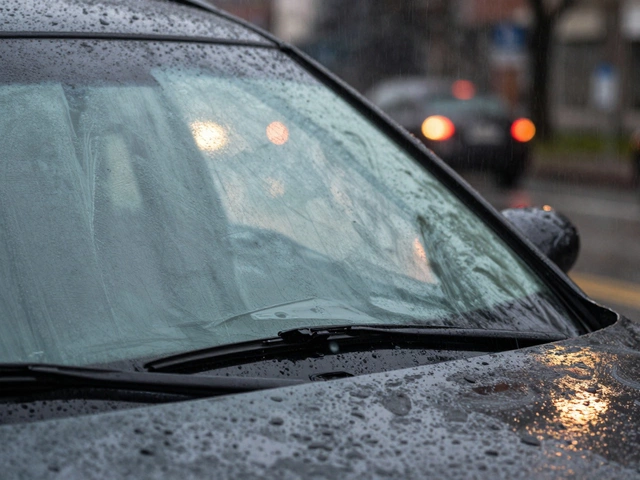
You’re driving along on a wet Manchester morning, the rain lashing against the glass, and suddenly your windscreen wipers start skipping, squeaking, or leaving streaks. It’s annoying, it’s unsafe, and if you take it to a garage, they’ll likely charge you £15-£25 just to pop new ones on. But here’s the good news: fitting windscreen wipers yourself is one of the easiest jobs you can do on your car. No special tools, no grease under your fingernails, and no appointment needed.
If you’ve ever wondered whether this is a job for a professional or something you can handle in your driveway, the short answer is yes-you absolutely can. Most modern cars use standard attachment systems that require nothing more than your hands and maybe a flathead screwdriver. This guide walks you through exactly how to identify your wiper type, remove the old blades, and fit new ones without scratching your paintwork or snapping the arm.
Why Bother Changing Them Yourself?
Let’s be honest-time is money, but so are unnecessary garage bills. A pair of quality wiper blades costs between £8 and £20 online, depending on your car model. If you pay a service centre to fit them, you’re often paying double or triple the part cost for five minutes of labour. Doing it yourself saves cash, sure, but it also gives you control over quality. Garages sometimes fit cheap, generic blades that wear out in three months. When you buy your own, you can pick Bosch Aerotwin or Valeo Silencio X-TRM blades, which last up to twelve months and clear water far more effectively.
There’s also the safety angle. Blurry vision during heavy rain increases accident risk significantly. The UK Highway Code recommends replacing wipers every six to twelve months, but many drivers ignore this until they fail mid-journey. Knowing how to swap them means you can fix the problem immediately rather than waiting days for a garage slot.
Identifying Your Wiper Blade Type
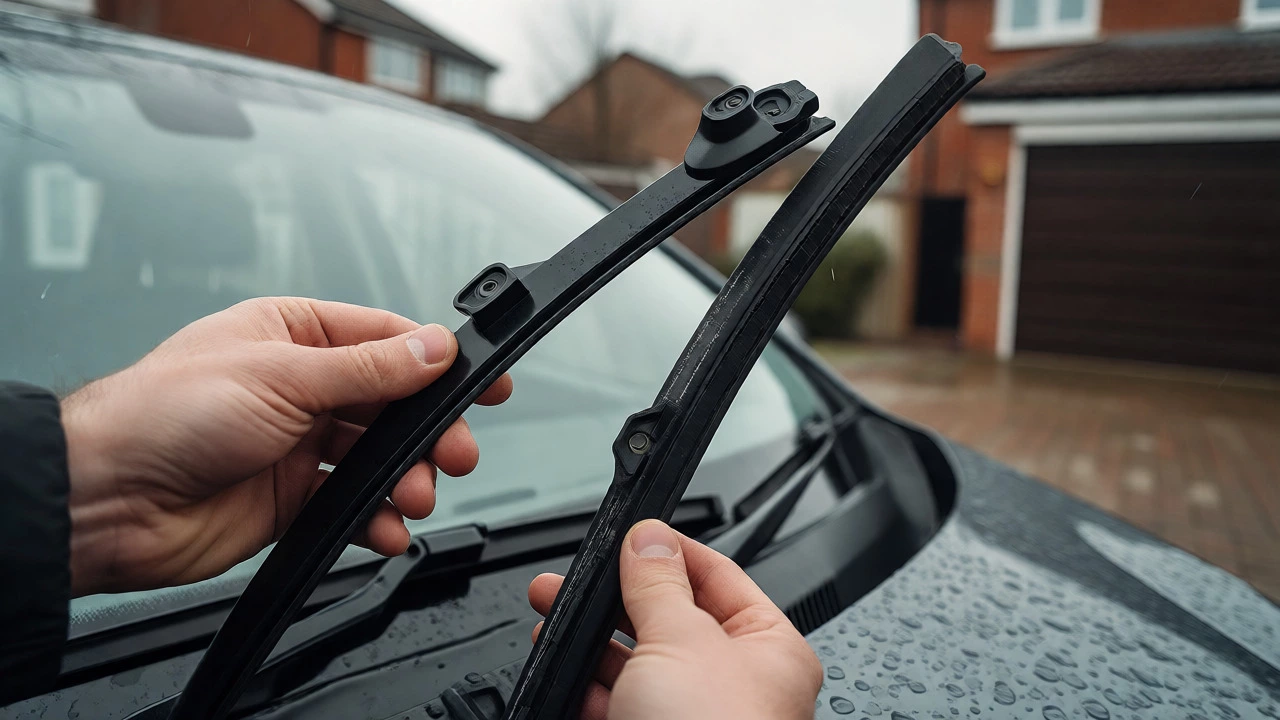
Before you rush off to buy replacements, you need to know what fits your car. There isn’t one universal wiper blade; there are several attachment systems used by manufacturers. Using the wrong one means the blade won’t clip on, or worse, it will fall off at 60mph.
The most common types you’ll encounter include:
- Hook Arm (U-Hook): The classic style found on older cars and many budget models. It has a simple hook that clips into a J-shaped loop on the wiper arm. Easy to spot and easy to replace.
- Side Pin: Common on European cars like Volkswagen, Audi, and BMW. These have a small pin sticking out from the side of the wiper arm. You’ll need a specific adapter or compatible blade.
- Top Lock: Used by Ford, Toyota, and Nissan on newer models. The connector locks onto the top of the arm with a spring-loaded clip. You press a button or tab to release it.
- Bayonet Arm: Often seen on Renault and Peugeot vehicles. The wiper arm has a bayonet-style socket where the blade twists in and clicks into place.
How do you check yours? Lift the wiper arm away from the windscreen (be careful-it’s spring-loaded) and look at the connection point. If you see a hook, it’s a U-hook. If you see a small hole with a pin, it’s a Side Pin. Take a photo before removing anything so you remember how it went back together.
| Attachment Type | Common Car Brands | Difficulty Level | Tools Needed |
|---|---|---|---|
| Hook Arm (U-Hook) | Ford Fiesta, Vauxhall Corsa, Older Mercedes | Very Easy | None |
| Side Pin | VW Golf, Audi A3, BMW 3 Series | Moderate | Small Flathead Screwdriver |
| Top Lock | Ford Focus, Toyota Corolla, Nissan Qashqai | Easy | Thumb/Finger Pressure |
| Bayonet Arm | Renault Clio, Peugeot 208 | Moderate | Twisting Motion |
Step-by-Step: How to Remove Old Blades
Once you’ve bought the correct blades, it’s time to get rid of the old ones. Here’s the process for the most common Hook Arm system, though the principles apply to others.
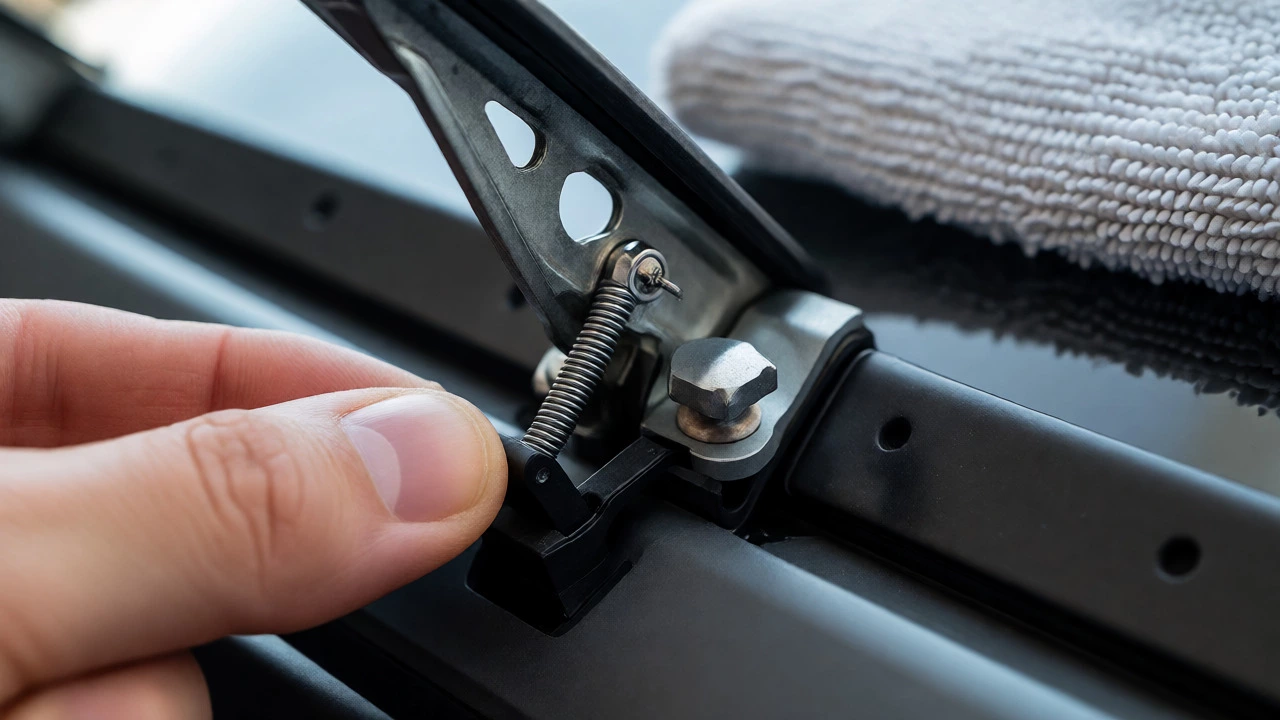
- Lift the wiper arm carefully. Pull it away from the windscreen until it stands upright. If it snaps back down while you’re working, it can crack your glass. Some people lay a towel over the windscreen as a buffer.
- Locate the release tab. On the underside of the blade, near where it connects to the arm, there’s usually a small plastic tab or button. Press it firmly with your thumb.
- Slide the blade down. While holding the tab, slide the blade assembly downward along the arm’s hook. It should detach smoothly. If it’s stuck, don’t force it-check if there’s a second locking mechanism.
- Repeat for the passenger side. Note that the passenger wiper is often shorter than the driver’s side. Check your owner’s manual or measure the old blade if you’re unsure of the size.
For Top Lock systems, you typically press a square button on the top of the connector and pull the blade straight out. For Side Pins, you may need to pry open a small cover with a screwdriver before releasing the pin.
Fitting the New Blades
Installing new wipers is essentially the reverse of removal, but with a few extra checks to ensure they sit correctly.
- Unpack the new blade. Remove any protective plastic strips covering the rubber edge. These are only there for shipping-they must come off, or the wiper won’t make contact with the glass.
- Align the connector. Line up the new blade’s adapter with the wiper arm. For Hook Arms, slide the blade upward onto the hook until it clicks. For Top Locks, push it in until you hear a distinct snap.
- Test the lock. Gently tug the blade downward. It shouldn’t move. If it feels loose, remove it and try again. A loose blade will rattle and fail quickly.
- Lower the arm gently. Hold the arm and lower it slowly onto the windscreen. Don’t let it drop, or you risk chipping the glass.
- Run the wipers. Turn on the ignition and activate the wipers briefly. Watch for smooth movement and listen for squeaks. If they chatter, the blade might not be seated properly, or the rubber is still stiff.
A pro tip: If your new blades feel stiff, leave them in warm water for ten minutes before fitting. This softens the rubber and helps them conform to the curve of your windscreen faster.

Common Mistakes to Avoid
Even though this is a simple job, people mess it up. Here are the pitfalls:
- Using the wrong size. Always double-check lengths. Driver-side wipers are usually 24-28 inches, while passenger sides are 16-20 inches. Check your vehicle’s spec sheet.
- Forgetting the plastic strip. As mentioned, leaving the protective cover on causes poor wiping and noise.
- Dropping the arm. The metal arm is heavy. If it slams onto the glass, you could cause a chip that spreads later.
- Ignoring the rear wiper. Many hatchbacks and SUVs have rear wipers too. They’re often smaller and use different connectors, but they’re equally important for visibility.
When to Call a Professional
While 95% of wiper changes are DIY-friendly, there are exceptions. If your wiper arm itself is bent, rusted, or leaking fluid (on some electric motors), you might need a mechanic. Also, some luxury cars integrate the wiper motor into the bonnet structure, making access tricky. If you’re struggling with a complex Top Lock or Bayonet system after two attempts, a quick visit to a local tyre shop or garage might save frustration. They’ll often fit them for free if you buy the parts from them.
Otherwise, grab your new blades, spend fifteen minutes in your driveway, and enjoy clearer views-and fewer garage visits-for months to come.
How often should I change my windscreen wipers?
Most experts recommend replacing wiper blades every six to twelve months. However, if you live in an area with harsh winters or park outdoors frequently, UV damage and ice can degrade the rubber faster. Look for signs like streaking, chattering, or visible cracks in the rubber.
Do all cars use the same wiper blades?
No, cars use various attachment systems such as Hook Arm, Side Pin, Top Lock, and Bayonet. Additionally, blade lengths differ between makes and models. Always check your vehicle’s manual or use an online fitment tool before purchasing.
Can I clean my wiper blades instead of replacing them?
Yes, cleaning can extend their life. Use a cloth dampened with methylated spirits or warm soapy water to wipe the rubber edge. This removes road grime and oil buildup. However, if the rubber is hardened or torn, cleaning won’t help, and replacement is necessary.
What happens if I put the wiper arm down too fast?
The wiper arm is made of steel and is spring-loaded. If it drops forcefully onto the windscreen, it can cause a chip or crack in the glass. Always hold the arm securely and lower it gently until the blade rests on the glass.
Are expensive wiper blades worth it?
Generally, yes. Premium brands like Bosch Aerotwin or Michelin Stealth use higher-quality rubber and aerodynamic designs that reduce lift at high speeds. They tend to last longer and provide quieter operation compared to budget alternatives, offering better value over time.