Spark Plug Decision Assistant
Estimated Cost Analysis
- Part Cost (Set of 4): $0
- Labor Cost (if applicable): $0
- Total Estimated Cost: $0
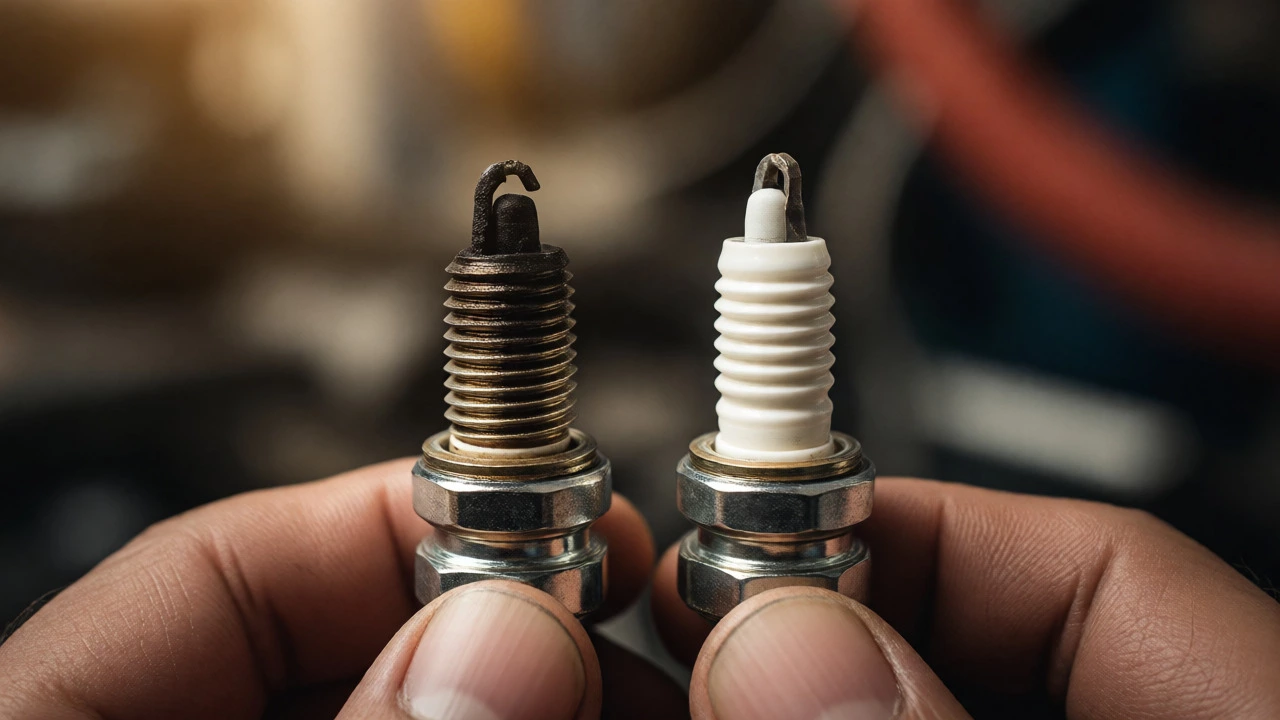
You're standing in your garage, holding a spark plug that looks like it's been through a war zone. It’s black, maybe a bit oily, and you’re wondering if a quick scrub with some brake cleaner will bring it back to life or if you should just toss it in the bin. This is one of those automotive dilemmas where the answer isn't always obvious. Most people think spark plugs are either "good" or "bad," but the reality is messier. The decision between cleaning and replacing depends entirely on what kind of damage the plug has sustained and how much time you want to waste.
Here’s the hard truth: for most modern cars, replacing is almost always the better option. But "better" doesn't mean you can never clean them. If you drive an older vehicle with copper-core plugs, or if you’ve got a specific type of fouling that hasn’t damaged the electrode yet, cleaning can save you money and keep your engine running smoothly until your next service interval. Let’s break down exactly when you should reach for the wire brush and when you should head to the auto parts store.
The Case for Replacing Spark Plugs
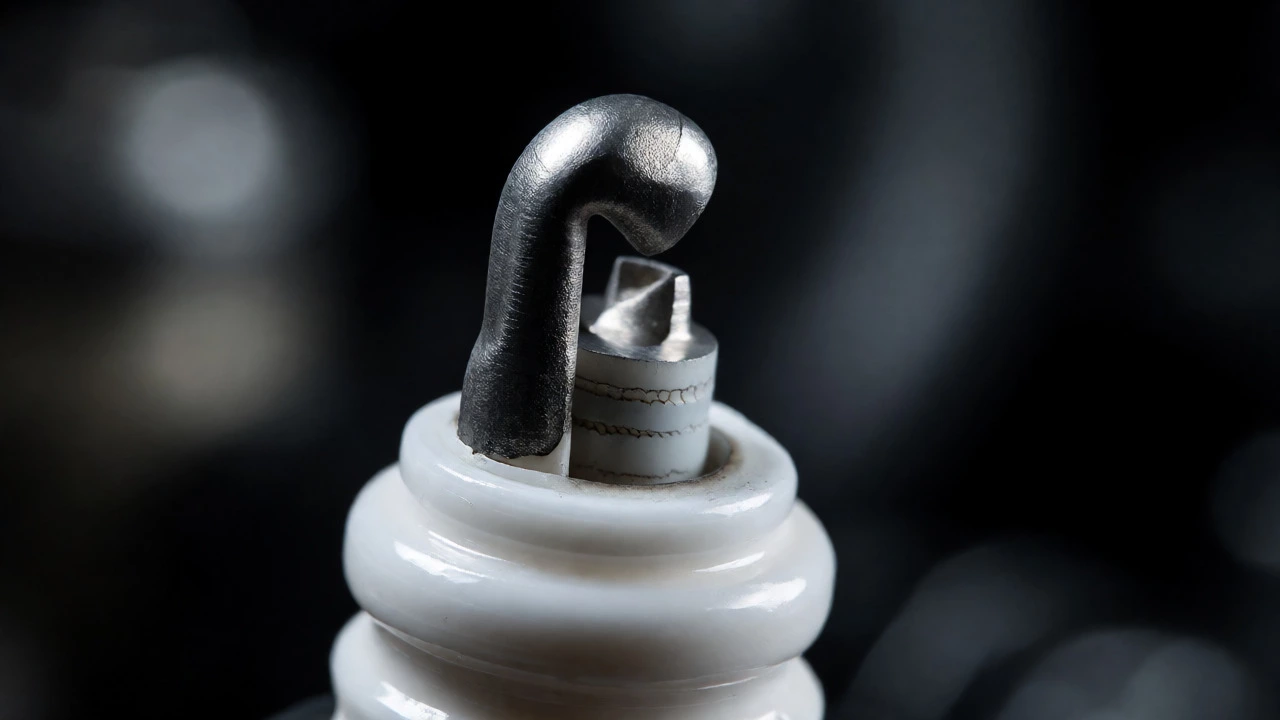
Modern engines rely on precision. Unlike the old days, today’s vehicles use iridium or platinum-tipped spark plugs. These materials are chosen because they allow for a much finer electrode tip, which creates a more efficient spark. The problem? That fine tip is fragile. Once it wears down, no amount of cleaning will restore its original shape. You can scrape off carbon, but you can’t rebuild metal that has physically eroded away.
If you inspect your plug and see that the center electrode is rounded off or significantly shorter than the ground electrode, replacement is non-negotiable. A worn gap changes the voltage required to jump the space. Your ignition coil has to work harder, which can lead to misfires under load, poor fuel economy, and eventually, coil failure. Cleaning a worn plug is like trying to fix a bald tire by washing it; it might look cleaner, but it won’t grip the road any better.
There’s also the issue of heat range and internal integrity. Spark plugs operate at extreme temperatures. Over time, the ceramic insulator can develop micro-cracks. These cracks aren't always visible to the naked eye, but they allow electricity to leak out instead of jumping the gap. This causes intermittent misfires that are a nightmare to diagnose. If a plug has been in the engine for over 60,000 miles (or 100,000 km), even if it looks okay, the internal resistance may have changed enough to affect performance. For platinum and iridium plugs, manufacturers often specify intervals up to 100,000 miles. Don’t try to stretch this by cleaning. The cost of a new set is negligible compared to the risk of damaging your catalytic converter due to unburnt fuel from persistent misfires.
When Cleaning Actually Makes Sense
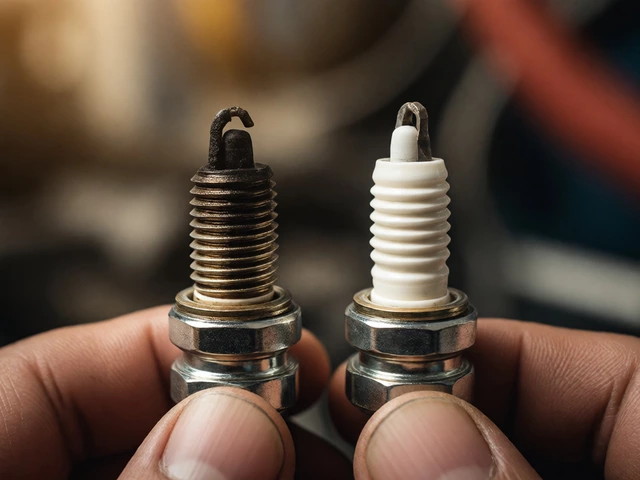
So, is cleaning ever worth it? Yes, but only in specific scenarios. The primary candidate for cleaning is a plug suffering from carbon fouling. This happens when the engine runs rich (too much fuel, not enough air) or idles for long periods. The carbon deposits coat the electrode, insulating it and preventing a strong spark. If the electrode itself is still sharp and the gap is within spec, removing that carbon layer can restore full functionality.
This is particularly common in city driving conditions where stop-and-go traffic prevents the engine from getting hot enough to burn off natural deposits. If you notice your car stumbling slightly at idle but running fine on the highway, checking and cleaning your plugs might solve the issue without a replacement. However, you must be careful. Using abrasive tools like sandpaper can alter the electrode geometry. Stick to specialized spark plug cleaners or gentle wire brushes designed for this purpose.
Another scenario is pre-purchase inspection. If you’re buying a used car and pull a plug that looks dirty, cleaning it allows you to assess the true condition of the engine internals. You need to see the color of the porcelain insulator to judge the air-fuel mixture. A black, sooty plug tells you one story; a white, blistered plug tells another. Cleaning reveals the truth behind the grime. But remember, this is diagnostic cleaning, not necessarily maintenance cleaning.
Identifying the Type of Fouling
To decide whether to clean or replace, you need to read the spark plug. Think of it as a health report for your engine. Different colors indicate different problems, and some problems are fatal to the plug while others are reversible.
| Condition | Appearance | Cause | Action |
|---|---|---|---|
| Healthy | Light tan or gray ash | Normal operation | Replace at interval |
| Carbon Fouled | Dry, black soot | Rich mixture, short trips, faulty sensor | Clean if electrode intact; fix root cause |
| Oil Fouled | Wet, black sludge | Worn piston rings, valve seals | Replace; repair engine leak |
| Fuel Additive | White, yellow, or brown glaze | Lead or silicon additives | Replace; change fuel source |
| Overheated | White, blisters, melted electrode | Lean mixture, incorrect heat range | Replace immediately |
Notice the distinction between carbon and oil fouling. Carbon is dry and powdery. Oil is wet and slick. You can clean carbon off a plug relatively easily. Oil fouling, however, usually indicates mechanical wear inside the engine. Cleaning an oil-fouled plug is a temporary band-aid. The oil will return quickly, and the plug’s insulation may already be compromised by the chemical composition of the oil. In these cases, replacement is mandatory, but fixing the engine leak is critical too.
The Cost-Benefit Analysis
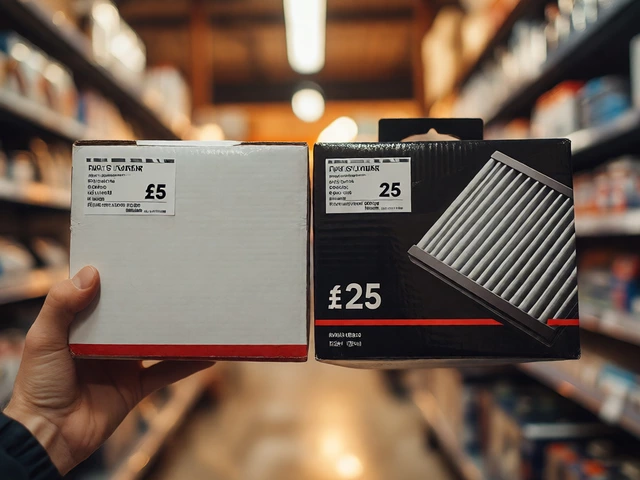
Let’s talk numbers, because that’s often the deciding factor. A standard copper spark plug costs around £5-£8 ($6-$10). An iridium plug might cost £15-£30 ($18-$35). A set of four iridium plugs could run you £60-£120 ($70-$140). Labor, if you don’t do it yourself, adds another £50-£100 ($60-$120).
If you’re paying for labor, cleaning rarely makes financial sense unless it’s part of a larger tune-up. Why? Because the labor time to remove, clean, inspect, regap, and reinstall four plugs is nearly identical to the time required to remove and install new ones. Mechanics charge by the hour, not by the effort. So, if you’re hiring someone, ask them to replace them. It’s cheaper in the long run because you get guaranteed reliability for the next 60k-100k miles.
For DIYers, the equation shifts. If you have the tools, cleaning costs you nothing but time. If you suspect minor carbon buildup from recent short trips, spending 30 minutes cleaning your existing plugs can buy you another few thousand miles before replacement becomes necessary. Just make sure you check the gap after cleaning. Use a feeler gauge. If the gap is wider than the manufacturer’s specification, bending the ground electrode back into place is risky. Too much force can crack the ceramic or snap the electrode. If you have to bend it more than once, just replace it.
How to Properly Clean a Spark Plug
If you’ve decided to clean, do it right. Improper cleaning can ruin a perfectly good plug. Here’s the safe method:
- Remove the plugs: Ensure the engine is cool. Use a spark plug socket with a rubber insert to avoid cracking the ceramic.
- Inspect: Check for cracks in the ceramic and wear on the electrodes. If it passes inspection, proceed.
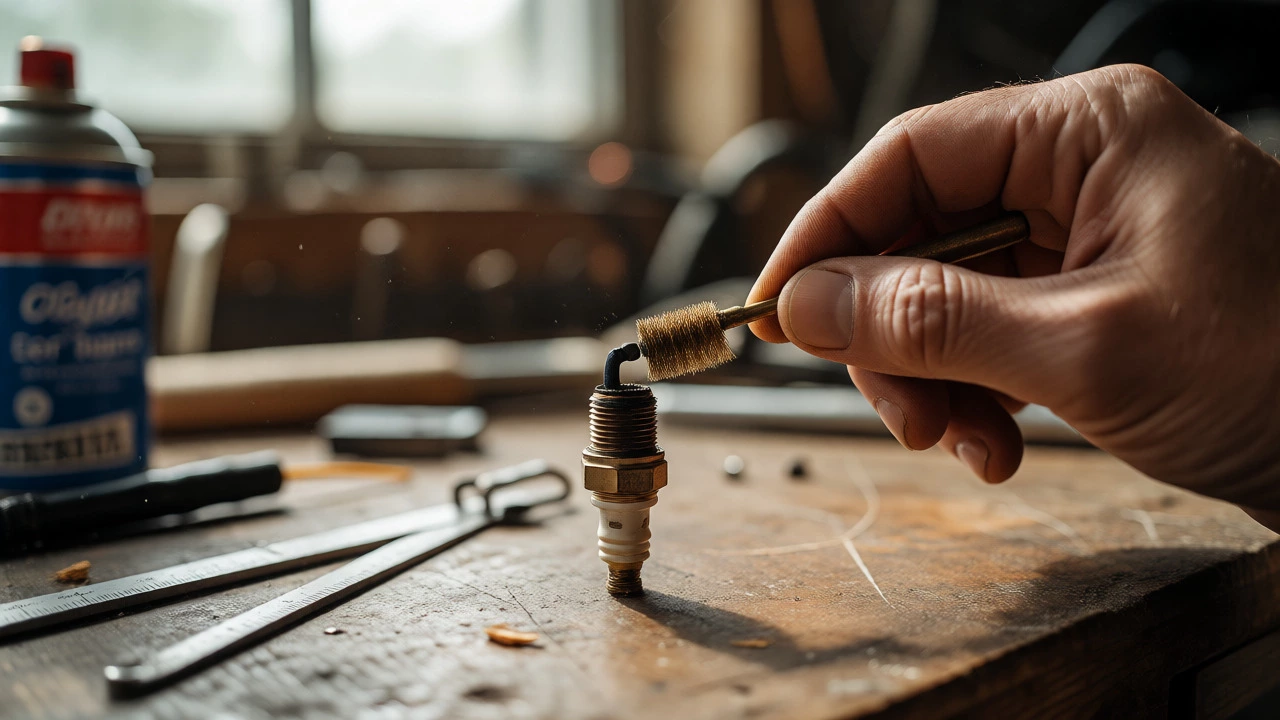
- Choose your tool: A dedicated spark plug cleaning tool (a small brass brush or a spray-on cleaner) is best. Avoid steel wool or coarse sandpaper, which can leave conductive particles behind.
- Clean gently: Brush the carbon off the electrode and the insulator nose. Do not touch the threads with abrasives if possible, as this can affect torque readings later.
- Compressed air: Blow out any loose debris from the well and the plug itself. Debris left in the cylinder can score the walls.
- Check the gap: Use a wire feeler gauge. Adjust if necessary, but be gentle. Bend the ground electrode, not the center one.
- Reinstall: Torque to spec. Over-tightening strips aluminum heads; under-tightening lets compression leak.
One common mistake is using brake cleaner alone. While effective at dissolving grease, it doesn’t always remove hard carbon crusts. Mechanical action (brushing) combined with solvent is usually required for heavy fouling. Also, never clean a plug with a cracked insulator. The crack will widen during heating cycles, leading to a flashover (spark jumping outside the plug) and immediate failure.
Modern Ignition Systems Change the Game
It’s important to understand why this debate exists. In older carbureted engines, spark plugs were consumables meant to be cleaned and reused. They had large, robust electrodes made of nickel alloy. Today’s Coil-on-Plug (COP) systems deliver high voltage directly to each plug. The efficiency of this system relies on precise spark timing and energy transfer.
A cleaned plug might have a slightly higher electrical resistance due to residual deposits or microscopic surface irregularities from brushing. In a COP system, this can cause the coil to overheat as it tries to compensate. Furthermore, many modern cars use multiple coils per bank or individual coils for each cylinder. If one plug is marginal, it stresses that specific coil. If you clean a plug and it fails two weeks later, you haven’t saved money; you’ve potentially killed a $100 ignition coil.
Consider the environment. If you live in a dusty area or drive frequently on unpaved roads, dust ingress can foul plugs faster. Cleaning helps temporarily, but if the air filter isn’t doing its job, the problem will recur. Always check the air filter when addressing spark plug issues. A clogged filter causes a rich mixture, which leads to carbon fouling. Cleaning the plug without changing the filter is like mopping the floor while leaving the tap running.
Making the Final Decision
So, what’s the verdict? If your spark plugs are less than 30,000 miles old, show signs of light carbon fouling, and have intact electrodes, give cleaning a shot. It’s cheap, educational, and might solve a rough idle. Document the mileage and monitor performance.
If your plugs are over 50,000 miles old, have iridium/platinum tips, show physical wear, or are oil-fouled, replace them. The cost of new plugs is low insurance against poor performance and potential component damage. Don’t let pride or penny-pinching compromise your engine’s health. Modern engines are complex networks of sensors and actuators; keeping the ignition system pristine is one of the easiest ways to maintain peak efficiency.
Remember, the goal isn’t just to have a clean-looking part. It’s to ensure a consistent, powerful spark every time the piston reaches top dead center. Sometimes, a fresh piece of metal does that job far better than a scrubbed-down veteran.
Can I clean spark plugs with WD-40?
Yes, WD-40 can help loosen carbon deposits, but it leaves an oily residue. After spraying, you must thoroughly wipe the plug with a clean cloth and ideally blow it out with compressed air. Any remaining oil can attract more dirt or cause initial misfires until burned off.
How often should I check my spark plugs?
You don't need to check them annually. Follow your owner's manual replacement interval. However, if you experience symptoms like rough idling, hesitation, or poor fuel economy, inspecting them early can prevent bigger issues. For older cars with copper plugs, checking every 15,000-20,000 miles is reasonable.
Does cleaning spark plugs improve gas mileage?
Only if they were severely fouled and still functional. If the electrodes are worn, cleaning won't restore the spark intensity needed for optimal combustion. In that case, replacing them yields better mileage gains than cleaning.
What happens if I drive with a bad spark plug?
Driving with a failed plug can cause unburnt fuel to enter the exhaust, overheating and destroying the catalytic converter. It can also damage the ignition coil due to excessive strain. Repairing a catalytic converter costs hundreds, sometimes thousands, of pounds/dollars.
Are expensive spark plugs worth it?
For modern cars, yes. Iridium and platinum plugs last longer and provide a more consistent spark. Cheaper copper plugs wear out faster and require more frequent maintenance, offsetting their lower upfront cost with increased labor or downtime.