Brake Pad Health Checker
Visual Inspection
Driving Symptoms
Assessment Result:
You're driving down the motorway, maybe heading out of Manchester towards Leeds, when a high-pitched squeal hits your ears. It’s not just annoying; it’s a warning light for your wallet and your safety. Brake pads are one of the most critical components in your vehicle's stopping system, yet they often go unnoticed until they fail completely. Knowing how to spot the difference between normal road noise and a failing brake system can save you from expensive rotor damage or, worse, an accident.
Most drivers assume that if the car stops, the brakes are fine. That’s a dangerous myth. Modern braking systems are complex, relying on friction materials that wear down over time. If you ignore the subtle cues, you might end up replacing more than just the pads. Let’s break down exactly what to look, listen, and feel for so you never get caught off guard.
The Squeal: Your First Line of Defense
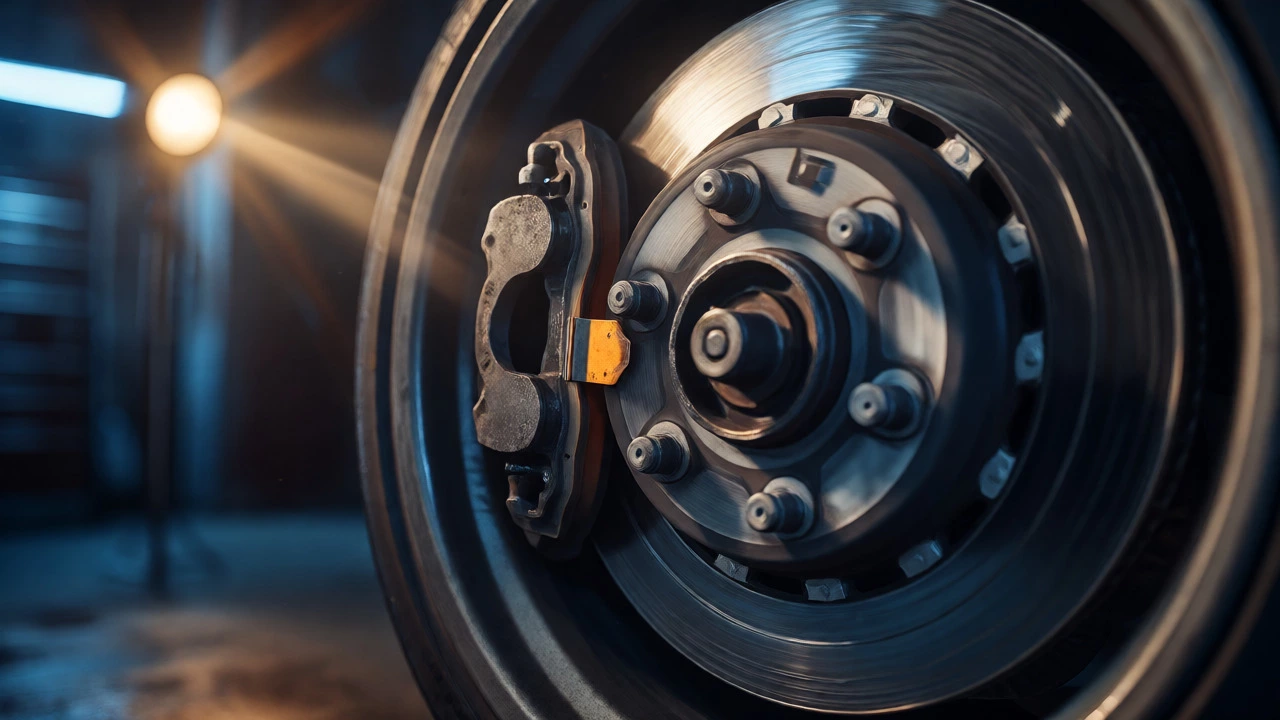
That piercing screech you hear when you lightly tap the brakes? In many cases, it’s not a malfunction-it’s by design. Most modern brake pads come equipped with a small metal tab called a wear indicator. This is a simple piece of steel attached to the backing plate of the pad. As the friction material wears down, this tab gets closer to the brake rotor (the disc). Eventually, it touches the spinning metal, creating that distinct squealing sound. Think of it as a built-in alarm clock for your maintenance schedule.
However, context matters. If you’ve just washed your car or driven through heavy rain, moisture can cause temporary squeaking due to surface rust forming on the rotors overnight. This usually goes away after a few stops. But if the noise persists dry weather, or if it happens consistently every time you brake, your pads are likely nearing the end of their life. Don’t wait for the noise to become unbearable; act while it’s still just a squeal.
Grinding Noises Mean Damage Is Already Done
If you miss the squeal, the next stage is much louder and significantly more expensive. A deep, metallic grinding noise indicates that the friction material is gone entirely. Now, the metal backing plate of the pad is rubbing directly against the metal rotor. This isn't just noisy; it’s destructive. The metal-on-metal contact scores grooves into the rotor surface, compromising its ability to dissipate heat and provide consistent friction.
At this point, you aren't just looking at a pad replacement; you’re likely facing a rotor resurfacing or full rotor replacement. Rotors are heavier and costlier than pads. If you hear grinding, stop driving aggressively immediately. Head to a garage or check your wheels yourself if you have the tools. Continuing to drive with grinding brakes reduces your stopping power significantly, especially in wet conditions.
Vibration and Pulsation Under Braking
Not all bad brakes make noise. Some speak through vibration. If you feel a pulsating sensation in the brake pedal or even in the steering wheel when you apply pressure, it often points to warped rotors. While warping can sometimes be caused by overheating during aggressive driving, worn-out pads contribute heavily to uneven heat distribution.
New pads press evenly against a flat rotor. Worn pads, especially those with uneven wear patterns, create hot spots. These hot spots cause the metal to expand and contract irregularly, leading to warping. You might also notice that the vibration starts mild but gets worse as the brakes heat up during a long descent. If your steering wheel shakes violently at highway speeds when braking, inspect the front brakes first, as they handle about 70% of the stopping force.
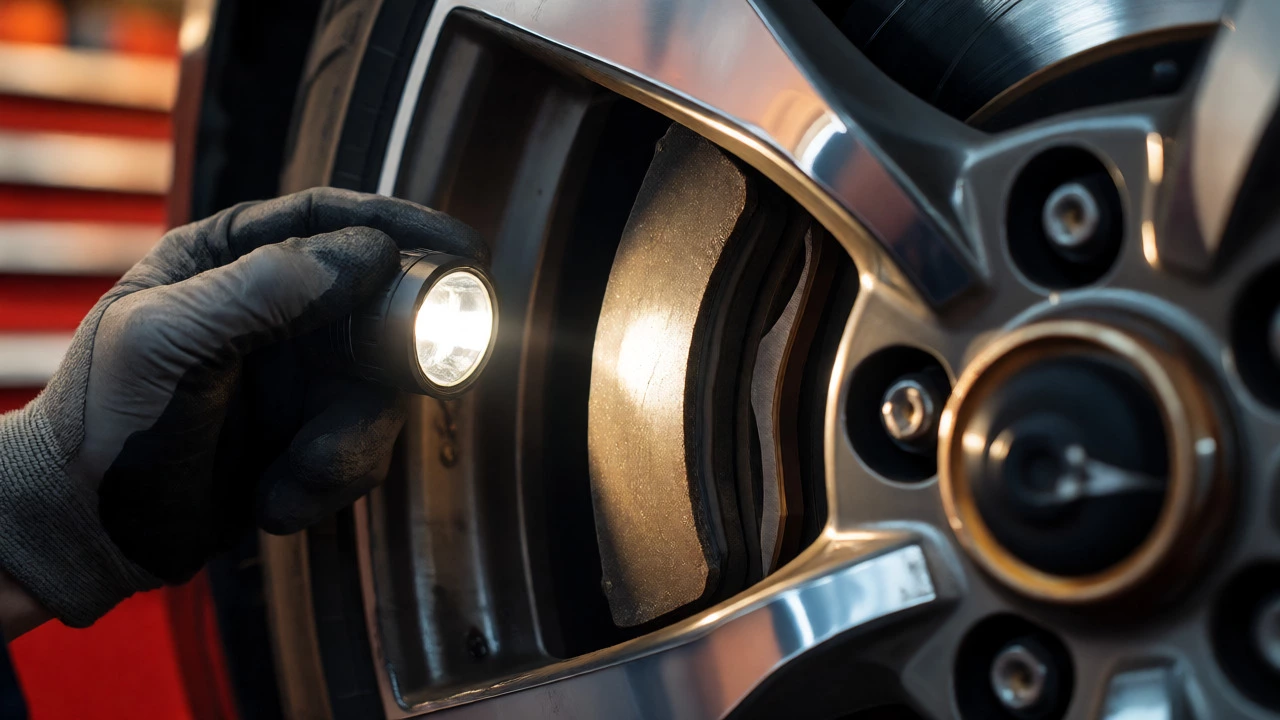
Visual Inspection: What to Look For
You don’t need to lift the car to see the basics. Most alloy wheels allow enough visibility to peek at the brake assembly. Grab a flashlight and look through the spokes. You are looking for the thickness of the friction material-the part of the pad that actually presses against the rotor.
| Pad Thickness | Status | Action Required |
|---|---|---|
| 10mm - 12mm | New / Excellent | No action needed. Check again in 6 months. |
| 4mm - 6mm | Good / Moderate Wear | Monitor closely. Plan replacement within next service. |
| 3mm | Worn / Critical | Replace immediately. Safety risk increases. |
| < 2mm | Dangerous | Do not drive. Metal-to-metal contact imminent. |
A good rule of thumb is the "quarter-inch rule." If the friction material looks thinner than a quarter coin (roughly 6mm), start budgeting for new pads. If it’s thinner than a dime (roughly 1-2mm), you are overdue. Keep in mind that some performance pads are naturally thinner, so consult your vehicle’s manual for specific minimum thickness specifications.
Dashboard Warning Lights and Fluid Levels
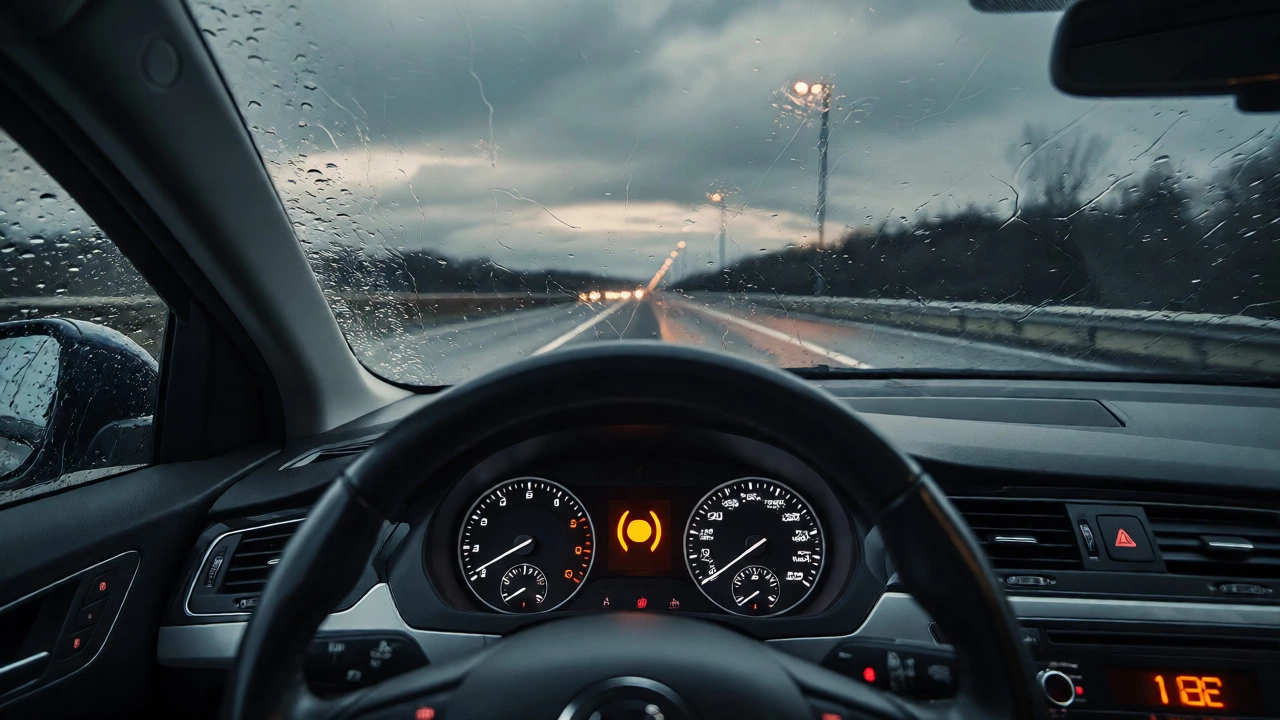
Modern cars have sensors that monitor brake health. Two common dashboard indicators relate directly to pad wear:
- The Brake Light Icon: Usually red. This often indicates low brake fluid levels. As pads wear down, the caliper pistons extend further to maintain contact with the rotor. This draws more fluid from the reservoir, lowering the level. If the light stays on, top up the fluid-but remember, topping up doesn’t fix the root cause (worn pads).
- Service Indicator: Many manufacturers include a dedicated sensor wire in the pads. When the pad wears thin, the circuit breaks, triggering a message like "Check Brakes" or "Replace Front Pads." Unlike the fluid warning, this specifically targets pad wear.
Don’t ignore these lights. They are precise electronic alerts that remove the guesswork from visual inspections.
Soft or Spongy Pedal Feel
Your foot knows before your eyes do. If the brake pedal feels spongy, soft, or sinks toward the floor before engaging, air might have entered the hydraulic lines, or the pads could be glazed. Glazing happens when pads overheat, causing the friction material to harden and lose grip. This creates a slippery surface that reduces braking efficiency.
Another possibility is that the pads are severely worn, requiring the piston to travel further than usual, which changes the pedal feel. While a spongy pedal often points to bleeding issues or master cylinder faults, always check the pads first because it’s the easiest component to verify visually.
Frequent Braking Accelerates Wear
Your driving habits dictate how often you’ll face these issues. City driving, with constant stop-and-go traffic, kills pads faster than highway cruising. If you live in a hilly area or tow heavy loads, your brakes work harder, generating more heat and friction.
In Manchester, where urban congestion is high, expect to replace front pads every 30,000 to 50,000 miles. Rear pads last longer, often reaching 70,000 miles, because they assist rather than lead the stopping process. Always replace pads in axle sets (both left and right) to ensure even braking. Mixing old and new pads can cause the car to pull to one side, straining the suspension and tires.
When to DIY vs. When to Call a Pro
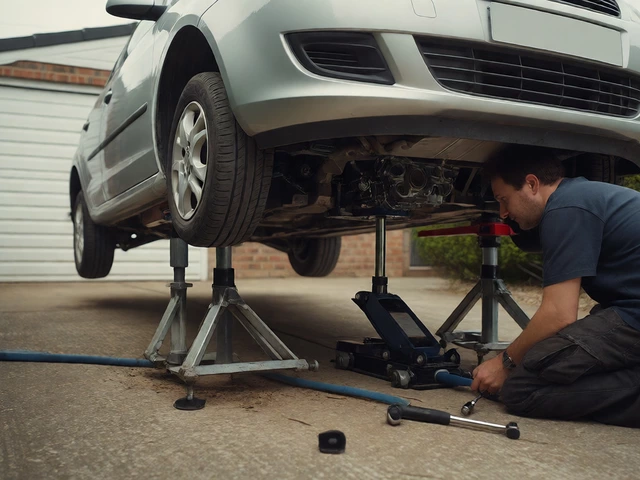
Changing brake pads is a manageable DIY job for intermediate hobbyists. You need basic hand tools, a C-clamp or piston compressor, and grease. However, if you hear grinding, feel significant vibration, or see deep scoring on the rotors, take it to a professional. Resurfacing rotors requires specialized machinery to ensure they are perfectly flat. If you skip this step, your new pads will wear unevenly, and you’ll be back in the shop within months.
Also, consider the type of pad. Organic pads are quiet and cheap but wear fast. Ceramic pads offer better durability and less dust, ideal for daily commuters. Semi-metallic pads provide strong stopping power for performance vehicles but can be noisier. Choose based on your driving style, not just price.
How long do brake pads typically last?
Front brake pads generally last between 30,000 and 50,000 miles, while rear pads can last up to 70,000 miles. Factors like city driving, towing, and aggressive braking significantly reduce this lifespan. Always refer to your owner's manual for specific intervals recommended by the manufacturer.
Can I drive with squeaky brakes?
If the squeak is due to moisture or surface rust, yes, it’s safe temporarily. However, if the squeak is persistent and caused by the wear indicator, you should replace the pads soon. Driving with worn pads risks damaging the rotors, turning a cheap repair into an expensive one.
Why are my new brakes making noise?
New brakes often need a "break-in" period of 300-500 miles. During this time, the pads and rotors mate together. Minor squeaks can occur if the bedding-in process wasn't done correctly or if cheap pads were used. Persistent noise after break-in may indicate improper installation or poor-quality components.
Does the color of brake dust matter?
Dark black dust is typical for semi-metallic pads and is normal. Light gray or white dust often comes from ceramic pads, which are designed to produce less visible residue. Excessive dust buildup can indicate aggressive wear rates, suggesting you might want to switch to a different compound if cleanliness is a priority.
Should I replace rotors with every pad change?
Not necessarily. Inspect the rotors for thickness, scoring, and warping. If they are within minimum thickness specs and smooth, you can reuse them. However, replacing both pads and rotors simultaneously ensures optimal performance and prevents premature pad wear from mating with old, uneven surfaces.