Suspension Impact Calculator
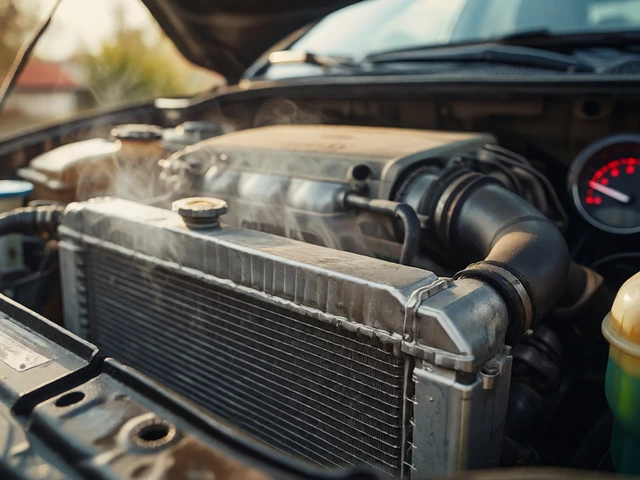
Ever notice your car feels rougher than usual, or that the engine seems to be working harder than it should? You might blame the fuel system or the spark plugs-but what if the real issue is your suspension? It’s easy to think of suspension as just about ride comfort or how the car handles bumps. But a failing suspension system doesn’t just make your drive bumpy. It can actually put extra strain on your engine, reduce fuel efficiency, and even lead to long-term engine wear.
How Suspension Works (And Why It Matters)
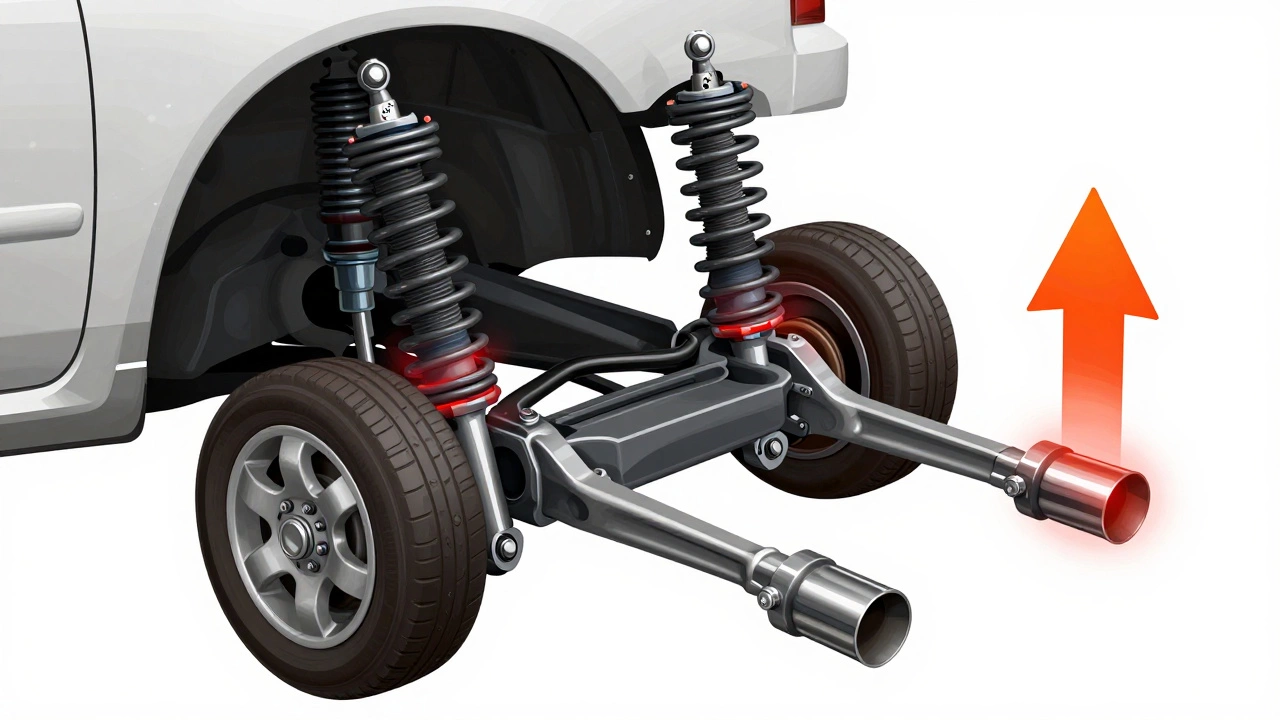
Your car’s suspension system includes shocks, struts, springs, control arms, and bushings. Together, they keep the tires in constant contact with the road, absorb impacts from potholes and bumps, and help maintain stability during turns. When these parts wear out, the tires lose grip, the body rocks more, and the wheels don’t stay aligned.
That might sound like a handling problem, but here’s the hidden effect: when the tires aren’t firmly planted, the engine has to work harder to maintain speed and control. Think of it like walking uphill in loose sand-your legs (the engine) have to push harder just to move forward. The same thing happens in your car.
Direct Ways Bad Suspension Strains the Engine
Here’s how worn suspension components directly affect engine performance:
- Increased rolling resistance: When shocks are dead, the tires bounce instead of rolling smoothly. This creates more friction between the tire and road. The engine must burn more fuel to overcome that resistance, which lowers your MPG.
- Uneven weight distribution: Bad struts or springs can tilt the car, making one side heavier. This forces the engine to compensate during acceleration and braking, especially on hills or during lane changes.
- Loss of aerodynamic efficiency: A sagging rear end or tilted front end changes how air flows over the car. More drag means the engine uses more fuel to maintain highway speeds.
- Engine misfires from vibration: Severely worn bushings let the engine mount shift. This can cause misalignment in throttle cables, sensors, or even vacuum lines, leading to rough idling or intermittent misfires.
A 2023 study by the UK’s Vehicle Safety Research Group found that vehicles with worn suspension systems used 8-12% more fuel on average compared to identical cars with healthy suspensions. That’s not just a money issue-it’s an engine stress issue.
Indirect Damage: The Domino Effect
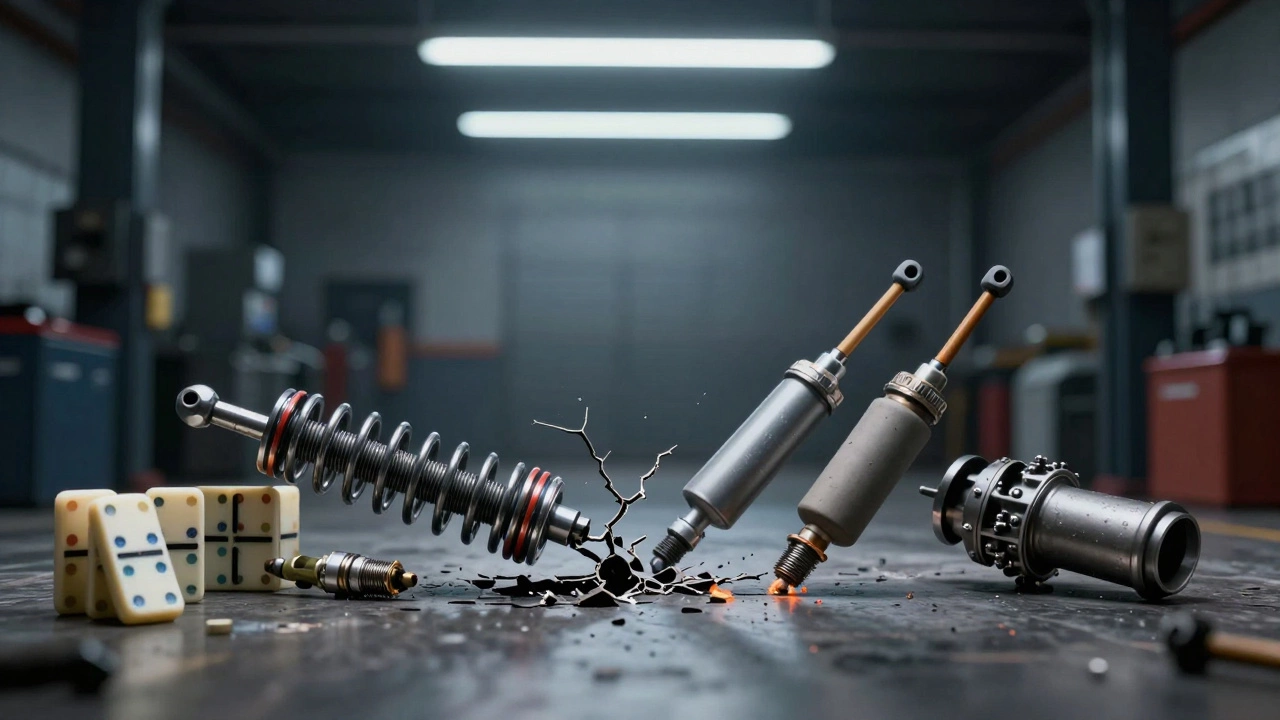
Bad suspension doesn’t just tax the engine-it can trigger a chain reaction of failures.
- Overworked transmission: When the engine struggles to maintain speed due to poor tire contact, the transmission shifts more often and under heavier load. This raises transmission fluid temperatures and wears out clutches faster.
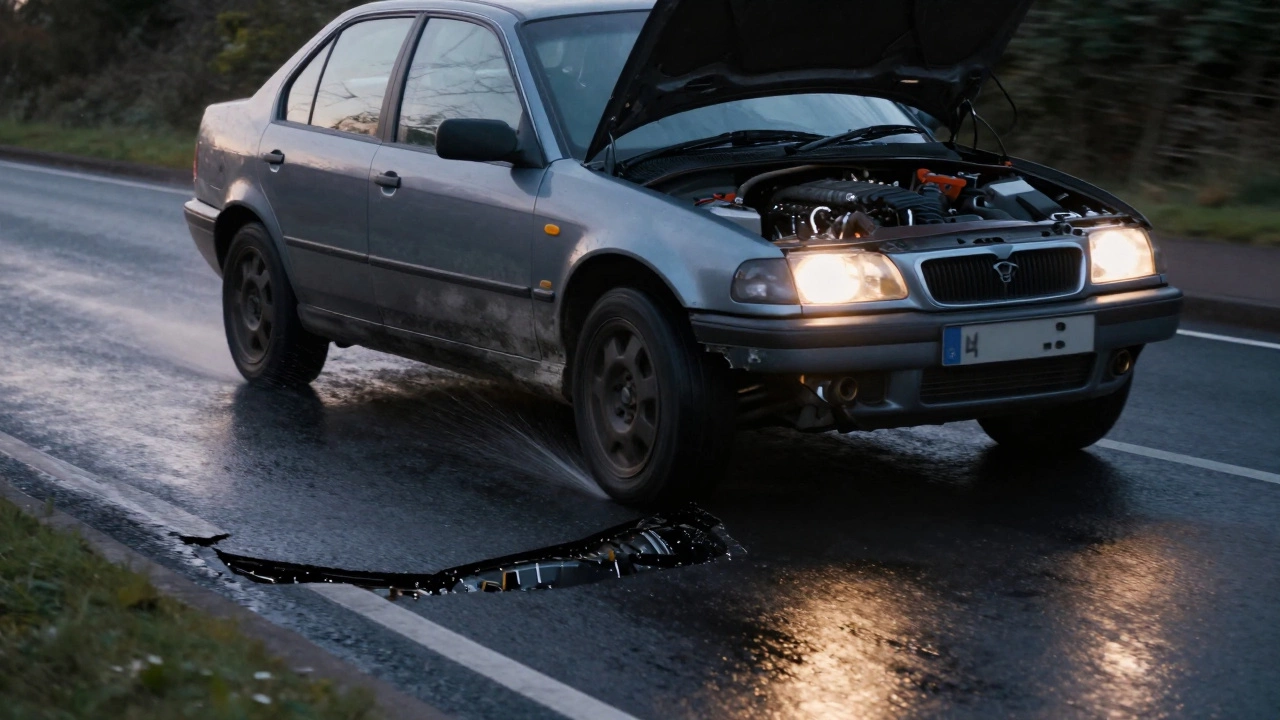
- Exhaust system damage: If the rear of your car is sagging, the exhaust pipe can drag on the road. A bent or cracked pipe lets hot gases leak near the engine, increasing under-hood temperatures and stressing components like the oxygen sensor or catalytic converter.
- Throttle body and sensor issues: Excessive vibration from bad shocks can loosen electrical connectors to the throttle position sensor or mass airflow sensor. These sensors tell the engine how much fuel to inject. If they’re sending wrong signals, the engine runs too rich or too lean, which can foul spark plugs or damage the catalytic converter over time.
One mechanic in Manchester told me about a customer who kept replacing spark plugs every 10,000 miles. After checking everything, he found the rear shocks were completely gone. The constant bouncing had loosened the wiring to the fuel pressure sensor. Once the suspension was fixed, the spark plug lifespan returned to normal-45,000 miles.
Signs Your Suspension Is Hurting Your Engine
Here’s what to watch for:
- Your fuel economy drops suddenly, with no changes in driving habits.
- The engine idles roughly or stalls at stops, even though the spark plugs and fuel injectors are fine.
- You hear clunking or rattling from under the car when going over bumps.
- The car leans heavily to one side when parked or turning.
- Steering feels loose or unresponsive, especially at higher speeds.
- Exhaust fumes smell stronger than usual-this can mean exhaust leaks from suspension-induced misalignment.
If you notice two or more of these, don’t just assume it’s the engine. Get the suspension checked.
What Happens If You Ignore It?
Ignoring bad suspension doesn’t just mean a bumpy ride. Over time, the added stress can cause:
- Shortened engine life due to constant overworking
- Failed oxygen sensors from incorrect air-fuel ratios
- Overheated catalytic converters from rich fuel mixtures
- Transmission slippage or failure from frequent downshifting
One garage in Salford replaced a transmission in a 2018 Ford Focus that had 110,000 miles. The owner thought it was a clutch issue. Turns out, the front struts had been blown for over a year. The car was bouncing so badly that the engine was constantly shifting load, and the transmission had been fighting to keep up. Replacing the struts alone would’ve cost £250. Replacing the transmission? £2,800.
How to Check Your Suspension
You don’t need tools to do a basic check:
- Push down hard on each corner of the car. Let go. If it bounces more than once or twice, your shocks or struts are worn.
- Look for oil leaks on the shock bodies. Damp, greasy spots mean internal seals have failed.
- Check tire wear. Cupping (uneven dips in the tread) or excessive wear on one side points to alignment issues caused by bad suspension.
- Listen for clunks when going over speed bumps. That’s often a worn control arm bushing or ball joint.
- Drive on a smooth road at 30 mph. Let go of the steering wheel briefly. If the car pulls to one side, your suspension geometry is off.
For a full diagnosis, get a professional inspection. Most garages offer a free suspension check-it takes 10 minutes and could save you thousands.
When to Replace Suspension Parts
Most manufacturers recommend replacing shocks and struts every 50,000-80,000 miles. But in the UK, with our potholes and wet roads, you might need to replace them sooner-especially if you drive on rural roads or commute through cities like Manchester or Leeds.
Here’s a rough guide:
| Component | Average Lifespan (miles) | Signs of Failure |
|---|---|---|
| Shocks & Struts | 50,000-70,000 | Bouncing, oil leaks, uneven tire wear |
| Control Arm Bushings | 60,000-90,000 | Clunking, steering wander |
| Coil Springs | 80,000-120,000 | Lower ride height, sagging rear |
| Ball Joints | 70,000-100,000 | Steering looseness, clicking noises |
Don’t wait for complete failure. Once you hit 50,000 miles, start monitoring your ride quality. If you feel any change, get it checked.
Fixing Suspension Saves Money in the Long Run
Replacing shocks might cost £300-£600 depending on the car. But if you let it go, you could end up paying:
- £150-£300 for new tires due to uneven wear
- £400-£800 for oxygen or mass airflow sensor replacement
- £1,000+ for catalytic converter damage
- £2,500+ for transmission repair
It’s not just about engine health-it’s about protecting every system connected to it. A healthy suspension keeps everything running smoothly, efficiently, and safely.
Can bad suspension cause engine misfires?
Yes. Severely worn suspension parts can cause excessive vibration that loosens electrical connections to sensors like the throttle position sensor or mass airflow sensor. If these sensors send incorrect data to the engine control unit, the fuel-air mixture can become unbalanced, leading to misfires. This is especially common if the engine mounts are also worn.
Does bad suspension affect fuel economy?
Absolutely. Worn shocks and struts cause the tires to bounce, increasing rolling resistance. This forces the engine to burn more fuel to maintain speed. Studies show vehicles with failing suspension use 8-12% more fuel on average. That adds up to hundreds of pounds a year.
Can I drive with bad suspension for a while?
You can, but it’s risky. Driving with bad suspension increases wear on tires, brakes, steering components, and the engine. It also reduces control during emergency maneuvers. In wet or icy conditions, it can make your car harder to stop or steer. It’s not just uncomfortable-it’s unsafe.
Will replacing suspension fix engine problems?
It can. If your engine issues-like rough idling, poor fuel economy, or sensor faults-are caused by suspension-induced vibrations or misalignment, replacing worn shocks and struts can restore normal performance. However, if the engine has already suffered damage (like a fouled catalytic converter), you’ll still need repairs. Suspension fixes prevent further damage but don’t undo existing harm.
How often should I check my suspension?
Have it inspected every 20,000 miles or at least once a year. If you drive on rough roads, in winter conditions, or carry heavy loads often, check it every 10,000 miles. Many garages offer free suspension checks-take advantage of them.
Final Thought: It’s All Connected
Your car isn’t a collection of separate parts. It’s a system. When one part fails, others pay the price. Bad suspension doesn’t just make your ride rough-it makes your engine work harder, waste fuel, and wear out faster. Don’t wait for the engine to scream before you fix the suspension. A quiet, smooth ride isn’t just about comfort. It’s about keeping your engine alive.