Clutch Health Checker
Enter the symptoms you're experiencing to get a professional assessment.
If your car feels like it’s losing power when you accelerate, or the engine revs higher than it should without matching speed, your clutch might be screaming for attention. A worn or misadjusted clutch doesn’t just make driving annoying-it can leave you stranded. Knowing the signs early saves you from expensive repairs and unexpected breakdowns.
Clutch Pedal Feels Spongy or Goes Too Far to the Floor
A healthy clutch pedal should have a firm, responsive feel. If you press it and it goes all the way to the floor with little resistance, that’s a red flag. This usually means the clutch cable has stretched, hydraulic fluid has leaked, or the release bearing is worn. In manual cars, the clutch needs to engage at about one-third of the pedal’s travel. If you have to push it halfway down before you feel resistance, the linkage or hydraulic system needs checking. It’s not always a full clutch replacement-sometimes, a simple adjustment fixes it.
The Car Slips When You Accelerate Hard
Clutch slip happens when the friction material on the clutch disc can’t grip the flywheel properly. You’ll notice it most when you’re in a higher gear, flooring the accelerator, and the engine revs up but the car doesn’t speed up like it should. Think of it like trying to push a heavy box on a slippery floor-the engine works, but nothing moves. This isn’t normal. If you’re driving uphill or towing and the clutch slips, it’s not just a warning-it’s a countdown to failure. Clutch slippage is often caused by wear, oil contamination, or improper adjustment. A badly adjusted clutch won’t fully engage, making the disc spin instead of grip.
Difficulty Shifting Gears
If you’re struggling to get into gear, especially first or reverse, and you hear grinding or feel resistance, the clutch isn’t disengaging fully. This usually means the clutch pedal isn’t releasing the pressure plate enough. The release bearing might be worn, or the clutch cable is too tight or too loose. In hydraulic systems, air in the lines or low fluid can cause the same issue. You might find yourself having to double-clutch just to get through gears. That’s not how a manual transmission should feel. Proper adjustment ensures the clutch fully disengages when you press the pedal, letting the gears mesh cleanly.
Clutch Pedal Height Has Changed
Over time, the clutch disc wears down. As it gets thinner, the pedal’s resting position rises. If you used to have a few inches of free play at the top of the pedal and now it’s almost gone, your clutch is wearing out. Most manufacturers recommend 0.5 to 1 inch of free play at the top. If the pedal feels higher than it used to, or you have to press it further to get the same result, that’s a sign the clutch is nearing the end of its life. Some cars have adjustable cables or hydraulic push rods-you can tweak them temporarily, but if the pedal height keeps changing, replacement is likely coming soon.
Unusual Noises When Pressing the Pedal
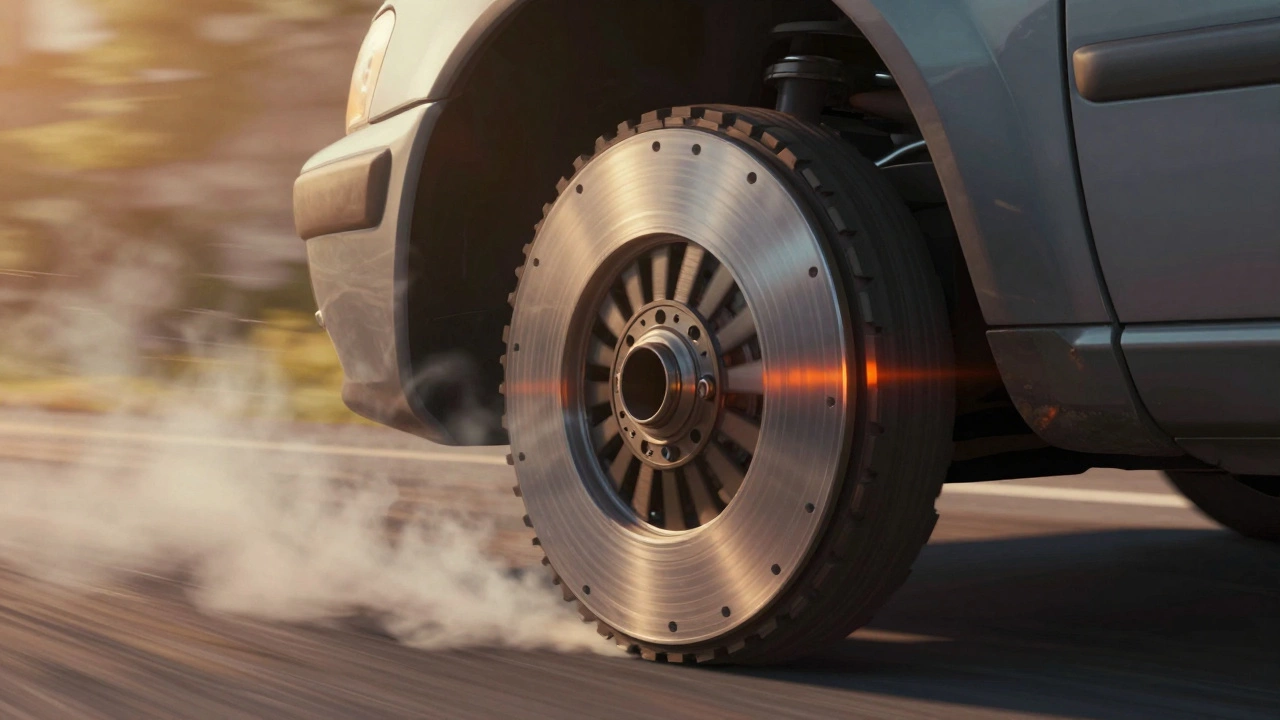
A faint squeak or chirp when you press the clutch pedal can be harmless-maybe it’s just dry pivot points. But a grinding, rattling, or chirping noise that gets louder as you press the pedal? That’s the release bearing failing. The bearing lets the pressure plate move smoothly. When it wears out, metal grinds on metal. If you hear this noise, don’t ignore it. A failed release bearing can damage the pressure plate or even the flywheel, turning a simple fix into a £500+ repair. Adjusting the clutch won’t fix a bad bearing, but catching it early can save you from bigger damage.
Clutch Smells Like Burning
That acrid, burnt toast smell coming from under the hood? That’s clutch material overheating. It happens when the clutch is slipping for too long-like riding the clutch in traffic, or constantly starting on steep hills without giving it enough gas. The friction material on the disc is literally burning off. This isn’t a sign of needing adjustment-it’s a sign of serious wear. You might still be able to drive, but the clutch is dying. If you’ve noticed this smell, especially after heavy use, it’s time to get it checked. Adjusting the clutch won’t bring back worn-out friction material.
How Often Should You Check Your Clutch?
Most clutches last between 50,000 and 100,000 miles, depending on driving style. If you’re in stop-and-go traffic, haul heavy loads, or ride the clutch, you’ll wear it out faster. There’s no scheduled clutch service in most cars, so you have to pay attention. Get it checked every 20,000 miles if you drive hard, or every 30,000 miles if you drive gently. A mechanic can check pedal height, clutch engagement point, and hydraulic pressure in under 20 minutes. If you’re unsure, do this quick test: pull up to a quiet road, put the car in third gear, and slowly release the clutch without giving gas. If the engine stalls right away, the clutch is still gripping well. If the engine keeps running and the car doesn’t move, the clutch is slipping.
What Happens If You Ignore It?
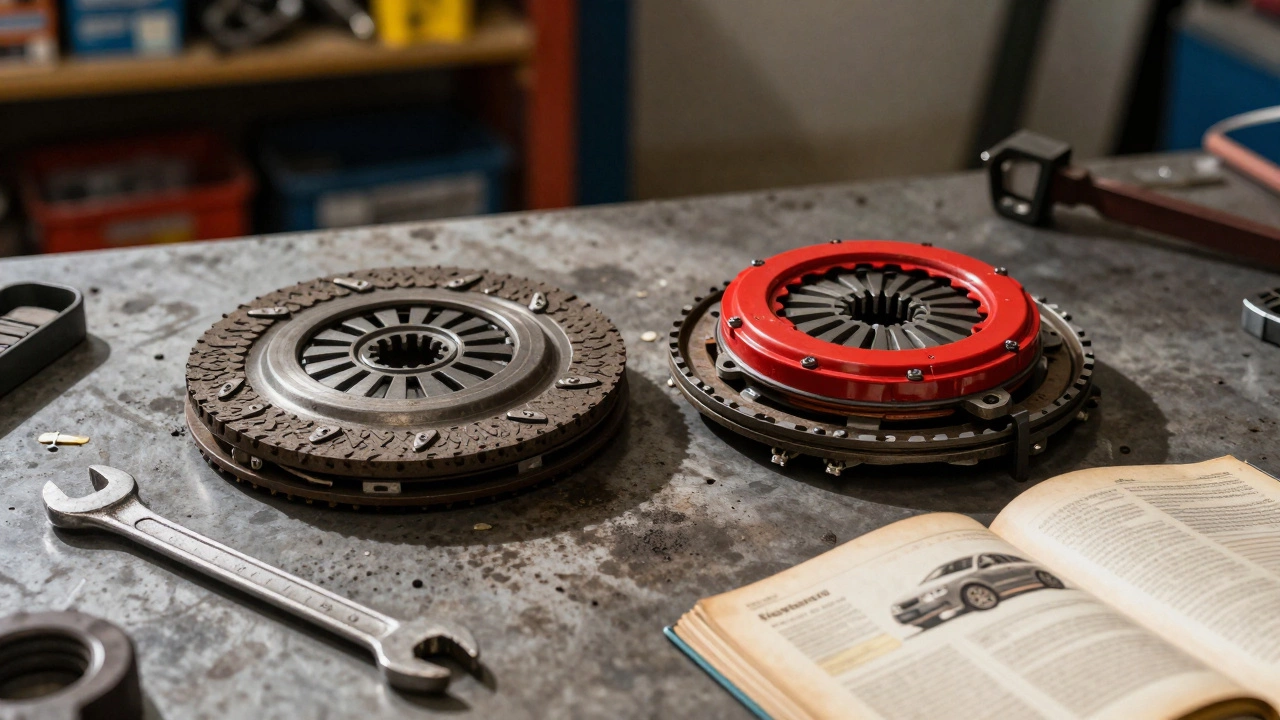
Driving with a bad clutch doesn’t just risk breakdowns-it damages other parts. A slipping clutch overheats the flywheel, which can warp and need resurfacing or replacement. A worn release bearing can destroy the pressure plate. A misadjusted clutch can cause premature wear on the gear synchronizers. All of that adds up. Replacing just the clutch disc might cost £300-£500. Add a new flywheel, pressure plate, and release bearing, and you’re looking at £800-£1,200. Catch it early, and you might just need an adjustment-£50-£100 at most.
Can You Adjust It Yourself?
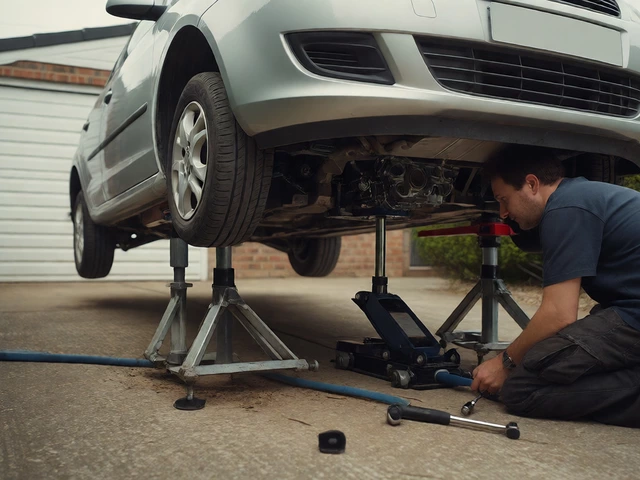
Some cars have adjustable clutch cables. If yours does, you can usually find the adjustment point near the clutch pedal or the clutch fork under the hood. Turn the adjuster nut clockwise to tighten the cable (reducing pedal travel) or counterclockwise to loosen it. Always check your car’s manual for the right free play range. Hydraulic clutches, however, are self-adjusting in most modern cars. If you have one and it’s acting up, it’s likely a leak, air in the system, or worn internal parts-not something you can fix with a wrench. If you’re not sure what type you have, don’t guess. Messing with a hydraulic system without knowing how it works can make things worse.
When to Replace Instead of Adjust
Adjustment works only if the clutch components are still in good shape. If you’ve got slipping, burning smells, or the pedal height keeps changing, you’re past the point of adjustment. No amount of tweaking will bring back worn friction material. If you’ve tried adjusting the pedal and the problem returns within a week, the clutch is worn out. Don’t waste time and money chasing a temporary fix. Replace it before it leaves you stranded on the M60.