Exhaust Sound & Performance Calculator
Exhaust Sound Calculator
Your Results
Note: These calculations are based on typical values. Actual results depend on your engine type, vehicle model, and installation quality. Check local regulations for exhaust modifications before installing.
What This Means
Larger pipe diameters reduce backpressure, allowing better exhaust flow and deeper low-frequency tones. Performance mufflers cancel high frequencies while amplifying low-end resonance. Combined, these modifications create that powerful, rumbling sound without excessive volume.
Most people who want a deeper exhaust sound aren’t trying to sound like a drag racer. They just want their car to growl a little more-something that feels powerful, not just loud. A deep, rumbling exhaust isn’t just about volume. It’s about tone, resonance, and how the sound vibrates through the chassis. And yes, you can get it without breaking the bank or sacrificing daily drivability.
Understand Why Your Exhaust Sounds Thin
If your exhaust sounds tinny or high-pitched, it’s not because the engine is weak. It’s because the exhaust system is too restrictive or too short. Stock exhausts are designed for noise control, emissions compliance, and fuel efficiency-not sound. They use small-diameter pipes, multiple baffles, and heavy mufflers to muffle the engine’s natural tone. The result? A quiet but lifeless exhaust note.
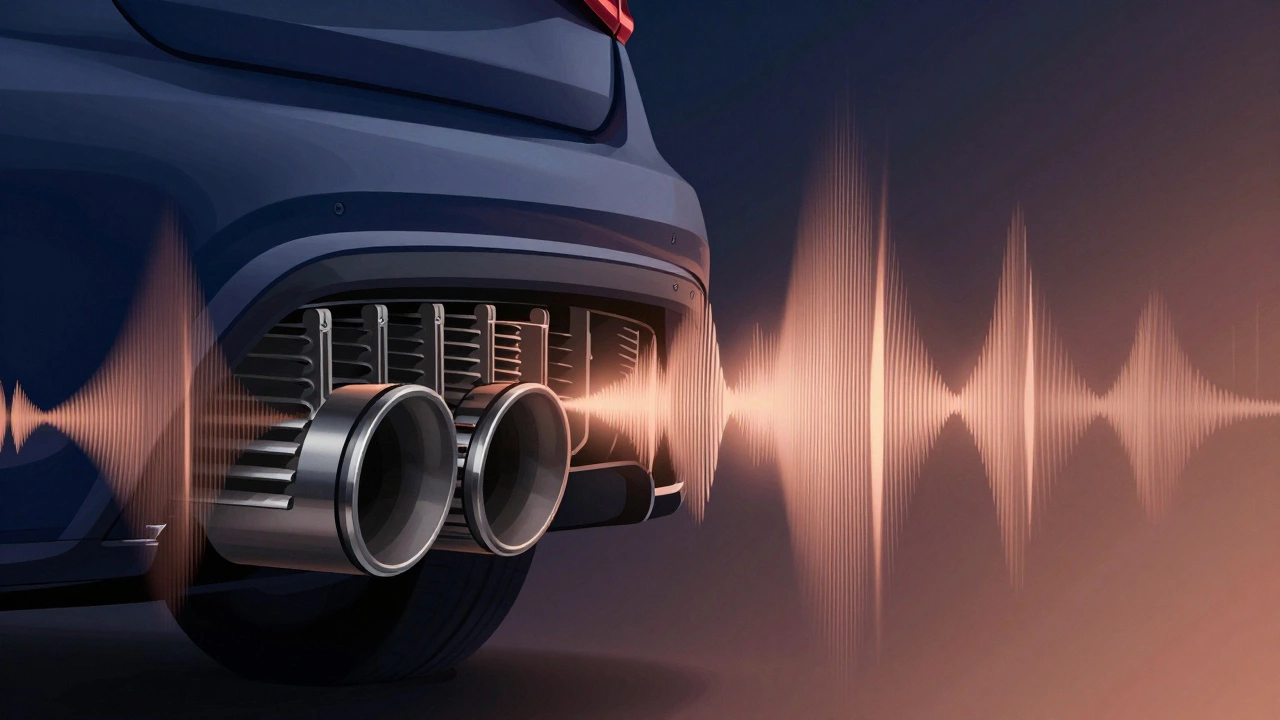
The engine’s exhaust pulses create sound waves. The length and diameter of the pipes determine how those waves interact. Longer pipes with wider diameters let low-frequency waves develop fully, giving you that chest-thumping rumble. Short, narrow pipes? They let high frequencies dominate, which sounds shrill and cheap.
Swap the Muffler for a Performance Model
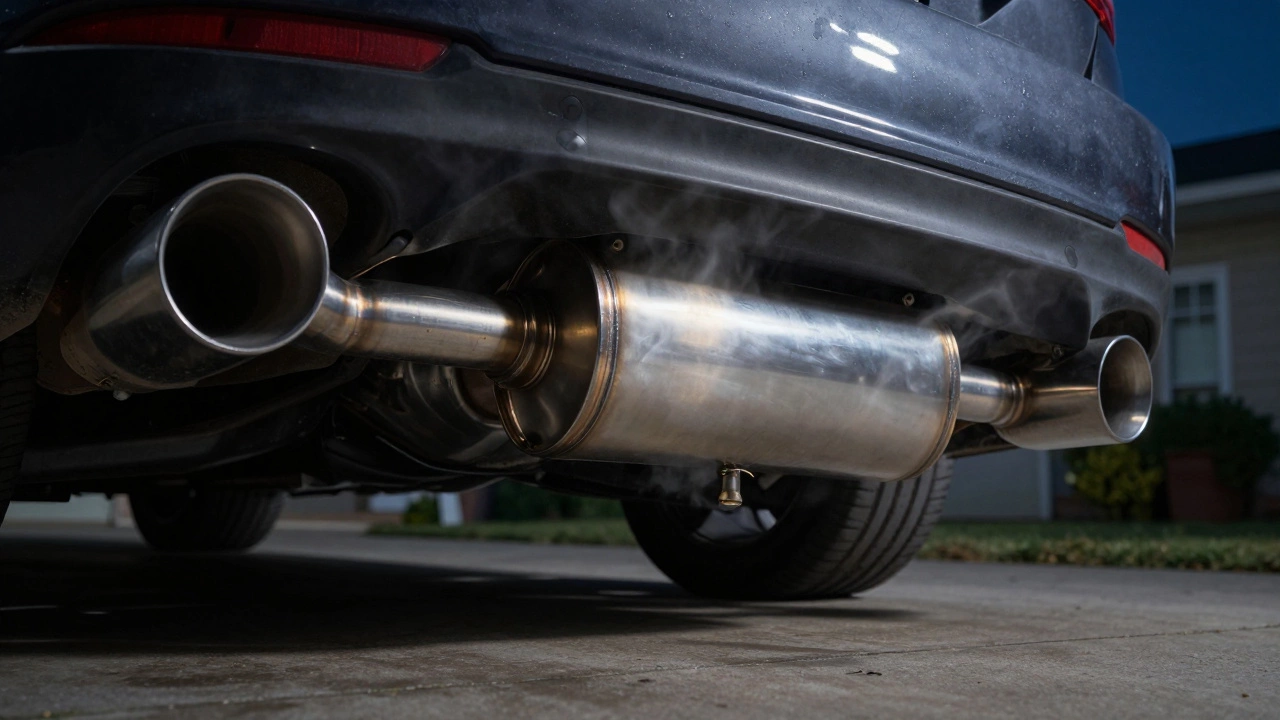
The muffler is the single most cost-effective place to start. Replacing your stock muffler with a performance model can transform your sound overnight. Look for straight-through designs with perforated cores and minimal baffling. Brands like Borla, MagnaFlow, and Flowmaster make mufflers tuned specifically for deeper tones.
Flowmaster’s Outlaw series, for example, uses a chambered design that cancels high frequencies while amplifying low-end resonance. It’s not the loudest option, but it’s one of the deepest-sounding for daily drivers. Avoid mufflers labeled as “race” or “loud”-those are tuned for track use and often sound harsh at idle or low RPMs.
Installation is usually straightforward. Most bolt-on mufflers replace the stock unit in under two hours with basic tools. Just make sure the inlet/outlet sizes match your existing pipe. A mismatch will cause backpressure issues or leaks.
Upgrade to a Larger Diameter Exhaust Pipe
Going from a 2-inch stock pipe to a 2.5-inch or even 3-inch system makes a noticeable difference. Larger pipes reduce backpressure, letting exhaust gases flow faster and smoother. This doesn’t just improve sound-it can add 5 to 15 horsepower depending on your engine.
But bigger isn’t always better. For most 4-cylinder and V6 engines, 2.5 inches is the sweet spot. Going to 3 inches can make the sound too boomy at low speeds and hurt low-end torque. For V8s, 3 inches is standard. If you’re unsure, check what’s used on factory performance models of your car. For example, the Ford Mustang GT comes stock with a 2.5-inch dual exhaust. That’s a good baseline.
Also, avoid systems with too many bends. Each bend disrupts the exhaust flow and creates turbulence, which kills low-end tone. Look for mandrel-bent pipes-they keep the pipe’s round shape through curves, allowing smooth gas movement.
Remove the Resonator (But Know the Trade-Off)
The resonator sits between the catalytic converter and the muffler. Its job is to cancel out specific frequencies that cause drone-those annoying hums you hear at highway speeds. But it also removes some of the deeper tones you want.
Removing the resonator (or replacing it with a straight pipe) will make the exhaust sound fuller and more aggressive. Many owners report a 20-30% increase in depth after this mod. But be warned: you might get more drone at 2,000-2,500 RPM on the highway. If you drive long distances often, this could get tiring.
A better option? Swap the stock resonator for a glasspack-style resonator. It reduces drone while keeping the low-end rumble. Brands like Vibrant Performance make these in various lengths and diameters to fine-tune the tone.
Consider a Header Upgrade (For Serious Tuners)
If you’ve done the muffler, pipe, and resonator mods and still want more depth, headers are the next step. Headers replace the factory exhaust manifolds with tubular designs that let each cylinder’s exhaust pulse exit more efficiently.
Long-tube headers, in particular, enhance low-end torque and deepen the exhaust note by improving scavenging-the process where one cylinder’s exhaust flow helps pull out the next cylinder’s gases. This creates a more rhythmic, powerful sound.
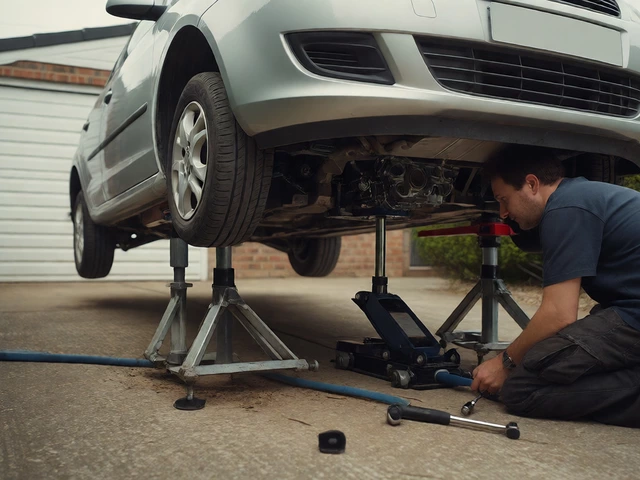
But headers are a bigger job. They require removing the engine’s front cover, lifting the car high enough, and sometimes relocating sensors or wiring. You’ll also need to get your car retuned afterward, especially if you have a modern fuel-injected engine. This isn’t a weekend project for beginners.
For most people, headers are overkill. But if you’ve got a modified engine or want to unlock the full potential of your exhaust system, they’re the final piece.
Check Your Catalytic Converters
Stock catalytic converters are designed to reduce emissions, not sound. They’re packed with dense ceramic honeycombs that choke exhaust flow. High-flow cats are a middle ground-they cut emissions by 90%+ (still legal in most places) while allowing much freer flow.
Replacing stock cats with high-flow units can add depth and volume without triggering a check engine light. Look for ones rated for your engine size and fuel type. For example, a 300HP V6 needs a different cat than a 200HP 4-cylinder.
Just make sure you’re not removing them entirely. In the UK, removing catalytic converters is illegal for road use. Even if your car passes an MOT without them, you risk fines and failed inspections.
Sound Tuning: The Secret to Getting It Right
Every car is different. A deep exhaust on a Honda Civic sounds different than on a BMW 3 Series. Your goal isn’t to copy someone else’s sound-it’s to find the tone that matches your car’s character.
Start with a muffler swap. Then add a larger pipe if needed. Test drive it at different RPMs-idle, 2,000 RPM cruising, and wide-open throttle. Listen for:
- Is it smooth, or does it rasp?
- Does it drone on the highway?
- Does the tone get richer as you rev?
If it’s too loud at low speeds, go back to a muffler with more internal baffling. If it’s too quiet under load, try a larger pipe or remove the resonator.
Many shops offer sound simulators-recordings of different exhaust setups on your exact car model. Use them. They’re free and save you hundreds in trial-and-error.
What Not to Do
Don’t buy a cheap eBay exhaust kit labeled “deep sound guaranteed.” Most are made from thin steel, rust in a year, and sound like a lawnmower with a megaphone.
Don’t install a straight pipe without a muffler. It’s illegal in the UK, noisy as hell, and you’ll get stares everywhere-even from other car enthusiasts.
Don’t ignore your engine’s health. A deeper exhaust won’t fix a misfire or a vacuum leak. If your car runs rough, fix that first. Bad engine tuning can make even the best exhaust sound terrible.
Real Results: What Works on Common Cars
Here’s what actually works on popular models:
- Toyota Camry V6: Flowmaster American Thunder muffler + 2.5-inch dual exhaust. Result: Rich, low rumble at idle, smooth growl under acceleration.
- Ford Focus ST: Borla ATAK muffler + resonator delete. Result: Aggressive but not obnoxious. Perfect for spirited driving.
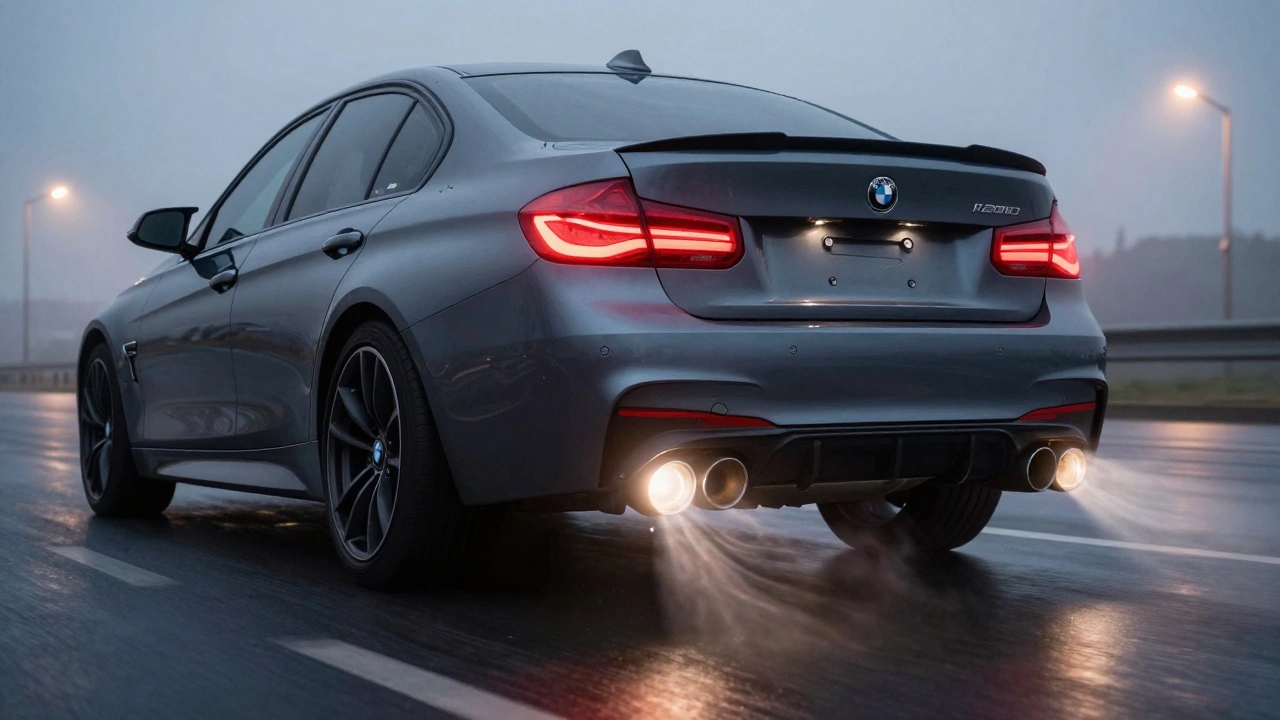
- BMW 328i: MagnaFlow Performance muffler + high-flow cat. Result: Deep, sporty tone without the drone. Still quiet enough for late-night drives.
- Subaru WRX: Invidia N1 dual exhaust + cat-back system. Result: Loud, metallic growl that sounds like a rally car-exactly what owners want.
These aren’t guesses. They’re real setups from owners who logged hundreds of miles and posted sound clips on forums like Reddit’s r/exhaust and UK-based forums like PistonHeads.
Final Thoughts: It’s About Feel, Not Just Noise
A deep exhaust sound isn’t just about impressing people at the traffic light. It’s about connecting you to your car. When you hear that low rumble under acceleration, it feels like the engine is alive. It’s not just noise-it’s feedback. A reward for tuning it right.
Start small. Change the muffler. Drive it for a week. Then decide if you want more. Don’t rush into big mods. The best exhaust setups are built step by step, not bought in a box.
And remember: the goal isn’t to be the loudest on the road. It’s to sound like your car was meant to sound all along.
Will a deeper exhaust sound hurt my engine?
No, a deeper exhaust sound won’t hurt your engine. Exhaust modifications change how sound travels, not how the engine runs. As long as you don’t remove catalytic converters or create major backpressure by using the wrong pipe size, your engine will be fine. In fact, reducing backpressure can improve efficiency and power.
Is it legal to modify my exhaust in the UK?
Yes, as long as your exhaust doesn’t exceed the noise limits set by the UK’s MOT test. The official limit is 82 decibels at idle and 86 decibels under load. Most aftermarket systems stay under this if you choose quality mufflers. Removing catalytic converters is illegal for road use. Always keep your system emissions-compliant.
Why does my exhaust sound different after I changed the muffler?
Because different mufflers use different internal designs. Chambered mufflers like Flowmaster’s amplify low frequencies for a deep tone. Straight-through designs like Borla’s are louder and more aggressive. Glasspacks are quieter but still deeper than stock. The sound changes because the way sound waves bounce and cancel inside the muffler changes.
Can I get a deep sound without spending over £1,000?
Absolutely. A good performance muffler costs between £150 and £350. Adding a 2.5-inch pipe and removing the resonator can bring the total under £600. Many people get the sound they want for under £500. You don’t need a full system to make a difference.
Why does my exhaust drone at highway speeds?
Drone happens when exhaust frequencies match the natural resonance of your car’s cabin, usually around 2,000-2,500 RPM. It’s caused by too much free flow and not enough sound cancellation. Adding a resonator back in or switching to a muffler with more internal baffling usually fixes it. Some systems even come with adjustable drone reducers.
Should I install a dual exhaust system?
Only if your car originally had one. Dual exhaust systems look cooler and can improve flow on V6 and V8 engines, but on 4-cylinder cars, they often just add cost and complexity without real sound benefits. A single, properly sized exhaust with the right muffler will sound deeper than a poorly designed dual system.