Wiper Blade Health Estimator
Enter your driving conditions to get a personalized recommendation on when to replace your wiper blades.
Estimated Status
--Recommended Replacement
--
Key Risk Factor
--
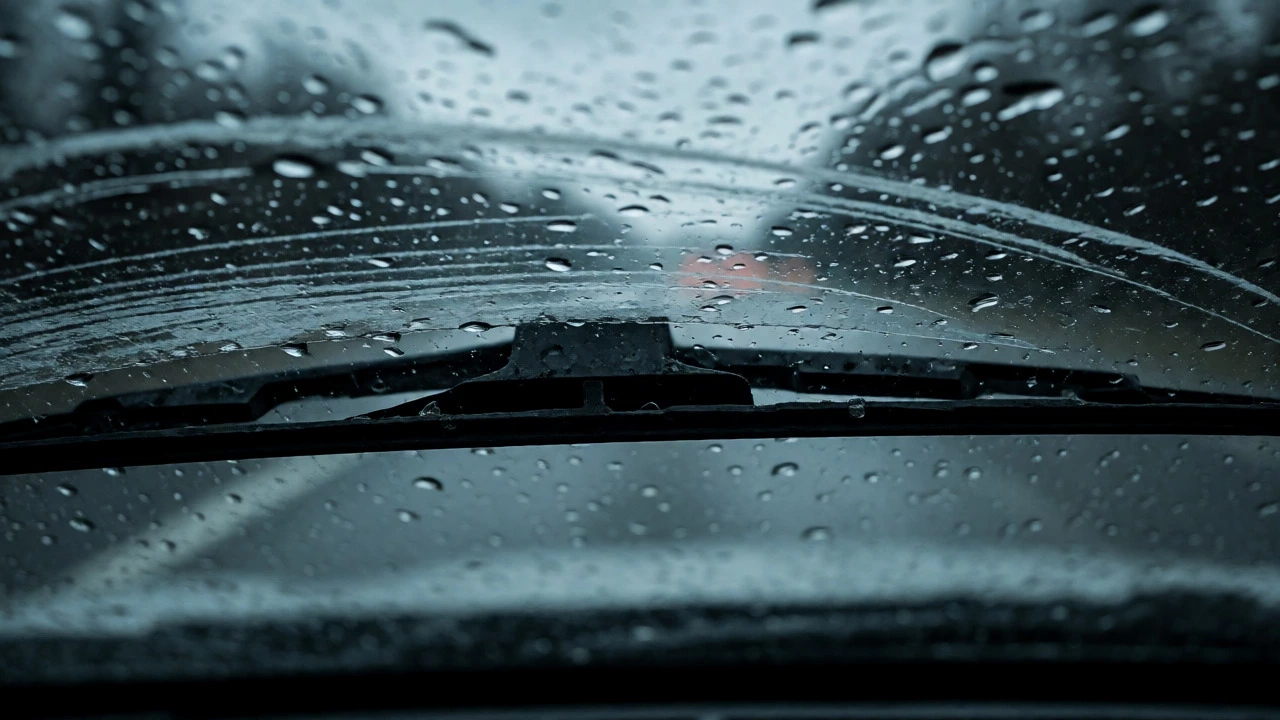
You’re driving down the highway, rain starts pouring, and you flip the switch. Instead of a clear view, you get streaks, smears, or that annoying chattering sound against the glass. It’s frustrating, sure, but it’s also a warning sign most drivers ignore until they’re squinting through a blurry mess in a downpour. The question isn’t just about annoyance; it’s about visibility and safety. So, how often should I replace wiper blades? The short answer is every six to twelve months, but the real answer depends heavily on where you live and how you drive.
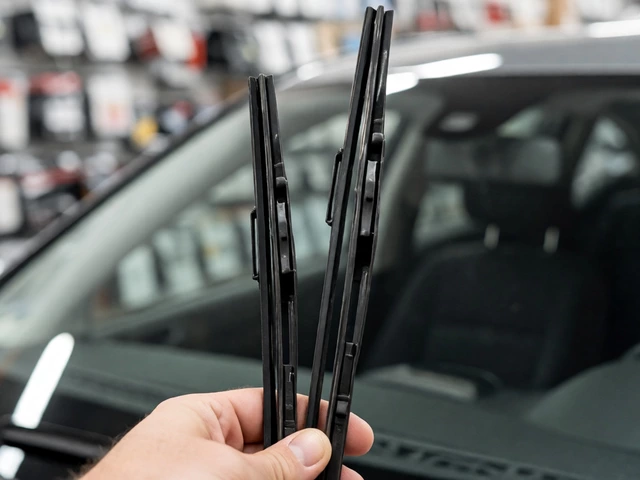
Wiper blades are simple rubber components, yet they play a critical role in driver safety. They consist of a rubber squeegee attached to a metal or plastic frame, designed to wipe water, snow, and debris from the windshield. Unlike tires or brake pads, wipers don’t wear out evenly. They degrade due to environmental factors rather than friction alone. UV radiation breaks down the rubber compounds, causing them to harden and crack. Extreme heat can warp the rubber, while freezing temperatures make it brittle. If you park your car outside in Arizona sun or Minnesota winters, your blades will fail faster than someone who garages their vehicle in Seattle.
The Six-Month Rule vs. Real-World Wear
Most manufacturers suggest replacing wiper blades twice a year-once before summer and once before winter. This aligns with seasonal changes that stress the rubber differently. Summer heat cooks the rubber, leading to dry rot. Winter cold snaps cause cracking, and ice buildup can tear the edge if you force frozen blades off the glass. But sticking strictly to a calendar date can be misleading. A better approach is to inspect them monthly. Look for specific signs of failure. Are there visible cracks along the rubber edge? Does the blade leave streaks even when the windshield is clean? Do you hear squeaking or skipping?
If you notice any of these issues, swap them out immediately. Don’t wait for the next season. Modern beam-style wipers, which use an internal tension spring instead of a traditional frame, tend to last longer than older conventional styles because they have fewer moving parts to corrode. However, they still succumb to UV damage. If you drive daily in heavy traffic, you might go through blades faster due to constant exposure to exhaust fumes and road grime, which act as abrasives.
Environmental Factors That Kill Wipers Fast
Your location dictates your replacement schedule more than your mileage does. Here is how different climates affect longevity:
- Sun Belt States (e.g., Arizona, Florida): UV rays are the enemy. Rubber degrades rapidly here. Expect to replace blades every 3-6 months if parked outdoors.
- Cold Climates (e.g., Michigan, Canada): Cold makes rubber stiff. Ice accumulation adds weight and stress. Use winter-specific blades with rubber boots to protect the mechanism, but expect to change them annually.
- Mild Climates (e.g., Pacific Northwest): Less UV stress, but frequent rain means constant usage. Moisture encourages mold and mildew on the rubber, reducing grip. Replacement every 12 months is usually sufficient.
Parking habits matter too. Cars parked under trees face sap and bird droppings, both of which are acidic and eat away at rubber. Cars parked in direct sunlight bake daily. If you have a garage, you can stretch the life of your blades significantly. Some drivers extend life by lifting wipers during snowstorms to prevent them from freezing to the glass, though this doesn’t stop UV degradation over time.
Types of Wiper Blades and Their Lifespan
Not all wipers are created equal. Understanding the types helps you predict how long they’ll last and what to buy when you do replace them.
| Blade Type | Description | Average Lifespan | Best For |
|---|---|---|---|
| Conventional | Metal frame with multiple pressure points | 6-12 months | Budget-conscious drivers, older vehicles |
| Hybrid | Combines frame stability with aerodynamic cover | 8-14 months | All-season performance, moderate climates |
| Beam | Frameless design with integrated tension strip | 10-18 months | Rainy climates, high-speed driving |
| Winter | Encased rubber boot prevents ice buildup | Seasonal (replace after winter) | Snow-heavy regions |
Beam wipers generally offer the best balance of durability and performance today. They hug the windshield curve better, providing consistent contact across the entire length. This reduces streaking and chatter. While they cost more upfront-often $20-$40 per pair compared to $10-$15 for conventional-they last longer and perform better in wet conditions. If you live in a rainy area, investing in quality beam blades pays off in clarity and safety.
Signs Your Wipers Need Immediate Replacement
Don’t guess. Test your wipers regularly. Here’s a quick checklist to determine if you need new ones right now:
- Streaking: Water lines remain after the pass. This indicates the rubber edge is worn or contaminated.
- Chattering: The blade skips across the glass, making a rhythmic noise. This happens when the rubber has hardened and lost flexibility.
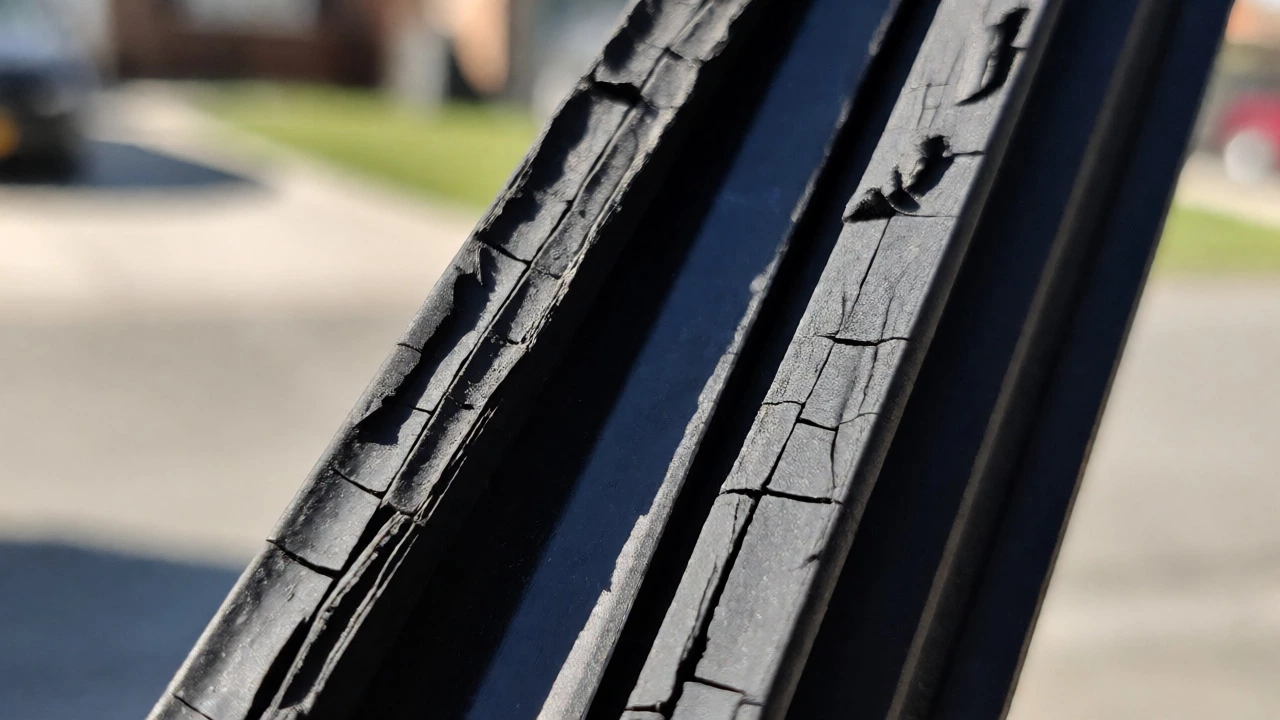
- Cracking: Visible splits or tears in the rubber element. Run your finger gently along the edge (when cool) to feel for roughness.
- Bent Frame: The metal arm looks distorted. This prevents even pressure distribution.
- Smearing: Oily residue spreads instead of wiping clean. This often comes from tree sap or wax buildup on the blade itself.
If you see streaks, try cleaning the blades first. Sometimes, dirt and oil accumulate on the rubber, preventing a clean seal. Wipe the blades with a paper towel dampened with rubbing alcohol or warm soapy water. Clean the windshield thoroughly too. If the problem persists after cleaning, the rubber is likely compromised. Cleaning won’t fix hardened or cracked rubber.
How to Extend the Life of Your Wiper Blades
You can’t stop entropy, but you can slow it down. Simple maintenance habits can add months to your wipers’ service life.
- Keep the Windshield Clean: Dirt acts like sandpaper. Wash your car regularly, especially the front glass. Remove bug splatter promptly, as it contains acids that degrade rubber.
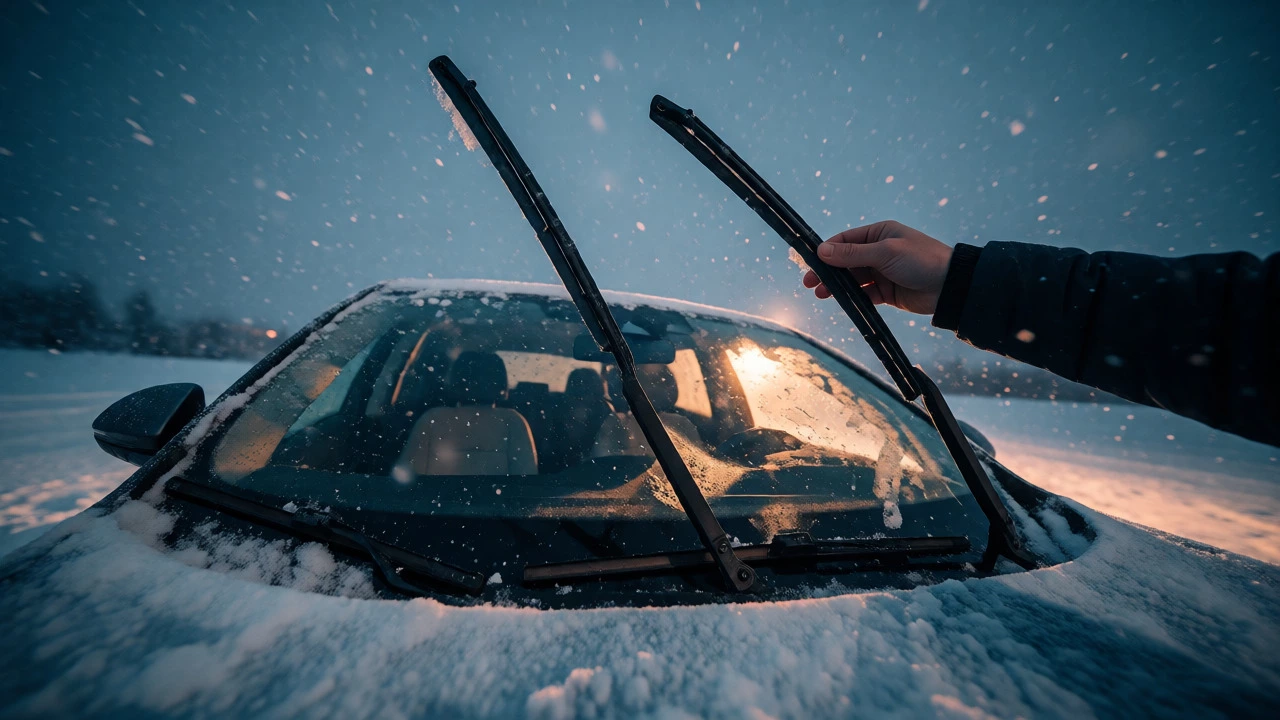
- Lift Wipers in Snow/Ice: Never turn on frozen wipers. Pour warm (not hot) water on the glass to melt ice before operating them. Lifting them when parking overnight prevents them from freezing to the glass.
- Use Washer Fluid Properly: Always use washer fluid when wiping dry dust or sand. Dry wiping causes excessive friction and wears the rubber quickly.
- Store Indoors When Possible: Garage parking shields blades from UV rays and temperature extremes.
- Rotate Seasonally: If you live in a four-season climate, consider keeping two sets: standard blades for summer/spring/fall and winter blades for snow. Switching them protects each set from harsh conditions they aren’t designed for.
Another pro tip: avoid running wipers on a dry windshield unless absolutely necessary. Friction generates heat, which accelerates rubber breakdown. Wait until the rain starts or spray washer fluid first.
Choosing the Right Replacement Blades
When it’s time to buy, match the size and attachment type exactly. Sizes vary by vehicle model-common sizes range from 16 inches to 28 inches. Check your owner’s manual or measure the existing blade. Also, note the connector type. Common connectors include J-hook, side-pin, top-lock, and bayonet. Most universal blades come with adapters, but buying a brand-specific fit ensures a secure connection that won’t rattle loose.
Consider silicone-coated blades. These resist UV damage better than natural rubber and repel water more effectively, improving visibility in light rain. They cost more but often justify the price through extended lifespan and superior performance. Brands like Bosch, Rain-X, and Michelin offer reliable options. Avoid ultra-cheap no-name brands found at discount stores; their rubber compounds often degrade within weeks.
Frequently Asked Questions
Can I replace just one wiper blade?
Yes, you can replace just one if only one is damaged. However, since both blades experience similar environmental stress, it’s often wise to replace them as a pair to ensure uniform performance and appearance. If one fails early, check the other for signs of wear.
Do expensive wiper blades really work better?
Generally, yes. Premium blades use higher-quality rubber compounds and better engineering for even pressure distribution. They resist streaking and chatter longer than budget options. In heavy rain, the difference in visibility can be significant, enhancing safety.
Why do my new wipers skip immediately?
New wipers may skip if the windshield has a coating of wax, ceramic sealant, or oil film. Clean the glass thoroughly with glass cleaner or rubbing alcohol to remove contaminants. The wipers need a smooth, clean surface to glide properly.
How long do wiper blades last in winter?
Standard blades may last only a few months in harsh winter conditions due to ice and salt damage. Winter-specific blades with protective boots last longer but should still be inspected frequently. Replace them if the rubber becomes brittle or torn.
Is it safe to drive with bad wipers?
It’s risky. Poor visibility increases accident risk, especially in rain or fog. Many jurisdictions require functional wipers for roadworthiness inspections. Driving with failing wipers compromises your ability to see hazards clearly.