Fuel Injection Pump Diagnostic Checker
Select the symptoms you are experiencing with your vehicle to receive a diagnostic assessment and estimated repair cost range.
- Hard starting (cold or hot)
- Hesitation under load
- Black smoke from exhaust
- Fuel smell / Visible leaks
- Engine stalls at idle
- RPM surging at constant speed
Please select symptoms on the left to begin diagnosis.
Likelihood of Pump Failure
Estimated Repair Cost
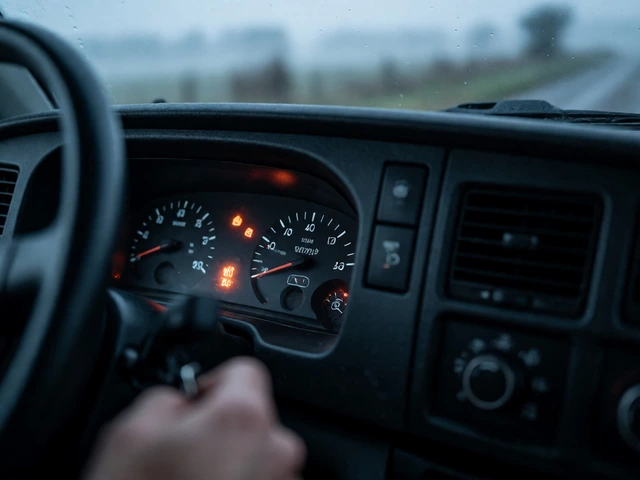
There is nothing quite like the sinking feeling of your car sputtering and dying on a quiet country road. You turn the key, and instead of that familiar roar, you get silence or a weak, wheezing cough. While it could be a dead battery or a fouled spark plug, if you drive a diesel vehicle-or even a modern petrol engine with direct injection-the culprit is often lurking deeper in the system: the fuel injection pump. This component is essentially the heart of your fuel delivery system, pressurising diesel or petrol so it can be sprayed into the cylinders at precise moments. Knowing how to identify when this critical part is failing can save you from expensive towing bills and help you diagnose the issue before you end up stranded.
| Symptom | Likely Cause | Quick Check |
|---|---|---|
| Hard starting (cold or hot) | Low fuel pressure / Weak pump internals | Listen for hum; check battery voltage first |
| Hesitation under load | Inconsistent flow rate | Test drive uphill; monitor RPM drop |
| Black smoke from exhaust | Poor atomisation / Leaking injectors | Visual inspection of tailpipe during acceleration |
| Fuel smell inside cabin | External leak at pump seals | Sniff near engine bay; check for wet spots |
| Engine stalls at idle | Idle control valve failure | Check for fluctuating RPMs |
The Early Warning Signs: Listen and Feel
Your car usually talks to you before it breaks down completely. The first clue is often auditory. A healthy in-line pump or rotary distributor pump produces a consistent, rhythmic whine or hum when the ignition is turned on (before the engine starts). If that sound is absent, faint, or sounds like grinding metal, the electric lift pump feeding the main injection pump might be dead, or the main pump’s internal gears are worn out.
Beyond sound, pay attention to how the engine behaves during startup. If your car cranks over vigorously but refuses to fire up, especially after sitting overnight, you likely have a loss of residual pressure. In older mechanical systems, air can enter the lines if seals degrade. In modern common-rail systems, the high-pressure pump may fail to build enough bar pressure to trigger the injectors. Try priming the system manually if your vehicle has a hand primer bulb. If it pumps easily without resistance, you have an air leak or a failed seal.
Performance Issues: Hesitation and Power Loss
Once the engine is running, a bad fuel injection pump reveals itself through inconsistent performance. You might notice hesitation when accelerating hard, such as when merging onto the motorway or overtaking a truck. This happens because the pump cannot deliver the required volume of fuel quickly enough to meet the engine's demand. It’s not necessarily that the fuel runs out, but that the pressure drops below the threshold needed for proper combustion.
Another classic sign is "surging" at constant speed. Imagine driving at 50 mph on cruise control. Suddenly, the RPMs climb slightly, then drop, then climb again. This oscillation suggests the pump’s governor (in mechanical systems) or its electronic control unit (in digital systems) is struggling to maintain steady pressure. It’s erratic behaviour, and it’s rarely caused by anything other than fuel delivery issues. If cleaning your injectors doesn’t fix it, look closer at the pump.
Exhaust Smoke and Fuel Efficiency Drops
What comes out of the tailpipe tells you what’s happening inside the cylinders. A faulty pump often leads to incomplete combustion. In diesel engines, this manifests as thick black smoke during acceleration. This means too much fuel is being dumped into the cylinder without enough air to burn it properly, or the fuel isn’t being atomised finely enough. Why? Because the pump isn’t generating enough pressure to break the fuel into microscopic droplets.
You’ll also notice your fuel economy taking a nosedive. If you’re filling up more frequently despite driving the same distances, something is wrong. A leaking pump might spill fuel externally, but often, the inefficiency comes from poor spray patterns. Unburnt fuel exits the exhaust, wasting money and clogging your DPF (Diesel Particulate Filter). If your DPF warning light comes on unexpectedly, don’t just reset it-check the fuel system health.
Physical Inspection: Leaks and Contamination
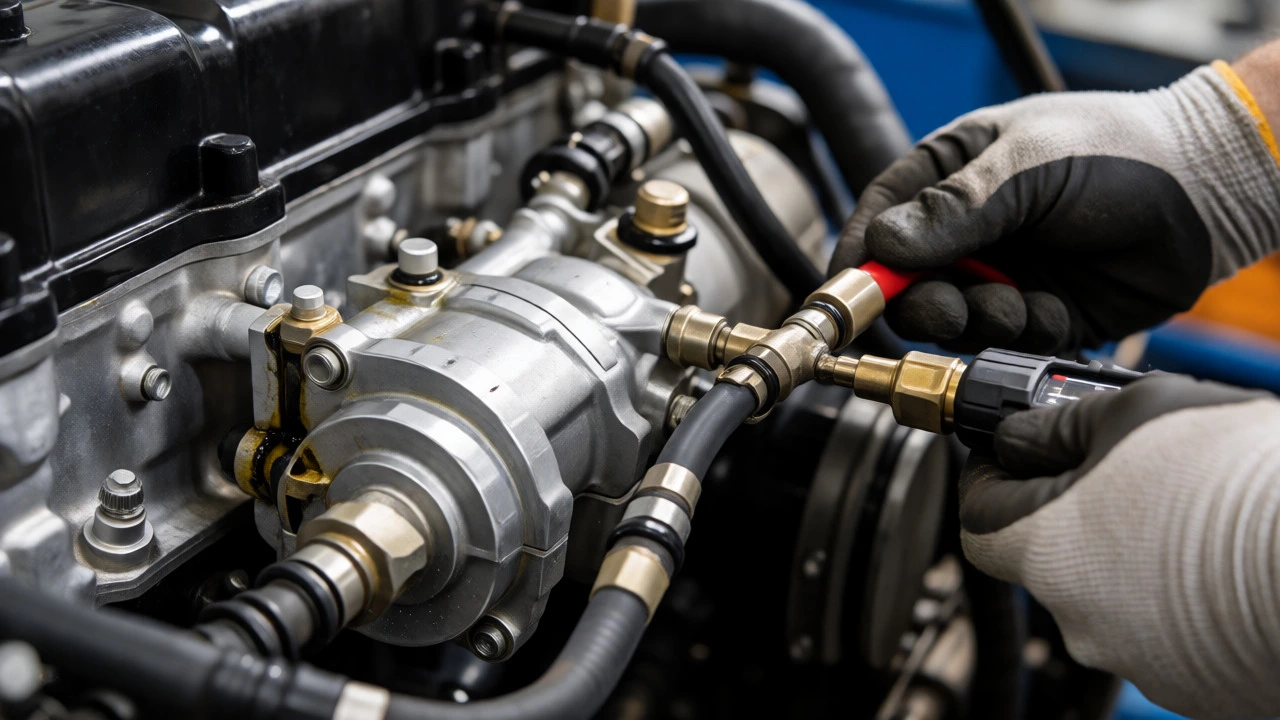
Sometimes, the problem is visible. Pop the bonnet and look around the fuel injection pump. It’s typically mounted on the side of the engine block, connected to steel fuel lines. Look for wet patches, dark oily residue, or fresh drips. Diesel leaks are less flammable than petrol, but they still pose a risk and indicate compromised O-rings or gaskets. A small leak today becomes a major failure tomorrow.
Contamination is another silent killer. If you recently filled up with poor-quality fuel, debris might have reached the pump. Inspect your fuel filter housing. If there’s water or sludge at the bottom, that contamination has likely passed through to the pump’s internal components. Modern high-pressure pumps operate with tolerances measured in microns. Even a grain of sand can score the plunger surfaces, leading to permanent pressure loss. Always replace the fuel filter whenever diagnosing pump issues-it’s cheap insurance.
Diagnostic Tools: How to Test Pressure
Guesstimating is fine for identifying a suspect, but testing confirms the verdict. For most vehicles, you need a fuel pressure gauge kit. These are available at auto parts stores for under £30. Connect the gauge between the fuel filter and the engine inlet. Turn the ignition to 'on' (without starting the engine) and observe the pressure rise. Compare this reading to your vehicle’s service manual specifications. If it’s significantly lower, the pump is failing.
For common-rail diesel systems, things get trickier. You need a scanner capable of reading live data. Look for the "Rail Pressure" parameter while cranking. If the rail pressure stays below 150-200 bar (depending on the model) during cranking, the high-pressure pump isn’t doing its job. Some scanners also show "Injector Correction Values." High positive corrections across multiple cylinders often point to a supply issue rather than individual injector faults.
Distinguishing Pump Failure from Injector Trouble
This is where many DIYers get tripped up. Bad injectors and a bad pump share similar symptoms: rough idle, smoke, and power loss. How do you tell them apart? Focus on consistency. Individual injector problems usually cause misfires in specific cylinders. You might feel a distinct vibration or hear a ticking noise localized to one area. Use a stethoscope to listen to each injector line. If all cylinders run poorly and the rail pressure is low globally, the pump is the likely offender.
Additionally, consider the age and mileage. Injectors wear out gradually, showing symptoms over thousands of miles. Pumps can fail suddenly due to electrical faults or catastrophic internal wear. If the symptoms appeared overnight, suspect the pump or its control electronics. If they’ve crept up over six months, start with the injectors.
Repair vs. Replace: Making the Call
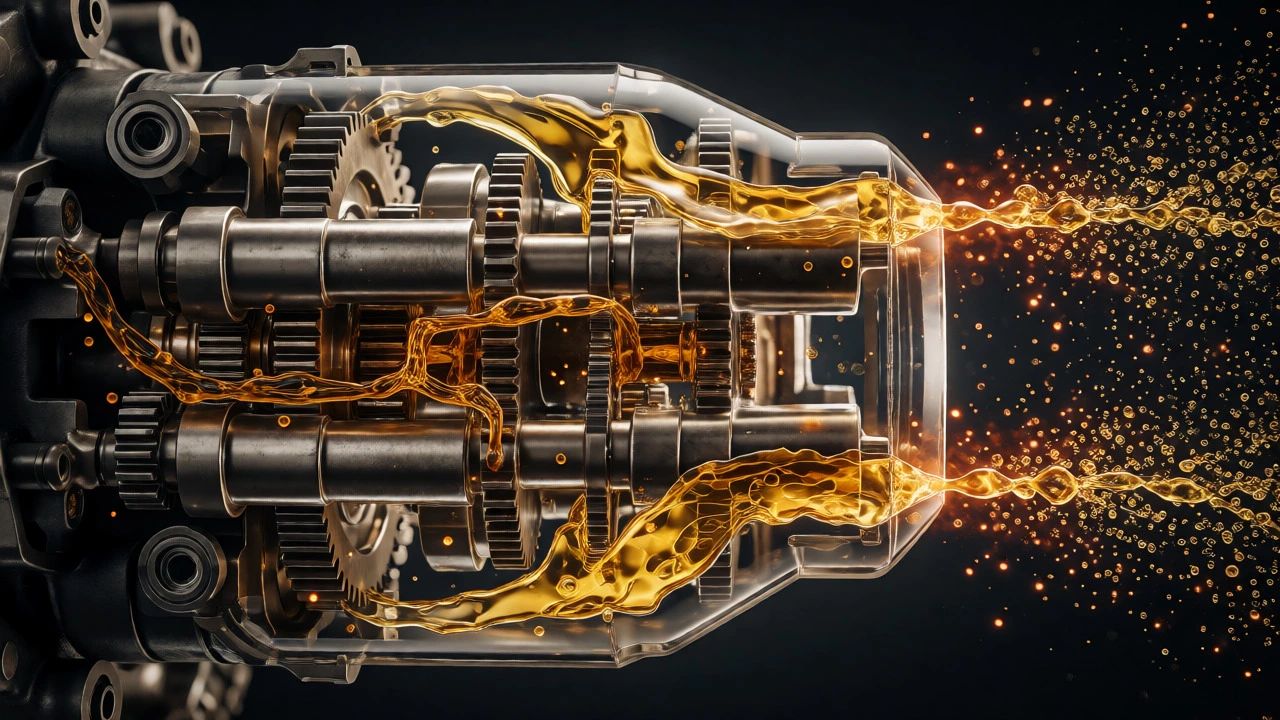
Once diagnosed, you face a choice: rebuild or replace. Rebuilding a mechanical pump involves replacing seals, plungers, and springs. It costs roughly half of a new unit but requires a specialist shop. Quality varies wildly. A poor rebuild will fail within a year. Replacement with a remanufactured unit offers a middle ground-tested and warranted, but cheaper than OEM new parts.
For electronic pumps, repair is often impractical. The control modules are sealed units. If the ECU controlling the pump fails, you usually replace the entire assembly. Factor in labour. Accessing the pump often requires removing intake manifolds or other components, adding 3-5 hours of labour. Get quotes for both options before committing.
Frequently Asked Questions
Can I drive with a bad fuel injection pump?
It depends on the severity. Mild hesitation allows short drives, but avoid long trips. If the engine stalls frequently or won't restart, stop immediately. Driving with severe pressure loss can damage catalytic converters or DPUs due to unburnt fuel entering the exhaust system.
How much does it cost to replace a fuel injection pump?
In the UK, parts range from £200 for basic mechanical pumps to over £800 for common-rail units. Labour adds another £150-£400 depending on accessibility. Total costs often fall between £400 and £1,200. Remanufactured parts are a popular cost-saving alternative.
Does a bad fuel pump affect cold starts?
Yes, significantly. Worn pump internals lose residual pressure overnight. When cold, diesel viscosity increases, requiring higher pressure to atomise. A weak pump struggles against this added resistance, leading to prolonged cranking times or no-start conditions until the engine warms up.
Is it worth fixing an old fuel injection pump?
If the rest of the engine is healthy, yes. Mechanical pumps are robust and rebuildable. However, if the vehicle has high mileage (>150,000 miles) and other wear issues, replacement might offer better reliability. Consider the total value of the car versus the repair cost.
What causes fuel injection pump failure?
Common causes include contaminated fuel (water/dirt), running the tank too low (leading to overheating), electrical surges damaging control modules, and general wear from age. Poor maintenance, specifically skipping fuel filter changes, accelerates degradation.
Next Steps: What to Do Now
If you suspect your pump is failing, don’t ignore it. Start simple: change the fuel filter and check for obvious leaks. If the problem persists, borrow or buy a pressure tester. Record your readings. Armed with this data, visit a reputable diesel specialist. They can verify your findings and provide a fixed-price quote. Remember, accurate diagnosis prevents unnecessary part swapping. Keep your tank above a quarter full to keep the pump cool, and always use quality fuel additives if you’re in an area with questionable fuel stations. Your pump relies on clean, cool fuel to survive.