Fuel Pump Diagnostic Assistant
Step 1: The Ear Test
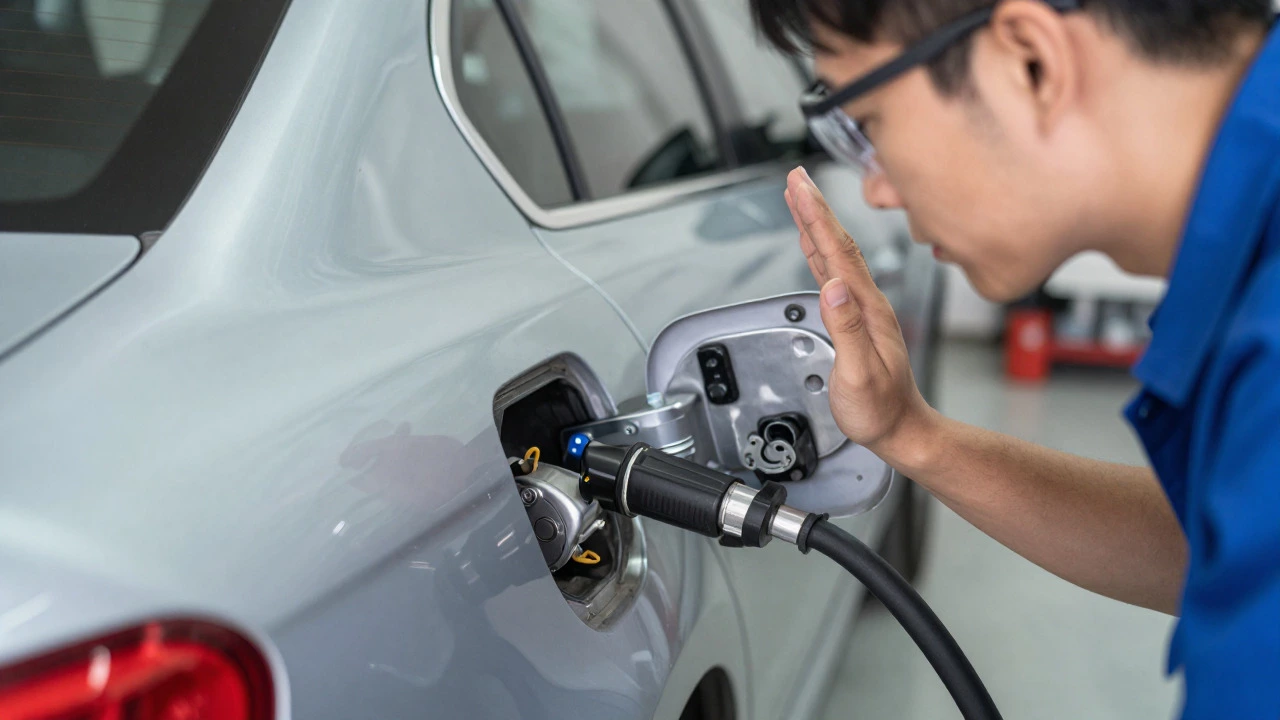
Turn the ignition key to 'On' (don't start the engine) and listen near the rear of the vehicle where the fuel tank sits.
Step 2: Electrical Inspection
Before assuming the pump is dead, check the power supply. Locate the fuse box in the engine bay.
Step 3: Fuel Pressure Test
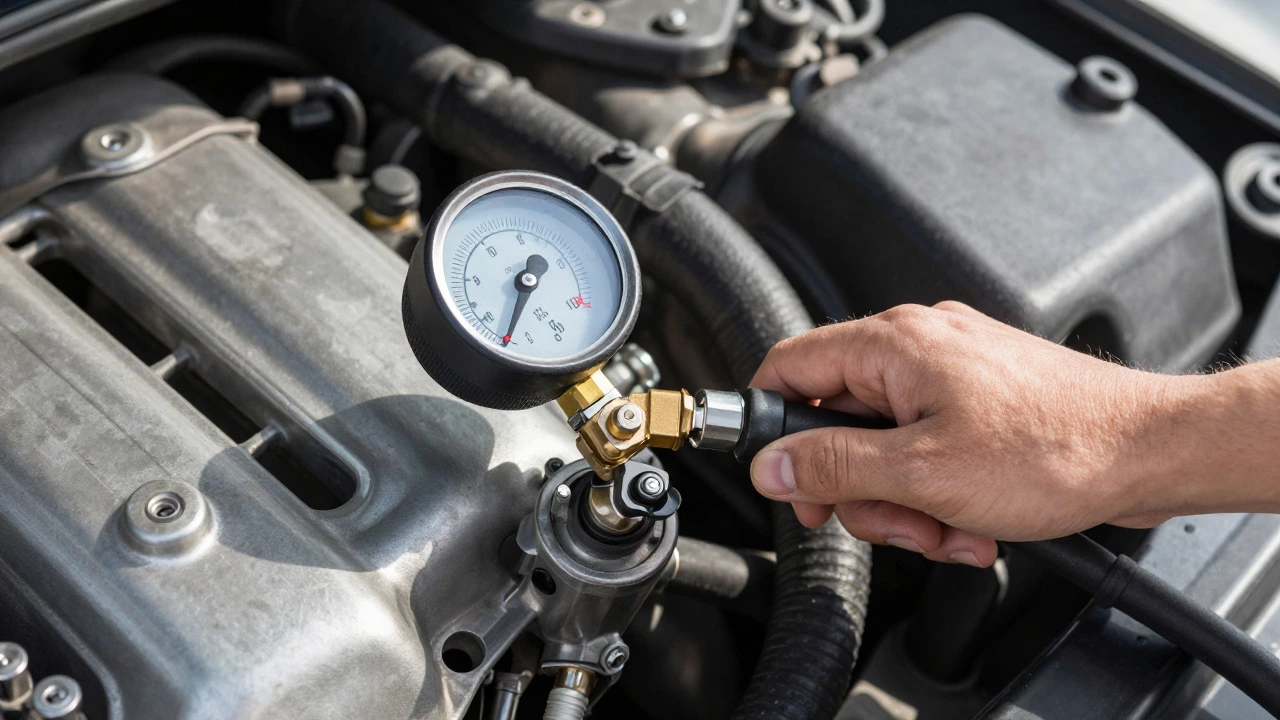
Connect a fuel pressure gauge to the Schrader valve on the fuel rail. Start the engine and read the PSI.
Step 4: Fuel Flow Rate Test
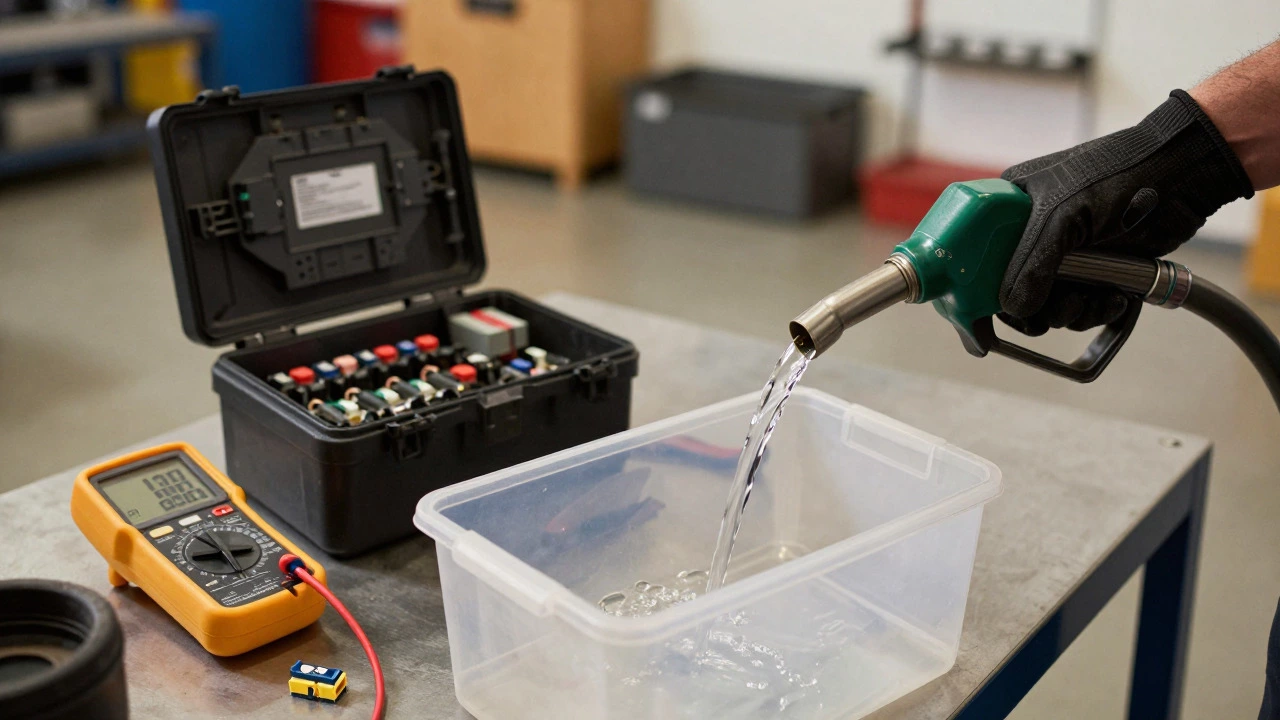
If pressure was low, we need to check volume. Disconnect the fuel line into a container and measure output over 30 seconds.
Diagnostic Report
Your car cranks but won't start. You turn the key, hear the engine turning over, and nothing happens. It’s frustrating, expensive if you call a tow truck unnecessarily, and often points to one specific culprit: the fuel pump, which is an electric motor that pushes gasoline from the tank to the engine at high pressure. Before you replace parts blindly or pay for a diagnostic fee, you can check the fuel pump yourself with basic tools. This guide walks you through listening for signs of failure, testing fuel pressure, and checking fuel flow without needing a degree in engineering.
Quick Summary / Key Takeaways
- Listen first: A healthy fuel pump makes a faint humming sound when you turn the ignition to 'On'. Silence or a loud whine suggests failure.
- Test pressure: Use a fuel pressure gauge connected to the Schrader valve on the fuel rail. Compare readings to your vehicle's specifications (usually 30-65 PSI).
- Check flow rate: If pressure is low, disconnect the fuel line and measure how much fuel flows into a container over 30 seconds.
- Inspect electricals: Verify the fuel pump relay and fuses are working before condemning the pump itself.
- Safety warning: Always relieve fuel system pressure before disconnecting lines to avoid spraying gasoline.
Step 1: The Ear Test - Listening for the Hum
The easiest way to check a fuel pump requires zero tools. Modern cars use electric fuel pumps located inside the gas tank. When you turn the ignition key to the "On" position (but don’t start the engine), the pump primes for about two seconds. You should hear a faint, high-pitched hum coming from the rear of the vehicle where the fuel tank sits.
If you hear nothing, the pump might be dead, or the power isn't reaching it. If you hear a loud grinding or whining noise, the impeller inside the pump could be worn out. Park the car on level ground, open the trunk or liftgate, and have a helper turn the key while you listen near the fuel filler neck. Note that some hybrid vehicles run their fuel pumps silently or only when needed, so consult your owner's manual if you're unsure what normal sounds like.
Step 2: Relieving Fuel System Pressure
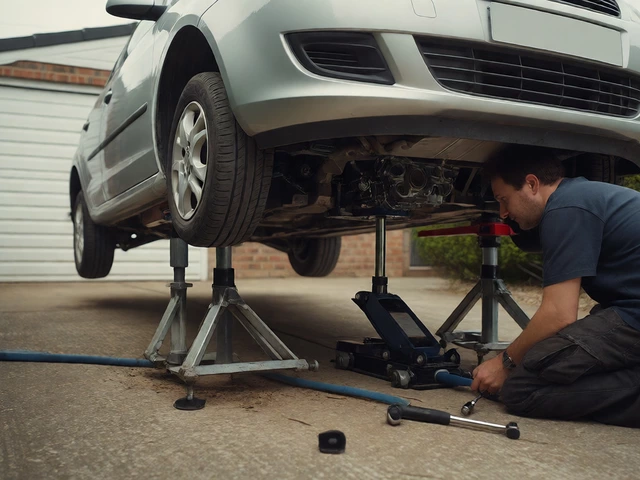
Before touching any hoses or connectors, you must relieve the pressure in the fuel lines. Gasoline under pressure can spray into your eyes or skin, causing irritation or injury. Here is how to do it safely:
- Locate the fuel pump fuse or relay in the engine bay fuse box. Refer to your owner's manual for the exact location.
- Remove the fuse or pull the relay out.
- Start the engine and let it run until it stalls due to lack of fuel. Crank it a few more times to ensure all residual pressure is gone.
- Turn the ignition off and wait five minutes for the system to cool down.
- Reinstall the fuse or relay.
This step is critical. Skipping it can lead to messy accidents and potential fire hazards if sparks occur during disconnection.
Step 3: Testing Fuel Pressure with a Gauge
Listening tells you if the pump is running; a pressure gauge tells you if it’s working correctly. Most modern fuel-injected engines have a service port on the fuel rail-a metal tube that distributes fuel to the injectors. This port looks like a tire valve stem, known as a Schrader valve, which is a one-way valve used to inflate tires and measure fuel pressure.
To perform this test:
- Buy or rent a fuel pressure gauge suitable for your vehicle type (gasoline vs. diesel). Diesel systems operate at much higher pressures, up to 30,000 PSI, so using a gasoline gauge on a diesel engine will destroy the tool.
- Remove the protective cap from the Schrader valve on the fuel rail.
- Screw the fuel pressure gauge onto the valve tightly.
- Have a helper start the engine while you watch the gauge needle.
Compare the reading to the manufacturer's specification. For most gasoline cars, idle pressure ranges between 30 and 65 PSI. If the pressure is significantly lower than specified, the pump may be weak, the filter clogged, or the regulator faulty. If there is no pressure at all, the pump is likely not delivering fuel.
Step 4: Checking Fuel Flow Rate
If the pressure test shows low numbers, you need to determine if the issue is volume or restriction. A pump can generate pressure but fail to move enough fuel. To check the flow rate:
- With the fuel pressure relieved, locate the fuel supply line going into the engine.
- Disconnect the line at the fuel rail or filter adapter. Place a clean, empty container underneath to catch the fuel.
- Turn the ignition to "On" for three seconds to prime the system, then off. Repeat this cycle to activate the pump without starting the engine.
- Measure the amount of fuel collected in 30 seconds. A healthy pump typically delivers between 1 and 2 quarts per minute, depending on the engine size.
If the flow is sluggish or dribbles out, the pump internals are likely worn. If the flow is strong but pressure was low in Step 3, the problem might be a leaking pressure regulator or a cracked fuel line rather than the pump itself.
Step 5: Inspecting Electrical Components
A common mistake is replacing the fuel pump when the real issue is electrical. The fuel pump relies on a relay and fuses to receive power. If these components fail, the pump won’t run even if it’s brand new.
Check the fuel pump fuse first. Look for a broken filament inside the plastic casing. Next, locate the fuel pump relay. You can swap it with another identical relay in the box (like the horn or AC relay) to see if the pump starts working. If swapping the relay fixes the issue, you’ve saved yourself hundreds of dollars by buying a $10 part instead of a $300 pump.
You can also use a multimeter to check for voltage at the fuel pump connector. Remove the access panel under the rear seat or in the trunk to reach the wiring harness. With the ignition on, you should read 12 volts at the positive terminal. If there’s no voltage, trace the circuit back to the relay and fuse box.
Comparison Table: Symptoms of Fuel System Issues
| Symptom | Likely Cause | Diagnostic Action |
|---|---|---|
| No crank, no start | Battery or starter issue | Check battery voltage and starter operation |
| Crank, no start, no hum | Dead fuel pump or bad relay/fuse | Check fuses, relays, and listen for pump sound |
| Hard starting, hesitation | Weak pump or clogged filter | Perform fuel pressure and flow tests |
| Engine stalls at high speed | Pump overheating or failing under load | Test pressure while driving or monitor live data |
| Loud whining from rear | Failing pump bearings | Replace fuel pump assembly |
When to Replace the Fuel Pump
If your fuel pressure is consistently below specifications, the flow rate is poor, or you hear abnormal noises, it’s time to replace the pump. In most modern vehicles, the fuel pump comes as an assembly with the sender unit and strainer. Replacing just the motor is rarely cost-effective because labor costs exceed the price difference. Consider replacing the fuel filter at the same time if your car has an external one, as a dirty filter puts extra strain on the new pump.
Keep in mind that fuel quality matters. Driving frequently on half-empty tanks can cause the pump to overheat since the surrounding fuel cools it. Try to keep your tank above a quarter full to extend the life of your fuel system components.
Can I check the fuel pump without removing it?
Yes. You can check the fuel pump by listening for the priming hum, testing fuel pressure at the rail, and measuring flow rate without removing the pump from the tank. Removal is only necessary for replacement.
What does a bad fuel pump sound like?
A bad fuel pump may make no sound at all, or it might produce a loud whining, groaning, or grinding noise from the rear of the vehicle when the ignition is turned on.
How much does it cost to replace a fuel pump?
Parts typically range from $150 to $500, while labor adds another $100 to $300 depending on accessibility. Total costs usually fall between $250 and $800 for most passenger vehicles.
Can a clogged fuel filter mimic a bad pump?
Yes. A severely clogged fuel filter restricts flow, causing low pressure and engine hesitation similar to a failing pump. Always check or replace the filter before condemning the pump.
Is it safe to drive with a failing fuel pump?
It’s risky. A failing pump can stall suddenly, especially under acceleration or heat, leading to loss of power steering and brakes. Replace it promptly to avoid being stranded.