Buying the wrong air filter is a rite of passage for many car owners. You get home from the store, slide the new filter into the housing, and realize it's just a fraction too small-or it's so oversized you have to force it in, creating gaps where dirty air can bypass the media entirely. A filter that doesn't fit perfectly isn't just annoying; it's a risk to your engine. If air leaks around the edges, dust and grit go straight into your cylinders, which can act like sandpaper on your internal components.
Quick Tips for Picking the Right Filter
- Check the part number on your current filter.
- Use your vehicle's Year, Make, and Model in an online fitment tool.
- Measure the actual dimensions (Length x Width x Height) of the old filter.
- Verify the MERV or micron rating if you're buying high-performance options.
- Always check the owner's manual for the manufacturer's recommended spec.
The Golden Rule of Fitment
Before you spend a penny, you need to understand that there are two main types of filters people search for: cabin air filters and engine air filters. Engine Air Filters is a critical component that prevents contaminants from entering the engine's combustion chamber. If this one is the wrong size, you risk catastrophic engine wear. On the other hand, the cabin filter cleans the air you breathe inside the car. While a bad fit here won't blow your engine, it will let pollen and smog leak into your lungs.
The most reliable way to ensure a perfect fit is to look for the part number. Almost every Air Filter has a series of alphanumeric characters printed on the edge of the frame. This is the manufacturer's unique ID. If you take a photo of that number, any auto parts store can cross-reference it to find the exact match, regardless of whether you want an OEM (Original Equipment Manufacturer) part or a third-party alternative.
How to Measure Your Filter Manually
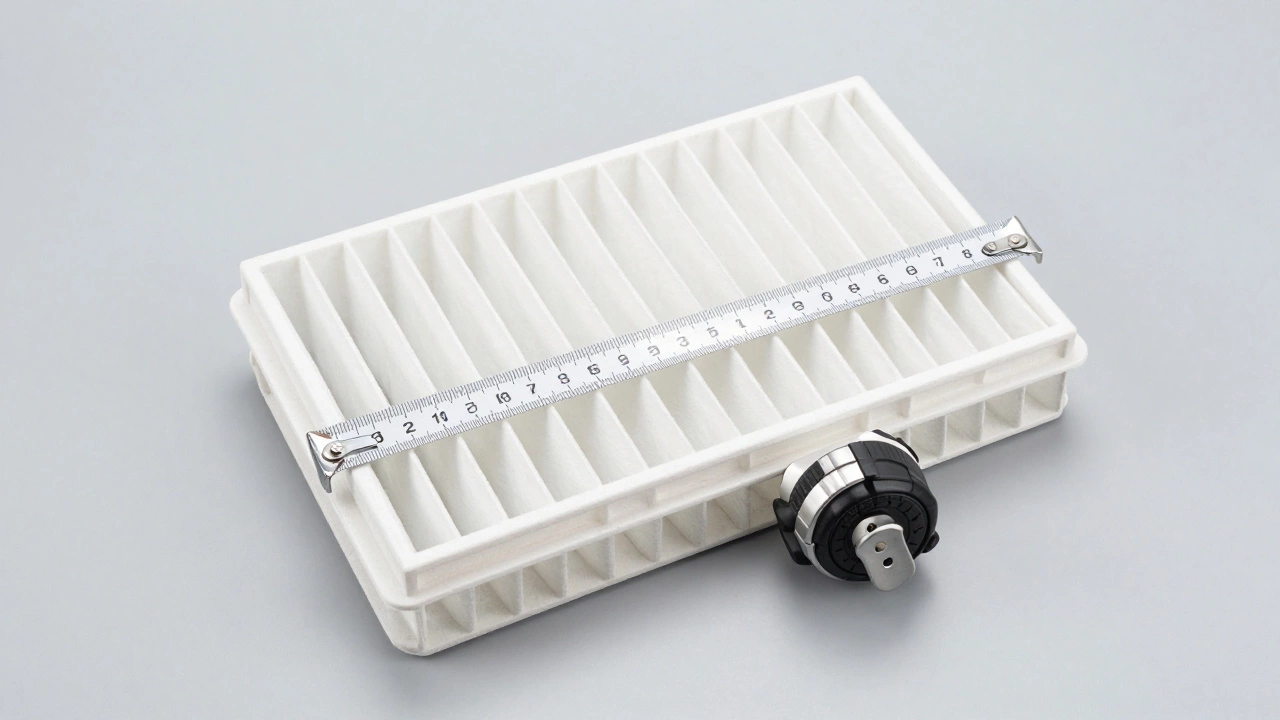
Sometimes the part number is faded or missing. In this case, you'll need a tape measure or a ruler. Don't just eye-ball it; a difference of 2 millimeters can be the difference between a seal and a leak.
- Remove the old filter: Carefully take the filter out of the housing to avoid distorting the shape.
- Measure the Length: Measure from one end of the frame to the other.
- Measure the Width: Measure across the shorter side of the rectangle.
- Measure the Height: This is the thickness of the filter. Be careful not to compress the pleats while measuring.
- Note the Shape: Is it a perfect rectangle, or does it have a notched corner or a circular opening? These unique geometry features are vital for a proper seal.
If you're dealing with a Performance Air Filter, like those from K&N, the sizing is even more critical because they often use a rubber gasket to create a vacuum-tight seal. If the gasket is too loose, the engine will suck in unfiltered air from the gaps, rendering the expensive filter useless.
Decoding the Fitment Guides
Most online stores use a "Year-Make-Model" (YMM) selector. While these are generally accurate, they can sometimes be misleading if your car has mid-year production changes or optional upgrades. For example, a 2015 truck might have a standard engine in some trims and a heavy-duty engine in others, each requiring a different size filter.
| Method | Accuracy | Effort | Best For... |
|---|---|---|---|
| Part Number | Extreme | Low | Quick replacements |
| YMM Selector | High | Low | Standard vehicle trims |
| Manual Measure | Very High | Medium | Older or rare cars |
| Owner's Manual | High | Medium | Verifying OEM specs |
Avoiding Common Sizing Pitfalls
One of the biggest mistakes is buying a filter based on a "compatible" list that isn't specific to your engine displacement. A 2.0L engine and a 3.5L engine in the same model of car often use entirely different air boxes. Always double-check the Engine Displacement when using a search tool.
Another trap is the "Universal Fit" claim. In the world of Automotive Maintenance, universal rarely means a perfect fit. It usually means the filter is slightly oversized and you have to trim it with scissors. Unless you're an expert, avoid this. A hand-trimmed filter is prone to gaps, and gaps lead to dirt in your Intake Manifold.
The Role of Material in Sizing
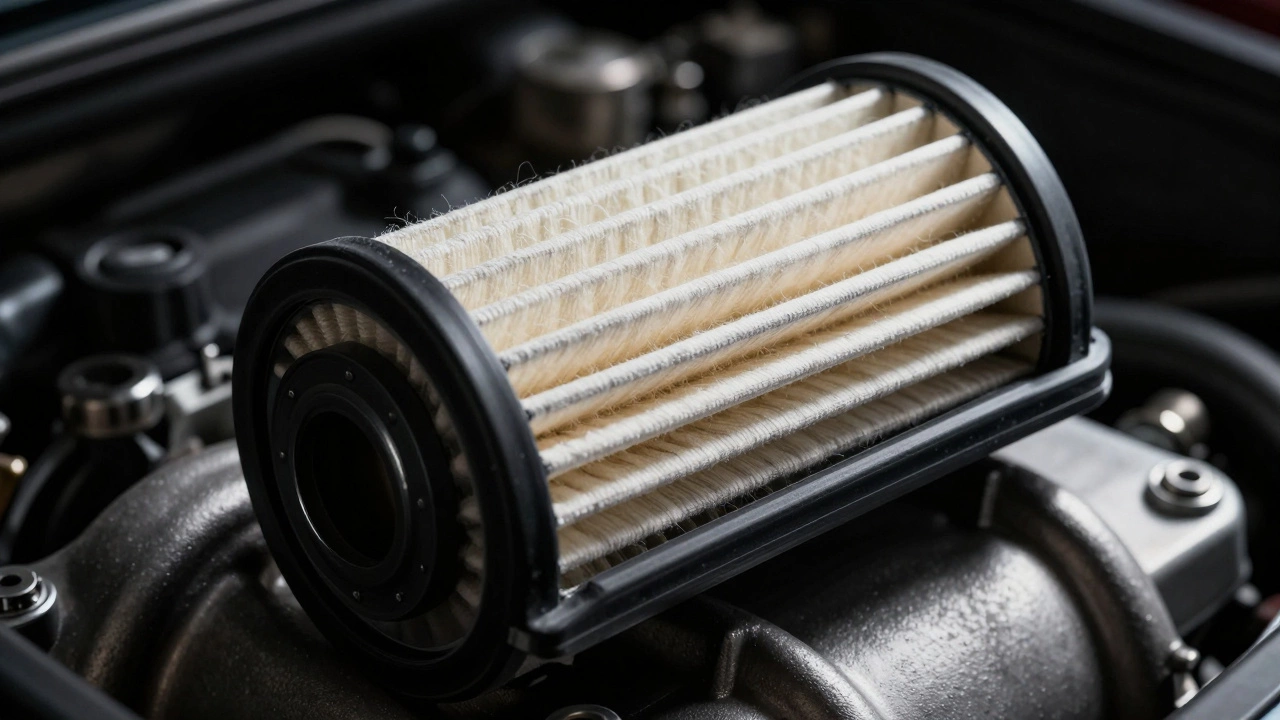
The material of the filter can actually affect how it sits in the housing. Standard paper filters are rigid. If they are slightly too big, they will buckle, creating a fold where air can leak through. Synthetic or cotton gauze filters are often more flexible. While this makes them a bit more forgiving during installation, they still require a precise fit to maintain the pressure drop required for the engine to breathe efficiently.
Consider the Micron Rating as well. While this doesn't affect the physical dimensions, it affects the "thickness" of the filtration media. A very high-efficiency filter might be slightly thicker than a cheap generic one, which could make the air filter cover difficult to snap back into place. If you find yourself forcing the lid closed, stop. You might be crushing the filter, which restricts airflow and hurts your fuel economy.
When to Order a New Filter
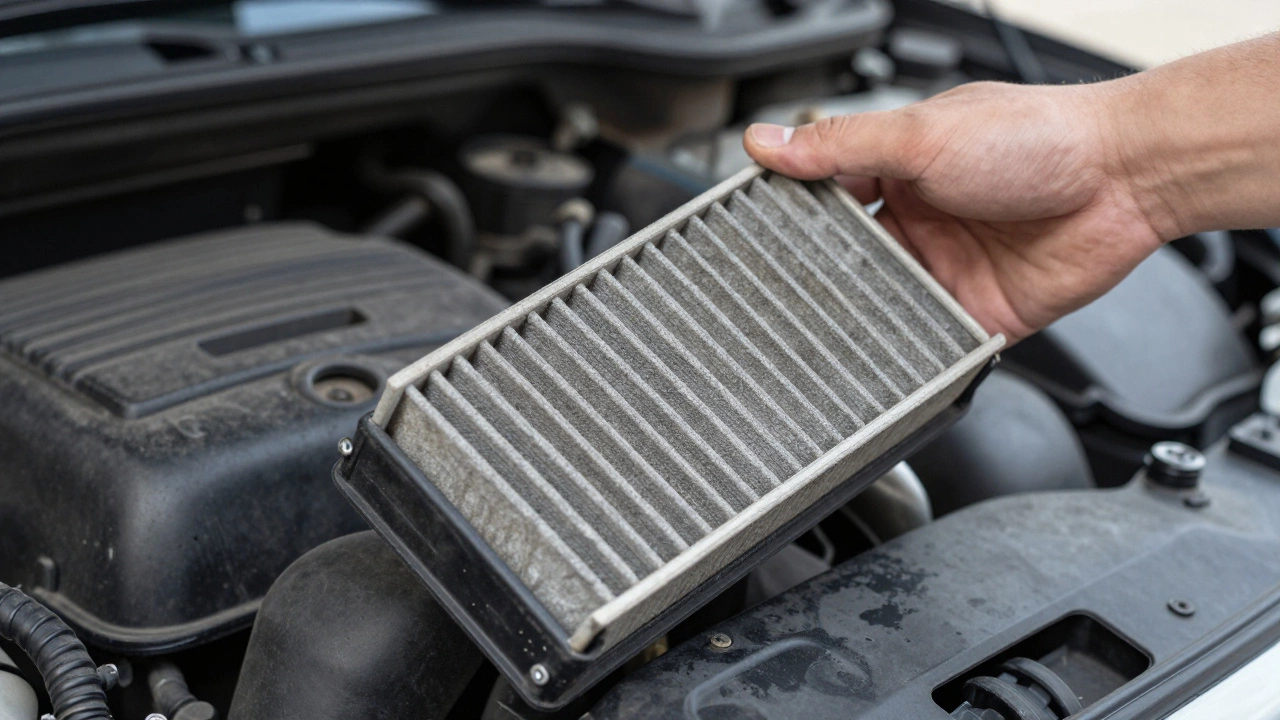
You don't need to change your filter every time you change your oil, but you should at least inspect it. Hold your current filter up to a bright light. If you can see light passing through the pleats, it's likely still good. If the pleats look like a solid wall of grey or black, or if you see leaves and pebbles trapped in the folds, it's time for a replacement. Waiting too long causes the Internal Combustion Engine to work harder to pull in air, which can lead to a drop in horsepower and an increase in fuel consumption.
Can I use a larger filter and trim it to fit?
It's not recommended. Trimming a filter creates raw edges where the filtration media is no longer sealed to the frame. This allows unfiltered air to bypass the filter entirely, which can lead to premature engine wear and potential damage to the cylinders.
What happens if the air filter is slightly too small?
Even a small gap (as thin as a credit card) allows a significant amount of air to bypass the filter. Because air follows the path of least resistance, it will flow through the gap rather than through the dense filter media, bringing dust and debris directly into your engine.
Do I need a different size filter for high-performance engines?
Often, yes. High-performance or turbocharged engines require higher airflow volumes. This usually means the air box is larger and the filter dimensions are different from the base model of the same vehicle.
How often should I check the filter size and condition?
Check your filter every 6,000 to 10,000 miles, or during every oil change. If you drive on dirt roads or in dusty environments, check it every 3,000 miles to ensure it hasn't become clogged.
Where can I find the exact specifications for my car?
The owner's manual is the most authoritative source. Additionally, the vehicle's VIN (Vehicle Identification Number) can be used at a dealership to pull the exact part number used during assembly.
Next Steps for Your Maintenance
If you've just bought a new filter, don't just swap it and leave. Take a moment to wipe out the inside of the air filter housing with a damp cloth. It's common for dead bugs, leaves, or sand to collect at the bottom of the box. If you put a clean filter into a dirty box, you're just inviting contaminants to sit right on top of your new investment.
For those with older vehicles where parts are hard to find, consider taking your old filter to a specialized automotive shop. They can often match the dimensions to a newer model vehicle that uses the same chassis, saving you from the headache of hunting for discontinued parts on eBay.