Engine Health & Oil Condition Checker
Select the condition of your car from the categories below to get an immediate assessment recommendation.
A seized engine often starts with nothing but a simple ignored warning light. Most drivers wait until the Engine Oil gets completely gone before realizing there is a problem. By then, you might be looking at thousands of dollars in repair costs or total replacement. You do not need to be a mechanic to catch these issues early. With a few minutes of inspection, you can save your engine from catastrophic failure.
We live in an era where cars tell us everything through screens, yet old-school checks still matter. Sometimes the dashboard lies, or you simply ignore the notification. Understanding the physical state of your oil gives you peace of mind that electronics alone cannot provide. Below is exactly what you need to look for, how to read the tools under your hood, and when it is time to take action.
Why Engine Oil Matters More Than You Think
Your engine contains hundreds of moving parts grinding against each other at high speeds. Without lubrication, metal touches metal, friction creates heat, and parts weld together. That is a seized engine. The primary job of oil is to keep those parts floating on a microscopic film.
Engine Oil also cleans sludge out of the system, cools hot spots inside the combustion chamber, and seals gaps between piston rings. When the level drops too low, this protection vanishes instantly.Low oil triggers immediate stress on bearings and camshafts. Over time, this leads to knocking sounds and eventual failure. Regular checks prevent this from becoming a nightmare. You might assume your car will warn you automatically, but mechanical warnings often arrive late.
The Physical Check: Using the Dipstick
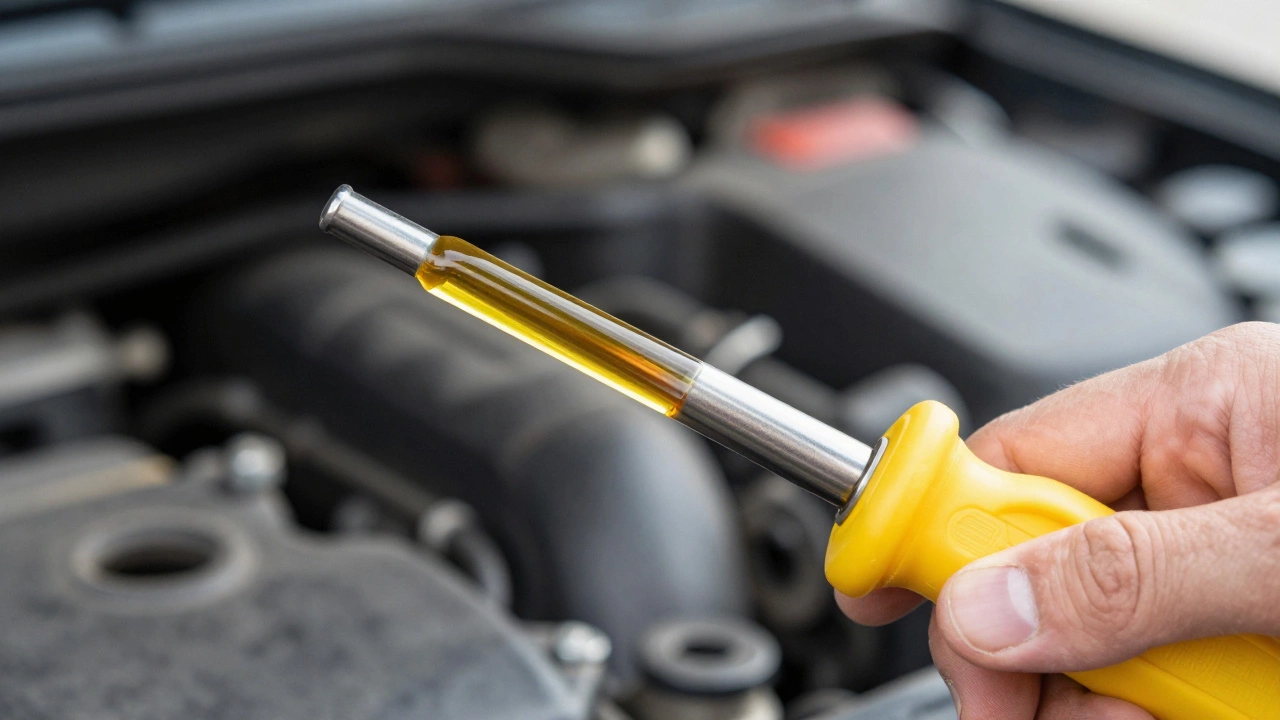
Even if your car has digital monitors, pulling the dipstick remains the most reliable way to measure volume. Locate the DipstickA marked rod used to measure fluid levels in an engine. It usually has a bright yellow or orange loop handle sticking out from the top of the engine block. Pull it out slowly.
- Clean it: Wipe the tip with a clean rag or paper towel until no black residue remains.
- Reinsert: Slide the stick back fully into the tube. Twist slightly so it seats firmly.
- Check again: Pull it out once more. Do not twist it this time.
- Read the marks: Look for two holes or a cross-hatch pattern near the bottom.
The lower mark indicates minimum capacity, while the upper mark shows full capacity. You want the oil film landing somewhere in between. If the liquid line sits below the minimum hole, you need to top it up immediately. Check the color of the oil on the stick. Fresh oil looks amber or golden. Dark brown or black oil means it is old and filled with contaminants, even if the level is okay.
If the oil looks milky or frothy, you have a coolant leak mixing with the oil. This is a serious internal gasket issue requiring immediate professional help. Driving with milk-colored oil destroys bearings faster than running dry.
Modern Cars: When There Is No Dipstick
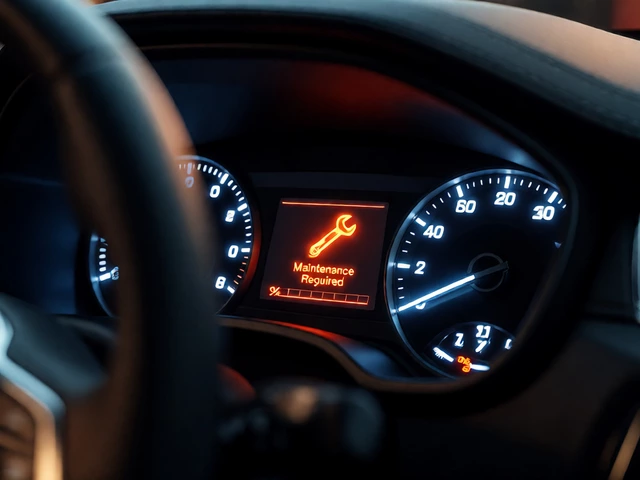
Many manufacturers launched in the last few years removed physical dipsticks entirely. They rely on electronic sensors hidden inside the sump. These systems calculate volume based on usage rather than direct measurement. To check on these models, you turn the ignition to 'on' without starting the engine.
Navigate to the vehicle maintenance menu on your infotainment screen. Look for an option labeled 'Engine Oil Level'. The computer takes a moment to scan the sensor data. It might display a bar graph ranging from 'Full' to 'Add Quart'. Trust the sensor, but remember that it works best when the engine is warm and sitting on level ground.
Some older systems require the car to sit for ten minutes after driving so the oil drains back down into the pan. If you check immediately after parking, you might get a false low reading because oil is still circulating in the lines.
| Sign | What It Means | Action Required |
|---|---|---|
| Dashboard Oil Light | Possible low pressure or low level | Stop engine immediately |
| Bluish Exhaust Smoke | Burning oil internally | Schedule compression test |
| Metallic Ticking Sound | Lifters losing lubrication | Top up oil right away |
| Darker Fluid on Ground | External leak | Inspect underneath for source |
Recognizing the Warning Signs Before Failure
Sometimes you cannot reach the hood easily. Listening to your car provides clues when the level is getting dangerously low. One of the earliest auditory signs is a ticking sound from the top of the engine. This happens because hydraulic lifters lose pressure when they starve for oil. It sounds like a rapid clicking noise synchronized with the RPMs.
Look for blue smoke pouring from the exhaust pipe, especially during acceleration. This signals that oil is leaking past piston rings into the combustion chamber. While some blue tint can be normal in cold weather for older vehicles, thick blue clouds mean consumption is high. Check your fuel economy, too. High oil consumption sometimes correlates with reduced efficiency as the engine works harder.
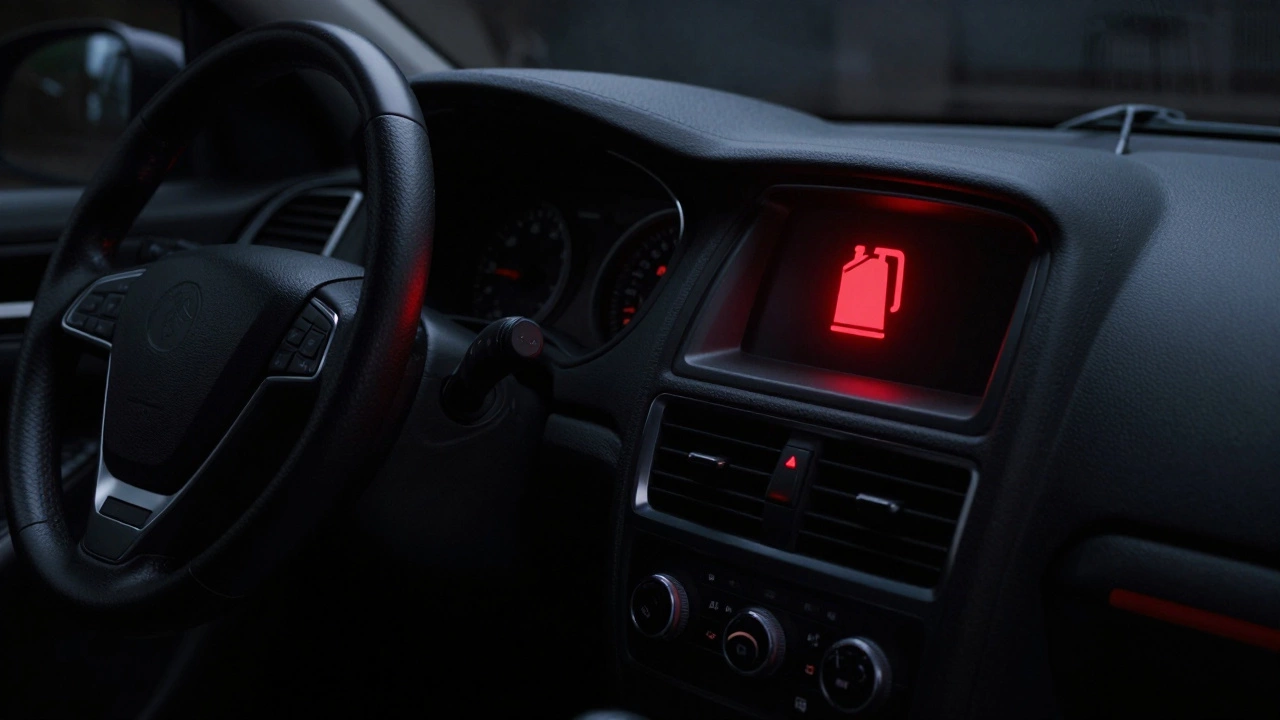
The Oil Pressure Warning LightA red icon shaped like an oil can is the most critical indicator. Unlike the check engine light, this signal demands immediate shutdown. If this light flickers while idling or stays solid, stop the vehicle. Do not drive home. You risk locking up the engine within minutes. Towing is cheaper than rebuilding a motor.
Understanding Oil Consumption vs. Leaks
You might find yourself topping off every month. This could be a slow leak or normal wear. Engines consume some oil naturally during combustion cycles. However, consuming more than one quart between changes suggests a problem. Differentiate between the two by inspecting the ground.
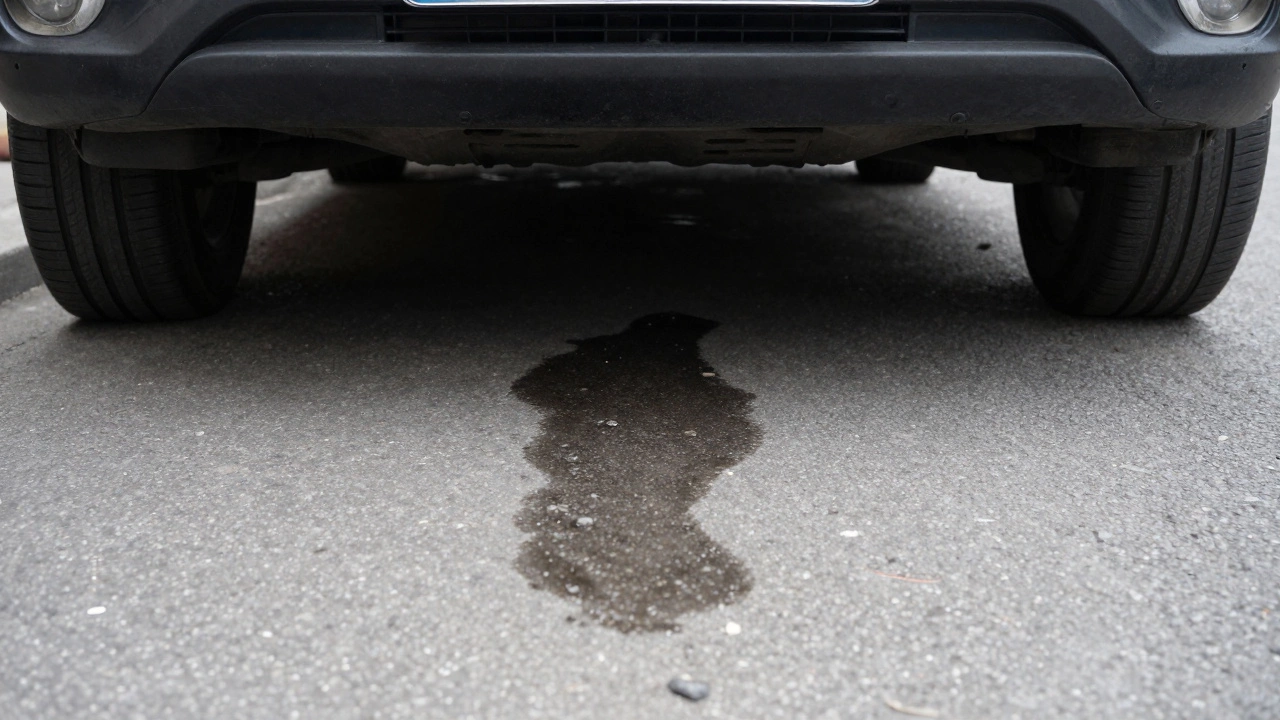
Park over a clean patch of asphalt for a few days. Walk around the vehicle to see if dark puddles appear beneath the engine area or transmission. A leak typically drips straight down. Consumption usually leaves no visible mess on the pavement, though the tailpipe may show soot.
If you suspect a leak, check the valve cover gasket and the oil pan seal. These common failure points allow oil to seep out when the heat expands the metal components. Small weeps are annoying but manageable; sudden sprays mean a ruptured hose or cracked pan.
Choosing the Right Oil and Frequency
Checking levels is useless if you are using the wrong grade. Always consult your owner's manual for viscosity requirements, such as 5W-30 or 0W-20. Modern turbocharged engines often demand lower friction oils to protect sensitive turbos. Using thicker oil than specified increases drag and reduces fuel economy. Thinner oil than specified offers less protection under high load.
Switching to synthetic blends extends the life of the oil itself. Synthetic OilA refined lubricant offering better performance than conventional oil resists breakdown at high temperatures and flows better in winter. While the initial cost per gallon is higher, you often extend the interval between changes. This means less frequent checking, but regular monitoring remains necessary regardless of type.
Don't forget the filter. An Oil FilterA component that removes impurities from the engine oil traps dirt and metal shavings. A clogged filter restricts flow, lowering pressure even if the reservoir is full. Always replace the filter during every oil change to maintain proper circulation.
Troubleshooting Common Issues
Some situations cause confusion during checks. If your car bounces on uneven suspension, the reading skews. Always park on flat concrete before testing. Cold weather thickens oil, making the dipstick look drier than reality. Warm up the engine briefly for accurate readings. Never open the filler cap when the engine is scalding hot; pressurized vapors can burn your face.
If you accidentally overfill the crankcase, you risk foaming. Foamy oil cannot lubricate effectively because air bubbles displace the liquid layer. This causes bearing damage similar to low oil levels. Draining excess fluid at a shop fixes this quickly.
Keep a bottle of the correct weight in your trunk for emergencies. Finding a gas station selling oil isn't always possible, especially in rural areas. Keeping a spare quart prevents panic if a sensor malfunctions unexpectedly during a trip.
Frequently Asked Questions
How often should I check my oil level?
You should check the level once a month or before long trips. It only takes a minute and protects your engine from major damage caused by slow leaks.
Can I drive if the oil light comes on?
No. You should never drive when the red oil pressure light is illuminated. Stop safely and shut off the engine immediately to prevent seizing the motor.
Is it bad to mix different oil brands?
Mixing brands is generally safe as long as the viscosity matches. However, switching between synthetic and conventional frequently might affect additive chemistry over time.
Does checking oil hurt the warranty?
Absolutely not. Checking oil levels is expected maintenance. Dealerships prefer owners who monitor their own fluids regularly rather than waiting for service appointments.
What if my car does not have a dipstick?
Use the onboard computer menu described earlier. Many newer models hide the tool to reduce emissions risks, relying solely on electronic sensors for volume tracking.