Exhaust System Selector
Find Your Perfect Exhaust
UK Exhaust Guide
Material Comparison
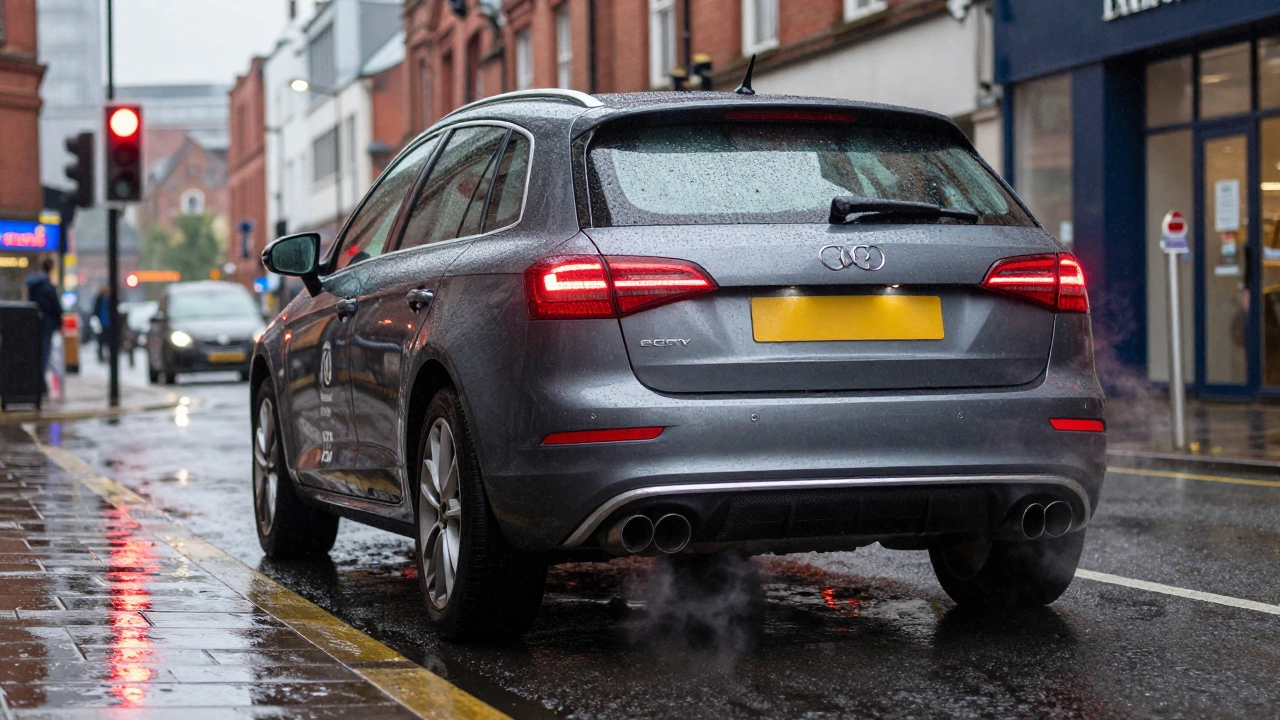
Choosing the right exhaust system isn’t about making your car sound like a fighter jet. It’s about matching the right setup to how you actually drive, where you live, and what you want from your car. If you’re standing in a garage in Manchester wondering whether to go for a cat-back, a full system, or just a new muffler, you’re not alone. Most people buy the loudest option because they think it’s the best. It’s not. The right exhaust improves performance, saves fuel, and lasts longer - if you pick wisely.
What Does an Exhaust System Actually Do?
Your exhaust isn’t just a pipe that lets fumes out. It’s a system that manages heat, reduces noise, cleans emissions, and even helps your engine breathe better. A stock exhaust is designed for low cost, quiet operation, and meeting legal emissions standards. But over time, it rusts, gets clogged, or just doesn’t suit your driving style. That’s when upgrades make sense.
Modern exhaust systems have four main parts: the manifold (or downpipe), catalytic converter, middle pipe, and rear muffler. Each one affects performance differently. If you’re replacing just the muffler, you’re changing sound. If you’re replacing the whole system, you’re changing how your engine works.
Types of Exhaust Systems
There are three main types of aftermarket exhausts, and each serves a different purpose.
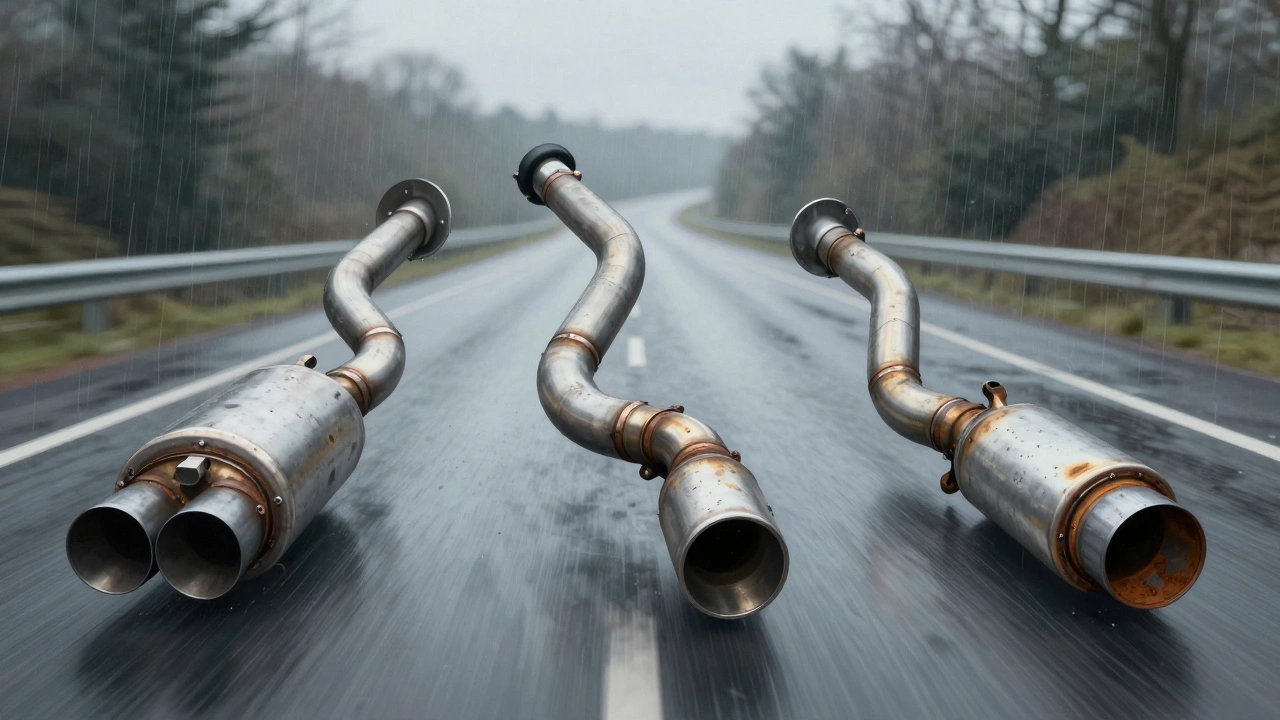
- Cat-back exhaust: Replaces everything from the catalytic converter back. This is the most common upgrade. It’s affordable, legal in the UK, and gives you noticeable sound and flow improvements without touching emissions equipment.
- Full system: Replaces the entire exhaust from the manifold to the tailpipe. This is for serious performance gains - think track days or tuned engines. It’s more expensive and often requires ECU remapping to avoid check engine lights.
- Header-back or axle-back: These are less common. Header-back replaces everything, including the downpipe. Axle-back only replaces the last section before the rear axle. Both are niche choices.
If you drive a daily commuter or a family car, stick with a cat-back. If you’ve added a turbocharger or swapped the engine, go full system. Most people overestimate how much power they need.
Material Matters More Than You Think
Exhausts are made from three main materials: mild steel, stainless steel, and titanium. Each has trade-offs.
| Material | Cost | Lifespan | Weight | Sound Quality |
|---|---|---|---|---|
| Mild Steel | £150-£300 | 2-5 years | Heavy | Flat, dull |
| Stainless Steel (409 or 304) | £400-£900 | 8-15 years | Medium | Rich, deep |
| Titanium | £1,500+ | 15+ years | Very light | Crisp, high-pitched |
Most UK drivers should choose stainless steel. Mild steel rusts fast in wet, salty roads - you’ll be replacing it in three years. Titanium is overkill unless you’re racing or want to shave 10kg off your car. 304 stainless is the gold standard. It’s corrosion-resistant, sounds great, and holds up through Manchester winters.
Sound: How Loud Is Too Loud?
The UK has strict noise laws. The legal limit for cars is 74 decibels at idle and 78 dB under load. Most police use handheld decibel meters. A loud exhaust doesn’t mean faster - it just means you’re more likely to get pulled over.
Here’s what different sound levels actually feel like:
- Stock sound: 70-74 dB. Quiet, unobtrusive. Good for daily driving.
- Mild upgrade: 75-78 dB. Noticeable rumble at idle, but not annoying. Perfect for most.
- Loud system: 80-85 dB. Constant drone on motorways. Annoys passengers. Illegal in most urban areas.
- Track-only: 90+ dB. Sounds like a motorcycle. Won’t pass MOT.
Brands like Remus, Akrapovič, and Milltek make systems that hit the sweet spot: deep, satisfying tone without crossing the line. Avoid cheap eBay systems that promise “race sound” - they’re usually just thin-walled pipes with no internal baffles. They sound harsh and don’t last.
Performance Gains Are Real - But Small
A good cat-back system might give you 5-10 horsepower on a naturally aspirated engine. On a turbocharged car, you could see up to 15-20 hp - if paired with a tune. That’s not a massive jump, but it’s free power you didn’t pay for with a new engine.
The real benefit isn’t horsepower. It’s throttle response. A free-flowing exhaust lets the engine breathe easier. You feel it when you press the pedal: less lag, quicker revs, smoother acceleration. That’s why track drivers and tuners swear by it.
Don’t expect miracles. If your car has a stock ECU and no other mods, a full system won’t magically turn your Focus into a GTI. But if you’ve already upgraded your intake or turbo, an exhaust is the next logical step.
What About the Catalytic Converter?
Never remove the catalytic converter. It’s illegal in the UK, fails MOT, and you’ll get fined. Even if you think you’re getting more power by deleting it, you’re not. Modern engines are tuned around the cat. Removing it triggers error codes and can damage your engine over time.
Instead, upgrade to a high-flow catalytic converter if you’re doing a full system. These use ceramic or metallic substrates that flow better than stock. They still meet emissions standards and keep your car legal. Brands like GESI and Decat Systems make UK-compliant versions.
Installation: DIY or Professional?
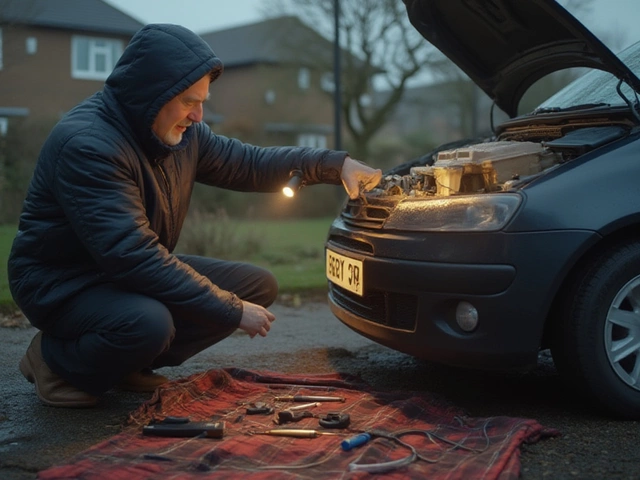
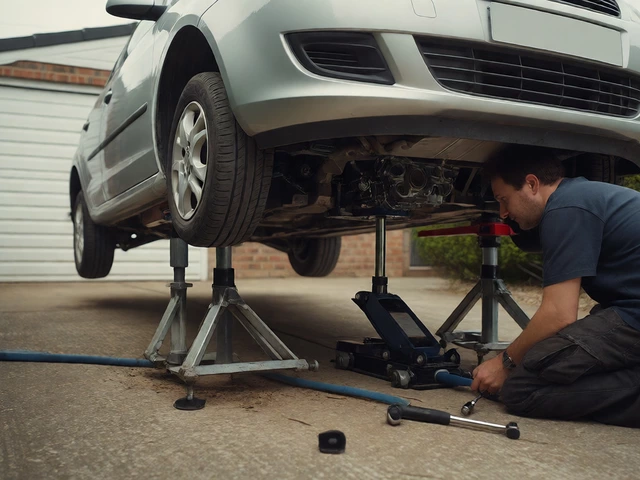
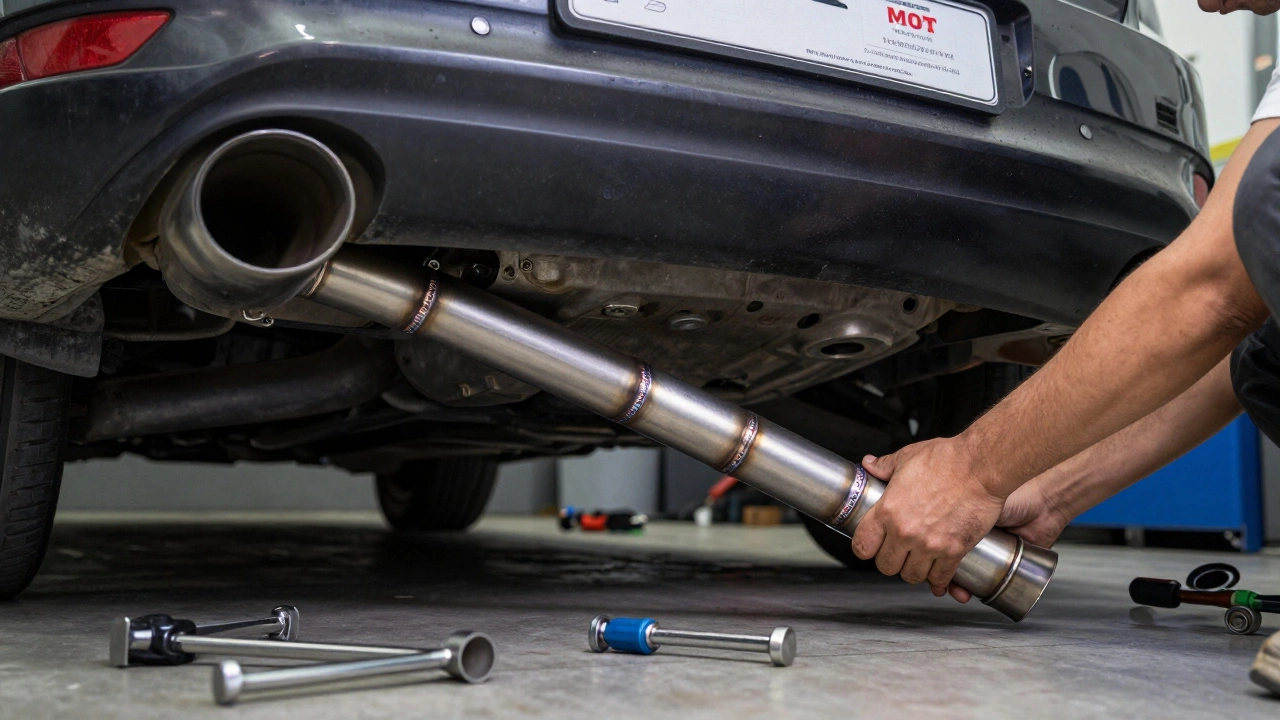
Replacing a muffler or cat-back system is doable for someone with basic tools and a jack. You’ll need a wrench set, penetrating oil, and patience. Rusty bolts are the biggest enemy. Spray them with WD-40 the night before and let it soak.
But if you’re doing a full system, or if your car has a complex layout (like a rear-mounted exhaust on a BMW), hire a professional. Poor installation leads to leaks, rattles, and even fire hazards. A good shop will also check your hangers and ensure the system doesn’t rub on the chassis.
Expect to pay £100-£200 for labour if you’re not doing it yourself. That’s cheap insurance against a failed MOT or a broken exhaust falling off at 70 mph.
Top 3 Exhaust Brands for UK Drivers
Not all brands are equal. Here are the three that consistently deliver quality, legality, and durability in the UK climate.
- Milltek Sport: Made in the UK. Uses 304 stainless. Excellent sound tuning. Compatible with most tuning software. Best for daily drivers and track weekends.
- Remus: Austrian brand, widely used in Europe. Offers both sport and touring versions. Quieter than Milltek, great for motorway cruising.
- Akrapovič: Premium titanium and stainless. Lighter, louder, more expensive. Worth it if you want the best sound and are willing to pay for it.
Avoid no-name brands on Amazon or eBay. They often use thin steel, poor welding, and fake brand names. You’ll pay less upfront, but you’ll pay more in replacements.
How to Choose Based on Your Car
Your car type matters more than your budget.
- Family hatchback (e.g., VW Golf, Ford Focus): Go for a cat-back in 304 stainless. Stick to mild-mannered sound. You want comfort, not attention.
- Sports car (e.g., Subaru WRX, Mazda MX-5): Full system or high-flow cat-back. You’ll feel the difference in low-end torque.
- Tuned or modified car: Full system + high-flow cat + ECU remap. This is where you get real gains.
- Classic car: Stick to reproduction stock systems unless you’re restoring for show. Originality matters.
Check forums for your specific model. There’s usually a community that’s tested every exhaust option. Don’t guess - learn from others who’ve been there.
What to Avoid
- Buying a system that doesn’t fit your car’s year and model - even if it says it’s compatible.
- Choosing based on YouTube videos - those are often edited to sound louder than they are.
- Ignoring the MOT test requirements - your exhaust must be intact, leak-free, and have a functioning catalytic converter.
- Thinking louder = faster - sound doesn’t equal performance.
- Skipping the warranty - good exhausts come with 2-5 years. Cheap ones don’t.
Final Checklist Before You Buy
- Is it designed for my exact car model and year?
- Is it made from 304 stainless steel?
- Does it include all necessary hardware (hangers, gaskets, bolts)?
- Is it certified for road use in the UK?
- Will it pass an MOT?
- Does the seller offer a warranty?
- Have I read real owner reviews, not just marketing claims?
If you answered yes to all of these, you’re ready. Don’t rush. Take your time. The right exhaust doesn’t just sound good - it makes driving better.
Can I install a new exhaust myself?
Yes, if you’re replacing just the muffler or cat-back system and have basic tools. Use penetrating oil on rusted bolts, jack up the car safely, and follow the manufacturer’s instructions. For full systems or complex cars, professional installation is safer and prevents leaks or damage.
Will a new exhaust improve my fuel economy?
Sometimes. A free-flowing exhaust reduces engine backpressure, which means the engine doesn’t work as hard to push out exhaust gases. On average, you might see a 1-3% improvement in fuel economy, especially on highways. It’s not huge, but it adds up over time.
Is a louder exhaust illegal in the UK?
Yes, if it exceeds 78 decibels under load or if it’s been modified to remove the catalytic converter. Police can issue fines and fail your MOT if the exhaust is too loud or damaged. Many aftermarket systems are designed to stay within legal limits - look for UK-compliant certifications.
How long does an aftermarket exhaust last?
A stainless steel exhaust lasts 8-15 years in the UK, even with wet winters. Mild steel rusts in 2-5 years. Titanium lasts over 15 years but costs significantly more. Regular inspections for rust, cracks, or loose hangers help extend life.
Do I need to remap my ECU after installing a new exhaust?
Not always. For a cat-back system on a stock engine, no remap is needed. But if you’re installing a full system, especially with a high-flow catalytic converter or downpipe, the engine’s air-fuel ratios can get out of balance. A remap ensures optimal performance and prevents check engine lights.