Clutch Kit: Signs of Failure, Replacement Costs, and What You Need to Know
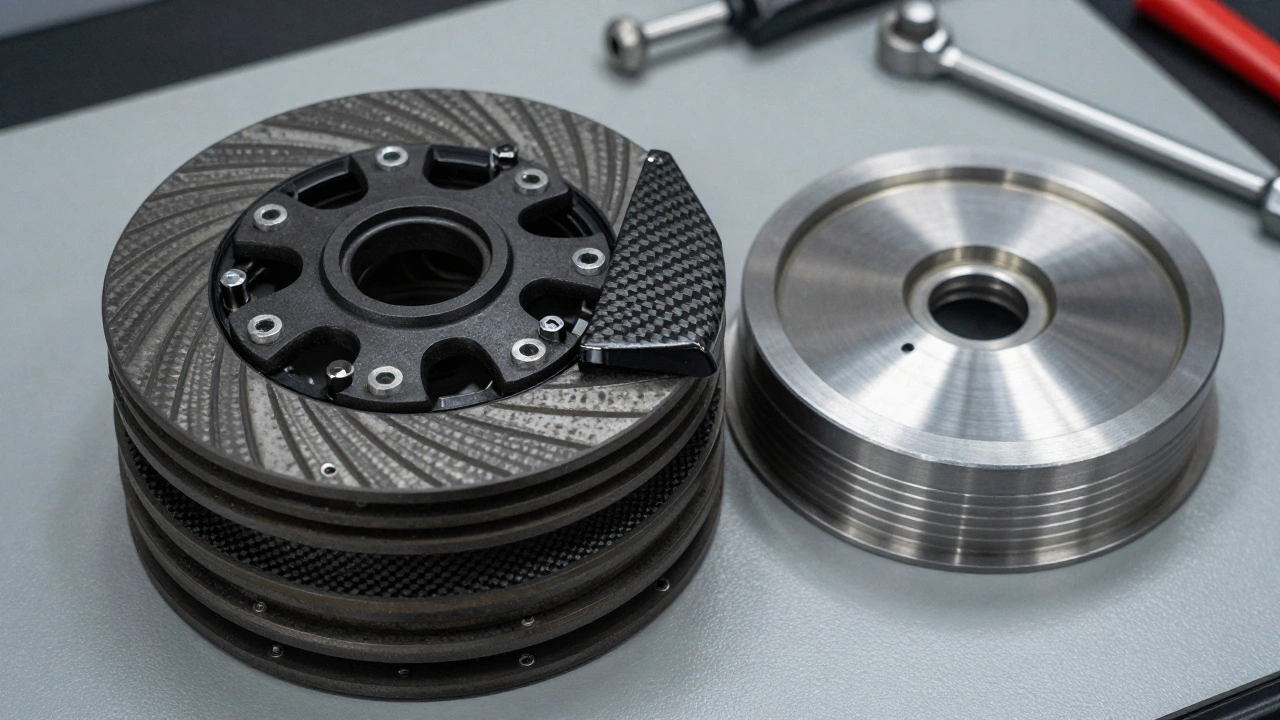
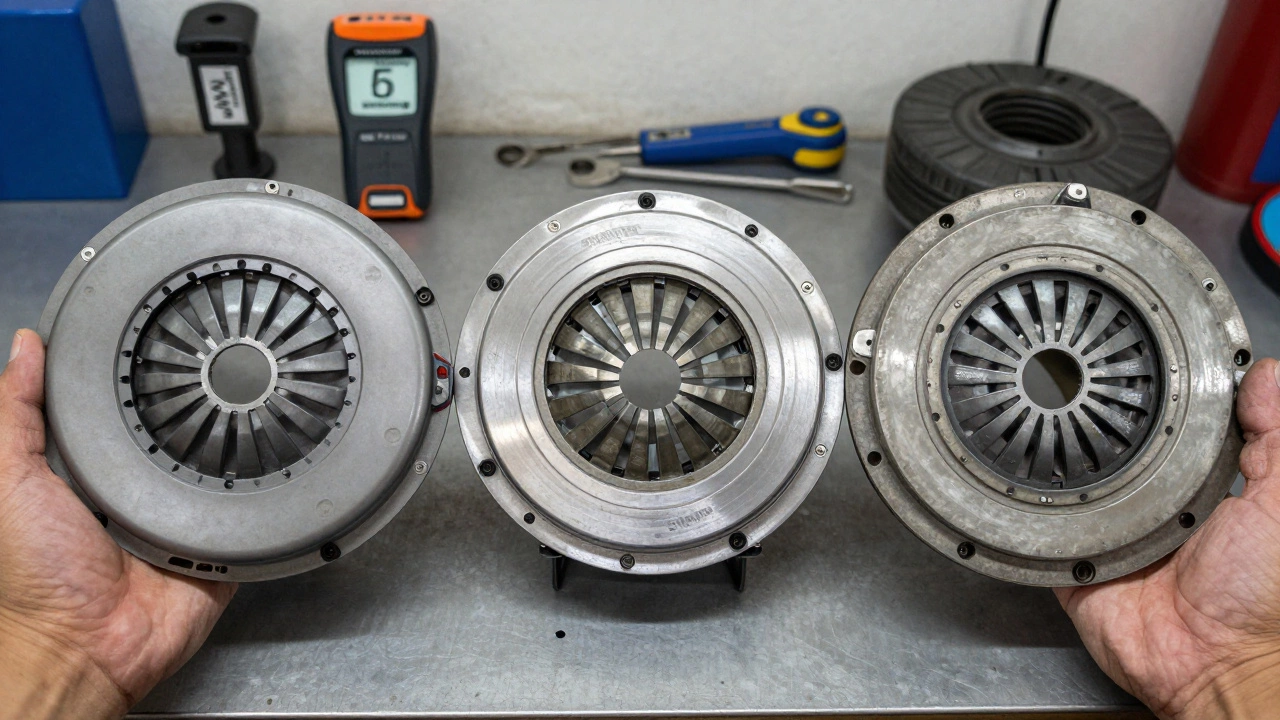
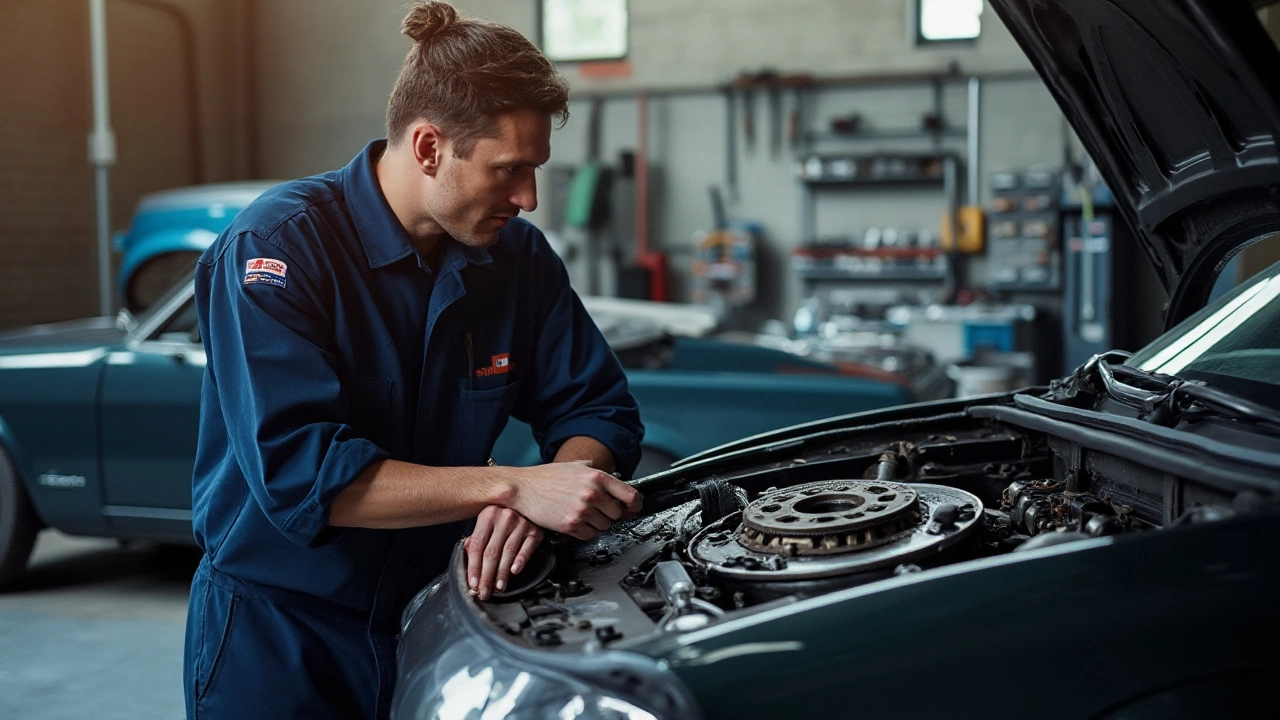
When your clutch kit, a set of components that connects your engine to the transmission, allowing you to shift gears smoothly. Also known as clutch assembly, it includes the clutch disc, pressure plate, release bearing, and sometimes the pilot bearing. If any part fails, your car won’t shift right—or at all. A worn clutch kit doesn’t just make driving annoying; it can leave you stranded. You might notice the engine revs but the car doesn’t move, or gears grind when you try to shift. These aren’t just "odd noises"—they’re warning signs your clutch kit is on its last legs.
What causes a clutch kit to wear out? It’s not just age. Heavy stop-and-go driving, riding the clutch pedal, or towing heavy loads all speed up wear. You don’t need to be a mechanic to spot trouble. If your car slips out of gear on hills, or if the clutch pedal feels spongy or needs to be pressed all the way to the floor, your clutch kit is likely failing. A burning smell when you accelerate? That’s the friction material on the clutch disc overheating. And if you hear a grinding noise when you press the pedal, the release bearing is probably worn out. These aren’t guesses—they’re common issues backed by thousands of real-world repairs.
Replacing a clutch kit isn’t cheap, but it’s cheaper than ignoring it. In the UK, a full clutch kit replacement typically costs between £400 and £800, depending on your car model and labour rates. The parts themselves aren’t the big cost—it’s the labour. Getting to the clutch means dropping the transmission, which takes hours. That’s why some people delay the repair, hoping it’ll get better. It won’t. A failing clutch can damage the flywheel or even the gearbox, turning a £500 job into a £1,500 one. And if you’re driving with a bad clutch, you’re risking sudden failure on the motorway. Not worth the gamble.
There’s no magic number of miles when a clutch kit dies—it can last 60,000 miles or 150,000, depending on how you drive. But you don’t need to wait for disaster. Pay attention to how your car feels. If shifting feels different, if the pedal feels off, or if you’re having to rev higher to get speed, don’t brush it off. These are the same signs that show up in the posts below—real stories from drivers who ignored the warning, and those who caught it early. Below, you’ll find clear guides on how to test your clutch, what symptoms to watch for, and how to decide if you need a full replacement or just a tweak. No jargon. No upsells. Just what actually matters when your clutch starts acting up.