DIY Wipers: How to Replace Windshield Wipers Yourself
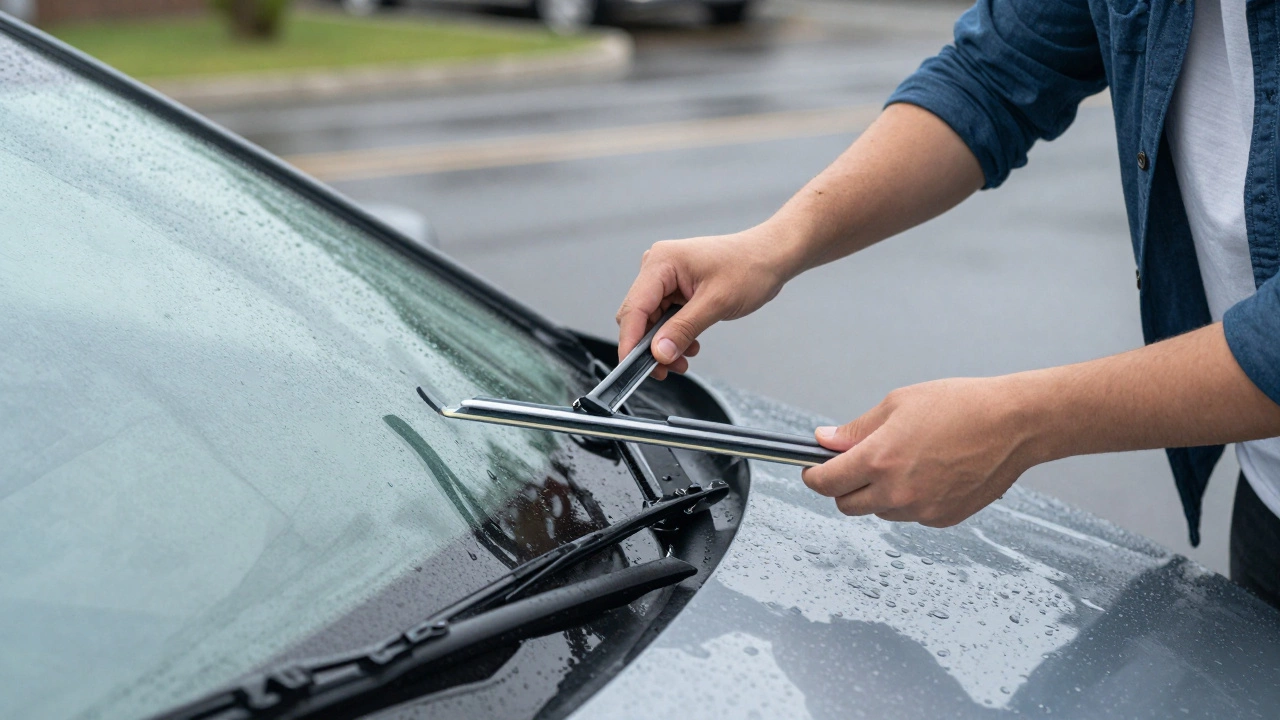
When your DIY wipers, the process of replacing your own windshield wiper blades without professional help. Also known as home wiper replacement, it’s one of the simplest car maintenance tasks that makes a huge difference in safety. If you can’t see clearly through your windshield during rain or snow, you’re not just annoyed—you’re at risk. And the fix? Often just a new pair of wiper blades, done in under ten minutes.
Most people don’t realize that wiper blades wear out long before they completely fail. Streaking, squeaking, or missing patches on your glass aren’t just annoying—they’re signs your blades are losing contact with the windshield. Even if one blade looks okay, the other is likely worn down too. That’s why replacing them as a pair, two matching wiper blades installed together for even performance matters. Using mismatched blades can cause uneven wiping, which strains the wiper motor and scratches your windshield over time. And not all blades fit all cars. The wiper blade fit, the correct size and connector type for your specific car model depends on your make, model, and year. Grab the wrong ones, and you’ll waste time and money.
You don’t need tools, a garage, or a mechanic’s license. Just a new set of blades, five minutes, and the right info. Most modern blades snap on with a simple hook, pin, or bayonet connector. The trick is knowing which type your car uses. Check your owner’s manual or look up your model online—many retailers let you enter your car details to find the exact fit. Avoid the cheapest blades you can find. They’re often made of thin rubber that cracks in cold weather or warps in heat. Mid-range blades with a hybrid frame or beam design last longer and wipe cleaner.
Replace them every six to twelve months, depending on weather and usage. If you live somewhere with harsh winters or lots of sun, go sooner. Don’t wait for them to fail completely. A single bad wipe during a downpour can cost you more than the cost of new blades—in accidents, stress, or insurance claims. And if you’ve ever tried driving with worn blades, you know how hard it is to see clearly. It’s not just about visibility—it’s about control. Clear vision means better reaction time. Better reaction time means safer driving.
What you’ll find below are real, no-fluff guides on everything from spotting the signs your blades are done, to picking the right size, to why buying just one is a mistake. We cover what actually works, what doesn’t, and how to avoid common traps. No theory. No marketing speak. Just what you need to know to get clear vision, save cash, and stay safe on the road.