Windshield Wiper Replacement: What You Need to Know Before You Buy
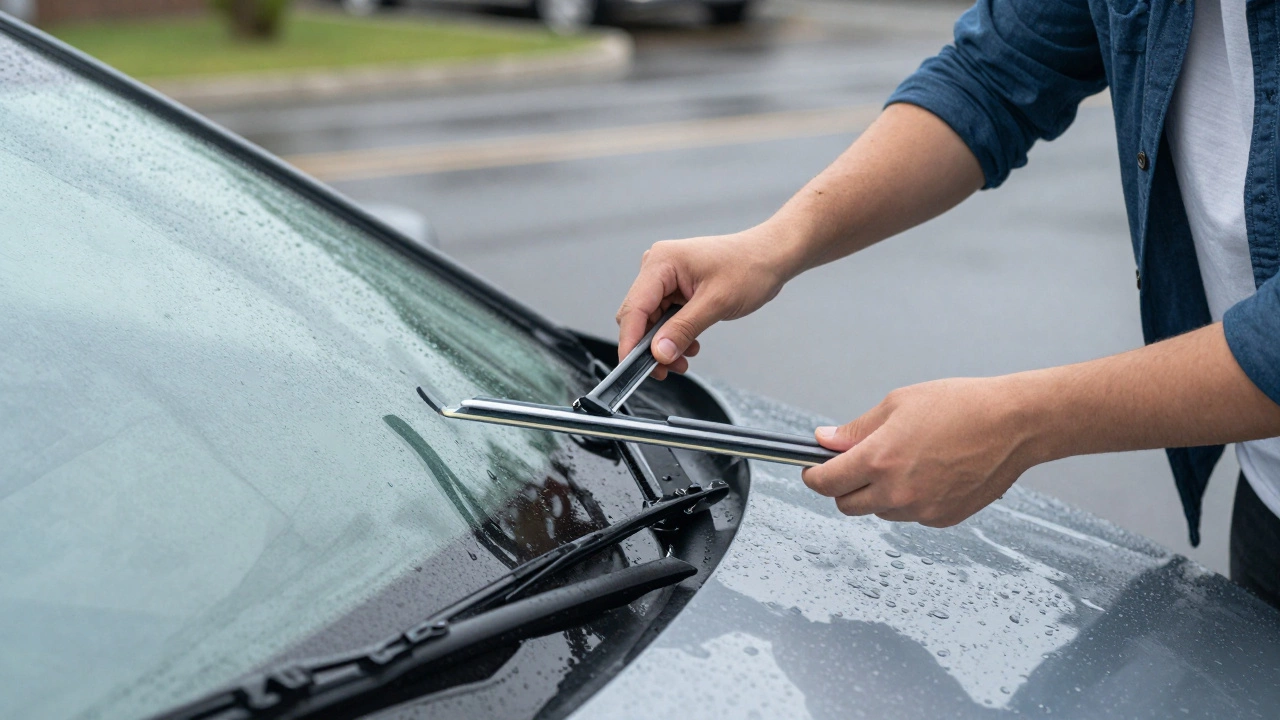
When it comes to windshield wiper replacement, the process of swapping out worn blades to restore clear visibility during rain, snow, or dust. Also known as windscreen wiper replacement, it’s one of the simplest car maintenance tasks that most drivers ignore until it’s too late. A bad set of wipers doesn’t just make driving annoying—it makes it dangerous. In the UK, poor visibility due to faulty wipers contributes to thousands of accidents every year, especially in autumn and winter when rain and fog are common.
You might think one worn blade is enough reason to replace just that side, but that’s a mistake. wiper blades, the rubber strips that sweep water off your windshield degrade evenly over time. Even if the other blade looks fine, it’s likely close to failing. Replacing them as a pair ensures even pressure, smooth motion, and no streaks. It’s not about saving a few pounds—it’s about avoiding blind spots when you need them most.
Not all wiper blade fit, the specific size and connector type that matches your car’s make and model are the same. A blade that fits a Ford Focus won’t work on a Volkswagen Golf. The wrong size can leave patches of glass uncovered, or worse, scratch your windshield. Always check your owner’s manual or use a reliable fit guide before buying. And don’t assume that the cheapest blade is the best deal—cheap rubber dries out fast, and cheap frames bend under pressure. Look for blades with a sturdy frame and a high-quality silicone or hybrid rubber compound.
windshield wipers price, the cost range for replacement blades in the UK, typically between £10 and £40 per pair varies by brand, material, and design. Beam blades, which are frameless and aerodynamic, cost more but last longer and perform better at high speeds. Traditional bracket blades are cheaper but can lift in strong winds. If you live in a place with heavy rain or snow, investing in a slightly pricier set pays off in safety and durability.
Don’t wait for your wipers to fail completely. Streaking, chattering, or missed patches are early signs. If you hear squeaking on the first swipe, it’s already too late. Most manufacturers recommend replacing wipers every 6 to 12 months, but if you drive a lot or park outside, you might need to swap them sooner. A quick visual check—look for cracks, splits, or hardened rubber—takes 30 seconds and can save you from a risky drive in the dark.
There’s no magic trick to getting the right blades. It’s about matching the right size, material, and design to your car and your driving conditions. Skip the generic packs at the petrol station—they’re often one-size-fits-none. Take a minute to look up your exact model. You’ll spend less time fixing mistakes and more time driving safely.
Below, you’ll find real advice from drivers who’ve been there—what works, what doesn’t, and how to avoid the common traps that cost time, money, and safety. Whether you’re wondering if you need two blades, how to tell when it’s time, or what price is fair in 2025, the answers are here—no fluff, no guesswork, just what actually matters.