Wiper Replacement: What You Need to Know Before You Replace Your Windscreen Wipers
When your wiper replacement, the process of swapping out worn windscreen wiper blades to restore clear visibility. Also known as windshield wiper installation, it's one of the simplest car maintenance tasks that most drivers ignore until it's too late. Rain, snow, or even dust can turn a dirty windscreen into a dangerous blur. And if your wipers are streaking, squeaking, or missing spots, you’re not just annoyed—you’re at risk. A good set of wiper blades isn’t a luxury; it’s a safety tool. In the UK, where wet weather is common, your wipers are your first line of defense against accidents.
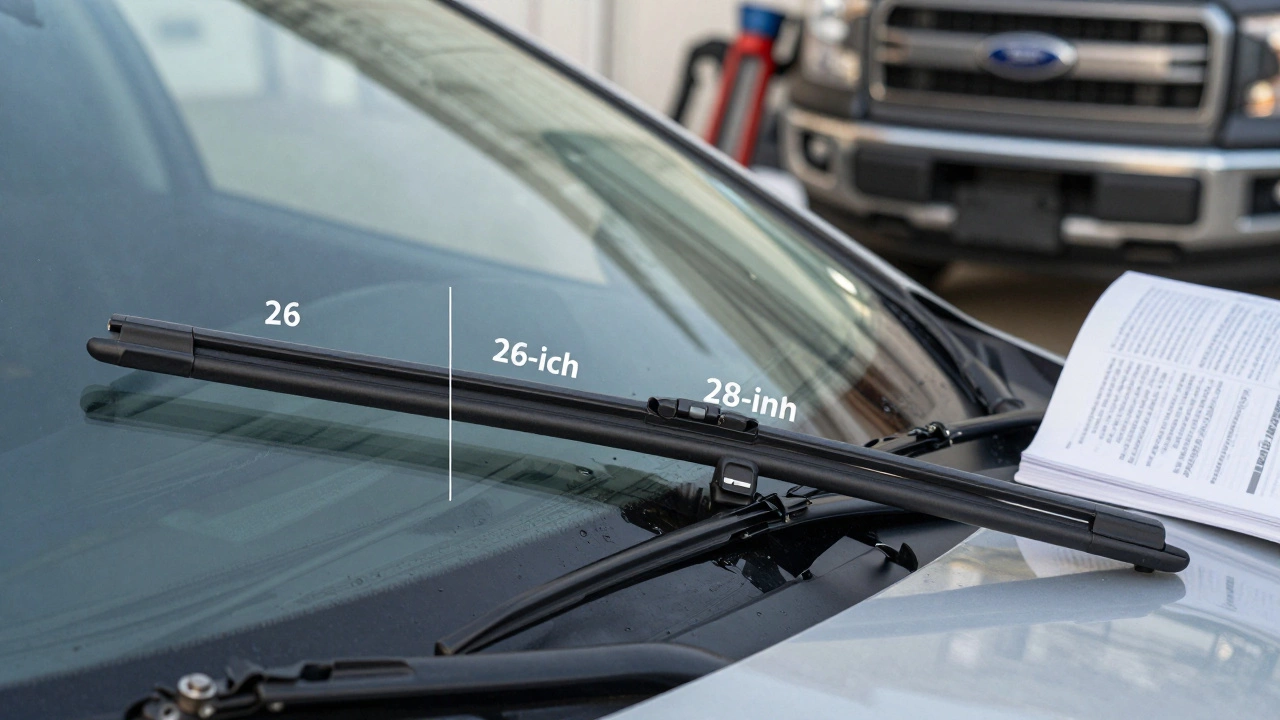
Wiper blades are made of rubber and metal, and they wear out faster than you think. Most manufacturers recommend replacing them every 6 to 12 months, but if you live in a place with extreme heat, cold, or sun exposure, they can degrade in just a few months. You don’t need to wait for them to fail completely. Signs like streaking, chattering, or cracked rubber mean it’s time. And here’s the thing: wiper blades, the rubber strips that sweep water off your windscreen. Also known as windscreen wipers, they’re designed to work in pairs. Replacing just one might seem like a cost-saving move, but it creates uneven pressure on the glass. That leads to uneven wiping, faster wear on the new blade, and even scratches on your windscreen. Always replace them as a pair.
Choosing the right wiper blades matters too. Not all blades are made the same. There are traditional frame-style blades, beam blades that are more aerodynamic, and hybrid designs that combine both. Beam blades often perform better in heavy rain and snow because they press evenly across the glass. And don’t fall for the cheapest option—cheap blades can leave smears, warp in heat, or snap in freezing temperatures. A decent set costs between £15 and £40, and it’s money well spent. You can even install them yourself in under 15 minutes with no tools. Most modern wiper arms use a simple hook or pin system—you just slide the new blade in until it clicks.
And while you’re at it, check your windscreen too. Dirt, road grime, and tiny scratches can make even new blades look like they’re failing. A quick clean with glass cleaner and a microfiber cloth can make a big difference. If your windscreen is badly pitted or has deep scratches, no blade will fix that—you might need professional attention.
Wiper replacement isn’t just about seeing better. It’s about staying in control. A moment of poor visibility can turn into a split-second accident. That’s why so many of the posts here focus on the details: how to pick the right blades, how to avoid common installation mistakes, and why waiting too long costs more in the long run. You’ll find guides on prices, DIY steps, and why replacing both blades at once isn’t optional—it’s necessary. Whether you’re preparing for winter rain or just noticed your wipers aren’t clearing properly, this collection gives you the real facts—not the marketing hype.
Below, you’ll find practical advice from real drivers and mechanics who’ve seen what happens when wiper replacement is ignored. No fluff. Just what works.