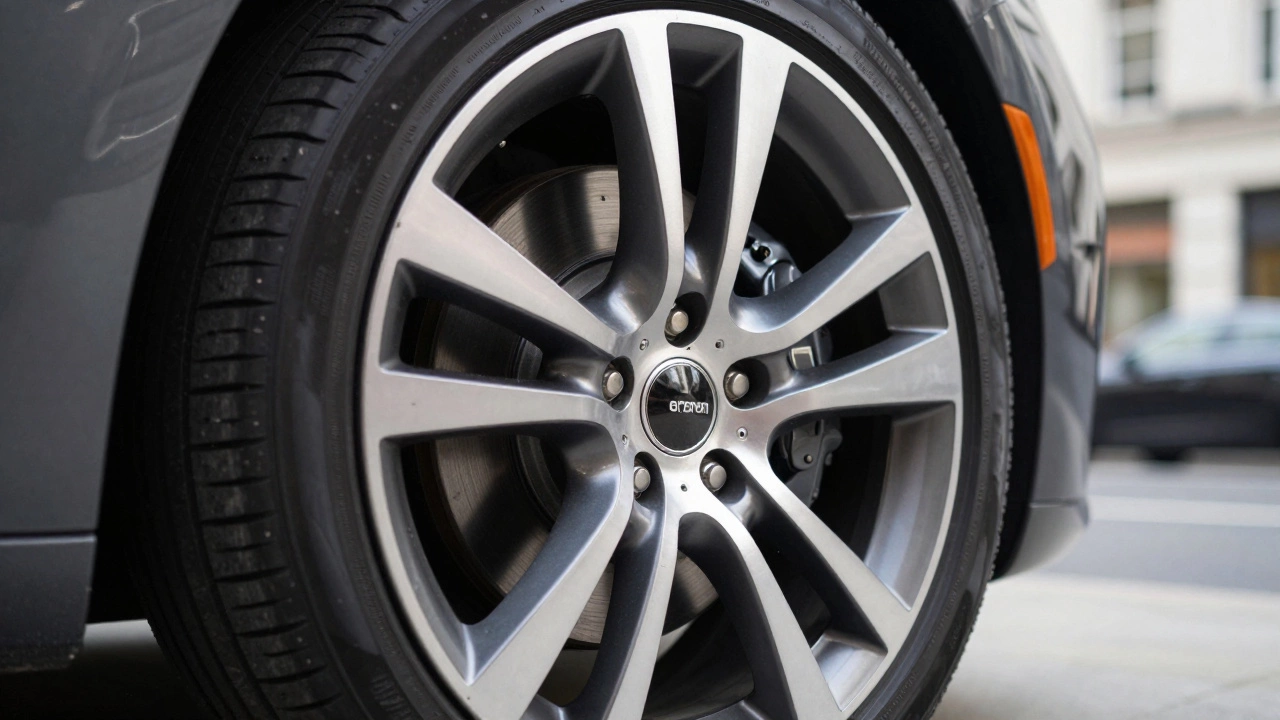
Alloy vs. Steel Wheel Comparison Tool
Steel Wheels
Standard, durable, heavy.
- ✖ High Unsprung Weight
- ✖ Poor Heat Dissipation
- ✔ Impact Resistant (Bends)
- ✔ Low Cost
Cast Alloy Wheels
Lightweight, stylish, standard upgrade.
- ✔ ~30% Lighter than Steel
- ✔ Better Cooling
- ⚠ Can Crack on Impact
- ⚠ Moderate Cost
Forged Alloy Wheels
Maximum strength, minimum weight.
- ✔ Lowest Weight
- ✔ Superior Strength
- ✔ Best Performance
- ✖ Very High Cost
Calculate Your Savings & Benefits
Estimate the weight reduction and fuel savings by switching from steel to alloy wheels.
Estimated Results:
*Calculations based on typical 30% weight reduction for cast alloys. Actual results vary by manufacturer and driving conditions.
Ever looked at your car’s wheels and wondered why some feel lighter than others or why they don’t rust like the old steel ones did? You are looking at alloy wheels. They are not just a cosmetic upgrade for sports cars anymore. Today, they are standard on most vehicles, from compact hatchbacks to heavy-duty SUVs. But what exactly are they made of, and do you actually need them?
At their core, alloy wheels are constructed from a mixture of metals rather than a single element. This distinction matters because it changes how your car handles, brakes, and even looks. If you are trying to decide between sticking with stock steel rims or upgrading to alloys, understanding the material science behind them will save you money and frustration.
The Chemistry Behind Alloy Wheels
To understand what makes an alloy wheel tick, you have to look at its ingredients. The term "alloy" simply means a combination of two or more elements, where at least one is a metal. In the automotive world, this almost always refers to aluminum mixed with other metals like magnesium, silicon, or zinc.
Aluminum is the base because it is lightweight and naturally resistant to rust. However, pure aluminum is too soft to handle the stress of driving on rough roads or hitting potholes. That is where the other metals come in. Magnesium adds strength and reduces weight further, while silicon improves fluidity during the casting process, allowing manufacturers to create complex, intricate designs.
This blend creates a material that is significantly stronger than pure aluminum but much lighter than traditional steel. The ratio of these metals varies by manufacturer. Some brands prioritize durability for off-road use, adding more magnesium. Others focus on aesthetics and heat dissipation, tweaking the silicon content. Understanding this composition helps explain why alloy wheels perform differently under extreme conditions compared to their steel counterparts.
How Alloy Wheels Are Made: Casting vs. Forging
Not all alloy wheels are created equal. The manufacturing process determines their strength, weight, and price tag. There are two primary methods used in the industry: casting and forging. Knowing the difference can help you avoid buying a weak wheel that might crack under pressure.
| Feature | Cast Alloys | Forged Alloys |
|---|---|---|
| Process | Molten metal poured into molds | Solid billet pressed under high pressure |
| Weight | Heavier due to thicker walls | Lighter and more uniform density |
| Strength | Good, but prone to cracking if thin | Extremely strong, less likely to fail |
| Cost | Affordable, mass-produced | Expensive, labor-intensive |
| Best For | Daily drivers, budget upgrades | Performance cars, racing, track use |
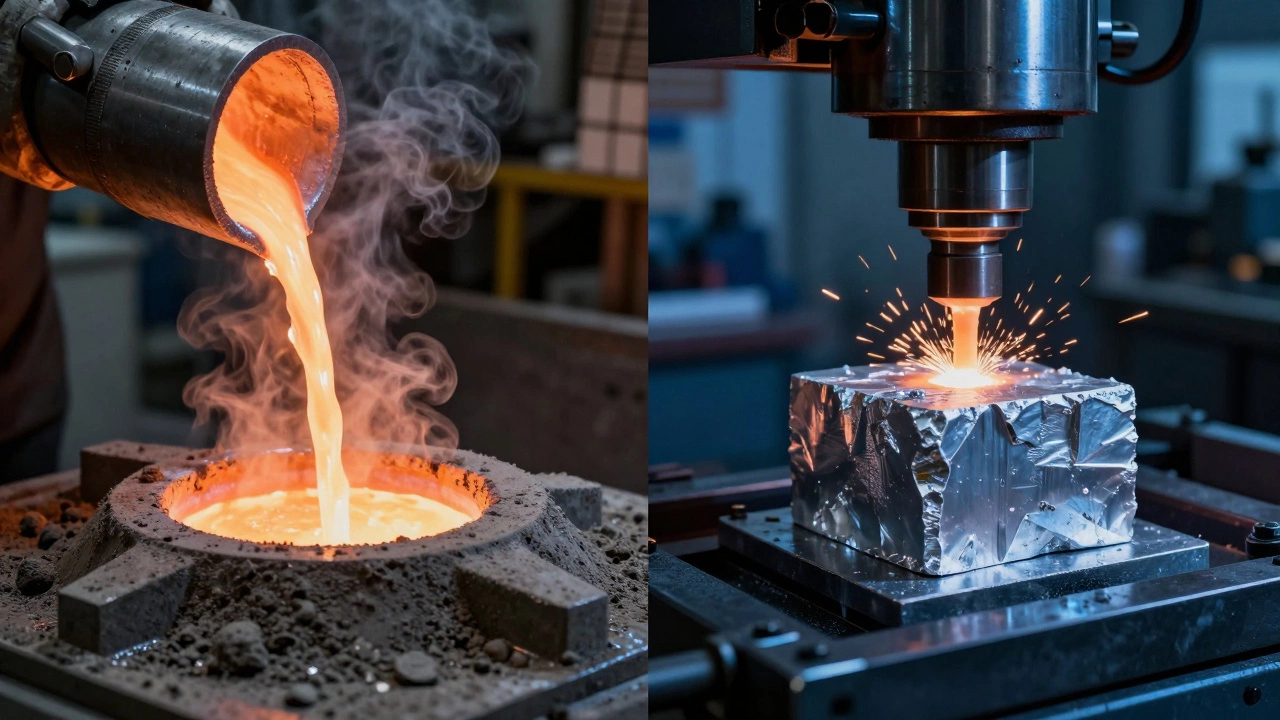
Casting is the most common method. Manufacturers melt down aluminum and pour it into sand or permanent molds. It is fast and cheap, which is why most factory-installed alloy wheels are cast. However, the cooling process can leave microscopic air pockets or inconsistencies in the metal grain structure, making cast wheels slightly more brittle.
Forging, on the other hand, starts with a solid block of aluminum. Hydraulic presses squeeze this block into shape using immense pressure-often millions of pounds per square inch. This compresses the metal grains, creating a denser, stronger, and lighter wheel. Forged wheels are the gold standard for performance enthusiasts, but they come with a hefty price tag. If you plan to take your car to the track or drive aggressively, forged alloys are worth the investment. For casual city driving, cast alloys offer plenty of durability.
Why Drivers Choose Alloy Over Steel
You might be wondering why everyone switched from steel to alloys in the first place. It isn't just about vanity. While steel wheels are durable and cheap, they have significant drawbacks that alloys solve.
The biggest advantage is weight reduction. Aluminum is roughly 30% lighter than steel. When you reduce the unsprung weight-the weight not supported by the suspension-you improve several aspects of vehicle dynamics. Your car accelerates faster, brakes shorter, and handles corners with more precision. Think of it like running in heavy boots versus light sneakers. The lighter footwear allows for quicker movements and less fatigue.
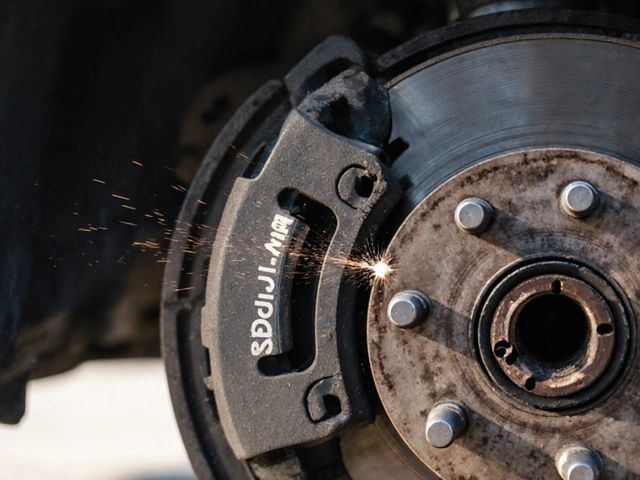
Heat dissipation is another critical factor. Brakes generate massive amounts of heat during hard stops. Steel wheels act like insulators, trapping that heat near the brake rotors and calipers. This can lead to brake fade, where your stopping power diminishes over time. Alloy wheels conduct heat away from the braking system more efficiently, keeping components cooler and maintaining consistent performance. This is especially important for drivers who live in hilly areas or tow heavy loads.
Aesthetics also play a role. Steel wheels usually require plastic hubcaps to look presentable, and those caps often fall off or get damaged. Alloy wheels are designed to be seen. They come in various finishes, from polished lips to matte black coatings, allowing you to customize your car's appearance without additional accessories.
Potential Drawbacks and Risks
Despite their benefits, alloy wheels are not perfect. They have vulnerabilities that steel wheels do not share. Being aware of these risks can help you maintain your wheels properly and avoid costly repairs.
The most common issue is susceptibility to impact damage. While aluminum is strong, it is also more brittle than steel. Hitting a deep pothole or a curb at speed can cause a steel wheel to bend, which is often repairable. An alloy wheel, however, may crack or shatter. A cracked wheel is a safety hazard and usually requires replacement rather than repair. If you frequently drive on poorly maintained roads, consider reinforcing your tires with run-flat technology or investing in higher-quality forged alloys.
Corrosion is another concern, though different from rust. Aluminum does not rust like iron, but it can oxidize. Over time, exposure to salt, road grime, and moisture can cause pitting and discoloration on the surface. This is purely cosmetic for sealed wheels, but if the protective coating chips off, the underlying metal can degrade. Regular washing and applying a wax sealant can prevent this oxidation. In regions with heavy winter salting, this maintenance becomes crucial.
Cost is the final barrier. Alloy wheels are significantly more expensive to manufacture and buy. Replacing a set of four steel wheels might cost a few hundred dollars, while a comparable set of cast alloys could double that price. Forged wheels can cost thousands. Budget constraints often dictate whether you can afford the performance and aesthetic benefits.
Maintenance Tips for Longevity
If you already have alloy wheels or are planning to install them, proper care extends their life and keeps them looking new. Neglect leads to premature wear and potential safety issues.
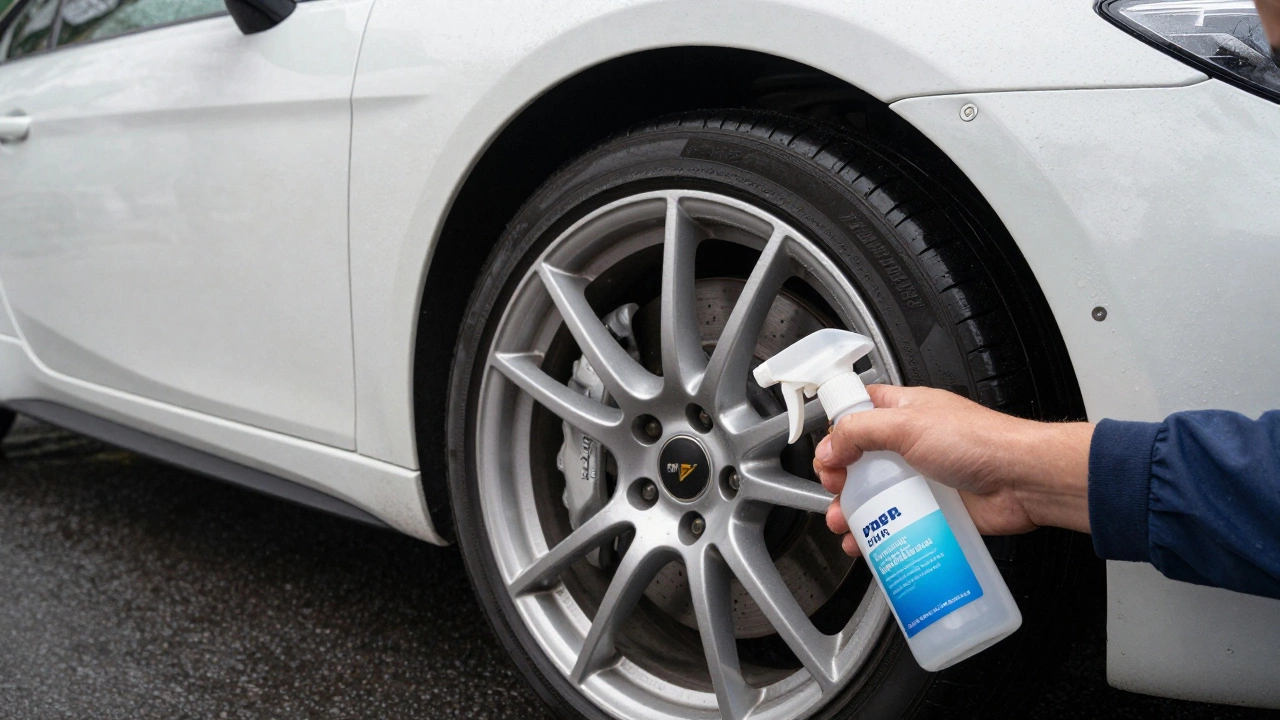
- Wash regularly: Brake dust contains metallic particles that eat into clear coats. Wash your wheels every two weeks, or more often if you drive in dusty or salty conditions. Use a pH-neutral wheel cleaner specifically designed for alloys.
- Inspect for damage: Check for cracks, bends, or loose lug nuts monthly. Even small hairline cracks can propagate under stress. If you see any structural damage, replace the wheel immediately.
- Protect the finish: Apply a ceramic coating or high-quality wax annually. This creates a barrier against UV rays, bird droppings, and road salts.
- Balance and align: After installing new alloys, always get a professional wheel balance and alignment. Uneven tire wear can ruin both your tires and the wheels themselves.
Ignoring these steps can lead to costly replacements. A simple wash takes ten minutes but can save you hundreds in refinishing or new wheels later.
Are Alloy Wheels Worth the Investment?
The decision to switch to alloy wheels depends on your driving habits and priorities. If you value fuel efficiency, handling, and modern styling, alloys are a smart choice. The weight savings alone can improve your miles per gallon by 1-2%, which adds up over time. Plus, the improved braking performance enhances safety.
However, if you drive mostly on rough terrain, haul heavy loads, or operate on a tight budget, steel wheels might still be the practical option. They are cheaper to replace and more forgiving of abuse. Many truck owners keep steel wheels for winter use, swapping to alloys when the weather clears and roads improve.
Ultimately, alloy wheels represent a balance of form and function. They transform your vehicle's character while delivering tangible performance gains. By understanding their composition, manufacturing methods, and maintenance needs, you can make an informed decision that suits your lifestyle and wallet.
Do alloy wheels really improve gas mileage?
Yes, they can. Because alloy wheels are lighter than steel wheels, they reduce the unsprung weight of your vehicle. This means your engine doesn't have to work as hard to accelerate and rotate the wheels. Most drivers see a modest improvement of 1-3% in fuel economy, depending on the size and weight of the wheels.
Can I repair a cracked alloy wheel?
Minor cracks near the rim edge can sometimes be welded and straightened by professionals, but it is risky. Structural cracks, especially near the center hub or spokes, compromise the wheel's integrity. For safety reasons, most experts recommend replacing cracked alloy wheels rather than repairing them. A failed wheel at highway speeds can cause catastrophic loss of control.
Why do my alloy wheels look dull after a year?
This is likely due to brake dust buildup and oxidation. Brake dust contains iron particles that bond to the wheel surface and etch into the clear coat if not removed promptly. Additionally, aluminum oxidizes when exposed to moisture and salt. Regular cleaning with a dedicated wheel cleaner and applying a protective wax layer prevents this dulling effect.
Are forged wheels better than cast wheels?
Forged wheels are stronger, lighter, and more durable than cast wheels because the manufacturing process compresses the metal grains. However, they are significantly more expensive. For everyday driving, cast wheels offer excellent value and sufficient strength. Forged wheels are best suited for high-performance applications, racing, or drivers who want maximum weight reduction.
Will alloy wheels fit my older car with steel hubs?
In most cases, yes. As long as the bolt pattern, offset, and center bore match your vehicle's specifications, alloy wheels will fit. You may need hub-centric rings if the center bore is larger than your hub. Always consult a professional installer to ensure proper fitment and avoid vibration or bearing damage.