Fuel Pump Failure Risk Calculator
Assess Your Vehicle's Risk
Answer these questions to determine your fuel pump failure risk level based on symptoms and driving habits.
Ever pulled into a gas station, filled up, and then your car sputtered to a stop right after? You’re not alone. A failing fuel pump is one of the most common reasons cars die unexpectedly - and it’s often mistaken for a dead battery or a clogged filter. The truth? A car with a bad fuel pump might still run, but only for a little while. And even then, it won’t run right.
What a Fuel Pump Actually Does
Your fuel pump isn’t just a little motor tucked under the tank. It’s the heart of your fuel system. It pulls gasoline from the tank, pushes it through the lines, and delivers it to the engine under the right pressure - usually between 30 and 60 psi, depending on your car. Modern fuel pumps are electric, mounted inside the gas tank, and designed to last 100,000 miles or more. But when they start to fail, they don’t just stop. They struggle. And that struggle shows up in ways drivers often ignore.
Signs Your Fuel Pump Is Going Bad
You won’t get a warning light for a failing fuel pump. No check engine light, no beep, no flashing icon. That’s why most people don’t realize it’s the pump until it’s too late. Here’s what to watch for:
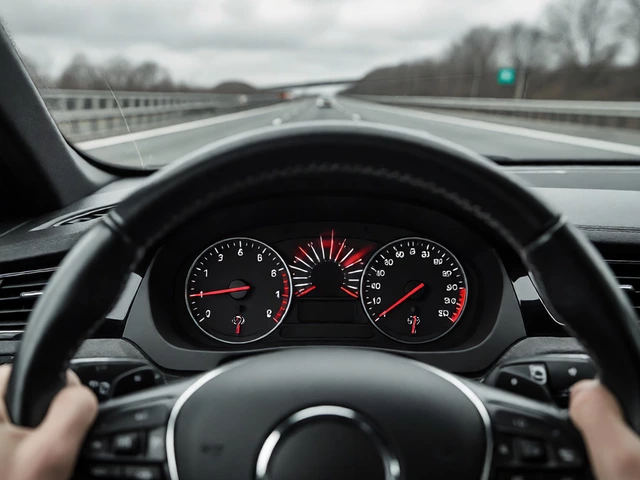
- Engine sputters at high speeds - like when you’re on the motorway at 70 mph and the car coughs, then catches again. This happens because the pump can’t keep up with the engine’s demand.
- Loss of power under load - climbing hills or accelerating hard feels like the car is choking. It’s not the engine. It’s the pump not delivering enough fuel.
- Difficulty starting - you turn the key and hear the fuel pump whir for a second, then nothing. Wait 10 seconds, try again, and it starts. That’s the pump struggling to build pressure.
- Engine stalls at idle - stopped at a traffic light, the engine dies. Restart it, and it runs fine… for now.
- Loud whining noise from the tank - a new pump hums quietly. A failing one screams like a dying vacuum cleaner. If you hear this, don’t wait.
These aren’t random glitches. They’re symptoms of a pump losing its ability to maintain consistent pressure. And they get worse - fast.
Can a Car Still Run with a Bad Fuel Pump?
Yes - but only if the pump hasn’t completely failed. Think of it like a heart with a weak valve. It can still pump blood, but not enough to keep you running uphill. Your car might start. It might idle. It might even drive a few miles. But if you push it - accelerate, climb a hill, or cruise on the highway - the engine will starve for fuel. The result? Misfires, hesitation, stalling, or worse: sudden shutdown.
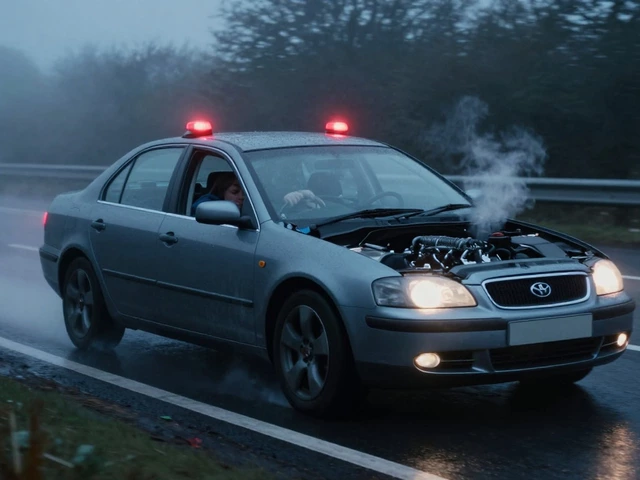
Some drivers try to push through. They think, “It’s just a little rough, I’ll get it checked next week.” That’s dangerous. A failing fuel pump can leave you stranded on a busy road. In the UK, that’s not just inconvenient - it’s risky. And if the pump dies while you’re moving, you lose power steering and power brakes too. No warning. No time to react.
Why It’s Not Just the Pump
Before you assume the fuel pump is dead, check the easy stuff first. A clogged fuel filter, bad fuel pressure regulator, or dirty fuel injectors can mimic fuel pump failure. In fact, most fuel pump replacements I’ve seen in Manchester garages turned out to be clogged filters. The filter was so blocked, the pump was overworked - and eventually burned out.
Here’s what to do:
- Listen for the fuel pump when you turn the key to “on” (before starting). You should hear a 2-second hum. If you hear nothing, the pump isn’t getting power - check the fuse and relay.
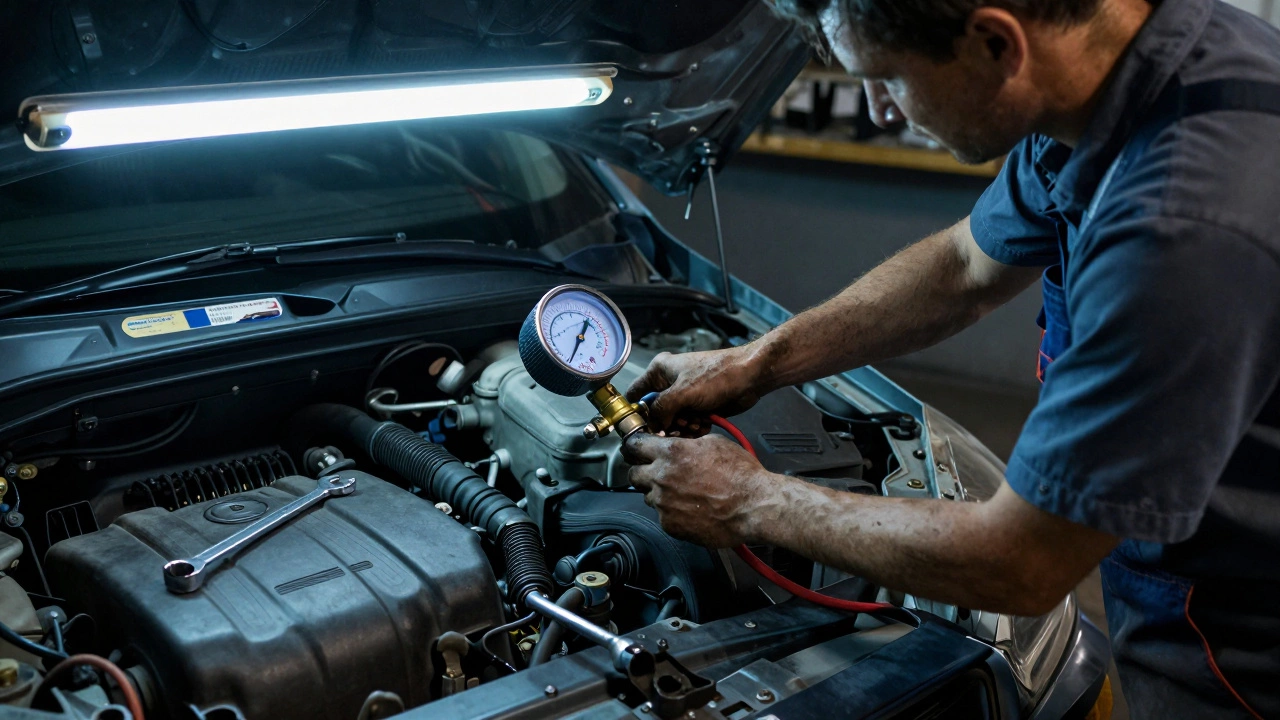
- Use a fuel pressure gauge. If you don’t have one, most auto shops will test it for free. If pressure is below spec, the pump or regulator is at fault.
- Check the fuel filter. If it’s been over 40,000 miles since the last change, replace it. It’s cheap. And it might save your pump.
Don’t replace the pump until you’ve ruled out the simpler, cheaper fixes.
What Happens If You Ignore It?
Ignoring a bad fuel pump doesn’t just mean getting stranded. It can wreck other parts:
- Engine damage - running lean (not enough fuel) causes overheating and can burn valves or damage pistons.
- Fuel injectors - inconsistent fuel flow causes them to clog or fail prematurely.
- Engine control unit - the ECU keeps trying to compensate for the bad fuel delivery, throwing error codes and eventually going into limp mode.
One customer I worked with in Salford drove for three weeks with a failing pump. She thought it was “just the weather.” By the time she brought it in, she needed a new fuel pump, two fuel injectors, and a full engine tune-up. The repair bill was £850. A simple pump replacement at the first sign of trouble? £320.
How Long Can You Drive With a Bad Fuel Pump?
There’s no safe answer. Some pumps fail in minutes. Others limp along for weeks. But if you’re seeing any of the symptoms - sputtering, hard starts, loss of power - you’re already on borrowed time. Don’t treat it like a “maybe later” problem. Fuel pumps don’t give you a second chance.
If you’re in the middle of a long drive and the pump starts acting up, pull over. Turn off the engine. Wait 10 minutes. Restart. If it runs again, drive slowly to the nearest garage - don’t push it. Don’t risk a breakdown on a motorway.
Replacement Costs and What to Expect
Replacing a fuel pump isn’t cheap, but it’s not a luxury either. In the UK, here’s what you’ll typically pay:
| Component | Cost Range | Notes |
|---|---|---|
| Fuel Pump (Part Only) | £120 - £350 | Aftermarket vs OEM. Stick with OEM if your car is under 10 years old. |
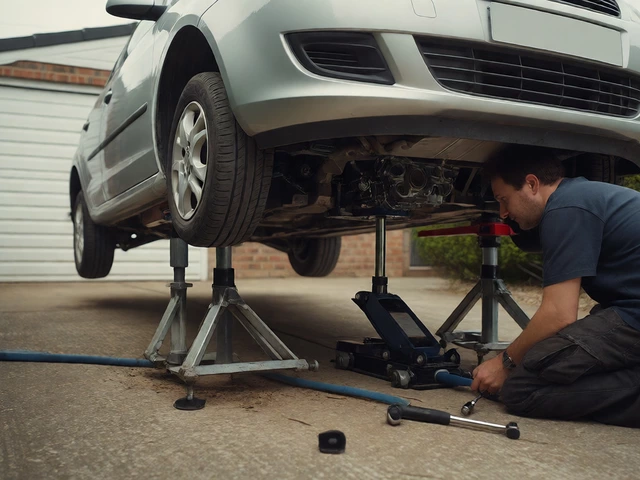
| Labor | £150 - £300 | Taking out the tank takes 2-4 hours. Some cars require removing the rear seat or trunk liner. |
| Full Replacement (Parts + Labor) | £270 - £650 | Most common range for a mid-range family car like a Ford Focus or Vauxhall Astra. |
Always replace the fuel filter at the same time. It’s usually installed in the same line. And if your tank is over 10 years old, consider cleaning it. Rust or debris inside can kill a new pump in months.
How to Prevent Fuel Pump Failure
Most fuel pumps fail because they’re overworked. Here’s how to keep yours alive:
- Never run on empty - the pump is cooled by fuel. Running low makes it overheat. Keep at least a quarter tank.
- Use quality fuel - cheap fuel has more dirt and water. It clogs filters and wears out the pump faster.
- Replace the fuel filter every 40,000 miles - even if the manual says “lifetime.” It’s a cheap insurance policy.
- Check for leaks - a leaking fuel line puts extra strain on the pump.
Simple habits can add 50,000 miles to your pump’s life. That’s the difference between replacing it at 120,000 miles… or 70,000.
Final Advice: Don’t Wait for the Breakdown
A bad fuel pump doesn’t kill your car overnight. It kills it slowly - one sputter, one stall, one missed start at a time. By the time you’re stranded, you’ve already spent more in lost time, towing, and emergency repairs than you would have on a timely replacement.
If your car is acting funny at the pump - if it hesitates, coughs, or won’t start without a second try - don’t shrug it off. Get it checked. A £50 diagnostic can save you £800 later. And more importantly, it can keep you safe.
Your car doesn’t need to die to prove you were right to act early.
Can a car start with a bad fuel pump?
Sometimes. A weak fuel pump might still generate enough pressure to start the engine after a few tries, especially if it’s cold. But it won’t sustain operation under load. If the car starts but stalls when you press the gas, the pump is likely failing.
How long does a fuel pump last?
Most fuel pumps last between 100,000 and 150,000 miles. But driving habits matter. Running the tank low, using dirty fuel, or skipping fuel filter changes can cut that lifespan in half.
Can a fuel pump fail without warning?
Yes. While many pumps show signs like sputtering or hard starts, some fail suddenly - especially if they’re old or exposed to contaminated fuel. That’s why it’s smart to replace them proactively if your car is over 10 years old and you’ve never changed the pump.
Will a bad fuel pump trigger a check engine light?
Not always. The engine control unit may detect misfires or lean conditions caused by low fuel pressure and throw codes like P0171 or P0300. But the fuel pump itself doesn’t have a sensor that triggers a direct warning light.
Is it safe to drive with a bad fuel pump?
No. Driving with a failing fuel pump is risky. It can cause sudden engine shutdown while moving, especially on highways. You’ll lose power steering and braking assist, increasing the chance of an accident. Replace it before it leaves you stranded.