Windshield Fluid Substitute Checker
Result Title
SubtitleDescription goes here.
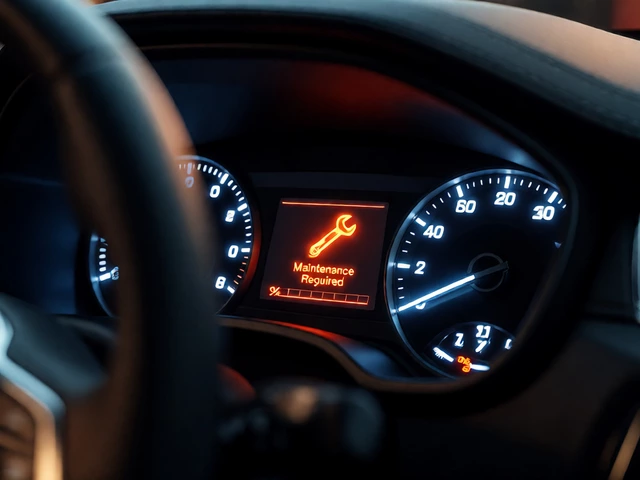
Imagine this: you are driving home during a heavy downpour in Manchester. The rain is lashing against the glass, visibility is dropping fast, and you reach for the lever to activate your wipers. Nothing happens. A quick check of the dashboard confirms what you feared-your reservoir is empty. You pull over, open the hood, and stare at the empty cap. There is no gas station within ten miles, and the weather isn't getting better. What do you do?
Panic is not an option. While buying a bottle of commercial windshield washer fluid is the standard fix, it is not always immediately available. Fortunately, there are several effective substitutes that can save your visibility in a pinch. However, not every liquid is safe for your vehicle's delicate pump system or your eyes.
Why You Should Not Just Use Tap Water
The most obvious alternative when you run out of fluid is plain tap water. It is free, accessible, and technically wet. So, why do mechanics often advise against making it a permanent habit? The answer lies in chemistry and physics.
Tap water lacks the essential additives found in commercial fluids. Standard washer fluid contains surfactants (detergents) to break down road grime, antifreeze agents to prevent freezing in winter, and solvents to dissolve bugs and tar. Plain water does none of these things effectively. If you use only water, you might find yourself scrubbing dried mud off your windshield with a toothbrush later because the water simply pushed the dirt around rather than cleaning it.
Furthermore, mineral deposits in hard water areas can clog your spray nozzles over time. More critically, if temperatures drop below zero Celsius, plain water will freeze inside your reservoir and lines. This expansion can crack the plastic tank or destroy the electric pump-a repair that costs significantly more than a few bottles of fluid.
That said, in an absolute emergency where you need immediate visibility to drive safely to a store, tap water is better than nothing. Just be aware that it is a temporary band-aid, not a long-term solution.
The Best Everyday Substitute: Vinegar and Water
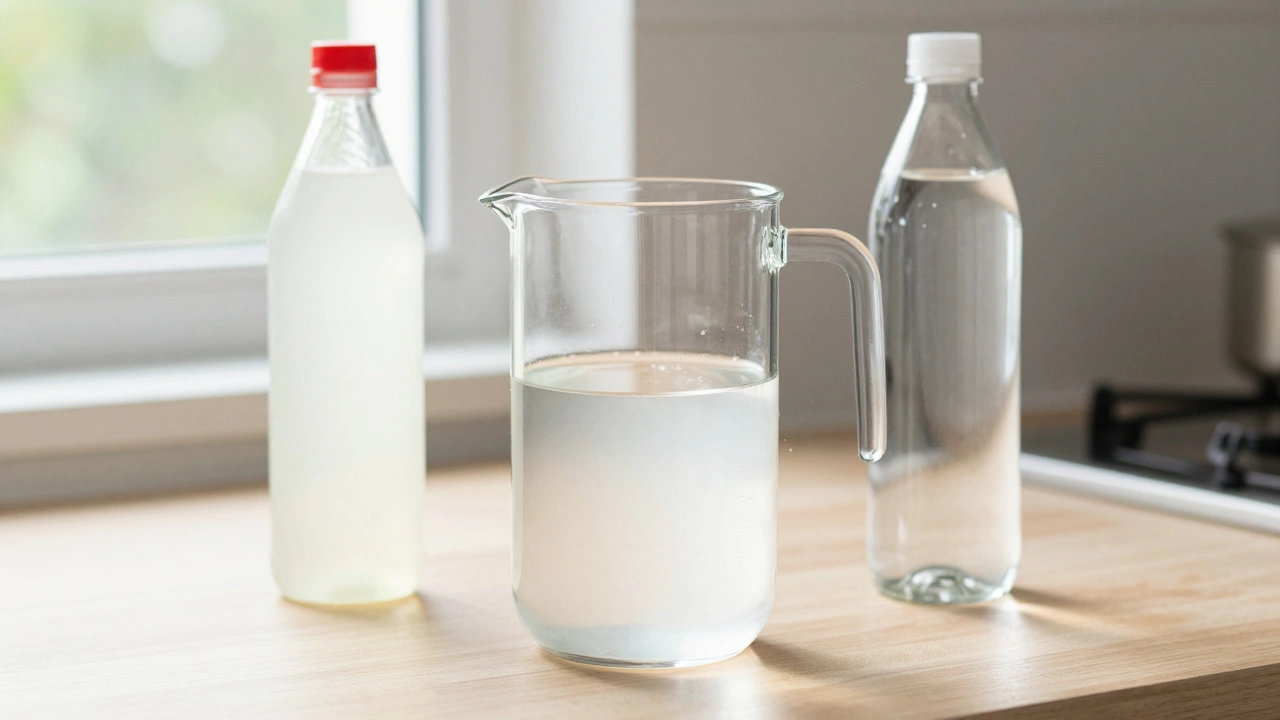
If you have some time before your next trip, or if you want a cost-effective solution for summer months, mixing white vinegar with distilled water is widely considered the best DIY substitute. This combination mimics the cleaning power of commercial fluids without the harsh chemicals.
How to make it:
- Mix one part white distilled vinegar with three parts distilled water.
- For tougher grime, you can increase the ratio to one part vinegar to two parts water.
- Pour the mixture directly into your washer fluid reservoir.
Vinegar is acidic, which helps break down bird droppings, tree sap, and general road film. Distilled water is crucial here because it prevents mineral buildup in your nozzles. This mixture is gentle on rubber seals and won't damage your paint if overspray occurs.
However, there is a major caveat: vinegar freezes at a slightly higher temperature than pure water. Do not use this mixture if there is any chance of frost or snow. It is strictly a warm-weather solution. Additionally, while vinegar smells strong initially, the scent dissipates quickly once sprayed onto the hot windshield.
Emergency Options: Dish Soap and Rubbing Alcohol
When you need more cleaning power than water provides but lack vinegar, household dish soap becomes a viable candidate. Dish detergents are designed to cut through grease and oil, which makes them surprisingly effective at removing bug splatter and oily road residue from glass.
The Recipe:
- Take one gallon of distilled water.
- Add a small squirt of mild dish soap (about one teaspoon).
- Mix gently to avoid creating excessive suds.
Be careful with the quantity of soap. Too much detergent creates thick foam that can obscure your vision further or clog the tiny holes in your spray jets. The goal is a thin, soapy rinse, not a bubble bath.
Another powerful additive is rubbing alcohol (isopropyl alcohol). Adding alcohol serves two purposes: it acts as a solvent for stubborn contaminants and lowers the freezing point of the water. In cooler climates, mixing water with a significant amount of rubbing alcohol can prevent freezing down to -10°C or lower, depending on the concentration. This makes it a superior choice for autumn and early winter emergencies compared to plain vinegar.
Liquids to Absolutely Avoid
In a desperate attempt to clean your windshield, some drivers reach for whatever liquid is nearby. This is dangerous. Certain common household liquids can cause severe damage to your vehicle or injury to yourself.
Never use window cleaner (like Windex): Commercial glass cleaners often contain ammonia. Ammonia strips away the protective wax coating on your car's exterior paint and can degrade the rubber components of your wiper blades and seals over time. It also fumes heavily, which can irritate your eyes and lungs inside the cabin.
Avoid gasoline or diesel: I cannot stress this enough. Fuel is highly flammable and volatile. Spraying fuel onto a hot engine bay or near electrical components poses a serious fire risk. Furthermore, fuel residues attract dirt and leave an oily film that makes driving even more hazardous.
Stay away from bleach: Bleach is corrosive. It can discolor your car's paint, rust metal components under the hood, and severely damage the rubber hoses and seals connected to your washer system. The fumes alone are unpleasant and potentially harmful in an enclosed space.
Commercial vs. DIY: When to Switch Back
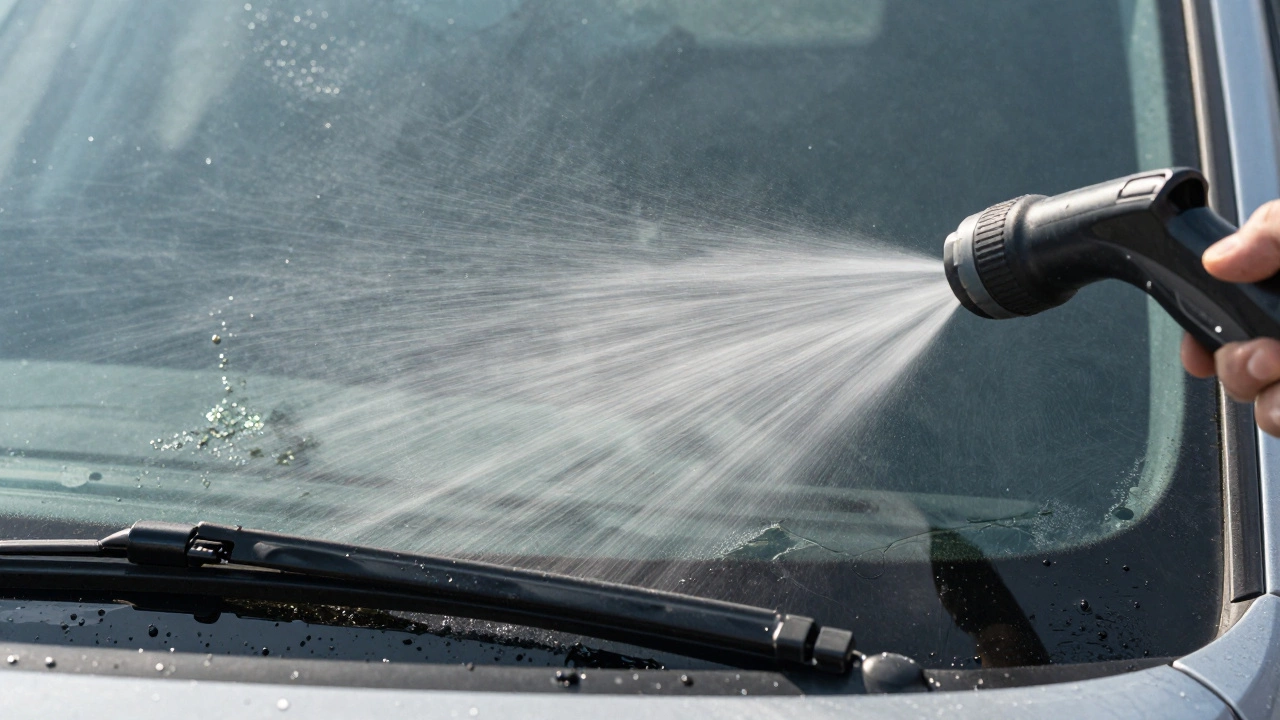
While DIY solutions work well in specific scenarios, they cannot fully replace high-quality commercial washer fluid for year-round use. Here is a breakdown of why professionals recommend sticking to branded products like Rain-X or Sonax for daily driving.
| Feature | Commercial Fluid | Vinegar & Water | Dish Soap & Water | Plain Tap Water |
|---|---|---|---|---|
| Cleaning Power | High (Solvents + Surfactants) | Medium (Acidic) | High (Grease Cutting) | Low |
| Freeze Protection | Yes (-20°C to -40°C) | No | No (unless alcohol added) | No |
| Safety for Seals | Safe | Safe | Risky if too concentrated | Safe |
| Cost | Higher | Very Low | Low | Free |
| Best For | All Seasons | Summer Only | Bug Removal | Emergencies Only |
Commercial fluids are engineered with specific pH levels to protect rubber and plastics. They include lubricants that reduce squeaking between the wiper blade and the glass. They also contain UV inhibitors to prevent the fluid itself from degrading in the sun. DIY mixes lack these refinements. If you live in a region with harsh winters, relying on homemade solutions is a gamble you should not take. Frozen washer lines are a common roadside breakdown cause in January and February.
How to Maintain Your Washer System
Regardless of which fluid you use, maintaining the health of your washer system ensures reliability. Over time, debris accumulates in the reservoir and nozzles. Here are simple steps to keep everything running smoothly.
- Check nozzle alignment: If your spray is hitting the roof instead of the glass, use a pin to gently adjust the direction of the nozzles. They are usually flexible plastic tubes.
- Flush old fluid: If you switch from a dirty, sludge-filled reservoir to fresh fluid, consider flushing the system first. Run the wipers until the tank is empty, then refill with clean water and run again to clear out sediment.
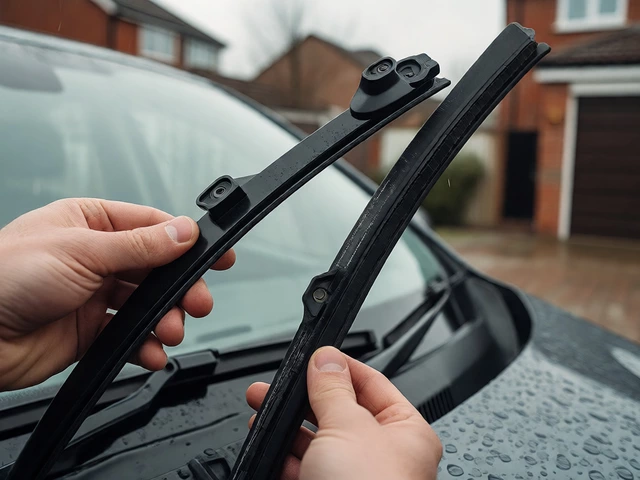
- Inspect wiper blades: Even the best fluid cannot compensate for cracked or hardened rubber blades. Replace them every six to twelve months, or sooner if you notice streaking.
- Winterize: Before the first frost, drain any remaining water-based mixtures and fill up with rated winter-grade fluid. Running dry in freezing temps is the fastest way to kill your pump.
By understanding what goes into your reservoir, you take control of your safety on the road. You don't need to be a mechanic to know that clear visibility is non-negotiable. Whether you are mixing vinegar in your garage or grabbing a bottle at the supermarket, the goal remains the same: a clean windshield and a safe drive home.
Can I use white vinegar in my windshield washer fluid all year round?
No, you should not use vinegar in winter. Vinegar has a freezing point similar to water, meaning it will freeze in sub-zero temperatures. This can crack your reservoir or damage the pump. Reserve vinegar mixtures for spring, summer, and early autumn when freezing is not a concern.
Is it safe to use dish soap in my car's washer fluid?
Yes, but only in very small amounts. A teaspoon per gallon of water is sufficient. Using too much dish soap creates excessive suds that can block your spray nozzles and temporarily blind you while driving. Also, ensure you use a mild, non-abrasive soap to avoid damaging rubber seals over time.
Will using tap water damage my car?
Occasional use of tap water in an emergency will not immediately damage your car. However, long-term use can lead to mineral buildup in the spray nozzles, causing clogs. In cold climates, tap water will freeze and potentially crack the plastic reservoir or destroy the electric pump. Always switch back to proper fluid as soon as possible.
Can I use Windex or household glass cleaner in my washer reservoir?
It is strongly advised against. Most household glass cleaners contain ammonia, which can strip wax from your car's paint and degrade the rubber components of your wiper blades and seals. The fumes can also be irritating to your eyes and respiratory system inside the vehicle.
How do I unfreeze my windshield washer fluid?
If your fluid has frozen, do not try to force the pump by repeatedly pressing the button, as this can burn out the motor. Park your car in a heated garage or a sunny spot to let the ice thaw naturally. Once thawed, drain the reservoir completely and refill it with winter-rated washer fluid to prevent refreezing.