US vs UK Car Terminology Quiz
Test your knowledge of automotive vocabulary differences between American and British English.
Loading question...
Quiz Complete!
You scored 0 out of 5
Keep practicing to master the lingo.
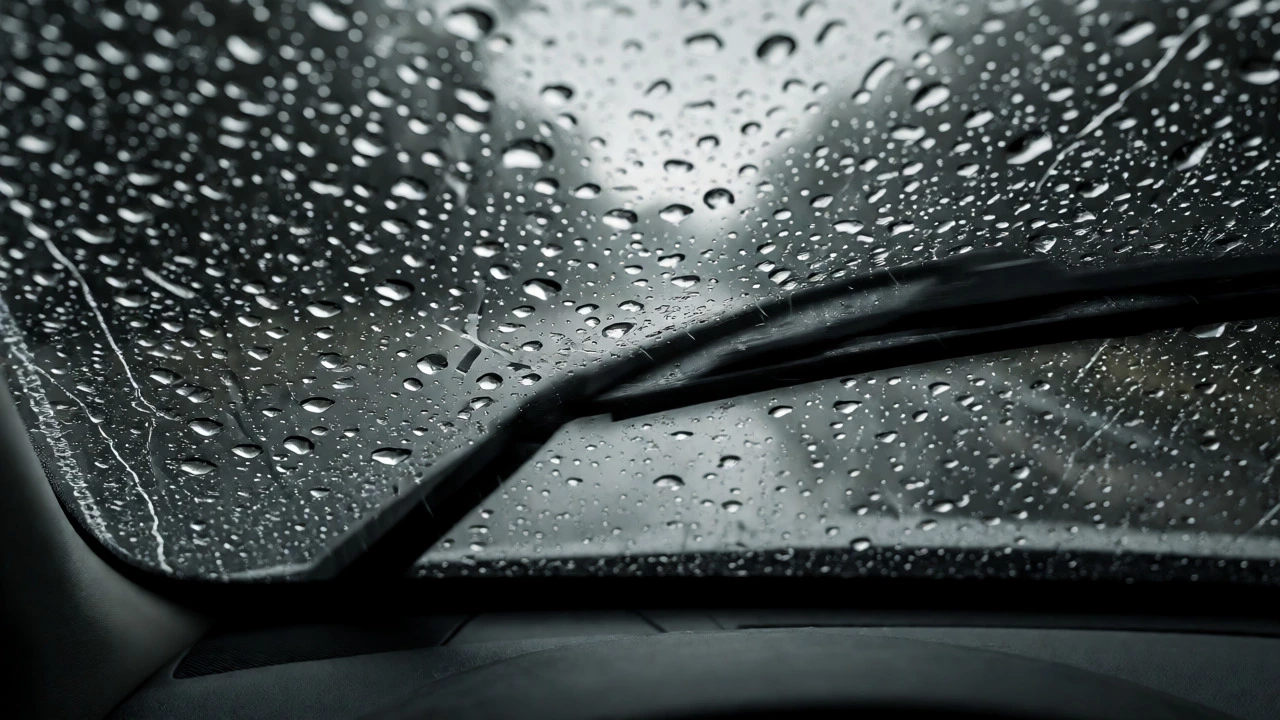
You’re driving a rental car in Texas, it starts to rain, and you reach for the stalk to clear your view. You think, "Where are the windscreen wipers?" Then it hits you: Americans don’t say that. They call them windshield wipers is the standard term used across the United States for the device that clears rain from the front glass of a vehicle. It’s not just a quirk; it’s a fundamental difference in how two major English-speaking cultures name everyday objects. If you’ve ever felt confused by this linguistic gap, you’re not alone. This article breaks down exactly what they are called, why the names differ, and how to navigate car shopping or repairs when crossing the Atlantic.
The Core Difference: Screen vs Shield
In the United Kingdom, Australia, and most Commonwealth countries, the front glass of a car is referred to as a "windscreen." Consequently, the rubber blades that sweep across it are "windscreen wipers." In America, the same piece of glass is universally known as a "windshield." Therefore, the cleaning mechanism attached to it becomes a "windshield wiper." The logic behind the naming is surprisingly practical once you look at the history. Early automotive glass was designed primarily to shield the driver from wind, debris, and insects rather than to protect against impact in the modern safety sense. Hence, "shield" made sense to early 20th-century American engineers and marketers. "Screen," on the other hand, implies a mesh or barrier that allows visibility while blocking elements, which aligns more with the British perspective of the glass as a transparent barrier.
This isn't just about semantics; it affects how you search for parts online. If you type "windscreen wipers" into an American auto parts site like AutoZone or O'Reilly Auto Parts, you might get zero results or be redirected to a generic page. Conversely, using "windshield wipers" in the UK will still work because global e-commerce platforms have learned to map these synonyms, but local brick-and-mortar shops might look at you strangely. Understanding this distinction saves time and prevents awkward interactions with mechanics.
Why Do We Have Two Names?
The divergence stems from different eras of industrial development and marketing strategies. Mary Anderson patented the first manual windshield wiper in 1903 in the United States. Her invention was marketed as a "window cleaning device" for electric cars, quickly evolving into the "windshield wiper" as the industry standardized. By the time this technology crossed the ocean to Britain, the term had already solidified in American culture. British manufacturers, however, often adopted terms that described the function more literally or aligned with existing nautical and architectural language where "screen" was common for protective barriers.
Another factor is the evolution of glass technology itself. Modern windshields are laminated safety glass, designed to stay together upon impact. While this reinforces the "shield" concept (protection), the term "windscreen" persisted in the UK due to linguistic inertia and the influence of European languages, many of which use words closer to "screen" (e.g., French: pare-brise, which means "breaks the wind," but German: Windschutzscheibe, which translates to "wind protection pane/screen"). Language rarely changes unless forced by necessity, and since both terms clearly communicate the object's purpose within their respective regions, neither side has any incentive to switch.
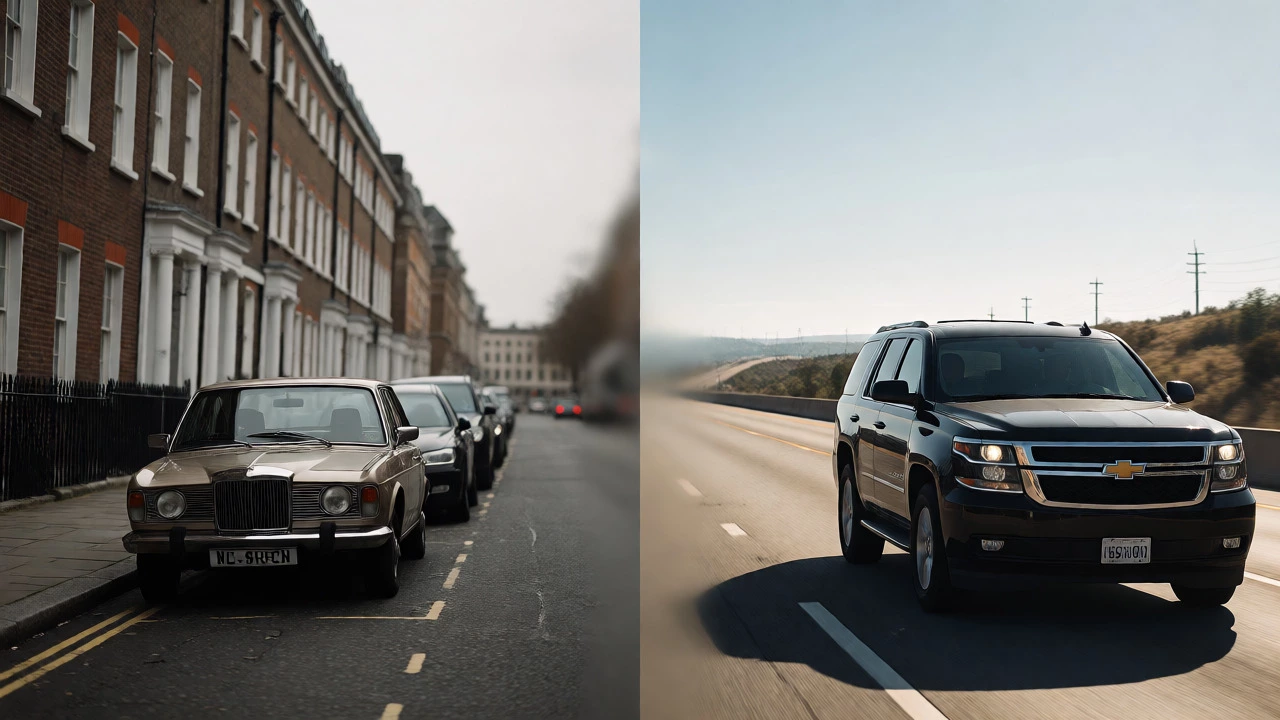
Other Car Terms That Change Across the Pond
If you find the wiper terminology confusing, wait until you hear about the rest of the car. The differences between American and British automotive vocabulary are extensive and can lead to genuine misunderstandings during repairs or rentals. Here is a quick breakdown of common components:
| Component | American Term | British Term |
|---|---|---|
| Front Glass | Windshield | Windscreen |
| Cleaning Blades | Wipers | Wipers |
| Trunk | Trunk | Boot |
| Hood | Hood | Bonnet |
| Rear Lights | Taillights | Rear Lamps |
| Fuel Station | Gas Station | Petrol Station |
| Throttle Pedal | Gas Pedal | Accelerator |
Notice that while the noun changes (windshield vs windscreen), the verb/noun for the action (wipers) remains largely the same. This is helpful. However, if you ask for "boot liners" in America, you’ll get shoe inserts, not trunk mats. Always clarify the location of the part you need.
Buying Wipers in America: What to Look For
If you are traveling to the US or buying parts for an American-spec car, knowing the term "windshield wipers" is step one. Step two is understanding the sizing and connection types, which also vary slightly by market preference. American cars predominantly use hook-style arms (J-hook), whereas many European cars use specific bayonet or push-button connectors. When searching online, ensure you filter by your vehicle’s year, make, and model rather than just the generic term.
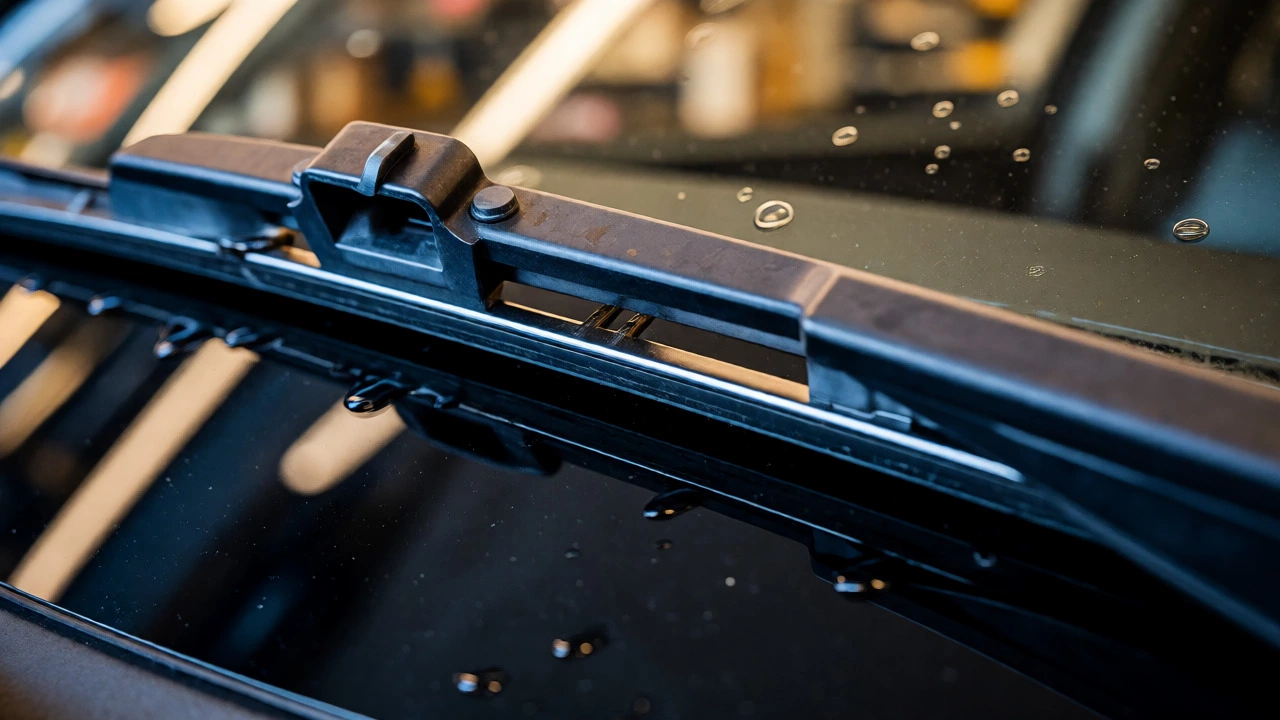
Brands like Bosch, Rain-X, and Michelin dominate the US market. If you see "beam style" wipers, these are frameless designs that offer even pressure distribution-popular in the US for their sleek look and performance in snow. Traditional bracket-style wipers are still common but less favored for heavy winter weather. Remember, in states like Minnesota or Colorado, drivers often buy dedicated "winter wipers" with rubber enclosures to prevent ice buildup. These are sometimes labeled as "ice-resistant windshield wipers."
Legal Requirements and Safety Standards
Regardless of what you call them, functional wipers are legally required in all 50 US states. The Federal Motor Vehicle Safety Standard (FMVSS) No. 104 sets the minimum requirements for visibility. Unlike the UK, where MOT tests strictly check for chattering or worn blades, US inspections vary by state. Some states require annual safety inspections; others do not. However, law enforcement can pull you over if your wipers fail during rain, citing obstructed view.
A common pitfall for visitors is assuming all wipers are universal. They aren’t. American regulations allow for different aerodynamic profiles and noise levels compared to ECE (European) standards. If you bring a set of high-performance UK wipers to the US, they might fit physically but could violate local noise ordinances or lack the specific DOT certification markings found on domestic products. It’s usually cheaper and easier to buy locally.
Maintenance Tips for Long-Lasting Blades
Whether you call them windscreens or windshields, keeping them clean extends their life. Rubber degrades under UV exposure and ozone. Park in the shade when possible. Clean the rubber edge monthly with rubbing alcohol to remove road grime and oil residue, which causes streaking. Never operate dry wipers on a dusty windshield; this scrapes the glass and tears the rubber. Use washer fluid specifically designed for your climate-standard blue fluid freezes in winter, requiring antifreeze-rated versions.
Replace them every six months to a year. In harsh climates like Arizona (intense sun) or Seattle (constant rain), replace them sooner. Don’t wait for them to chatter; by then, you’ve likely scratched your glass.
Is it wrong to say windscreen wipers in America?
No, it’s not grammatically wrong, but it’s regionally incorrect. Most Americans will understand you mean windshield wipers, especially in tourist areas or international airports. However, locals might perceive it as a foreign accent or clue that you’re not from the area. Using the correct local term helps build rapport with mechanics and service staff.
Do American cars use different wiper sizes?
Yes, sizes vary significantly by make and model, regardless of country. However, American manufacturers (Ford, GM, Chrysler) tend to use larger asymmetric blade lengths compared to some compact European models. Always check your owner’s manual or measure the old blade before buying replacements.
What is a "wiper motor" called in the US?
It is also called a wiper motor. The component name doesn’t change. Only the assembly it operates (the wipers) and the surface it cleans (the windshield) have different names. If you need to replace the electric motor that drives the linkage, asking for a "windshield wiper motor" is the correct phrasing.
Are there special wipers for snow in America?
Yes, they are widely available and popular in northern states. Known as "winter wipers" or "snow wipers," these feature a full rubber boot that covers the entire arm and blade structure, preventing ice from jamming the moving parts. Brands like Anco and Trico specialize in these for the US market.
Can I use UK wipers on an American car?
Physically, yes, if the connector type matches (usually J-hook). Functionally, it depends on the length and curvature. UK wipers are often designed for smaller, steeper windscreens. On a large American SUV, they might not cover enough area. Check the millimeter length specification before installing.