Magnaflow vs Flowmaster Exhaust Selector
Use this tool to determine which exhaust system best fits your vehicle and driving preferences based on the comparison data.
There is nothing quite like the sound of a well-tuned engine. It turns a daily commute into an experience and makes every start-up feel purposeful. But when you stand in the aisle of an auto parts store or scroll through online catalogs, two names dominate the conversation: Magnaflow and Flowmaster. Both are giants in the aftermarket exhaust world, both promise better sound and performance, and both have loyal fans who swear by their specific engineering philosophy. So, which one actually deserves a spot under your vehicle?
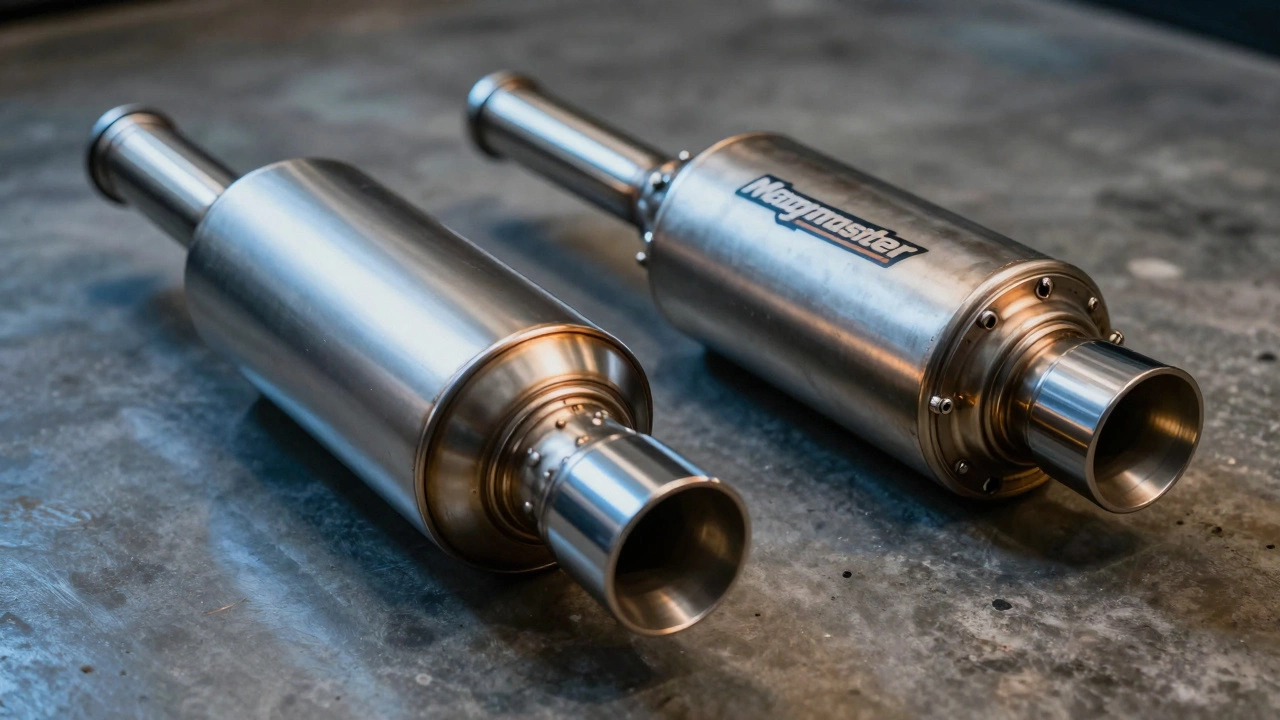
The short answer is that it depends on what you value more: raw horsepower gains or a deep, aggressive tone. Magnaflow is known for its high-flow catalytic converters and smooth, refined exhaust notes, making it ideal for drivers seeking efficiency and subtle power bumps. On the other hand, Flowmaster uses unique chambered muffler technology to create a loud, muscular rumble without excessive drone, appealing to those who want their car to be heard. Let’s break down exactly how these two brands differ in design, sound, performance, and durability so you can make a choice that fits your driving style.
Understanding the Core Technology
To understand why these exhausts sound and perform differently, you have to look at how they handle exhaust gases. It isn’t just about pipe diameter; it’s about how the internal components manage pressure waves.
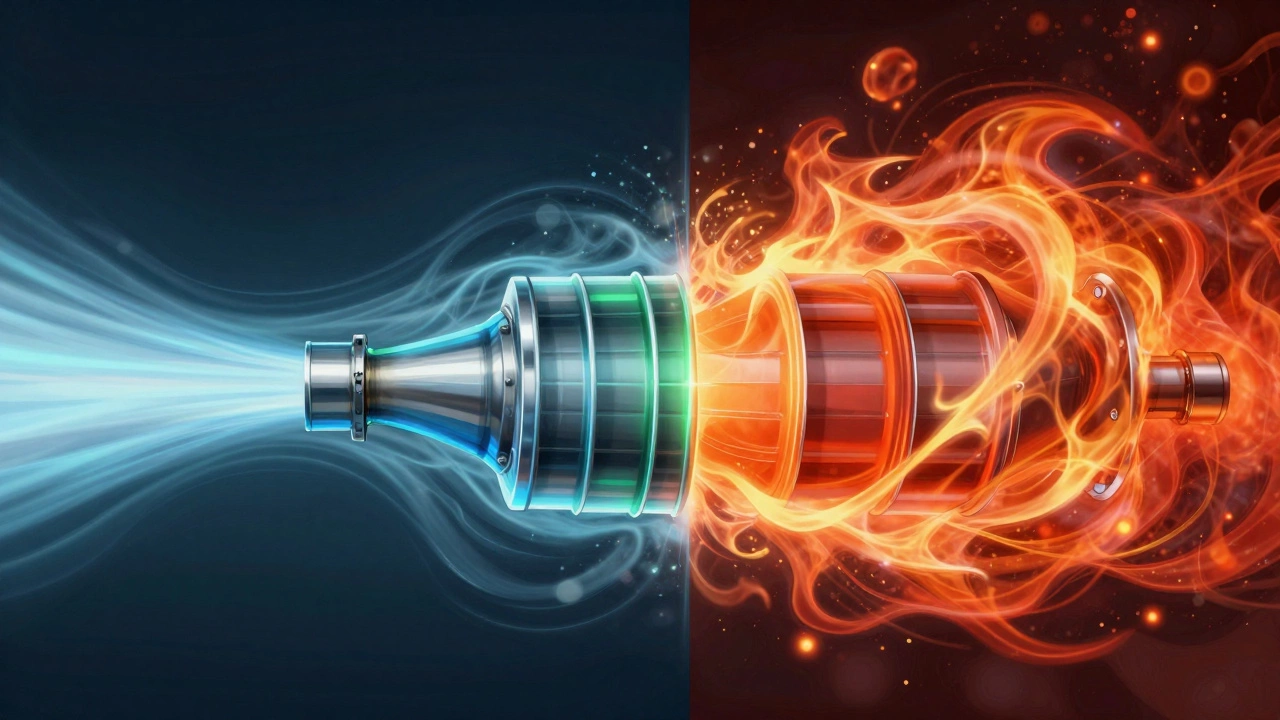
Magnaflow relies on turbine-style flow technology. Imagine water flowing around a rock in a stream rather than crashing directly into it. Magnaflow’s internal baffles are designed to let exhaust gases swirl smoothly through the muffler. This reduces backpressure significantly because the gas isn’t fighting against flat surfaces. The result is a system that breathes easily, which helps the engine expel waste gases more efficiently. This approach prioritizes flow dynamics over acoustic manipulation.
Flowmaster, however, employs chambered turbo technology. Instead of open flow, Flowmaster directs exhaust pulses into separate chambers within the muffler. These chambers reflect sound waves back upon themselves to cancel out harsh frequencies while amplifying the lower tones you want to hear. Think of it like an echo chamber tuned specifically for bass. This design allows Flowmaster to create a much louder, more distinct note compared to Magnaflow’s smoother output, even if it means slightly more restriction in the path of the gas.
Sound Profile: Smooth vs. Aggressive
Sound is subjective, but the difference between these two brands is objective and measurable. If you are sensitive to noise or drive a family sedan, this section will likely decide your purchase.
Magnaflow produces a clean, deep tone. It is noticeable when you step on the gas, providing a sporty growl that doesn’t overwhelm the cabin. At cruising speeds, it remains relatively quiet. Many owners describe it as "refined" or "factory-plus." It sounds like a car that has been professionally tuned rather than modified by someone with a leaf blower. This makes it a popular choice for daily drivers who want a hint of aggression without annoying neighbors or triggering noise complaints.
Flowmaster delivers a classic American muscle car rumble. It is deeper, louder, and has more character. The low-end thrum is prominent even at idle, and acceleration brings a throaty roar. However, this comes with a caveat: some Flowmaster setups can introduce "drone" at highway speeds. Drone is that constant humming vibration that builds up inside the cabin at 55-65 mph, which can be fatiguing on long trips. While newer models have improved this, the potential for resonance is higher with Flowmaster’s chambered design than with Magnaflow’s free-flowing turbine approach.
| Feature | Magnaflow | Flowmaster |
|---|---|---|
| Tone Quality | Clean, smooth, refined | Deep, aggressive, rumbling |
| Volume Level | Moderate (Sporty) | Loud (Muscular) |
| Cabin Noise | Low drone risk | Potential for highway drone |
| Best For | Daily drivers, sedans, trucks | Performance cars, muscle cars, off-roaders |
Performance Gains: Horsepower and Efficiency
While most people buy aftermarket exhausts for the sound, many also hope for a boost in horsepower. Do these systems deliver? Yes, but the magnitude varies based on your engine size and existing restrictions.
Magnaflow excels in reducing backpressure. By allowing exhaust gases to exit faster, the engine doesn’t have to work as hard to push them out. This improves volumetric efficiency, meaning the engine can take in more air and fuel for combustion. In real-world dyno tests, Magnaflow systems often show modest gains of 3-8 horsepower on naturally aspirated engines. The bigger benefit here is throttle response. You will notice the car feels snappier, especially in the mid-range RPMs where most daily driving occurs.
Flowmaster also reduces backpressure compared to stock exhausts, but its primary focus is acoustic tuning. Because the chambered design creates more internal turbulence, it may restrict flow slightly more than Magnaflow’s open turbine design. However, modern Flowmaster systems still offer significant improvements over factory equipment. Expect similar horsepower gains (3-7 HP), but the perceived performance increase might feel less pronounced because the auditory feedback is so dominant. For large-displacement V8s, the difference in flow restriction is negligible, and both brands will provide adequate breathing.
Build Quality and Durability
An exhaust system lives in a harsh environment. It faces extreme heat, road salt, gravel impacts, and moisture. How do these two hold up over time?
Both Magnaflow and Flowmaster use stainless steel in their premium lines, typically 409 or 304 grade. Magnaflow’s stainless steel construction is known for its resistance to corrosion, particularly in coastal areas like Manchester where salt air accelerates rust. Their welds are generally tight, and the hangers are robust. A common issue reported by users is not failure of the metal itself, but wear on the rubber isolators over several years.
Flowmaster matches this durability closely. Their stainless steel options are equally resistant to rust. However, Flowmaster’s heavier gauge steel in some performance models adds weight, which can be a minor downside for lightweight sports cars. The main durability concern with any aftermarket exhaust is fitment. If the pipes don’t align perfectly during installation, stress points can develop, leading to cracks or broken welds. Both brands have improved their manufacturing tolerances, but professional installation is always recommended to ensure longevity.
Price and Value Proposition
Budget plays a huge role in automotive upgrades. Are you getting what you pay for?
Magnaflow tends to sit in the mid-to-high price range. You are paying for advanced flow technology and often more comprehensive kits that include headers or cat-back systems. For a complete cat-back system, expect to spend between £300 and £800 depending on the vehicle. The value lies in the balance of performance and ease of installation. Many Magnaflow kits are designed to bolt on with minimal modification, saving you labor costs.
Flowmaster offers a wider range of price points. They have entry-level aluminized steel options that are cheaper but prone to rust, as well as premium stainless steel versions. Generally, Flowmaster systems are competitively priced, often coming in slightly lower than comparable Magnaflow kits. For budget-conscious enthusiasts who prioritize sound over peak airflow, Flowmaster provides excellent value. You get a dramatic change in character for a reasonable investment.
Installation and Fitment
How easy is it to put these systems on your own driveway?
Magnaflow is renowned for its "bolt-on" simplicity. Most of their kits are engineered to replace the entire exhaust from the catalytic converter back without requiring cutting or welding. This makes them accessible for DIY mechanics with basic tools. The instructions are clear, and the hardware included is usually sufficient.
Flowmaster also aims for bolt-on fitment, but due to the complex shape of their chambered mufflers, some kits may require minor adjustments or trimming of existing brackets. While still manageable for a skilled amateur, there is a slightly higher chance of encountering fitment quirks compared to Magnaflow’s streamlined designs. Always check customer reviews for your specific vehicle model before purchasing to see if others reported alignment issues.
Which One Should You Choose?
Choosing between Magnaflow and Flowmaster ultimately comes down to your priorities. Here is a quick decision guide:
- Choose Magnaflow if: You want a subtle improvement in sound, maximum reduction in backpressure, and a quiet ride. It is perfect for daily commuters, luxury sedans, and trucks used for hauling where cabin comfort matters.
- Choose Flowmaster if: You crave a loud, aggressive exhaust note and don’t mind occasional drone. It is ideal for muscle cars, off-road vehicles, and performance enthusiasts who want their car to project authority.
Neither brand is objectively "better" in every category. Magnaflow wins on flow and refinement. Flowmaster wins on character and volume. Consider your driving habits, local noise ordinances, and whether you plan to keep the car for resale. A too-loud exhaust can deter buyers, while a refined one adds appeal.
Is Magnaflow worth the extra cost?
If you prioritize smooth airflow and a refined sound, yes. Magnaflow’s turbine technology offers better backpressure reduction, which can improve throttle response and fuel efficiency slightly. For daily drivers who want performance without noise pollution, the investment pays off in quality and driving experience.
Does Flowmaster cause engine damage?
No, Flowmaster does not cause engine damage. Like all aftermarket exhausts, it changes backpressure, but within safe limits. In fact, reducing restrictive stock exhaust can help the engine run cooler and more efficiently. Just ensure you choose the correct system for your engine type to avoid excessive drone or resonance.
Which exhaust is quieter: Magnaflow or Flowmaster?
Magnaflow is generally quieter. Its design focuses on smoothing out exhaust pulses, resulting in a cleaner, less intrusive tone. Flowmaster is designed to be louder and more aggressive, which can lead to higher decibel levels and potential cabin drone at highway speeds.
Can I install these exhausts myself?
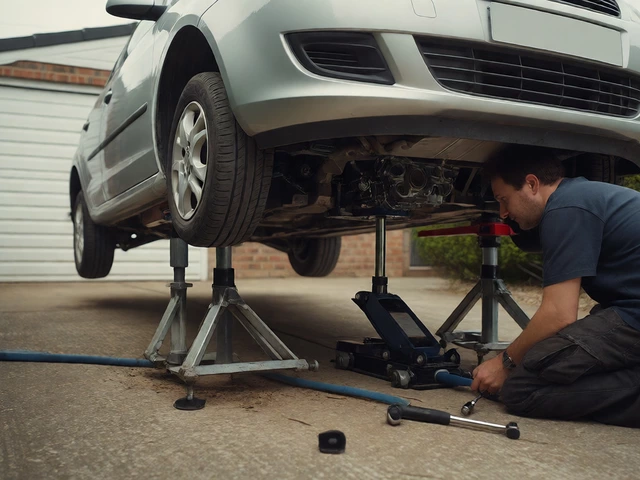
Yes, both brands offer bolt-on kits designed for DIY installation. You will need basic tools like wrenches, sockets, and jack stands. Magnaflow kits are often easier to install due to simpler geometry, but Flowmaster is also manageable for experienced hobbyists. Always follow the manufacturer’s instructions carefully.
Will an aftermarket exhaust void my warranty?
In many regions, including the UK and US, manufacturers cannot void your entire warranty just because you installed an aftermarket exhaust. However, if the exhaust causes engine damage (e.g., due to incorrect tuning or sensors), they may deny claims related to that specific issue. Check your local consumer protection laws and vehicle warranty terms before proceeding.