Wiper Installation: How to Replace Windshield Wipers Correctly
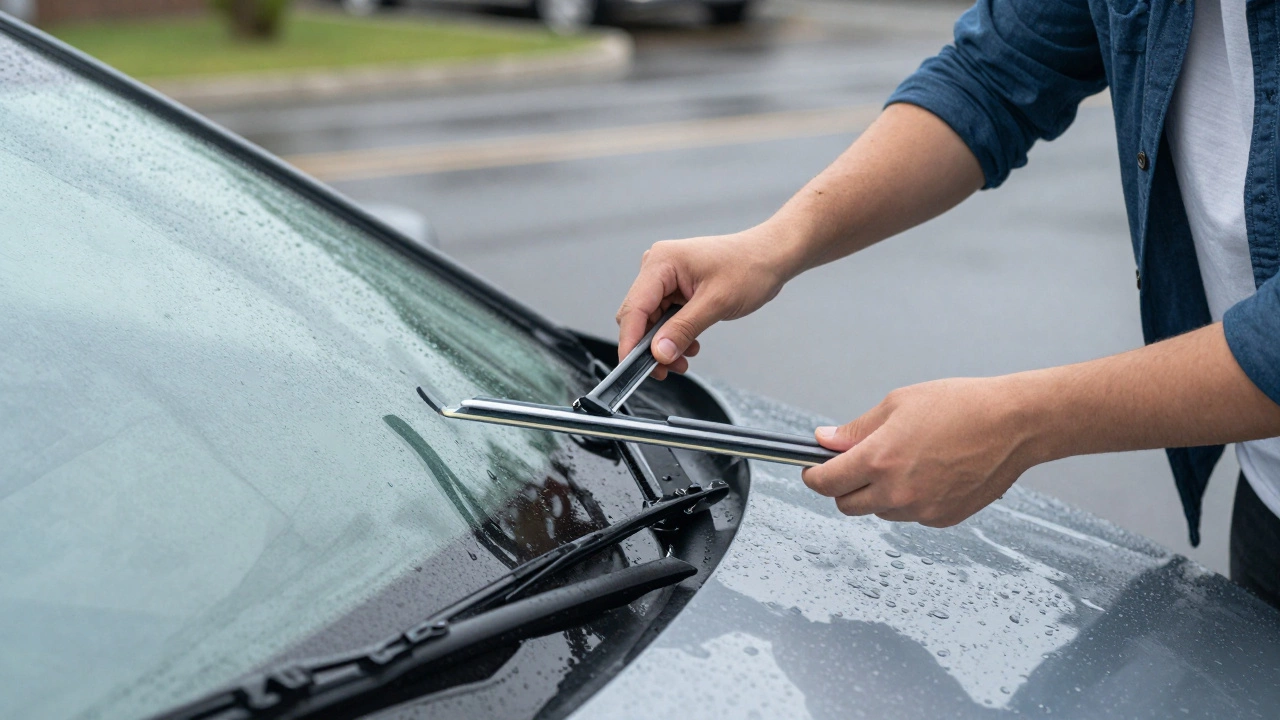
When it comes to wiper installation, the process of swapping out worn windshield wiper blades to restore clear visibility. Also known as windscreen wiper replacement, it’s one of the simplest car maintenance tasks that most drivers ignore until it’s too late. Rain, snow, dust, and sun don’t care if your wipers are old—they’ll still smash against your glass, leaving streaks, smears, and blind spots. A bad wiper doesn’t just annoy you—it puts you and others at risk. And no, you don’t need a mechanic to fix it. You just need the right blades and five minutes.
Many people think one wiper blade is enough to replace, but that’s a mistake. windshield wipers, the rubber strips that sweep water off your windshield wear down evenly. If one is cracked or squeaking, the other isn’t far behind. Replacing them as a pair ensures even pressure, smooth motion, and full coverage. You also need to match the wiper blade fit, the specific size and connector type your car requires. Not all wipers fit all cars. A 22-inch blade for a Ford Focus won’t work on a Honda Civic that needs 18 inches. Check your manual or look up your model online—getting the wrong size means poor performance or even damage to your windshield.
There’s more to wiper installation than just snapping in new blades. The frame, the arm tension, and even the angle matter. If the arm is bent or the spring is weak, even the best blade won’t clean properly. Before you buy, inspect your existing arms for rust or warping. And don’t forget to clean the windshield first. Dirt and grime left on the glass will scratch the new rubber on day one. A quick wipe with vinegar or glass cleaner makes a huge difference.
Wiper blades aren’t just about rain. In winter, ice and salt eat them up fast. In summer, UV rays make the rubber brittle. Most manufacturers say replace them every 6 to 12 months, but if you see streaking, chattering, or missed patches, don’t wait. That’s your signal. And if you’re unsure whether your blades are the problem, look for these signs: a single streak across the whole windshield, a squeak that sounds like nails on a chalkboard, or blades that lift off the glass at high speed. These aren’t minor issues—they’re safety hazards.
Below, you’ll find real-world advice from drivers and mechanics who’ve been there. We’ve pulled together posts that answer the most common questions: Do you need two wipers? Can you use any brand? What’s the right size for your car? How do you know when it’s time? These aren’t theory pieces—they’re practical, no-fluff guides based on actual experiences. Whether you’re a beginner or someone who’s replaced a dozen sets, you’ll find something that saves you time, money, and stress.