Spark Plug Replacement Estimator
Most drivers don’t think about spark plugs until their car sputters, misfires, or refuses to start. But spark plugs are one of the most critical parts in your engine-they ignite the fuel-air mixture that makes your car move. So how long do they actually last? The answer isn’t simple. It depends on the type, your driving habits, and even the quality of fuel you use.
Standard Spark Plugs Last 20,000 to 30,000 Miles
If your car came with standard copper spark plugs, you’re looking at about 20,000 to 30,000 miles before they need replacing. These are the most basic type, often found in older vehicles or budget models. They’re cheaper to buy, but they wear out faster because copper doesn’t handle high heat or electrical stress as well as other materials. In city driving with lots of short trips, they might need replacing closer to 20,000 miles. Why? Short trips don’t let the engine reach full operating temperature, so carbon builds up on the electrodes instead of burning off.
Platinum and Double Platinum Spark Plugs Last 60,000 to 100,000 Miles
Platinum spark plugs are a big step up. The platinum tip resists erosion better than copper, so they last longer and maintain a stronger spark over time. Most cars made after 2000 use platinum plugs as standard. Double platinum versions, with platinum on both the center and ground electrodes, can push that lifespan to 100,000 miles under ideal conditions. That means many drivers never replace them until they sell the car. But don’t assume they’ll last forever. If you’re regularly towing, driving in stop-and-go traffic, or using low-quality fuel, they can degrade faster. A misfire at 70,000 miles isn’t uncommon in these cases.
Iridium Spark Plugs Can Last Over 100,000 Miles
Iridium is the gold standard for spark plug longevity. These plugs have an ultra-fine iridium center electrode, which allows for a smaller, more precise spark. They’re more expensive upfront-sometimes three to five times the cost of copper plugs-but they’re designed to last 120,000 miles or more. Many modern vehicles from Toyota, Honda, Ford, and BMW come with iridium plugs installed from the factory. In real-world use, drivers in the UK report consistent performance even after 130,000 miles. However, if your engine burns oil or runs rich (too much fuel), even iridium plugs can foul up sooner. That’s why regular maintenance matters more than just mileage.
What Really Shortens Spark Plug Life?
It’s not just mileage. Several factors can kill spark plugs long before their rated lifespan:
- Oil leaks into the combustion chamber coat the electrodes in carbon, causing misfires. This often happens with worn valve seals or piston rings.
- Rich fuel mixtures from a faulty fuel injector or bad oxygen sensor leave soot on the plug. You’ll see black, dry soot instead of a light tan or grey color.
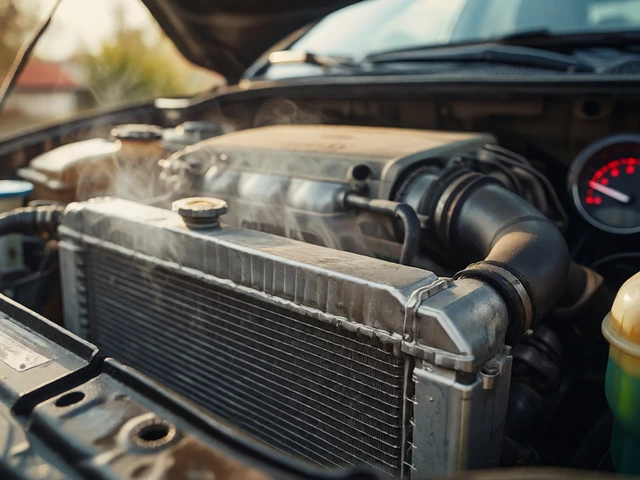
- Overheating from incorrect timing, a clogged radiator, or running low on coolant can melt the electrode tips.
- Wrong plug heat range for your engine can cause pre-ignition or fouling. Always match the manufacturer’s spec.
- Low-quality fuel with too many additives or contaminants can accelerate wear.
One driver in Manchester replaced his iridium plugs at 85,000 miles because his car started hesitating on cold starts. A mechanic found his PCV valve was stuck open, letting oil into the intake. The plugs weren’t worn-they were drowned in oil. Replacing the valve and the plugs fixed it.
How to Tell If Your Spark Plugs Need Replacing
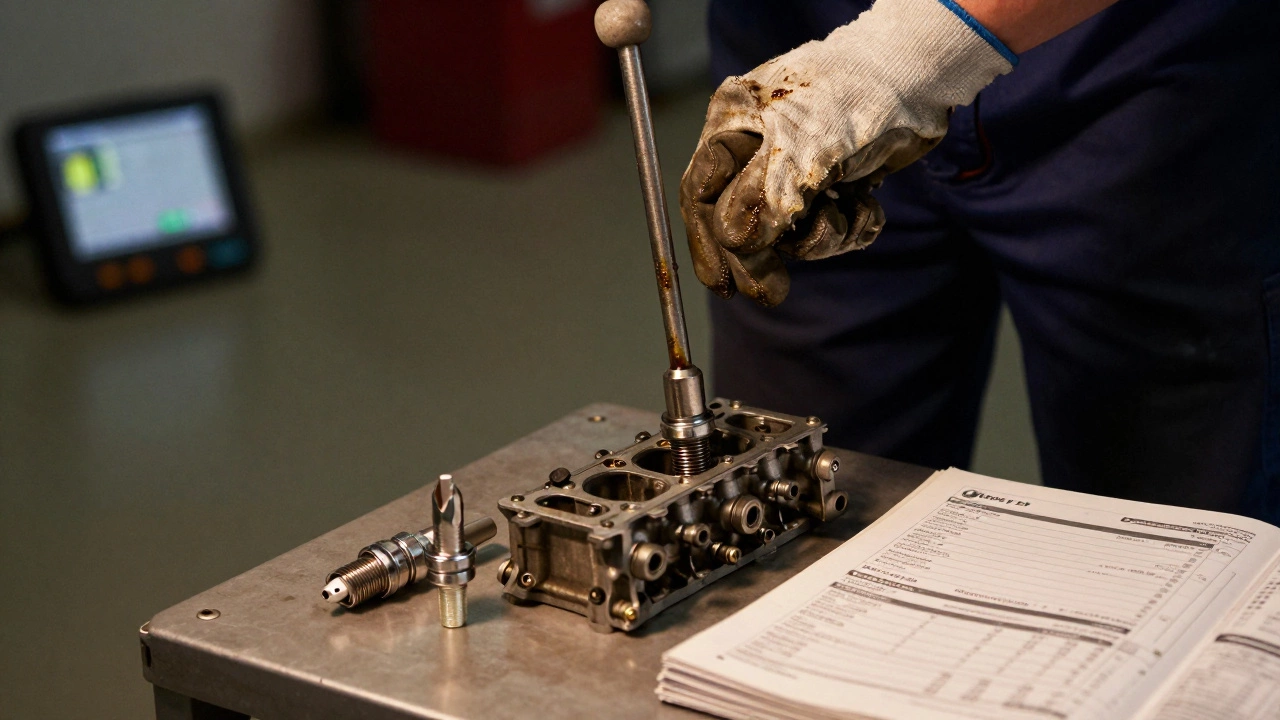
You don’t need a diagnostic tool to spot failing spark plugs. Here are the most common signs:
- Engine misfires-especially when accelerating or idling. You’ll feel a jerking or stumbling sensation.
- Hard starting, especially in cold weather. The spark isn’t strong enough to ignite the mixture reliably.
- Reduced fuel economy. A weak spark means incomplete combustion. You might see a 5-10% drop in MPG.
- Check Engine Light with codes like P0300 (random misfire) or P0301-P0308 (cylinder-specific misfires).
- Sluggish acceleration. The engine feels weaker than usual, even with a full tank.
Some people wait for the Check Engine Light to come on. But by then, the damage is already done. Misfires can hurt your catalytic converter, which costs hundreds or even thousands to replace.
When to Replace Spark Plugs: The Smart Approach
Don’t just go by the clock. Follow this simple rule: replace spark plugs at the interval your owner’s manual recommends, or sooner if you see symptoms. Most manufacturers list replacement intervals between 30,000 and 100,000 miles, depending on plug type. For example:
- Copper: Every 20,000-30,000 miles
- Platinum: Every 60,000-100,000 miles
- Iridium: Every 100,000-120,000 miles
But if you drive in dusty conditions, haul heavy loads, or live in a place with extreme temperature swings (like Manchester winters), consider replacing them 10,000-15,000 miles earlier. It’s cheaper than dealing with a failed ignition coil or a damaged catalytic converter.
What Happens If You Don’t Replace Them?
Ignoring worn spark plugs doesn’t just make your car run poorly-it can cause expensive secondary damage:
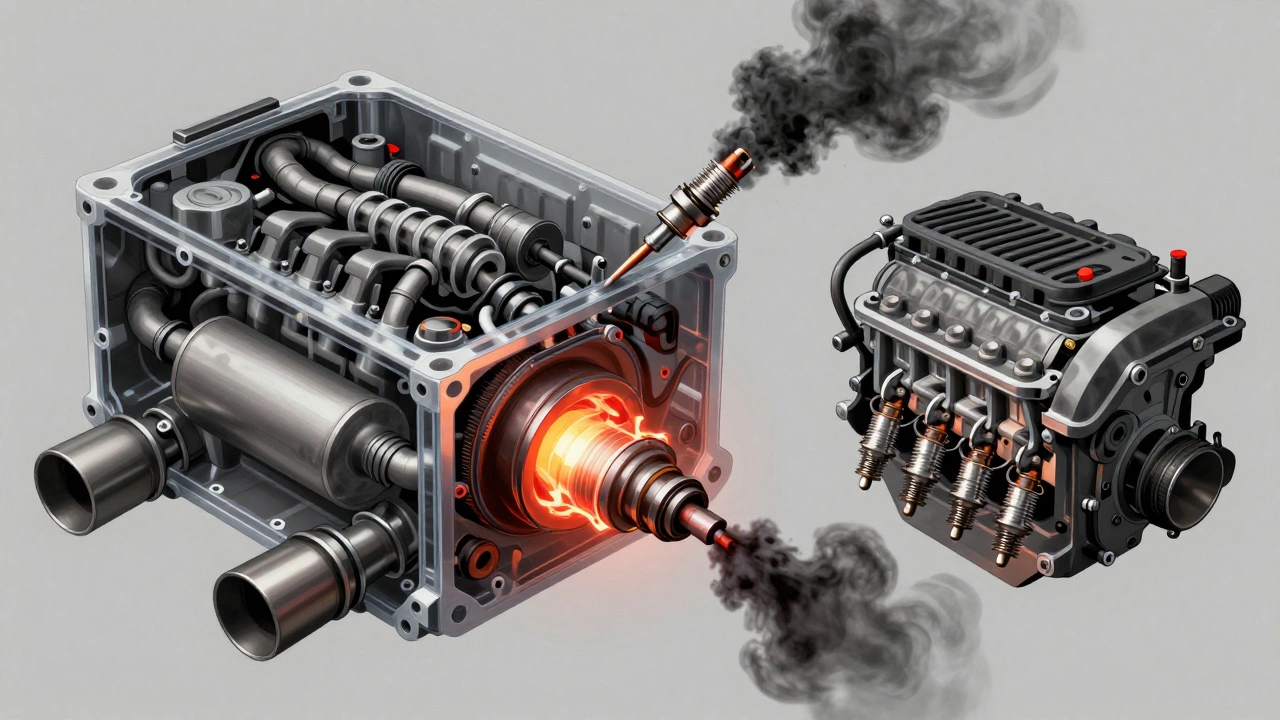
- Catalytic converter failure: Unburned fuel from misfires overheats the converter, melting its internal honeycomb structure. Replacement costs £800-£1,500.
- Ignition coil damage: Coils work harder to fire weak plugs. They can overheat and burn out, adding £150-£300 to your repair bill.
- Engine damage: In rare cases, severe misfires can cause piston or valve damage, especially in high-compression engines.
One mechanic in Salford told me he sees three catalytic converter replacements a week from people who waited too long to change their plugs. It’s avoidable.
Can You Extend Spark Plug Life?
You can’t make them last longer than their design allows, but you can help them perform better for longer:
- Use high-quality fuel with detergent additives to keep injectors clean.
- Get regular oil changes. Dirty oil can lead to carbon buildup.
- Avoid long idling. Letting the engine idle for 20+ minutes at a time encourages fouling.
- Take your car on a 20-30 minute highway drive once a week. This burns off deposits and keeps everything clean.
- Never mix plug types. Always replace all plugs at once with the same brand and model.
Spark Plug Replacement Cost and DIY Tips
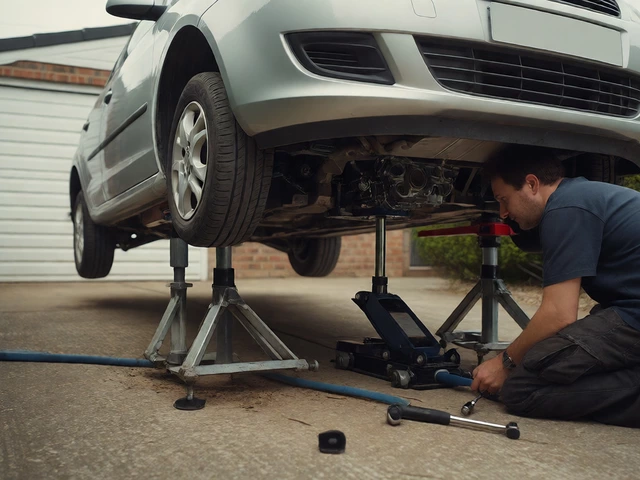
Replacing spark plugs isn’t rocket science, but it’s not always easy. For most cars, the parts cost £20-£80 for a full set, depending on the type. Labor at a garage runs £80-£150. Some engines-like those with rear cylinder banks buried under intake manifolds-can take hours to access. That’s why some people pay more.
If you’re handy, you can do it yourself. Just remember:
- Let the engine cool completely. Hot engines can warp the threads.
- Use a torque wrench. Over-tightening cracks the ceramic insulator. Under-tightening causes leaks.
- Apply anti-seize sparingly on the threads-only if the manufacturer allows it.
- Replace one plug at a time. Don’t remove them all at once; you risk debris falling into the cylinder.
Many people skip the torque wrench and guess. That’s how you end up with broken plugs and expensive repairs.
| Plug Type | Typical Lifespan | Best For | Cost Range (UK) |
|---|---|---|---|
| Copper | 20,000-30,000 miles | Older cars, budget repairs | £10-£20 per plug |
| Platinum | 60,000-100,000 miles | Most modern cars (2000-2015) | £20-£40 per plug |
| Double Platinum | 80,000-120,000 miles | High-mileage engines, smoother idle | £30-£50 per plug |
| Iridium | 100,000-120,000+ miles | Modern performance engines, fuel efficiency | £40-£80 per plug |
Frequently Asked Questions
Can spark plugs last 200,000 miles?
It’s extremely rare. Even iridium plugs are designed for 100,000-120,000 miles. Some drivers claim to have gone beyond 200,000 miles, but those are exceptions. By that point, the electrodes are likely worn down, the gap is too wide, and performance has dropped significantly. You might not notice it until your car struggles to start or burns more fuel. Replacing them at 120,000 miles is a smart investment, not an overkill.
Do I need to replace all spark plugs at once?
Yes. Even if only one plug looks bad, the others are likely close to the same wear level. Mixing old and new plugs causes uneven firing, which leads to misfires and poor engine balance. Always replace the full set with the same brand, type, and heat range.
Can bad spark plugs cause the check engine light to come on?
Absolutely. Misfires from worn or fouled spark plugs trigger codes like P0300 (random misfire) or P0301-P0308 (specific cylinder misfires). These are among the most common reasons the check engine light turns on. If you see one of these codes, check the spark plugs before assuming it’s a fuel or sensor issue.
How do I know what spark plug my car needs?
Check your owner’s manual first. It lists the exact part number, heat range, and gap setting. If you don’t have it, use your VIN on the manufacturer’s website or a trusted auto parts retailer’s lookup tool. Never guess. Using the wrong heat range can cause overheating or fouling.
Is it worth buying expensive iridium plugs for an older car?
Not usually. If your car has 150,000 miles and uses copper plugs, upgrading to iridium won’t give you noticeable benefits. The engine isn’t designed to take full advantage of them. Stick with platinum or even copper if you’re doing a budget repair. Save the iridium for newer, high-performance engines where the precision matters.
Next Steps
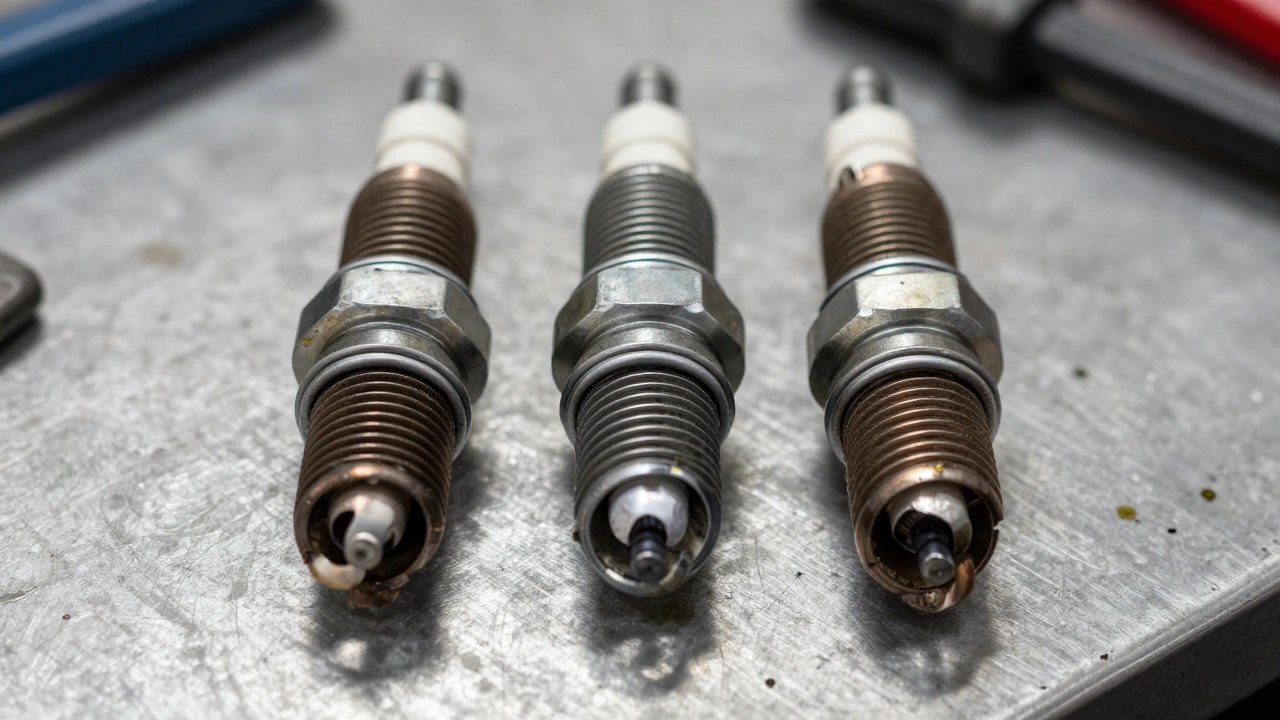
If your car is approaching its manufacturer’s recommended spark plug replacement interval, don’t wait for symptoms. Check your manual, note the plug type, and plan ahead. Keep a record of when you last replaced them. If you’re unsure what kind you have, remove one and compare it to the chart above. Look at the electrode tip-copper is dull, platinum is silvery, iridium is dark and fine.
Replacing spark plugs is one of the most cost-effective maintenance tasks you can do. It’s cheap, simple, and prevents far more expensive problems down the road. Don’t let a £50 part turn into a £1,000 repair.