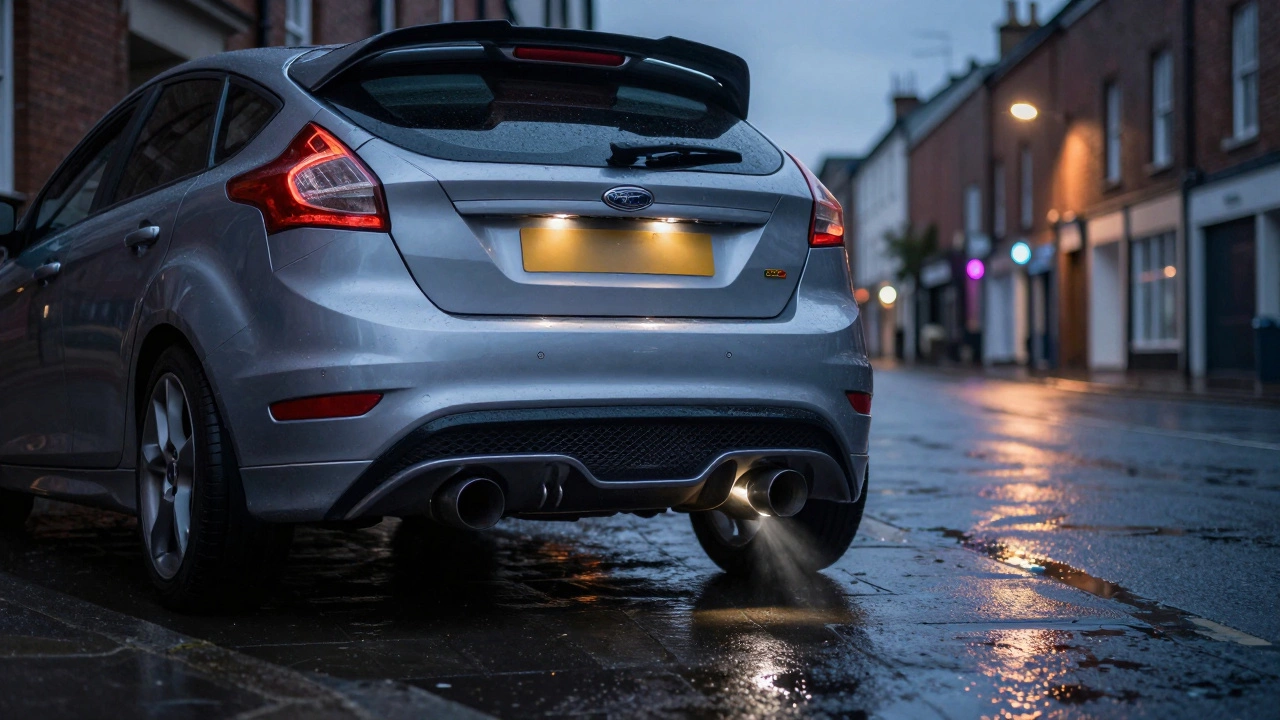
Aftermarket Exhaust Performance Calculator
Calculate Your Potential Gains
Find out how much power your car might gain from an aftermarket exhaust system based on real-world testing data.
Ever heard that deep rumble of a modified car rolling past and thought, ‘I wish mine sounded like that’? Or maybe you’ve seen a post online showing a 15% power gain from a new exhaust and wondered if it’s real-or just marketing hype. Aftermarket exhausts are everywhere: Instagram reels, YouTube build threads, local garages advertising ‘free dyno tuning with purchase’. But here’s the truth most sellers won’t tell you: aftermarket exhausts aren’t a magic upgrade. They can make your car faster, louder, and more fun-or they can just make it noisier, heavier, and more expensive. The real question isn’t whether they’re worth it. It’s whether they’re worth it for you.
What actually changes when you swap your exhaust
Most factory exhausts are designed for one thing: meeting emissions and noise regulations while keeping costs low. They’re packed with baffles, resonators, and catalytic converters that reduce sound and clean up exhaust gases. That’s great for the environment and your neighbour’s sleep, but not so great if you want your car to breathe better. A performance aftermarket exhaust usually removes some of that restriction. Less backpressure means exhaust gases exit faster. That can help the engine pull in more air, which means more fuel can be burned-and more power comes out. But here’s the catch: the gains aren’t huge. On a stock 2.0-litre turbo engine, you might see 5-12 horsepower at the wheels. That’s noticeable if you’re pushing hard on a backroad, but you won’t feel it in normal driving. For naturally aspirated engines, the gains are even smaller-sometimes under 5 hp. The biggest change? Sound. A stainless steel cat-back system with straight-through mufflers will make your car sound like a different vehicle. That’s the main reason most people buy them. But sound is subjective. What sounds aggressive to you might sound like a lawnmower with a bad muffler to someone else. And in the UK, loud exhausts can attract attention from the police. Under the Road Vehicles (Construction and Use) Regulations 1986, any modification that makes your exhaust noisier than the original type approval is illegal. You could be fined £50 or worse-have your vehicle taken off the road.What you’re really paying for
A decent aftermarket exhaust costs between £400 and £1,500. You’re not just paying for the pipes. You’re paying for:- Stainless steel construction (vs. factory mild steel)
- Hand-welded joints (fewer leaks)
- Lighter weight (aluminium or titanium components)
- Improved flow design (larger diameter, smoother bends)
- Brand reputation (Akrapovič, Remus, Milltek)
Does it improve performance? The numbers don’t lie
Let’s look at real-world data. In 2024, a group of UK tuners tested 12 popular models with aftermarket exhausts on a rolling road. Here’s what they found:| Vehicle | Engine Type | Stock HP | Aftermarket HP Gain | Weight Reduction |
|---|---|---|---|---|
| Ford Focus ST | 2.3L Turbo | 276 | +8 | -7kg |
| Toyota GR Corolla | 1.6L Turbo | 300 | +5 | -9kg |
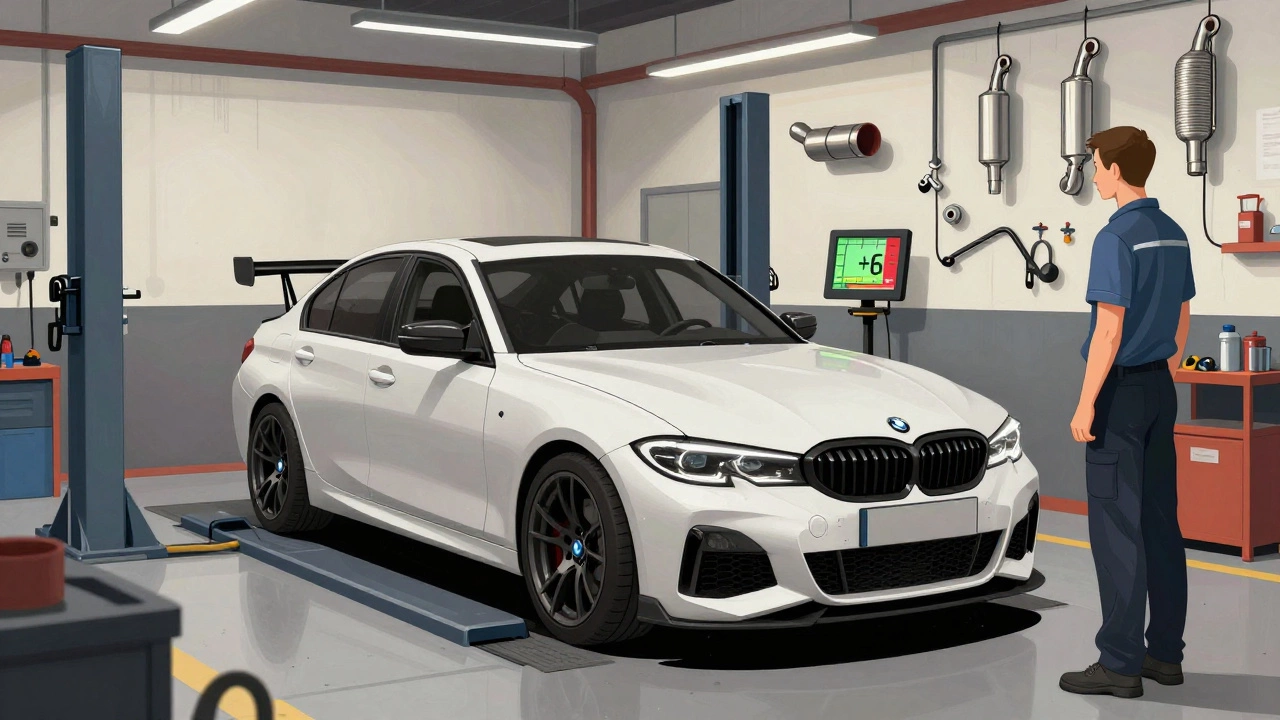
| BMW 330i | 2.0L Turbo | 255 | +6 | -5kg |
| Volkswagen Golf GTI | 2.0L Turbo | 245 | +4 | -6kg |
| Subaru WRX | 2.4L Turbo | 271 | +11 | -12kg |
The hidden downsides
People rarely talk about the trade-offs. Here’s what you might not expect:- Drone at highway speeds - Some systems create a low-frequency hum between 1,800 and 2,500 RPM. On long motorway trips, it’s exhausting. I’ve driven cars where I had to turn the music up just to hear myself think.
- Warranty issues - If your car is under warranty, modifying the exhaust can void coverage on the engine or emissions system. Some manufacturers will check for modifications during service.
- Failed MOTs - If your new exhaust leaks, has a missing catalytic converter, or is too loud, you’ll fail your MOT. Even if it’s legal in theory, inspectors can fail you on ‘excessive noise’ without a decibel meter.
- Resale value - Most buyers don’t want a loud exhaust. You’ll likely have to pay to revert it back to stock before selling.
Who should install one-and who shouldn’t
This upgrade makes sense if:- You drive your car on weekends or track days and enjoy the sound
- You’re replacing a rusted factory exhaust anyway
- You’re willing to accept the noise trade-offs and potential legal risks
- You’ve already done other mods (intake, ECU tune) and want to complete the package
- You commute daily in city traffic
- You live in a quiet neighbourhood or near a police checkpoint
- Your car is still under warranty
- You’re looking for real performance gains without other modifications

What to look for if you decide to go ahead
If you’re convinced, here’s how to pick the right one:- Choose a cat-back system - Only replace from the catalytic converter back. Don’t remove the cat. It’s illegal and harmful to the environment.
- Look for a system with valves - You can turn down the volume when needed. Brands like Milltek and Akrapovič offer this.
- Check for road legality - Reputable brands label their systems as ‘road legal’ and include documentation for MOT compliance.
- Ask about warranty - Good manufacturers offer 2-5 year warranties on stainless steel systems.
- Get it installed by a specialist - Poor installation causes leaks, rattles, and damage to sensors. Don’t let your mate with a jack and a spanner do it.
The bottom line
Aftermarket exhausts aren’t about performance. They’re about emotion. They give you a connection to the car-a voice that reflects your style. But they’re not a performance upgrade in the way a new turbo or ECU tune is. The power gains are small. The cost is high. The noise can be a burden. If you want a louder, more exciting car and you’re okay with the trade-offs, go for it. Just make sure you know what you’re signing up for. If you’re hoping for a magic power boost, you’ll be disappointed. And if you’re worried about fines, neighbours, or resale value, save your money.Frequently Asked Questions
Do aftermarket exhausts increase horsepower?
Yes, but only slightly-usually 5 to 12 wheel horsepower on turbocharged engines, and often less on naturally aspirated ones. The biggest benefit is improved throttle response, not raw power. Most gains come from reducing exhaust backpressure, not from adding horsepower directly.
Are aftermarket exhausts legal in the UK?
It depends. The exhaust system must not be louder than the original type-approved version. Removing the catalytic converter is illegal. Many aftermarket systems are designed to be road legal and come with documentation for MOT compliance. However, if a police officer deems the noise excessive, you can still be fined or ordered to remove it.
Will an aftermarket exhaust void my warranty?
It can. If your car is under manufacturer warranty, modifying the exhaust may void coverage for engine or emissions-related repairs. Some manufacturers use diagnostic tools to detect exhaust changes. Always check your warranty terms before installing any aftermarket parts.
Do aftermarket exhausts improve fuel economy?
Sometimes, but not reliably. A less restrictive exhaust can improve engine efficiency slightly, especially in high-load situations. However, most drivers end up driving more aggressively after installing a loud exhaust, which cancels out any fuel savings. Don’t buy one hoping to save on petrol.
How long do aftermarket exhausts last?
High-quality stainless steel systems can last 10-15 years or more, often longer than factory exhausts, which typically rust out in 5-7 years. Titanium systems last even longer but cost significantly more. Cheaper mild steel aftermarket systems may rust just as fast as factory ones.
Should I get a full system or just a cat-back?
For most people, a cat-back system is the best choice. It replaces everything from the catalytic converter back, offering better sound and a small performance gain without the cost or legal risk of modifying the front section. Full systems (including downpipes) offer more power but often require an ECU tune and may not be road legal.
Can I install an aftermarket exhaust myself?
It’s possible if you have experience with exhaust systems, jack stands, and torque wrenches. But improper installation can cause leaks, rattles, sensor damage, or even fire hazards. Most people benefit from professional installation, especially if the system includes valves or requires custom hangers.