Alloy vs. Steel Wheel Decision Tool
Answer the questions below to see which wheel type best suits your needs. This tool weighs factors like performance, cost, and durability.
Your Recommendation
Why this choice?
You’ve probably seen them on every modern car rolling down the street in Manchester. They shine, they look aggressive, and they’re everywhere. But are alloy wheels just a cosmetic upgrade designed to make your hatchback look like a sports car? Or do they actually change how you drive?
Here’s the truth: swapping from standard steel rims to alloys isn’t just about vanity. It changes the physics of your vehicle. From how quickly you stop at a red light to how much fuel you burn on the motorway, these wheels play a massive role. If you’re thinking about upgrading, or just curious why your dealer pushed them as an option, let’s break down exactly what you get for your money.
The Weight Factor: Why Lighter is Better
Most factory cars come with steel wheels because they are cheap and strong. But they are also heavy. Alloy wheels, typically made from aluminum or magnesium mixtures, are significantly lighter. This reduction in mass isn’t trivial-it directly impacts what engineers call "unsprung weight."
Unsprung weight refers to all the parts not supported by the suspension springs-wheels, tires, brakes, and hubs. When this weight goes down, your suspension doesn’t have to work as hard to keep the tire planted on the road. Think of it like running with heavy boots versus lightweight trainers. The lighter you are, the faster and more efficiently you move.
- Better Handling: With less weight to push around during cornering, the car responds quicker to steering inputs.
- Improved Ride Quality: The suspension can absorb bumps more effectively because it isn’t fighting against heavy metal rims bouncing back up.
- Fuel Efficiency: Less energy is required to rotate the wheels, which can lead to minor but measurable improvements in miles per gallon.
Superior Brake Cooling
If you live in a hilly area or drive aggressively, heat is your enemy. Brakes work by creating friction, and friction creates heat. If that heat builds up too fast, your brakes fade, meaning they lose stopping power when you need them most.
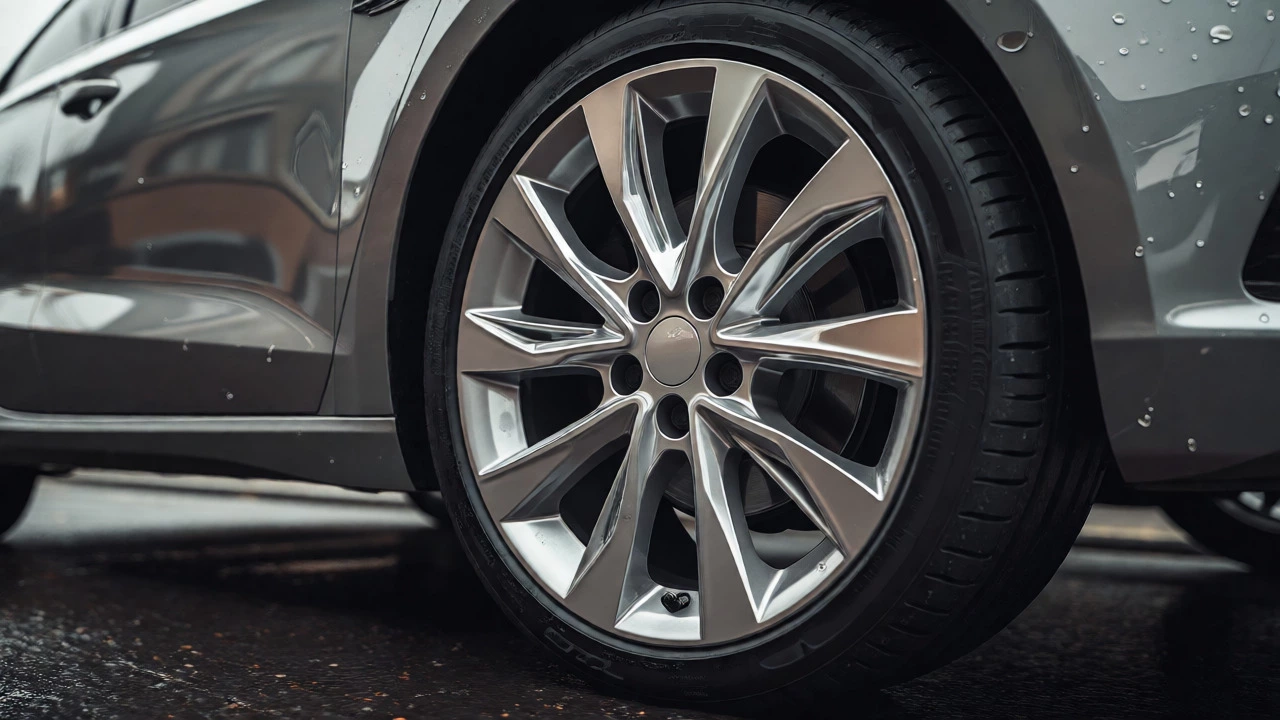
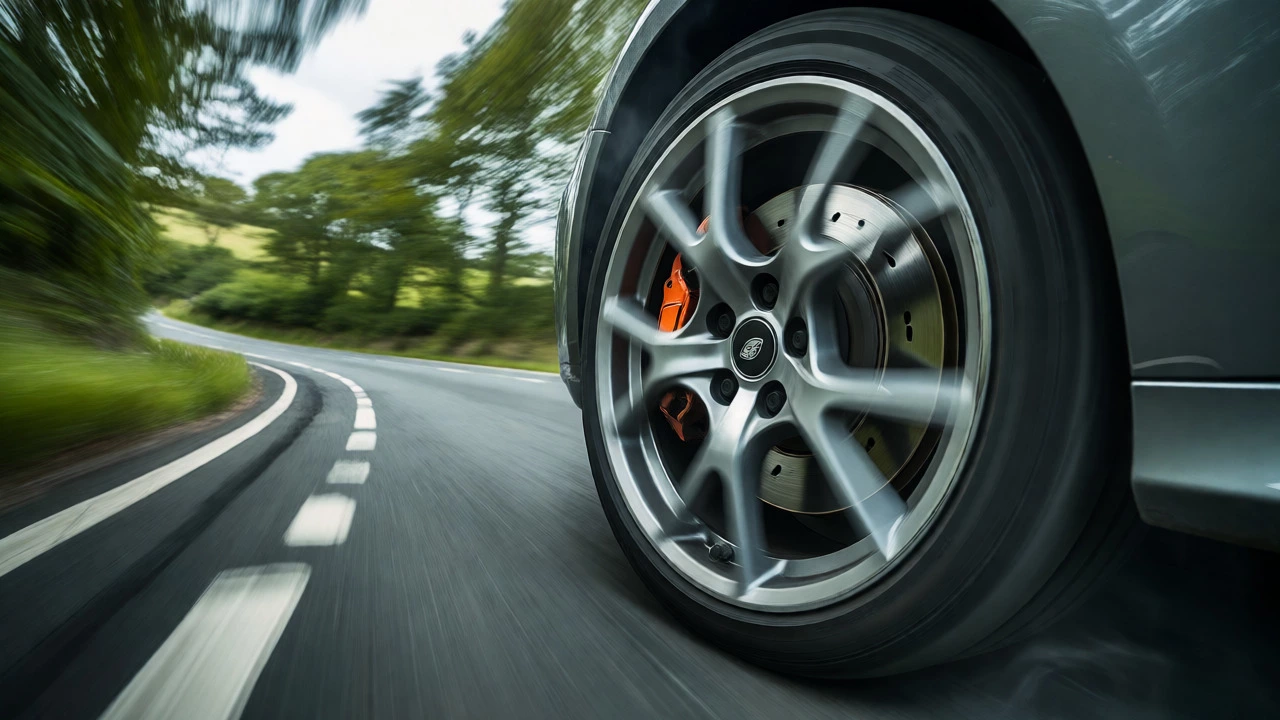
Steel wheels are often solid discs with small holes, restricting airflow. Alloy wheels usually feature open-spoke designs. These gaps allow air to flow directly over the brake discs and calipers. This ventilation helps dissipate heat rapidly, keeping braking performance consistent even after repeated hard stops. For daily drivers who tow trailers or climb steep hills, this safety benefit is worth far more than the aesthetic appeal.
Aesthetics and Resale Value
Let’s be honest: looks matter. A set of polished or matte-black alloy wheels transforms the stance of a vehicle instantly. It signals care and attention to detail. While subjective, this visual impact has a tangible financial side effect.
Cars fitted with high-quality alloys often command higher resale prices. Buyers perceive the vehicle as better maintained and more desirable. However, there is a catch. Cheap, poorly cast alloys can crack or corrode easily. Investing in reputable brands ensures you don’t end up with wheels that look tired after two winters of salted roads.
| Feature | Steel Wheels | Alloy Wheels |
|---|---|---|
| Weight | Heavy (increases unsprung mass) | Lightweight (improves dynamics) |
| Cost | Low initial cost | Higher initial cost |
| Durability | Bends rather than cracks; easy to hammer out | Can crack under extreme impact; harder to repair |
| Corrosion Resistance | Rusts if paint chips | Oxidizes but generally more resistant to rust |
| Heat Dissipation | Poor airflow through spokes | Excellent airflow due to open design |
Handling Precision and Cornering
Have you ever noticed how some cars feel "floaty" while others feel glued to the tarmac? Wheel choice plays a part here. Because alloys are stiffer and lighter, they reduce the flex in the wheel structure itself. This rigidity translates to sharper feedback through the steering wheel.
When you turn into a bend, the tire maintains a more consistent contact patch with the road surface. You get better grip earlier in the corner. This precision allows for smoother acceleration out of turns and greater confidence when avoiding obstacles. It’s subtle, but once you experience it, going back to heavy steel rims feels sluggish.
Common Pitfalls: What to Watch Out For
Not all alloys are created equal. Here is where people often go wrong:
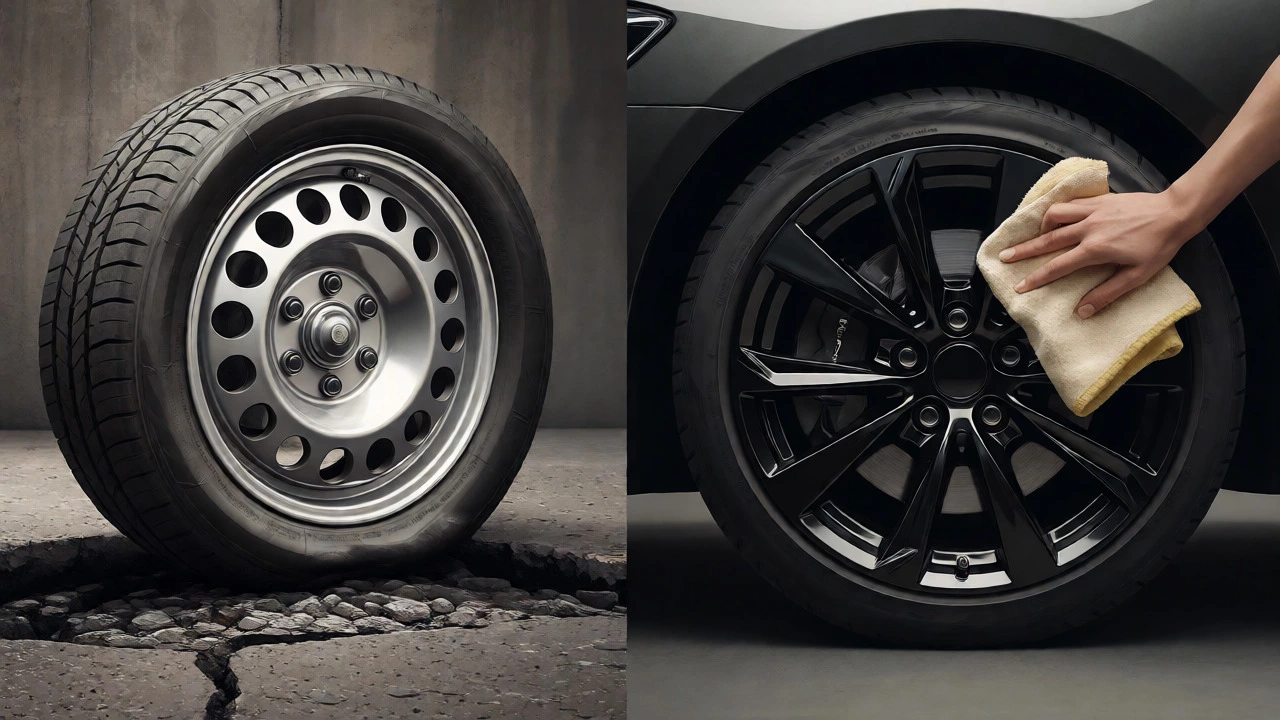
- Pothole Damage: UK roads are notorious for potholes. Alloys are brittle compared to steel. Hit a deep hole at speed, and an alloy might crack, whereas steel would likely just bend. Bending steel is fixable; cracking an alloy often means replacement.
- Offset Issues: Buying wheels with the wrong offset can cause rubbing against the suspension or fenders. Always check the ET value before purchasing.
- Tire Cost: Larger diameter alloys require lower-profile tires. These tires are more expensive to replace and more susceptible to sidewall damage from curbs.
Maintenance Tips for Long Life
To keep your alloys looking sharp and functioning well, follow these simple rules:
- Wash Regularly: Brake dust contains iron particles that embed in the clear coat. Wash your wheels weekly to prevent corrosion.
- Check for Cracks: Inspect the inner barrel of the wheel during tire changes. Hairline cracks can lead to slow leaks or structural failure.
- Re-torque Bolts: After fitting new wheels, re-check the torque settings after 50 miles. Loose bolts can warp the hub.
Frequently Asked Questions
Do alloy wheels really save fuel?
Yes, but modestly. By reducing unsprung weight, the engine uses less energy to accelerate and maintain speed. You might see a 1-3% improvement in fuel economy depending on the size difference between your old steel wheels and the new alloys.
Are alloy wheels safer than steel wheels?
In terms of active safety (handling and braking), yes. Their lighter weight improves control, and their design aids brake cooling. However, in terms of passive durability against impacts, steel is tougher. An alloy wheel may shatter on a severe impact where steel would merely deform.
How long do alloy wheels last?
With proper maintenance, alloy wheels can last the lifetime of the vehicle. However, curb rash and winter road salt can degrade the finish. Structural integrity remains high unless subjected to significant impact forces.
Can I use alloy wheels in winter?
You can, but many drivers prefer steel wheels for winter. Road salt accelerates corrosion on alloys, and potholes hidden by snow increase the risk of cracking. Using steel rims preserves your expensive alloys for the summer months.
What is the biggest disadvantage of alloy wheels?
Cost and fragility. They are more expensive to buy and repair than steel wheels. If you hit a large pothole, repairing a cracked alloy is difficult and often requires full replacement, whereas a bent steel rim can be hammered straight.