Fuel Pumps: Signs of Failure, Testing, and Replacement Tips
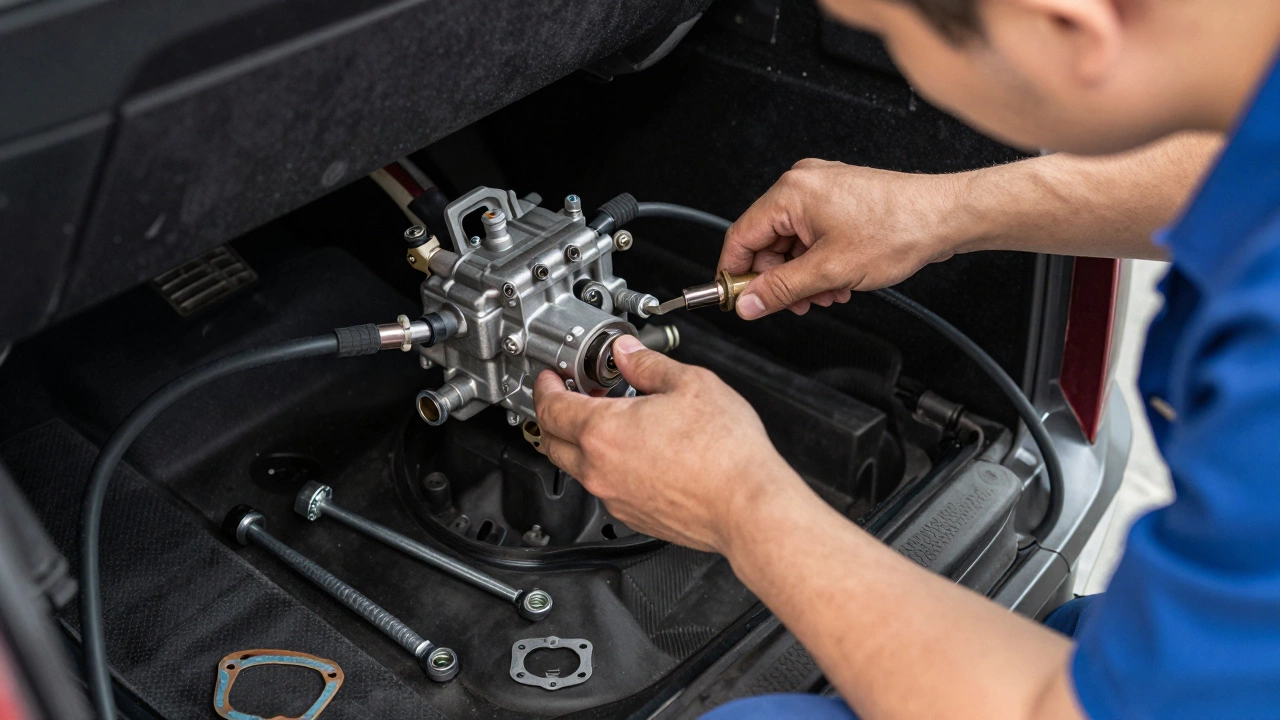
When your car sputters on the highway or won’t start after sitting overnight, the culprit might be your fuel pump, a critical component that delivers gasoline from the tank to the engine under pressure. Also known as a fuel delivery pump, it’s one of those parts you never think about—until it stops working. Without it, your engine doesn’t get fuel, and your car won’t run. Most fuel pumps are electric and sit inside the fuel tank, making them hard to reach but essential for smooth operation.
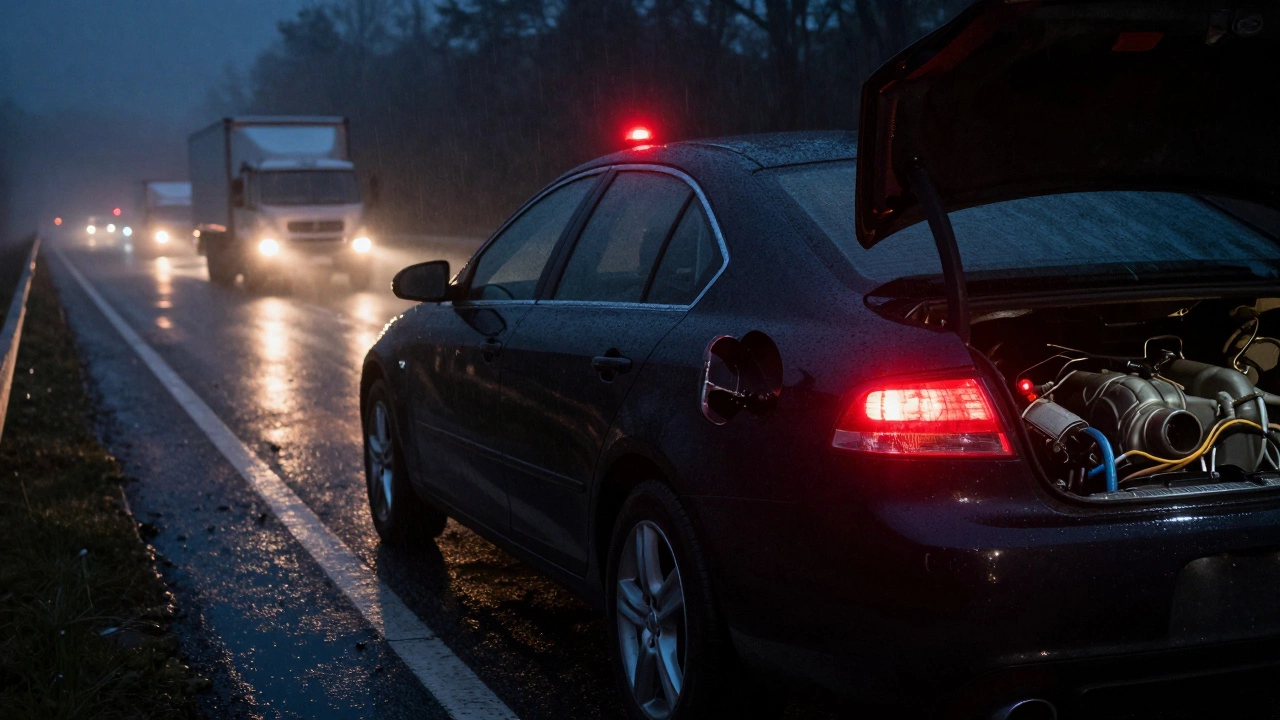
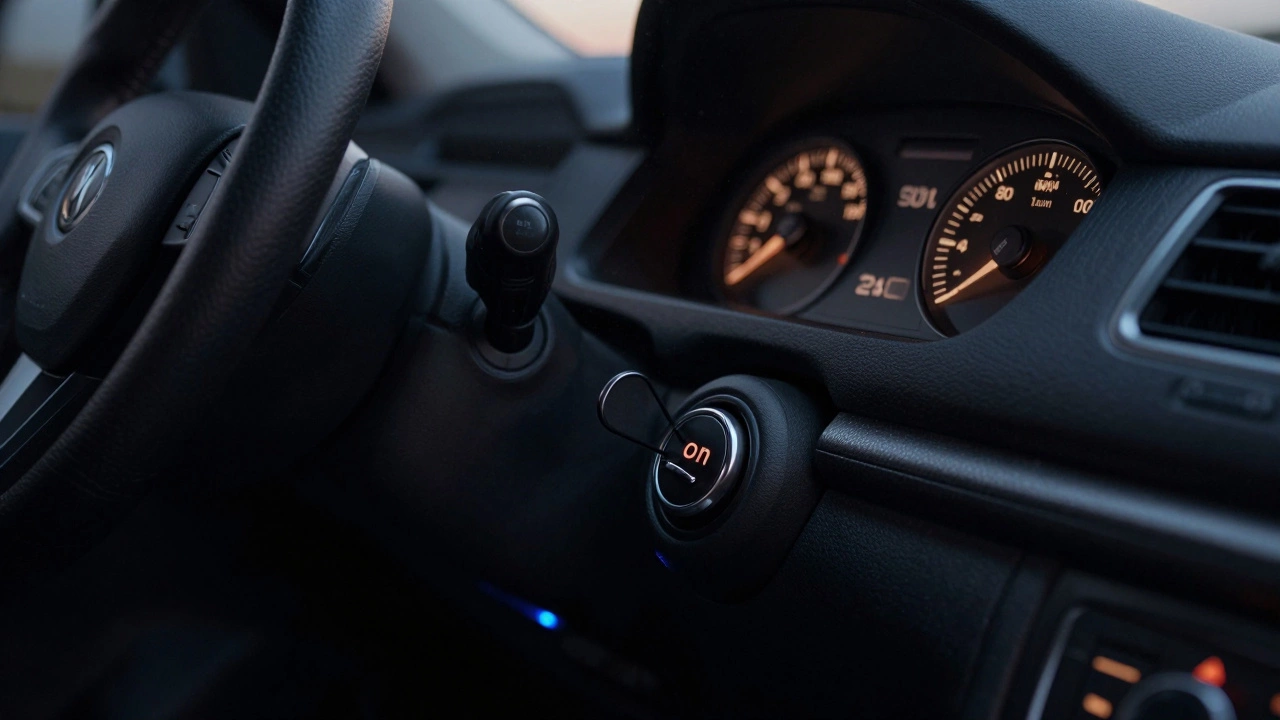
A failing fuel pump doesn’t always scream for help. Sometimes it just whispers—like a faint whining noise when you turn the key, or your car hesitating on hills. These aren’t just random glitches. They’re clues tied to the fuel system, which includes the pump, filter, lines, and injectors. If the pump weakens, pressure drops, and the engine starves for fuel. That’s when you get stalling, rough idling, or that dreaded ‘crank but no start’ situation. And yes, a bad fuel pump can trigger a check engine light, but not always. The code might point to lean mixture or misfires, making it easy to misdiagnose. That’s why knowing the specific symptoms matters more than chasing codes.
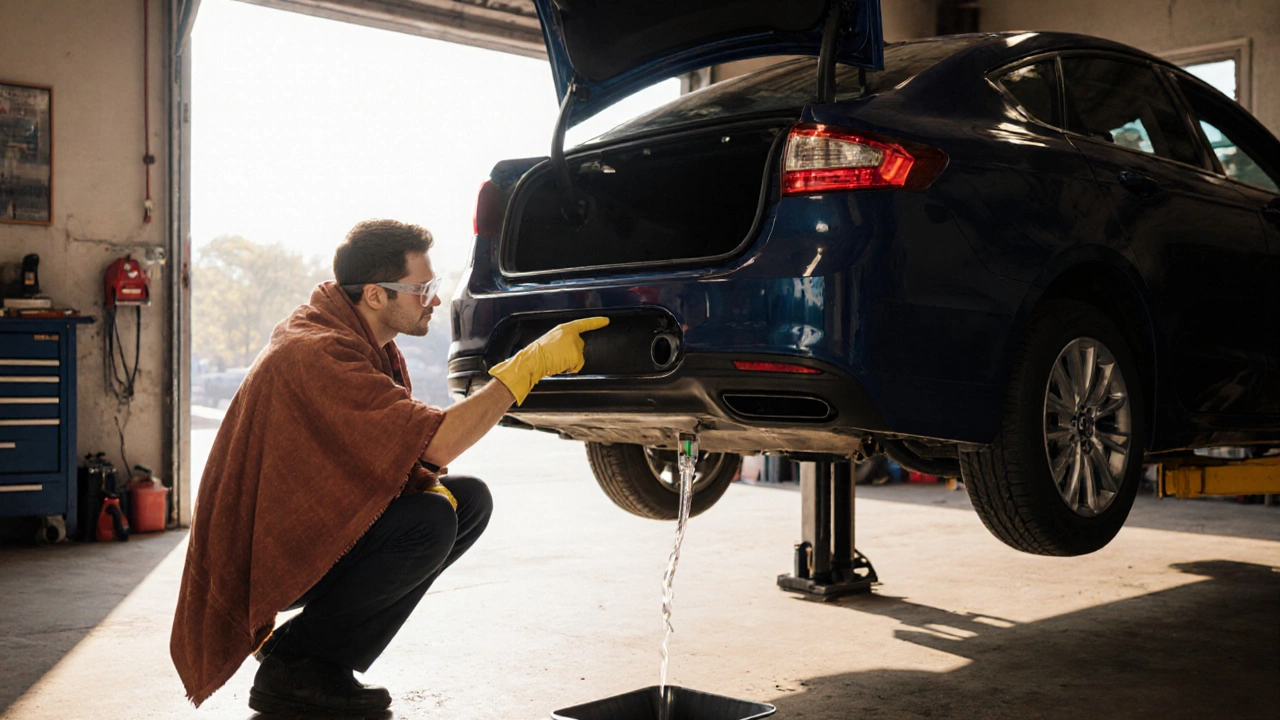
Replacing a fuel pump isn’t a simple plug-and-play fix. It often means dropping the tank, which takes time, the right tools, and safety awareness. But it’s not impossible for a DIYer with patience. Many people try to stretch a failing pump with starting fluid or a fuel pressure booster—temporary tricks that work for a day or two, but don’t fix the root issue. The real question isn’t just ‘how hard is it?’ It’s ‘how much longer can you afford to wait?’
Below, you’ll find real-world guides from drivers who’ve been there. Whether you’re trying to test your pump with a multimeter, wondering if you need an empty tank to replace it, or just trying to tell if your car’s problem is the pump or something else—these posts give you the facts without the jargon. No guesswork. No upsells. Just what actually works when your fuel pump starts acting up.