Engine Oil Change Interval Calculator
Tell us about your car and how you drive. We'll suggest a safe oil-change interval, how many times a year to service, and an estimated yearly cost in the UK.
Your car’s dashboard light might stay off for years, but that doesn’t mean the engine oil is still doing its job. In fact, many drivers in the UK wait far too long between changes, risking costly engine wear or even total failure. The real answer to how often you should change your oil isn’t one-size-fits-all-it depends on your car’s age, driving habits, and the type of oil inside.
Most modern vehicles use either conventional mineral oil, semi-synthetic blends, or full synthetic formulations. Each has a different lifespan under normal conditions. But “normal” means something different if you’re crawling through Manchester traffic every morning versus cruising the M62 on weekends. Let’s break down what actually matters when deciding your next service date.
What Do Manufacturer Manuals Actually Say?
Open your owner’s manual, and you’ll likely see a statement like “Change oil every 10,000 miles or 12 months, whichever comes first.” That’s the baseline for most cars sold in the UK after 2015. However, this figure assumes ideal driving conditions: short trips are rare, temperatures stay moderate, and the engine isn’t under constant heavy load.
If you drive less than 5,000 miles a year, time becomes the bigger factor. Oil degrades over time even if the engine isn’t running much. Moisture builds up in the crankcase during short trips where the engine never fully warms up, leading to sludge formation. For these low-mileage drivers, a 12-month interval is non-negotiable, regardless of mileage.
On the flip side, high-mileage drivers who cover 15,000+ miles annually might need more frequent attention if they frequently tow trailers, carry heavy loads, or drive in stop-start city traffic. These conditions stress the oil faster, breaking down its protective additives quicker.
Conventional vs. Synthetic: How It Changes Your Schedule
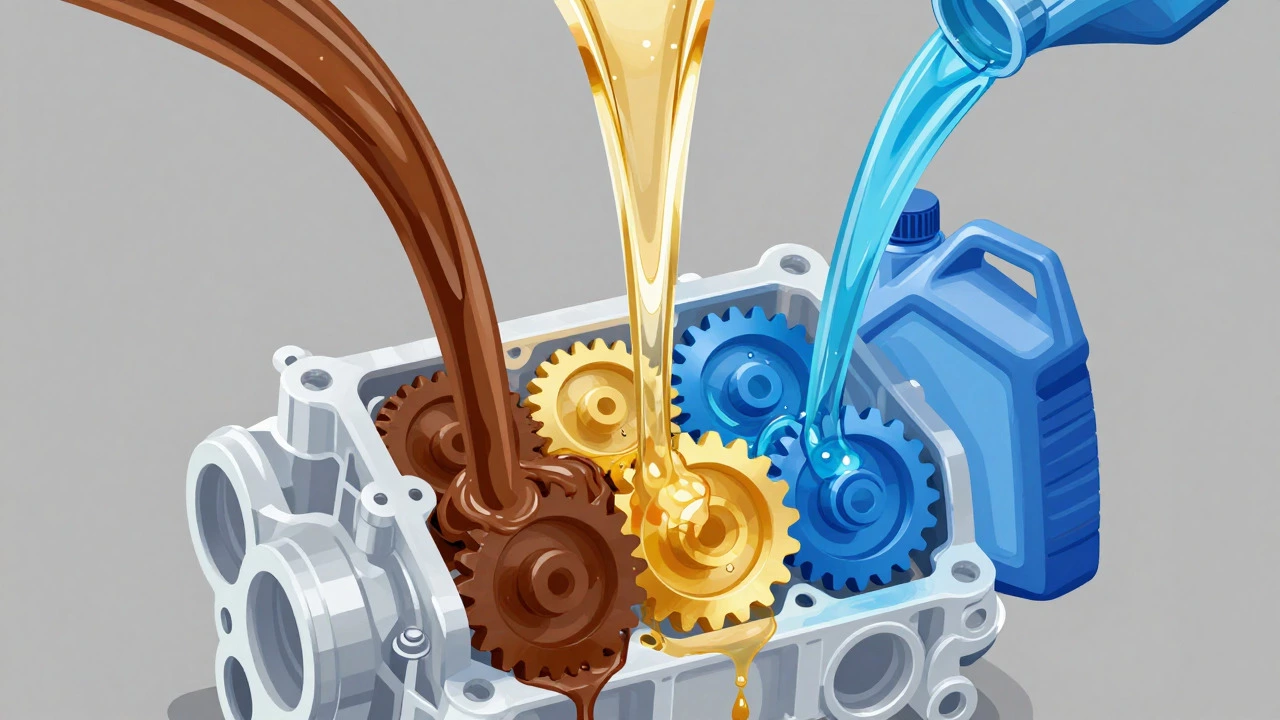
The type of oil you use directly impacts how long it lasts. Conventional mineral oil typically needs changing every 3,000 to 5,000 miles or six months. It’s cheaper upfront but breaks down faster under heat and shear forces. Semi-synthetic oils offer a middle ground, lasting around 7,500 miles. Full synthetic oils, however, can stretch intervals to 10,000-15,000 miles under optimal conditions because their molecular structure resists oxidation better.
| Oil Type | Typical Mileage Interval | Time Interval | Best For |
|---|---|---|---|
| Conventional Mineral | 3,000-5,000 miles | Every 6 months | Older vehicles, low-budget maintenance |
| Semi-Synthetic | 7,500 miles | Every 9-12 months | Mixed driving, moderate climates |
| Full Synthetic | 10,000-15,000 miles | Every 12 months | Modern engines, high-performance driving |
Note that these are general guidelines. Always cross-reference with your specific vehicle’s requirements. Some German brands, for instance, recommend longer intervals due to advanced engine designs, while older Japanese models may stick closer to the 5,000-mile mark.
Driving Conditions That Shorten Oil Life
Not all miles are created equal. Certain driving patterns accelerate oil degradation significantly. If any of these apply to your routine, consider cutting your standard interval by 20-30%:
- Frequent short trips: Driving under 10 miles means the engine rarely reaches full operating temperature. This allows moisture to accumulate in the oil, creating acidic compounds that corrode internal parts.
- Towing or hauling: Extra weight increases engine load and temperature, causing oil to oxidize faster.
- Dusty or sandy environments: Even with a good air filter, fine particles can enter the engine, contaminating the oil and increasing friction.
- Stop-start traffic: Constant idling and acceleration puts thermal stress on the lubricant, breaking down its viscosity modifiers.
- Extreme temperatures: Very cold winters thicken oil initially, while extreme summer heat accelerates breakdown. UK winters aren’t usually severe enough to drastically shorten intervals, but prolonged cold starts add wear.
If you live in an urban area like Manchester and mostly commute short distances, you’re likely in the “short trip” category. In this case, sticking to the 6-month mark rather than waiting for 10,000 miles is a smart move.
How to Check Your Oil Condition Between Services
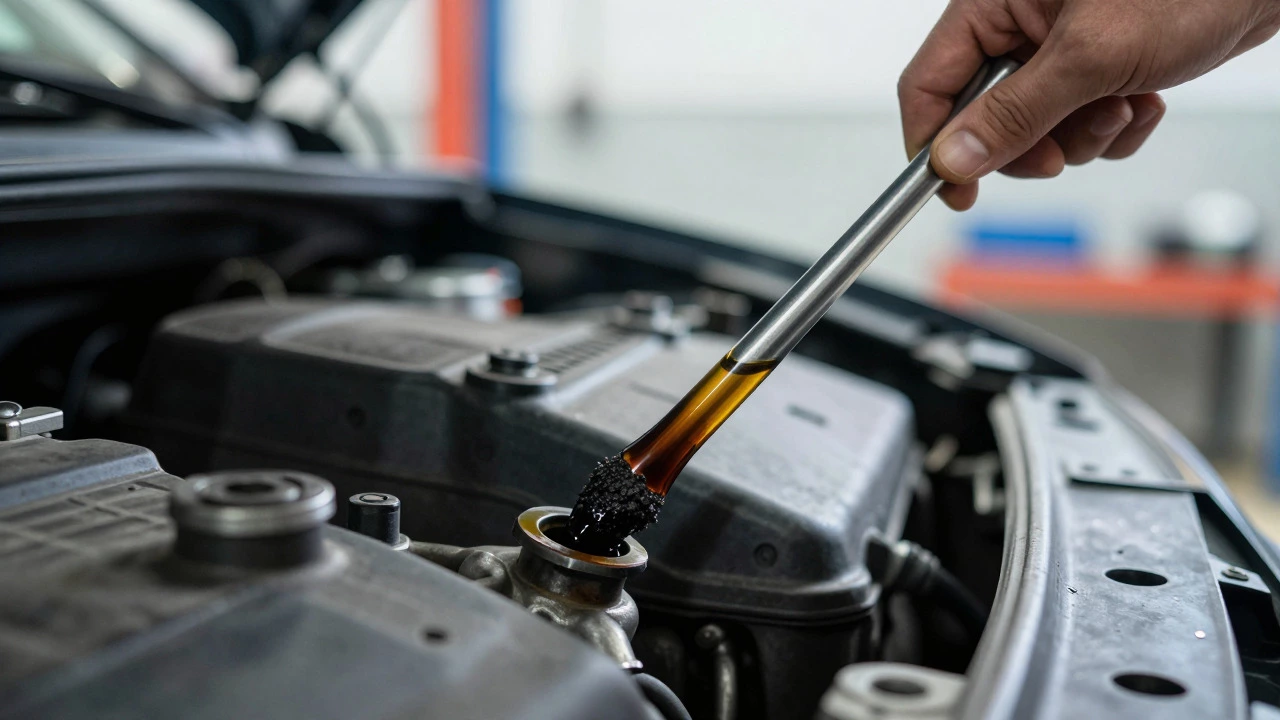
You don’t need to guess whether your oil is still good. A simple visual check can tell you a lot. Park your car on level ground, let the engine sit for five minutes after shutting off, then pull the dipstick.
- Wipe the dipstick clean with a rag.
- Pull it out again and reinsert it fully.
- Pull it out once more and examine the oil at the tip.
Healthy oil looks amber to dark brown and feels smooth. If it appears black, gritty, or smells burnt, it’s past its prime. Low levels also indicate leaks or consumption issues that need separate investigation. While color alone isn’t a perfect indicator (darkness can result from soot accumulation even in fresh oil), consistency and smell are reliable red flags.
For a more precise assessment, some mechanics use oil analysis kits that test for metal particles, acidity, and water content. This is worth considering for high-value or performance vehicles, though it’s overkill for average daily drivers.
Common Myths About Oil Change Frequency
There’s a persistent myth that you must change oil every 3,000 miles no matter what. This advice made sense for cars from the 1980s and early 1990s with less efficient engines and lower-quality oils. Today, thanks to improved metallurgy and additive packages, most manufacturers back longer intervals. Ignoring your manual and sticking to the old rule leads to unnecessary costs and waste.
Another misconception is that oil color equals oil quality. Fresh synthetic oil is often lighter in color, but it darkens quickly as it does its job cleaning the engine. As long as the level is correct and there’s no metallic grit, darker oil isn’t automatically bad.
Finally, don’t ignore the oil life monitor if your car has one. Modern vehicles calculate remaining oil life based on actual driving data-temperature, RPM, distance, and ambient conditions. When the monitor says 10%, schedule your service soon. It’s not just a marketing tool; it’s a calibrated system designed to protect your warranty.

When to Replace the Oil Filter Alongside the Oil
Changing the oil without replacing the oil filter is like pouring new coffee into a dirty cup. The filter traps debris, metal shavings, and contaminants. Over time, it clogs and loses efficiency. Most mechanics recommend replacing the filter every time you change the oil, which aligns perfectly with standard service intervals.
Some filters are designed to last two oil changes, but this is rare and usually specified by the manufacturer. Unless your manual explicitly states otherwise, swap the filter each time. It’s a small part that prevents big problems. A clogged filter can restrict oil flow, leading to increased engine wear or even hydrolocking in extreme cases.
Cost Considerations in the UK Market
Prices vary widely depending on where you get the service done. Independent garages in cities like Manchester often charge between £40 and £80 for a standard oil and filter change using conventional oil. Using full synthetic oil can push the price to £100-£150. Dealerships tend to be more expensive, sometimes exceeding £200 for premium synthetics, but they may include additional inspections that come with warranty peace of mind.
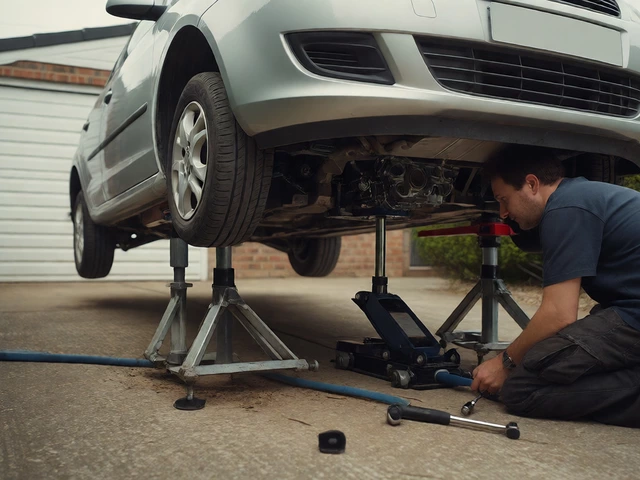
DIY is an option if you have basic tools and space. You’ll need a drain pan, socket set, oil filter wrench, funnel, and the correct oil and filter. Total material cost is usually under £50. Just be careful about torque specifications and proper disposal of used oil, which must go to a recycling center or auto parts store, not the drain.
FAQ
Does driving in winter affect how often I should change my oil?
Mild UK winters generally don’t require shorter intervals. However, if you experience prolonged cold snaps below freezing, oil thickens slightly on startup, increasing initial wear. If you notice hard starting or rough idling in deep cold, consider checking your oil grade matches the manufacturer’s recommendation for low-temperature performance.
Can I mix different types of engine oil?
In an emergency, yes, you can top up with a different brand or type if you run low. But avoid mixing conventional and synthetic regularly. They have different additive packages that may not blend optimally over time. For a full change, always use the same type recommended by your manufacturer.
What happens if I wait too long to change my oil?
Overdue oil loses its ability to lubricate effectively. This leads to increased friction, higher fuel consumption, and accelerated wear on components like bearings and camshafts. In severe cases, sludge buildup can block oil passages, causing overheating and potential engine seizure. Regular checks prevent this cascade of failures.
Is it okay to only change the oil and not the filter?
It’s not recommended. The filter holds trapped contaminants that would immediately contaminate the fresh oil. Reusing a filter reduces the effectiveness of the new oil and can lead to premature wear. The cost difference is minimal compared to the risk of engine damage.
How do I know if my car uses synthetic or conventional oil?
Check your owner’s manual for the recommended oil specification (e.g., 5W-30, 0W-20). The viscosity grade alone doesn’t tell you if it’s synthetic, but most modern cars require at least semi-synthetic or full synthetic. If unsure, look at the label of the oil bottle used in your last service or ask your mechanic. Many newer vehicles exclusively use full synthetic formulations.