Spark Plug Health Diagnostic Tool
Select the symptoms you are experiencing with your vehicle to receive a diagnostic assessment and estimated lifespan remaining.
Diagnostic Report
Health Score
--%
Pending AnalysisRecommendation
Please select symptoms and click analyze.
Detailed Findings
Estimated Lifespan Context
You’re cruising down the M60, and suddenly your car feels like it’s hiccupping. Or maybe you just noticed that filling up the tank costs a few quid more than last month, even though your driving habits haven’t changed. These are classic signs that your spark plugs might be on their last legs. They are tiny components, but they play a massive role in how smoothly your engine runs. If they fail, your car doesn’t just feel sluggish; it can actually damage other parts of the engine.
Most drivers ignore these small metal rods until the check engine light screams for attention. But catching them early saves money and prevents bigger headaches. You don’t need to be a mechanic to spot the trouble. With a bit of observation and some basic checks, you can figure out if it’s time to swap them out before you end up stranded on the side of the road.
The Warning Signs Your Engine Is Giving You
Your car talks to you, if you know how to listen. The most common complaint about worn spark plugs is a rough idle. When you’re stopped at a traffic light or sitting in a queue, does the steering wheel vibrate? Does the RPM needle dance up and down instead of staying steady? That’s often because one or more cylinders aren’t firing correctly. It’s called a misfire, and it happens when the electrical gap between the plug electrodes gets too wide or dirty to create a strong enough spark.
Another dead giveaway is poor acceleration. Press the gas pedal hard to overtake on the motorway, and does the car hesitate or jerk forward? A healthy engine responds instantly. A struggling one feels like it’s dragging an anchor. This hesitation usually means the ignition system isn’t delivering power efficiently. If you notice this along with a drop in fuel efficiency, it’s almost certainly the plugs. Old plugs force the engine to work harder to produce the same amount of power, burning more petrol or diesel in the process.
Then there’s the start-up issue. In the cold mornings here in Manchester, a good set of plugs should fire up the engine within seconds. If you have to crank the key for five, six, or seven turns before it catches, the plugs are likely weak. This is especially true if the battery is new and healthy. Don’t blame the starter motor just yet; check the cheap stuff first.
Visual Inspection: What Do Bad Plugs Look Like?
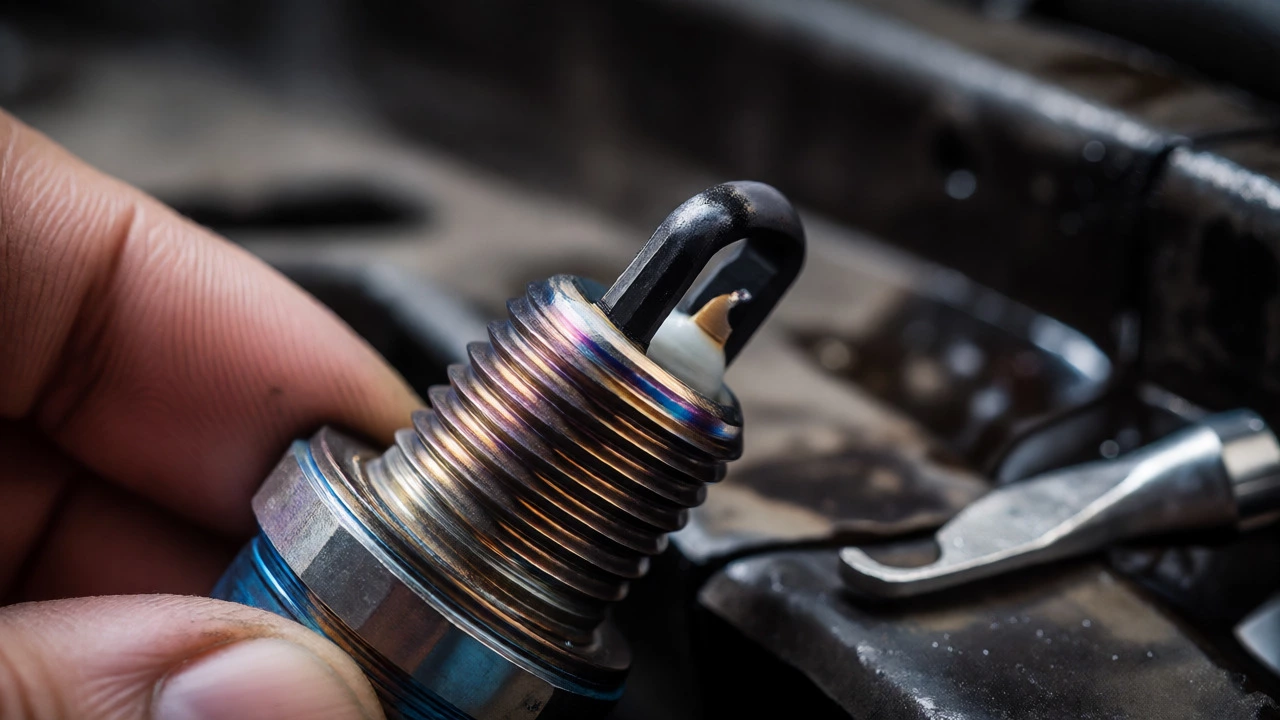
If you’re comfortable popping the hood, you can inspect the plugs yourself. You’ll need a socket wrench and a rag. Pull one plug out (make sure the engine is cool!) and look at the tip. The color and condition tell a story.
- Light tan or grey: This is perfect. It means the plug is working correctly and the engine is running clean.
- Black soot: This indicates the engine is running rich (too much fuel) or has restricted air intake. The plug itself might still be okay, but it’s getting fouled.
- White or blistered: This is bad news. It means the engine is running hot. You might have a timing issue or use the wrong heat range plug. Replace them immediately.
- Oily residue: If the plug is wet with oil, your valve seals or piston rings are leaking. The plug needs replacing, but so does the underlying mechanical fault.
- Worn electrode: If the metal tip looks rounded or eroded rather than sharp, the gap is too wide. The spark can’t jump effectively. Time for a replacement.
Don’t forget to check the gap. Most modern cars require a specific distance between the center electrode and the ground electrode, often around 0.8mm to 1.1mm. If the gap is significantly wider due to wear, the ignition coil has to push harder to create a spark, leading to premature coil failure.
When Should You Replace Them?
There’s no single rule for every car. It depends heavily on what kind of plugs you have and how you drive. Check your owner’s manual for the manufacturer’s recommendation, but here are general guidelines based on technology types.
| Plug Type | Expected Lifespan | Best For |
|---|---|---|
| Copper Core | 30,000 - 50,000 miles | Older vehicles, high-performance tuning |
| Platinum Single | 60,000 - 80,000 miles | Standard daily drivers |
| Iridium / Double Platinum | 100,000+ miles | Modern cars, long-term ownership |
If you bought a used car with unknown history, change the plugs as soon as possible. It’s a cheap insurance policy against breakdowns. Also, consider changing them earlier if you do a lot of short trips. Short journeys prevent the engine from reaching optimal temperature, which leads to carbon buildup on the plugs faster than highway driving would.
DIY Replacement Tips for Beginners
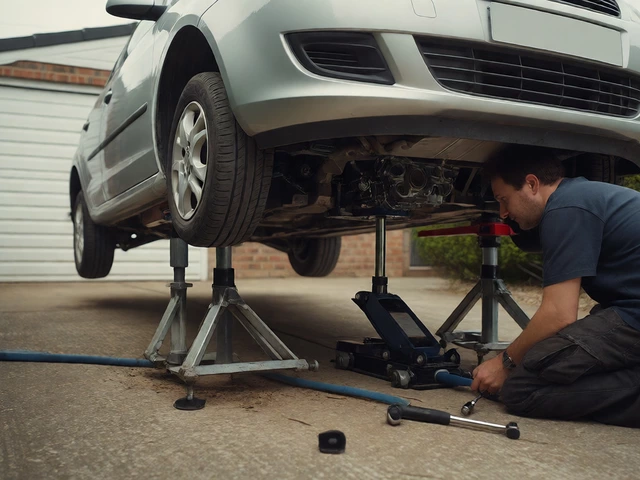
Replacing spark plugs is one of the easiest maintenance tasks you can do. It takes about 30-45 minutes for a four-cylinder engine. Here’s how to avoid common mistakes.
- Work on a cold engine: Removing a plug from a hot aluminum head can strip the threads. Wait until the engine cools down completely.
- Label the wires: If your car uses traditional coil-on-plug systems, take a photo before disconnecting anything. Mixing up the order causes misfires.
- Use a gap tool: Even new plugs sometimes come with incorrect gaps. Check each one before installing. Gently bend the ground electrode if needed-never pry on the ceramic insulator.
- Torque matters: Don’t overtighten! Use a torque wrench if you have one. Over-tightening cracks the ceramic; under-tightening lets compression leak out. If you don’t have a torque wrench, tighten until snug, then turn another 1/16th of a turn.
- Anti-seize compound: Apply a tiny amount to the threads only if recommended by the manufacturer. Too much can interfere with torque readings.
One pro tip: replace all plugs at once. If one is worn, the others are likely close behind. Swapping them individually wastes labor time and risks uneven performance.

What Happens If You Ignore It?
Running on bad plugs isn’t just annoying; it’s costly. A persistent misfire dumps unburnt fuel into the exhaust system. This raw fuel overheats the catalytic converter, potentially destroying it. A new catalytic converter can cost £500 to £1,000+, whereas a set of plugs costs £20-£60.
Additionally, the extra strain on the ignition coils can cause them to burn out. Ignition coils are more expensive and harder to access than plugs. By ignoring the small problem, you create a big one. Regular maintenance keeps the entire ignition system happy and extends the life of your engine.
Frequently Asked Questions
Can I drive with a bad spark plug?
Yes, but not for long. You can drive short distances to get home or to a garage, but prolonged driving with a faulty plug can damage your catalytic converter and reduce fuel efficiency. Avoid high-speed motorway runs if the car is shaking noticeably.
Do I need special tools to change spark plugs?
You need a spark plug socket (usually 5/8 inch or 13/16 inch), a ratchet, an extension bar, and a gap tool. A torque wrench is highly recommended to ensure proper tightness without cracking the ceramic.
Why is my check engine light flashing?
A flashing check engine light indicates a severe misfire that is actively damaging the catalytic converter. Stop driving immediately and have the vehicle towed or driven very slowly to a repair shop. Continuing to drive can destroy the converter in minutes.
Are iridium plugs worth the extra cost?
For most modern cars, yes. Iridium plugs last twice as long as copper ones and provide a more consistent spark. While they cost more upfront, you save money on labor and replacements over the life of the car.
How do I know if the problem is the plug or the coil?
Swap the suspect coil with one from a cylinder that is running fine. If the misfire moves to the new cylinder, the coil is bad. If the misfire stays in the original cylinder, the issue is likely the spark plug or a fuel injector.