How to Choose the Right Wiper Blades for Your Car
Learn how to pick the right wiper blades for your car by checking size, type, and fitment. Avoid streaks and poor visibility with expert tips for UK drivers.
When it comes to driving safety, car wipers, the blades that clear water, snow, and debris from your windshield. Also known as windscreen wipers, they’re one of the simplest parts of your car—but one of the most dangerous to ignore. If your wipers are streaking, squeaking, or leaving patches of unclean glass, you’re not just dealing with annoyance—you’re driving with reduced visibility. A 2023 AA study found that 40% of drivers in the UK waited until their wipers failed completely before replacing them. That’s like waiting for your brakes to fail before checking the pads.
wiper blades, the rubber strips that actually touch your windshield. Also known as windshield wiper blades, they degrade over time due to sun, cold, and dirt—not just use. Even if they look fine, rubber hardens after 6 to 12 months. That’s why replacing them every year is smart, not optional. And you should never replace just one. windshield wiper replacement, the process of swapping out old blades for new ones. Also known as wiper blade installation, it’s a task that takes less than 15 minutes and needs no tools. If you only replace the driver’s side, the passenger side will likely be just as worn. That mismatch causes uneven wiping, blurred vision, and even scratches on your windshield.
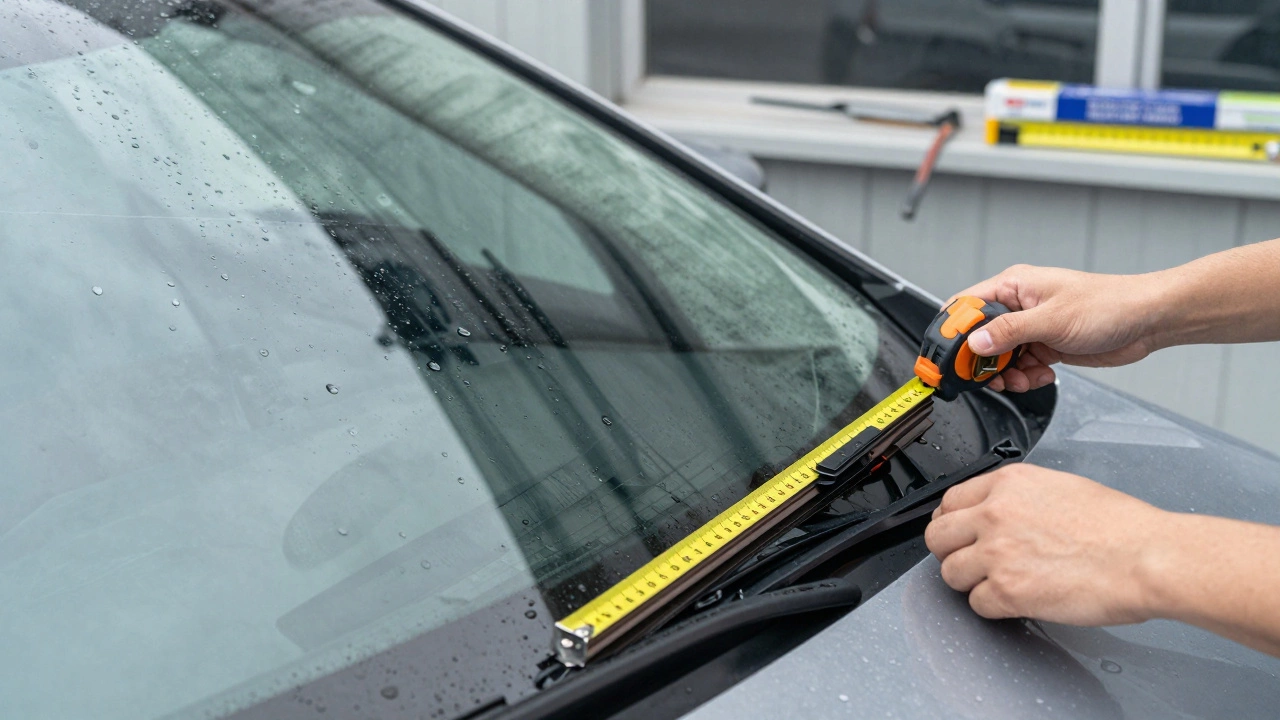
Not all wiper blades fit all cars. wiper blade fit, how well a blade matches your car’s arm type and length. Also known as wiper compatibility, it matters more than brand. A blade that’s too long can snap or hit the hood. One that’s too short won’t clear enough glass. Your car’s make, model, and year determine the exact size and connector type. Skip the guesswork—check your owner’s manual or use a simple online tool to find the right fit.
And don’t fall for the cheap ones. The cheapest blades often have poor rubber, weak frames, and wear out in weeks. Good blades have a curved frame that presses evenly across the glass, and rubber that resists cracking in freezing temps. You don’t need the most expensive ones—but you do need ones that actually work in rain, snow, and dust.
Signs your wipers are done? Streaks after one swipe, chattering noises, rubber that’s cracked or torn, or missed spots in the middle of the glass. If you see any of those, don’t wait for a downpour. Replace them now. It’s not just about seeing clearly—it’s about reacting in time when a pedestrian steps out or a car swerves ahead.
Below, you’ll find real guides from drivers who’ve been there: how to replace them yourself, why you should always buy them in pairs, what prices are fair in 2025, and how to pick the right size for your car. No fluff. Just what works.
 Dec, 18 2025
Learn how to pick the right wiper blades for your car by checking size, type, and fitment. Avoid streaks and poor visibility with expert tips for UK drivers.
 Dec, 8 2025
Learn how to pick the right windshield wipers for your car by checking your vehicle's make and model, measuring blade size, choosing the right type, and replacing both blades together for best performance.