Spark Plug Longevity: How Long Do They Last and When to Replace Them
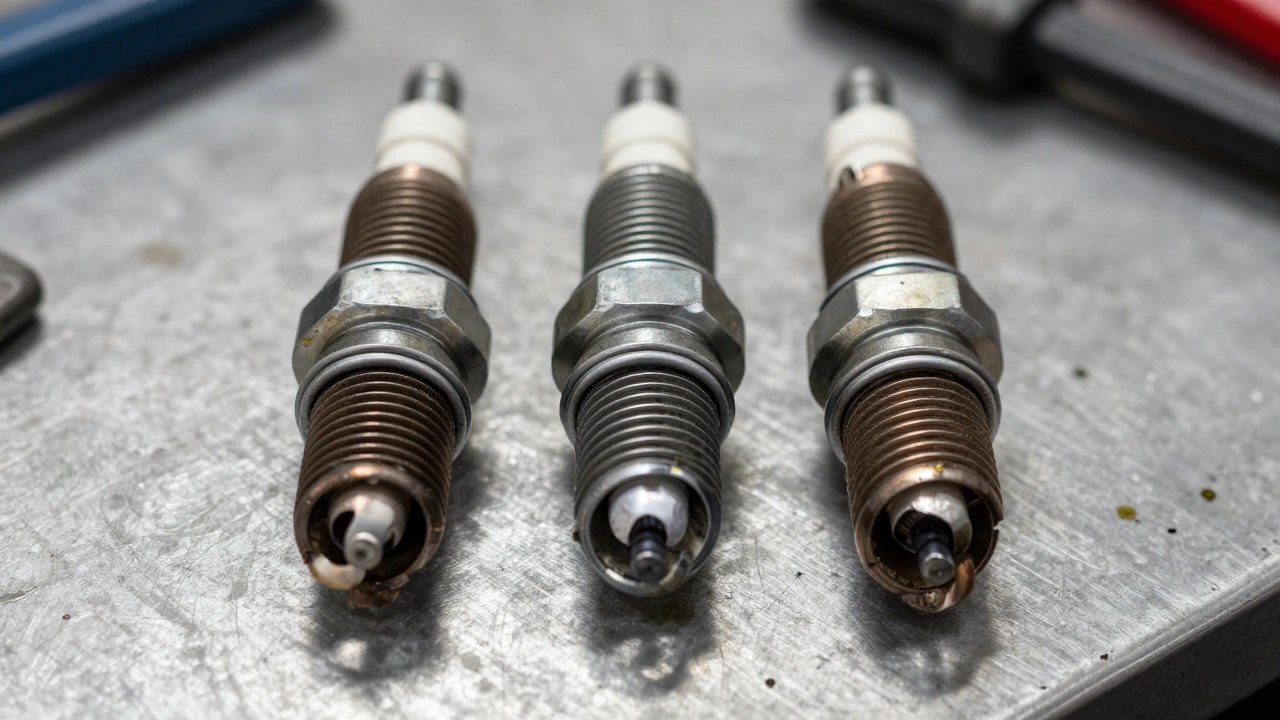
When it comes to your car’s engine, spark plugs, small but vital components that ignite the fuel-air mixture in your engine cylinders. Also known as ignition plugs, they’re the reason your car starts and runs smoothly. Even though they’re tiny, worn or faulty spark plugs can cause misfires, poor fuel economy, and even damage your catalytic converter over time. Most manufacturers say spark plugs last between 30,000 and 100,000 miles, but that’s not a guarantee. Driving habits, fuel quality, and engine condition all play a role. If you’re constantly short-tripping, idling a lot, or using cheap fuel, your plugs may wear out much faster.
Engine performance, how well your car accelerates, idles, and responds to the gas pedal depends heavily on healthy spark plugs. A weak spark means incomplete combustion—fuel doesn’t burn fully, which leads to power loss and higher emissions. You might notice your car hesitates when you step on the gas, or it stalls at stoplights. These aren’t just annoyances—they’re warning signs. Spark plug symptoms, like rough idling, difficulty starting, or the check engine light coming on, often get ignored until something breaks. And when it does, it’s usually something expensive like a damaged oxygen sensor or catalytic converter.
Not all spark plugs are the same. Spark plug types, including copper, platinum, and iridium, vary in lifespan and performance. Copper plugs are cheaper but only last about 20,000 to 30,000 miles. Platinum and iridium versions can go 60,000 to 100,000 miles because they’re more durable and resist wear better. But even the best ones don’t last forever. If you’ve never replaced yours and your car has over 50,000 miles, it’s time to check. Waiting until it fails means you’re gambling with your engine’s health.
Replacing spark plugs isn’t a luxury—it’s preventive maintenance. It’s cheaper than fixing a misfire that’s wrecked your fuel injectors or burning out your exhaust system. And it’s not as hard as you think. Many people do it themselves with basic tools. But if you’re not sure what’s wrong, it’s easy to misdiagnose. A rough idle could be spark plugs, or it could be a vacuum leak, a bad coil, or even a dirty throttle body. That’s why knowing the signs matters. You don’t want to replace parts you don’t need, or worse, ignore the real problem.
Below, you’ll find real-world advice from people who’ve been there. We’ve pulled together posts that explain exactly what happens when spark plugs go bad, how they affect your exhaust, why you shouldn’t drive with them worn out, and how to tell if it’s time for a replacement. No fluff. No guesswork. Just clear, practical info to help you keep your car running right—and save money in the long run.