Spark Plug Types: What You Need to Know for Your Car
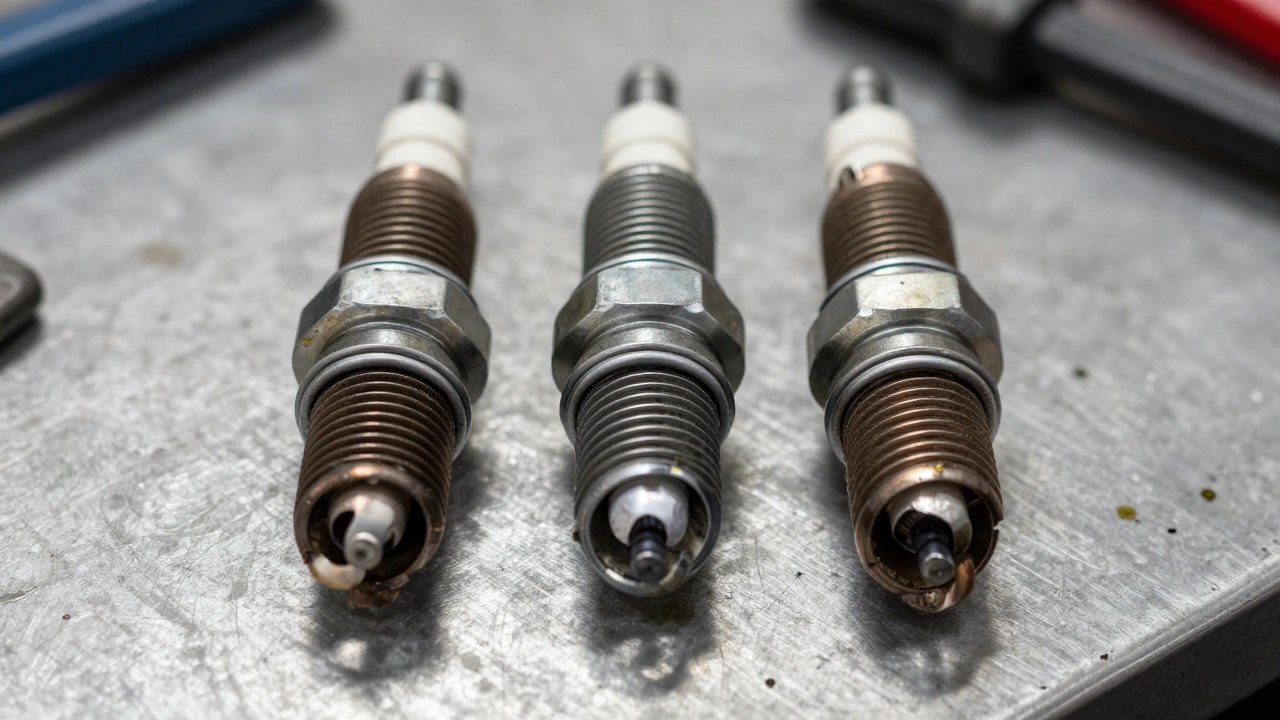
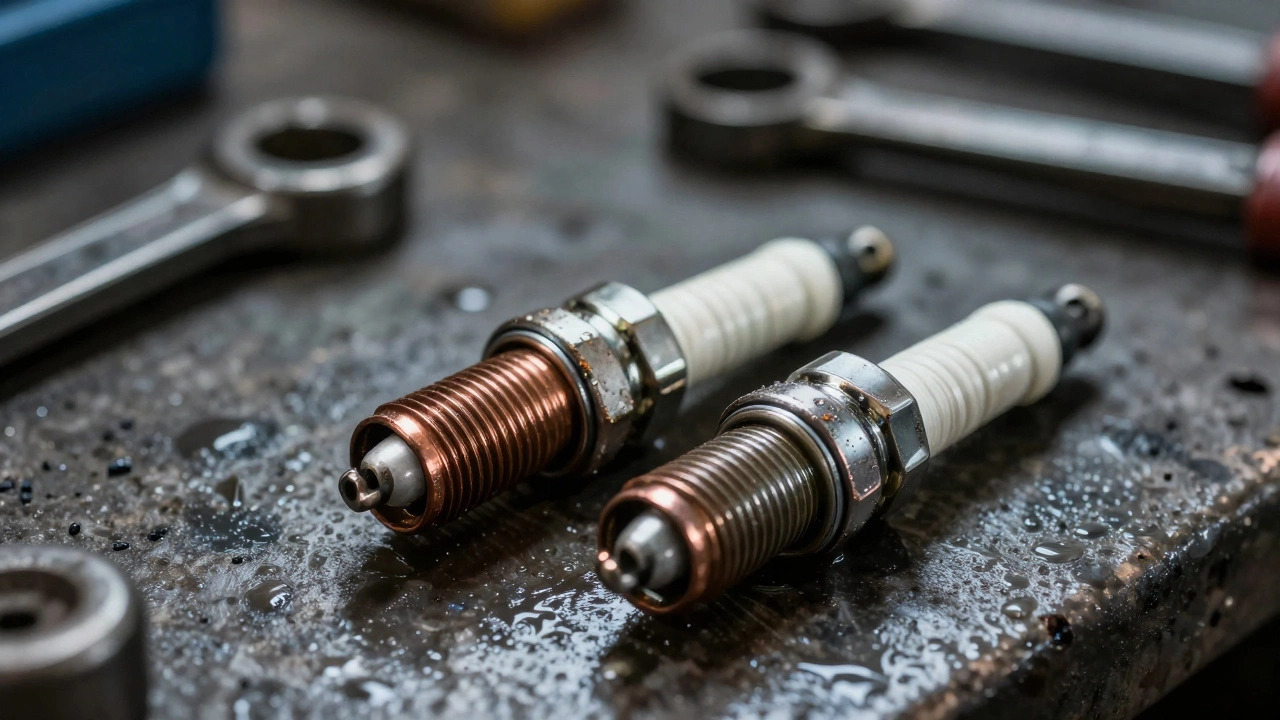
When your car sputters, misfires, or struggles to start, the culprit is often a spark plug, a small but critical component that ignites the fuel-air mixture in your engine’s cylinders. Also known as ignition plug, it’s one of the few parts in your engine that fires over 1,000 times per minute. If it fails, your engine doesn’t just run poorly—it can damage your catalytic converter, wreck your fuel economy, and even leave you stranded. Not all spark plugs are made equal. There are different spark plug types, variations in electrode material, heat range, and thread size that determine how well they work in your specific engine. Using the wrong one can cause overheating, poor performance, or even engine damage.
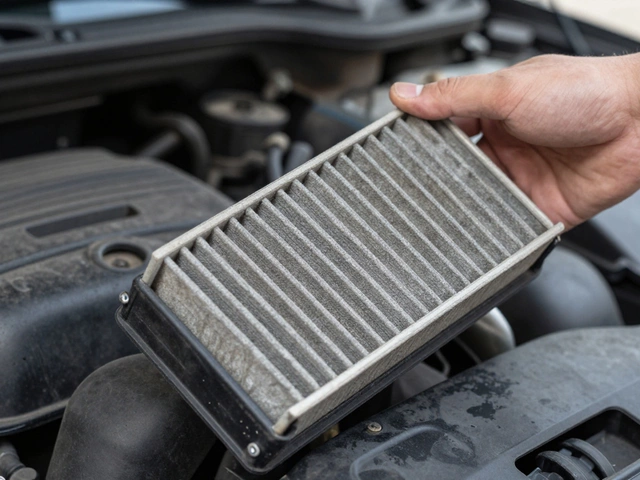
Your car’s engine misfire, a common symptom of failing spark plugs doesn’t always mean the plug is dead. It could be the wrong type, worn out, or clogged with carbon. Spark plug symptoms, like rough idling, sluggish acceleration, or increased fuel use, are often mistaken for fuel or sensor problems. But if you’ve ruled out the fuel pump, oxygen sensor, or air filter, the spark plug is the next place to look. Some plugs last 60,000 miles; others need replacing every 30,000. It depends on the material—copper, platinum, or iridium—and your driving habits.
Not every spark plug fits every car. Spark plug compatibility, the match between plug size, thread pitch, reach, and heat range and your engine’s design is critical. A plug that’s too long can hit the piston. One that’s too cold won’t burn off carbon. Too hot, and it can cause pre-ignition. Your owner’s manual tells you the right type, but most people don’t check. Instead, they buy the cheapest one at the auto store. That’s how you end up with a check engine light and a bill for a damaged catalytic converter.
Replacing spark plugs isn’t hard, but doing it right matters. If you’ve seen posts about bad fuel pumps or failing brakes, you know that ignoring small problems leads to big costs. Spark plugs are no different. A simple check every 30,000 miles can save you hundreds. You don’t need fancy tools—just the right plug, a socket, and a little patience. And if you’re unsure which type your car needs, look up your make, model, and year. There’s no guesswork here—just facts.
Below, you’ll find real-world guides on what happens when spark plugs go bad, how they affect your exhaust, and why replacing them isn’t just about performance—it’s about protecting your engine. Whether you’re dealing with a misfire, high emissions, or just want to keep your car running smoothly, the right spark plug makes all the difference.