When to Replace Spark Plugs: Signs, Costs, and What Happens If You Wait
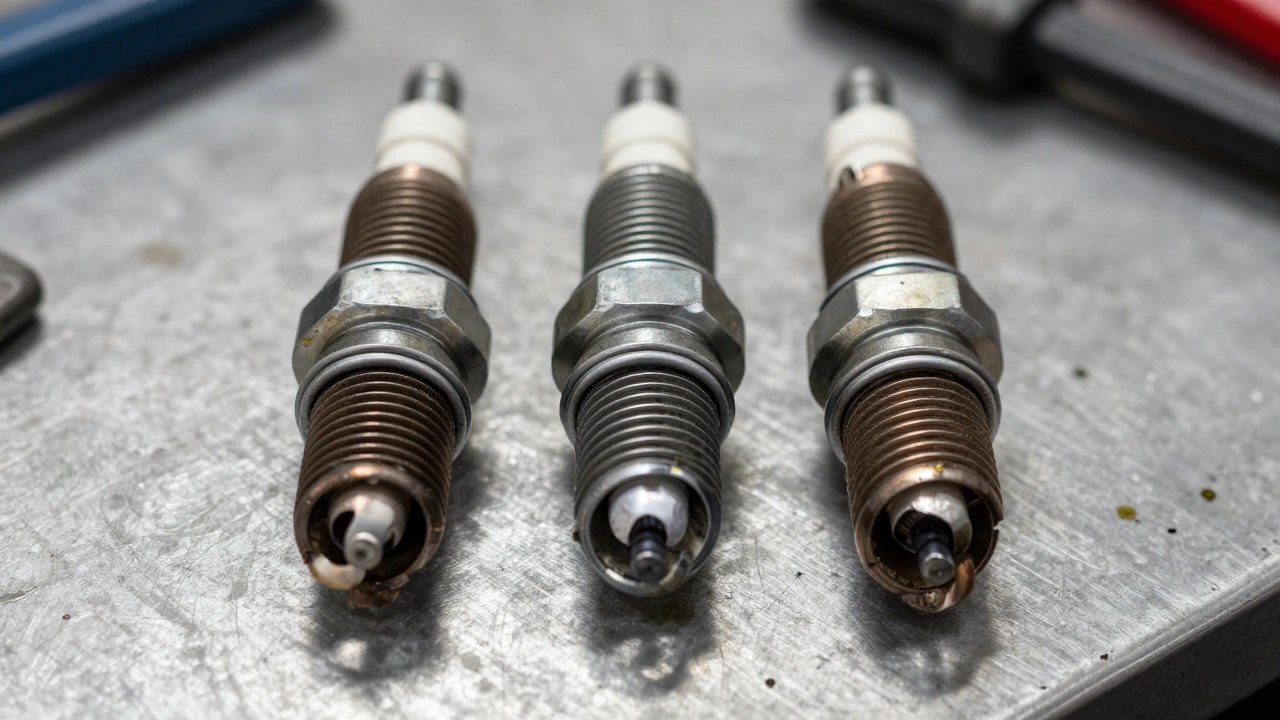
When your car starts running rough, sputtering, or struggling to start, the problem might not be the battery or fuel pump—it could be your spark plugs, small but critical components that ignite the air-fuel mixture in your engine. Also known as ignition plugs, they’re one of the most overlooked parts in routine maintenance, even though they directly affect fuel efficiency, emissions, and engine health. Most manufacturers recommend replacing them every 30,000 to 100,000 miles, but that’s just a guideline. The real answer depends on how your car actually behaves.
Driving with worn spark plugs doesn’t just mean a slight drop in power—it can cause engine misfires, when the fuel doesn’t ignite properly, leading to rough idling and hesitation. That misfire sends unburned fuel into your exhaust, which can overheat and destroy your catalytic converter, an expensive emissions control part that’s not meant to handle raw fuel. You might not notice right away, but over time, your fuel economy drops, your car fails emissions tests, and you risk bigger repairs. Some drivers wait until the engine light comes on, but by then, the damage is already happening.
There are clear signs you can spot without a diagnostic tool. If your car hesitates when you press the gas, stalls at red lights, or feels like it’s stumbling on acceleration, those are red flags. You might also hear a ticking or popping noise from the engine, or see the check engine light flash—not just stay on, but blink, which usually means a serious misfire. Even if your car still runs, it’s not running right. And if you’ve gone past 60,000 miles without a plug change, you’re already in the danger zone, especially if you do a lot of short trips or stop-and-go driving.
Replacing spark plugs isn’t a big job, but timing matters. Waiting too long means you’re paying more in wasted fuel and risking damage to parts that cost ten times as much to fix. The right plugs for your car—whether they’re copper, platinum, or iridium—make a difference in how long they last and how smoothly your engine runs. And while some people think they can just clean old plugs and reuse them, that’s a myth. Once they’re worn, they’re worn. No amount of cleaning brings them back.
Below, you’ll find real-world advice from mechanics and drivers who’ve been there. You’ll see what happens when you ignore spark plug symptoms, how to spot failing plugs before they wreck your engine, and why replacing them isn’t just about performance—it’s about protecting your wallet. These aren’t theoretical tips. They’re the same things we tell customers every week in Stevenage when they come in wondering why their car just isn’t the same.