Is It Worth Replacing Brake Pads? Signs, Costs & DIY Guide
Wondering if replacing brake pads is worth the cost? Discover signs of wear, compare DIY vs. garage prices, and learn which pads suit your driving style.
When it comes to your car’s safety, brake maintenance, the routine inspection and servicing of your vehicle’s stopping system. Also known as brake service, it’s not something you can afford to ignore—because worn brakes don’t just reduce stopping power, they can turn a quick stop into a collision. Unlike oil changes or air filters, brake issues don’t always come with a warning light. You feel them. A squeal when you slow down. A vibration in the pedal. A longer distance to stop. These aren’t just annoyances—they’re red flags.
Brake maintenance isn’t just about swapping out pads. It’s a system. Your brake pads, the friction material that presses against the rotors to slow your car wear down over time, and if you wait too long, they’ll start grinding into the brake rotors, the metal discs that spin with your wheels and get gripped by the pads. Once that happens, you’re looking at a much bigger bill. Then there’s the brake fluid, the hydraulic liquid that transfers force from your pedal to the calipers. It absorbs moisture over time, which lowers its boiling point and can cause spongy brakes or even failure under heavy use. And let’s not forget the calipers, hoses, and sensors—all parts of the system that need checking during proper brake maintenance.
Here’s the truth: most people wait until their brakes scream before they act. But by then, damage is already done. A good brake inspection catches wear early. It tells you if you can just replace the pads, or if the rotors are warped and need resurfacing or replacement. It checks for leaks, rust on lines, and whether the fluid needs flushing. Skipping this isn’t saving money—it’s gambling with your safety and your wallet. One study from the UK’s RAC found that 1 in 5 cars on the road had dangerously worn brakes. That’s not a small number. That’s a real risk.
What you’ll find below are real, practical guides from drivers who’ve been there. How to tell if you can replace brake pads without changing rotors. What slipping or grinding really means. Why your brake fluid might be the silent killer. You’ll see what signs to watch for, what costs to expect, and what you can check yourself before heading to the shop. No fluff. No jargon. Just what you need to know to keep your stops reliable, your car safe, and your repairs affordable.
 Sep, 7 2026
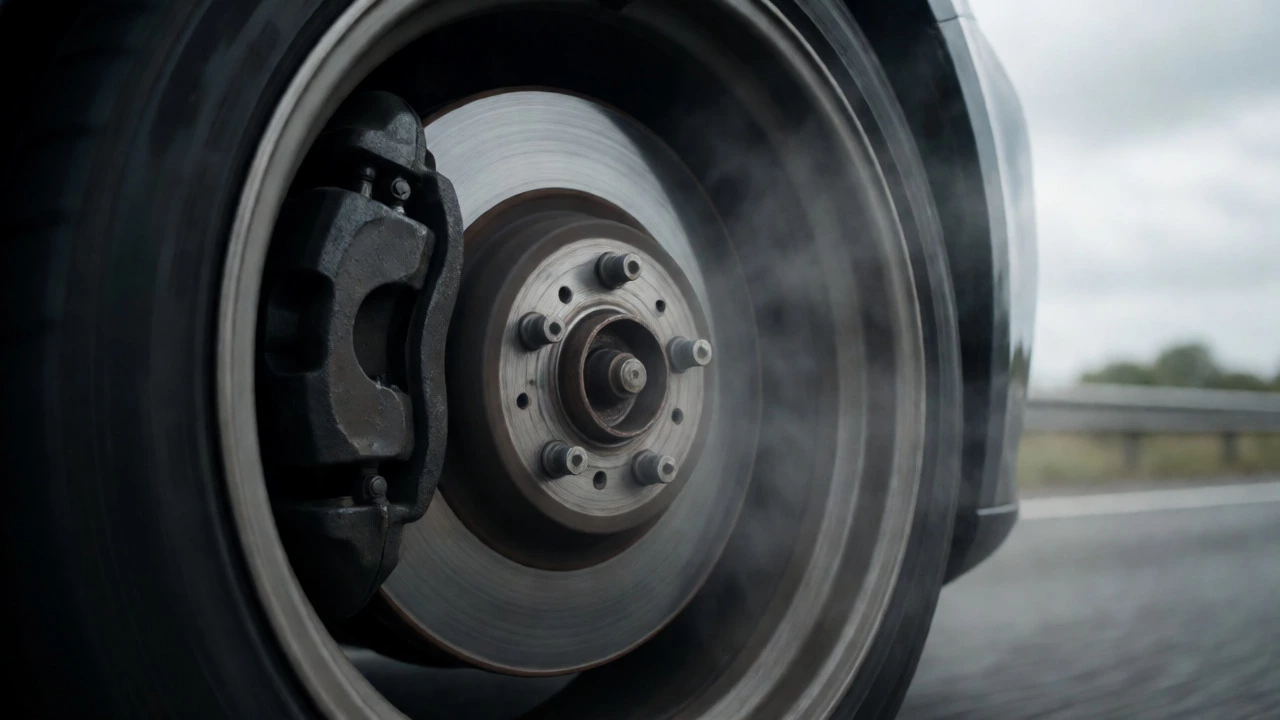
Wondering if replacing brake pads is worth the cost? Discover signs of wear, compare DIY vs. garage prices, and learn which pads suit your driving style.
 Jul, 12 2026
Should you replace all 4 brake pads at once? We explain the mechanics of front vs rear wear, when to swap all four, and how to save money without compromising safety on UK roads.
 Oct, 24 2025
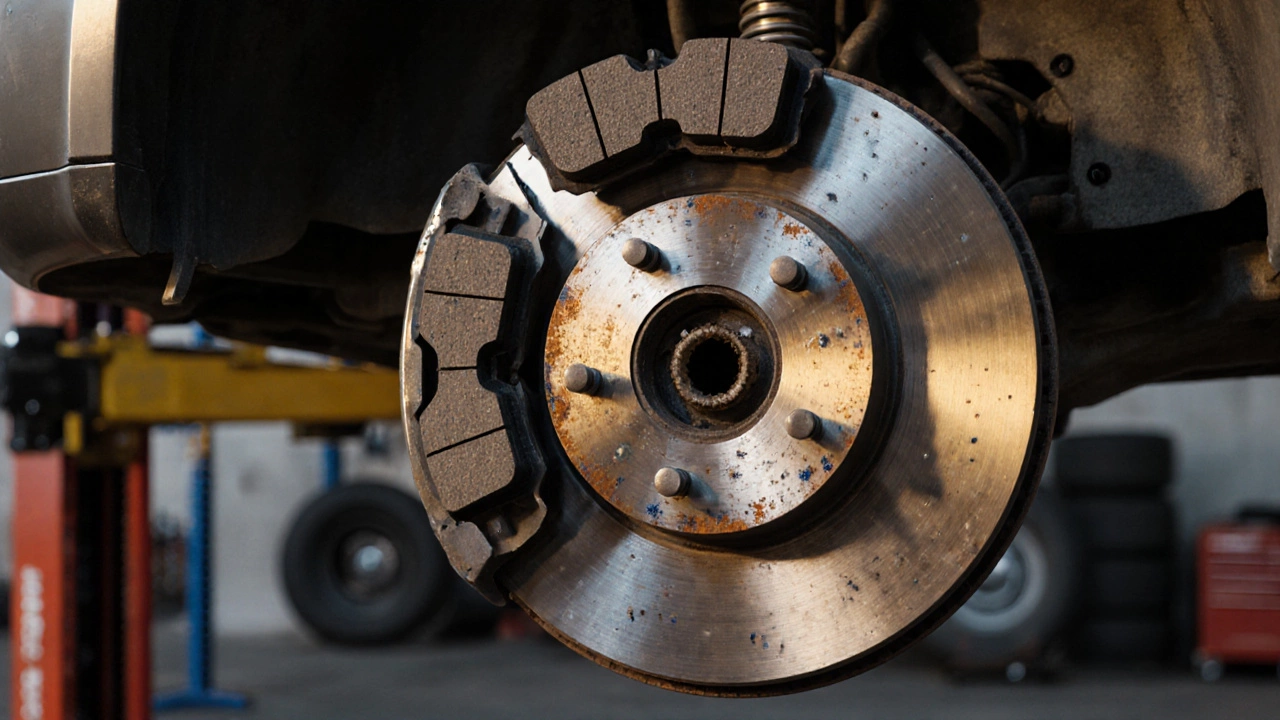
Learn when to resurface or replace brake rotors, compare costs, safety factors, and get a clear guide to make the most affordable, safe decision.
 Jul, 28 2025
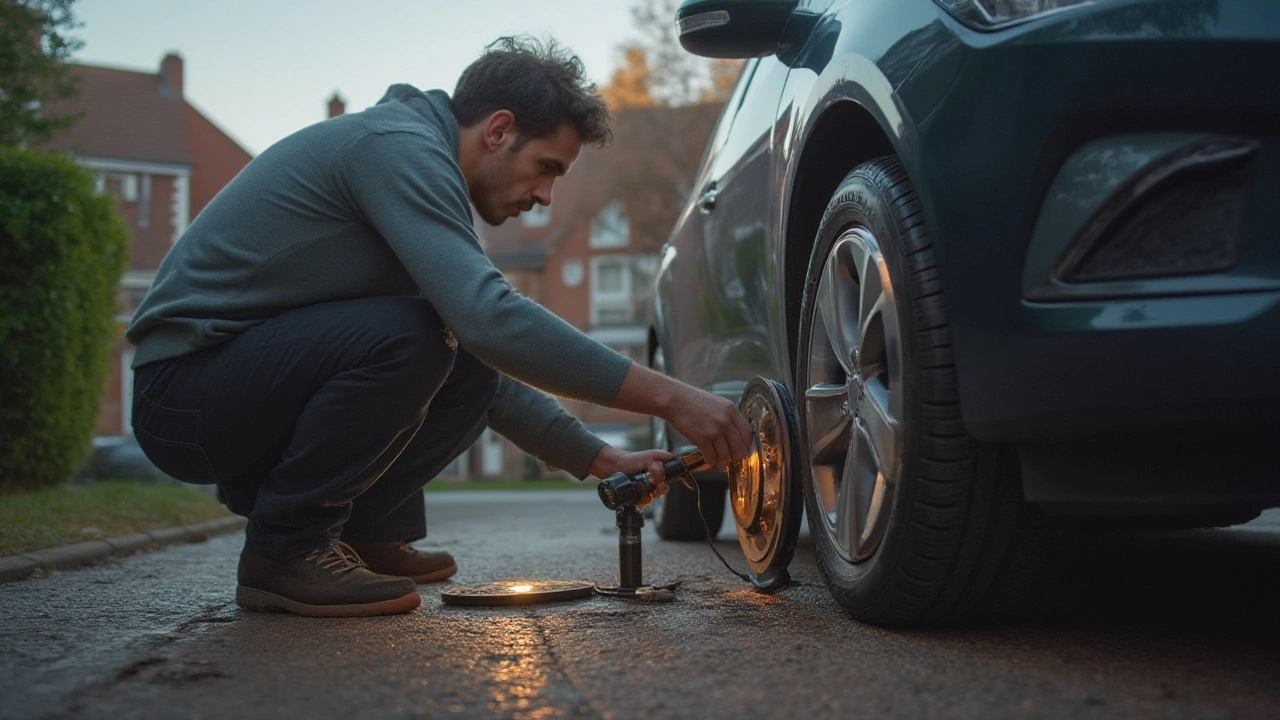
Figure out if you really need new brake rotors with easy checks, practical tips, and clear signs every driver should know. Stay safe and save money by catching rotor problems early.
 Jan, 1 2025
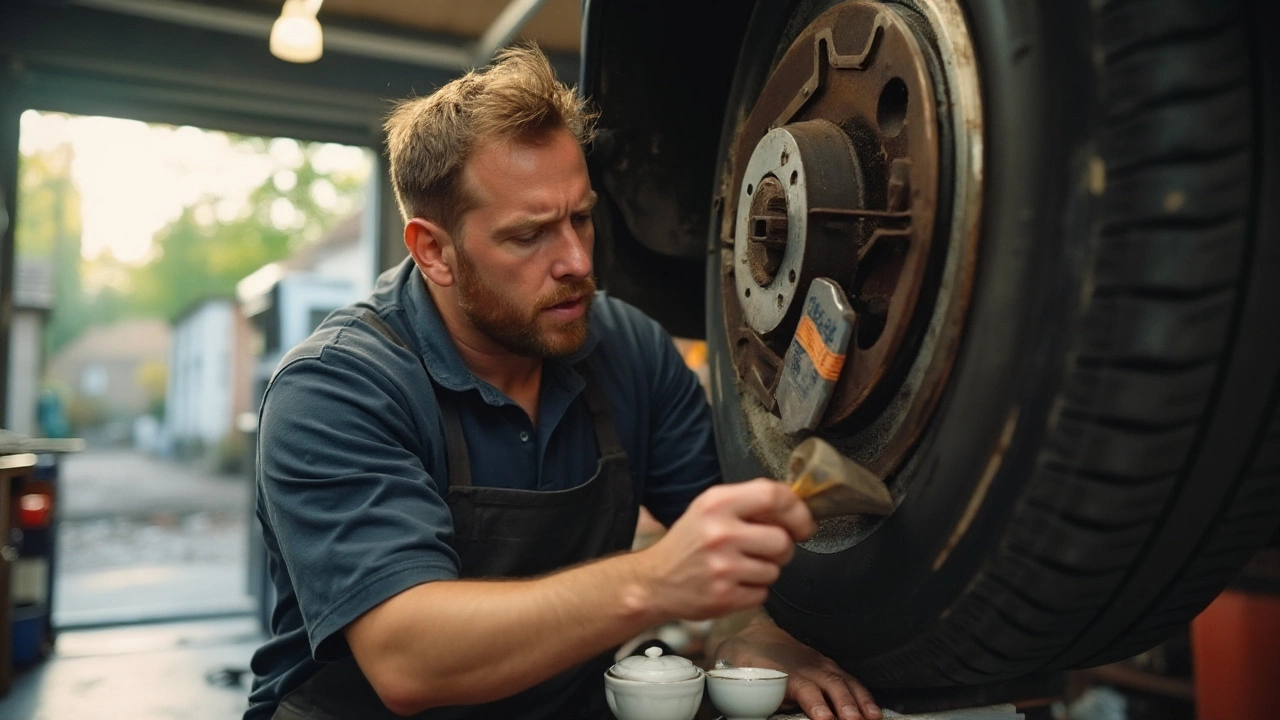
When considering whether to replace only the rear brake pads of your vehicle, various factors should be taken into account. While changing only the rear pads might seem economical, understanding the role each brake plays and the potential impacts on your vehicle’s braking system is crucial. We will explore how the brake systems work, the significance of balanced wear, and the possible risks associated with uneven brake pad replacement. Additionally, we'll offer some maintenance tips and signs that indicate brake pad wear.