Coolant Loss: Why It Happens and What to Do Before It Breaks Your Engine
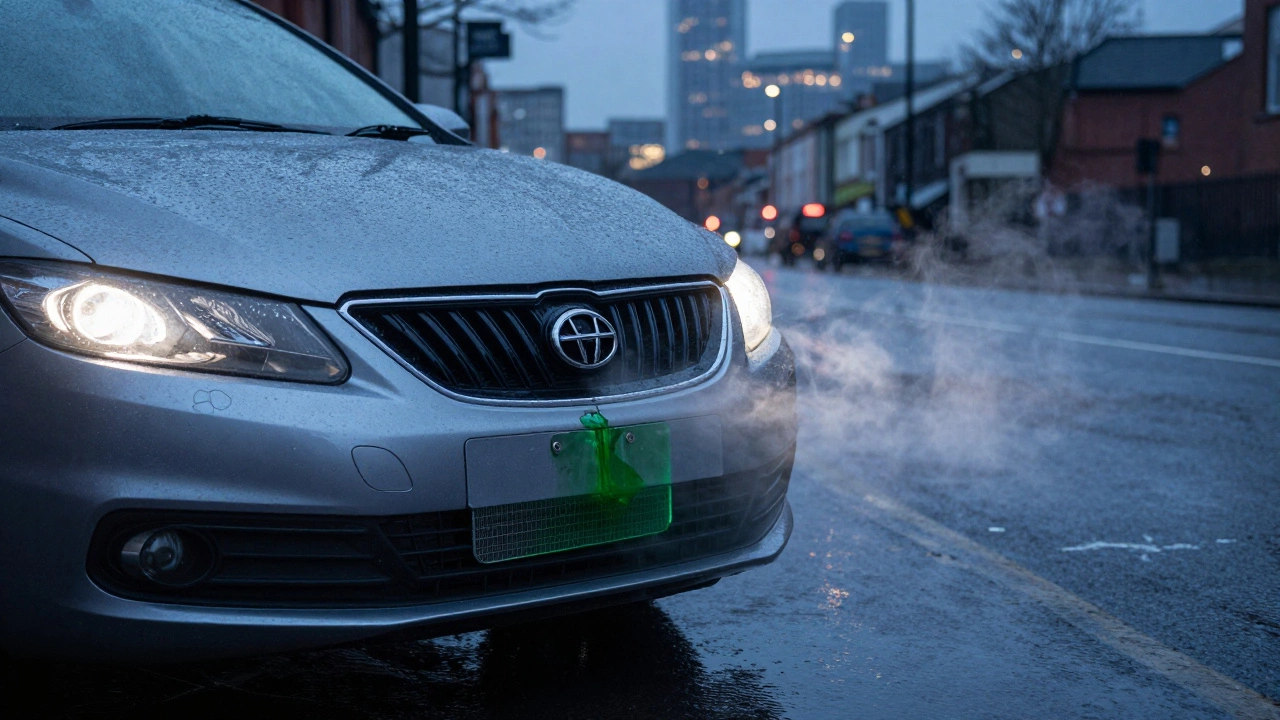
When your car loses coolant, the fluid that keeps your engine from overheating by circulating through the radiator and engine block. Also known as antifreeze, it’s not just a liquid—it’s your engine’s lifeline. If you notice puddles under your car, a warning light, or steam coming from the hood, you’re not just dealing with a minor leak. You’re one step away from a seized engine.
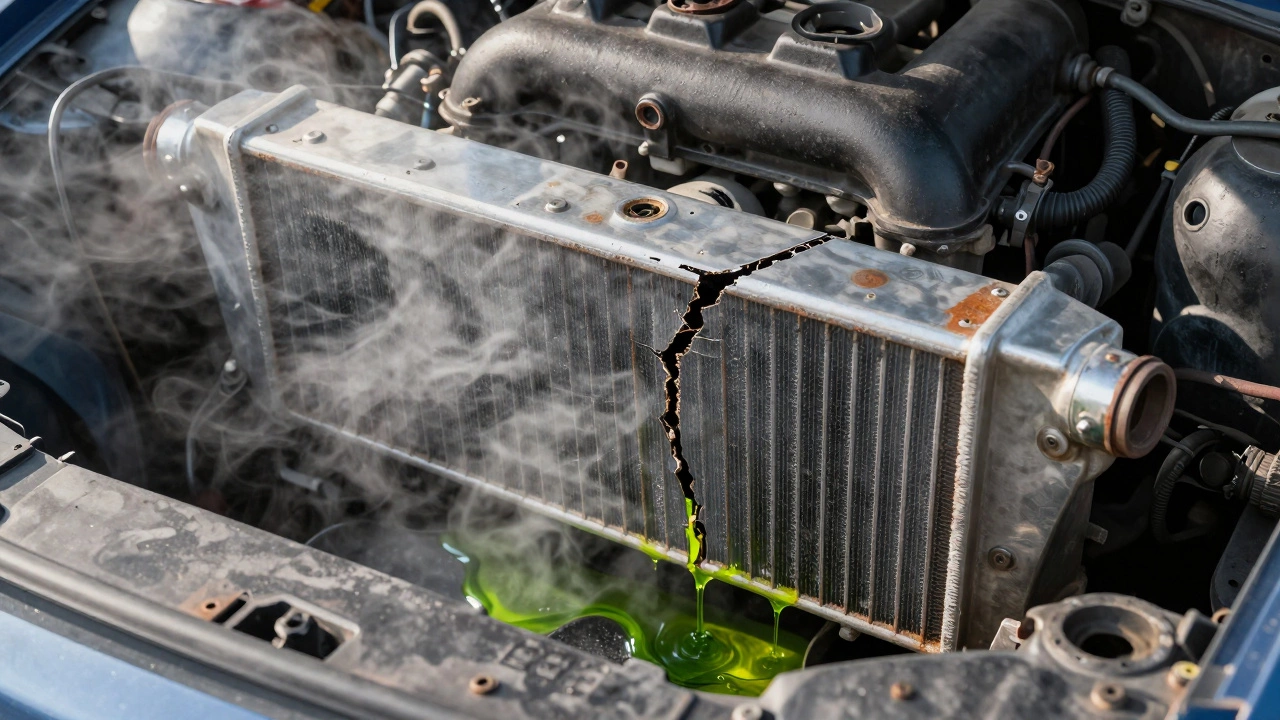
Coolant loss doesn’t happen for no reason. It’s usually tied to something failing in the cooling system, the network of hoses, radiator, water pump, thermostat, and reservoir that moves coolant through the engine. A cracked hose, a worn-out radiator cap, or a failing water pump can all let coolant escape slowly—so slowly you might not notice until it’s too late. And if the radiator, the metal component that cools hot coolant before it cycles back into the engine. is corroded or damaged, even a small crack can dump gallons over time. Many people think adding more coolant fixes the problem. It doesn’t. It just delays the inevitable.
Signs you’re losing coolant aren’t always obvious. You might hear a hissing noise under the hood, smell sweet syrup (that’s coolant burning off), or see the temperature gauge creep into the red. Your car might run fine for a while, then suddenly overheat on the highway. That’s not bad luck—it’s a warning. Ignoring it can melt pistons, warp cylinder heads, or destroy your head gasket. Replacing a head gasket costs ten times more than fixing a leaky hose. And if you drive with low coolant, you’re gambling with your engine’s life.
What you’ll find below are real fixes from real repairs. We’ve pulled together posts that show you how to spot coolant loss before it turns into a tow truck bill. You’ll learn how to check your radiator cap, test for leaks without a shop, and understand why some fixes are temporary—and others are permanent. Whether it’s a loose hose clamp, a cracked reservoir, or a failing water pump, we break down what’s actually wrong and what you need to do next. No guesswork. No jargon. Just what works.